High-Efficiency Rainproof & Industrial Switching Power Supplies
Direct factory configurations engineered for thermal survivability, low electromagnetic interference, and regulated output under harsh climatic conditions.
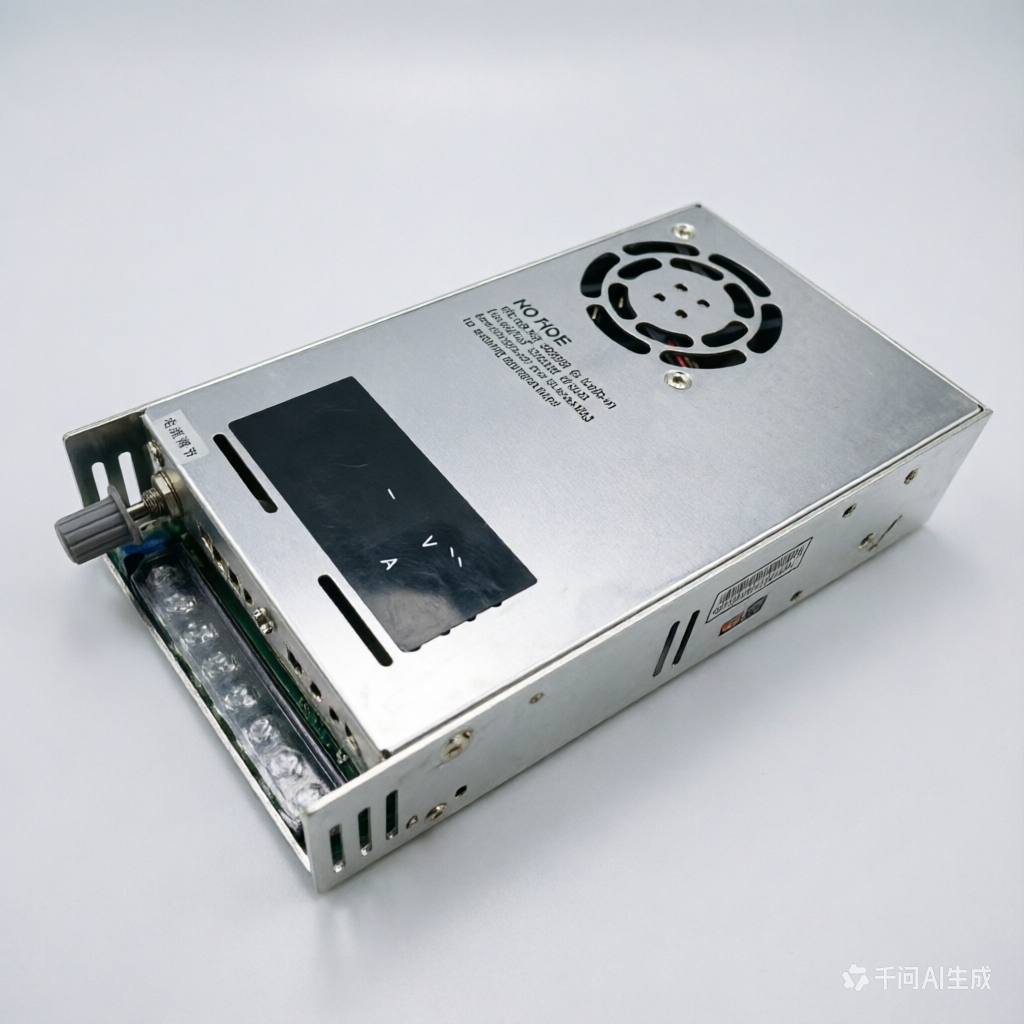
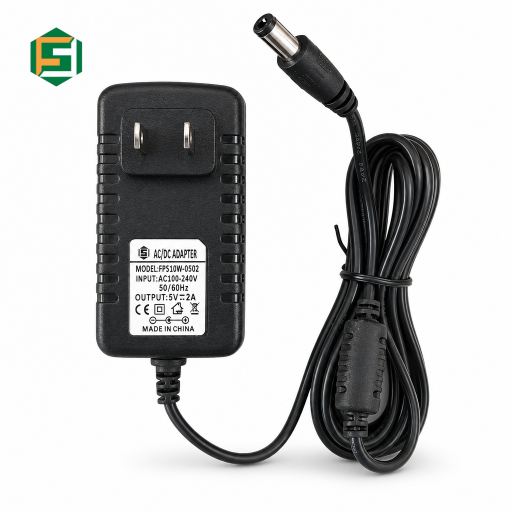
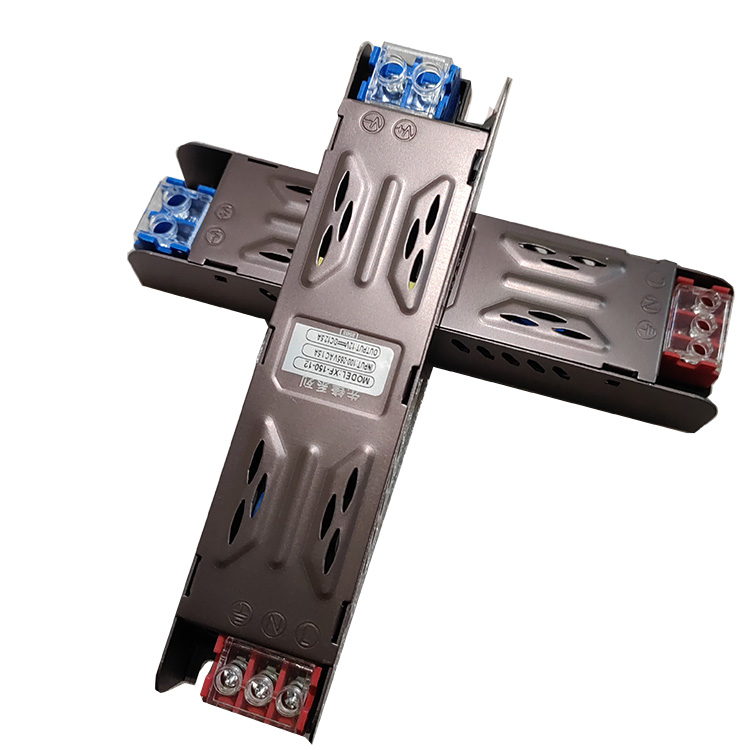
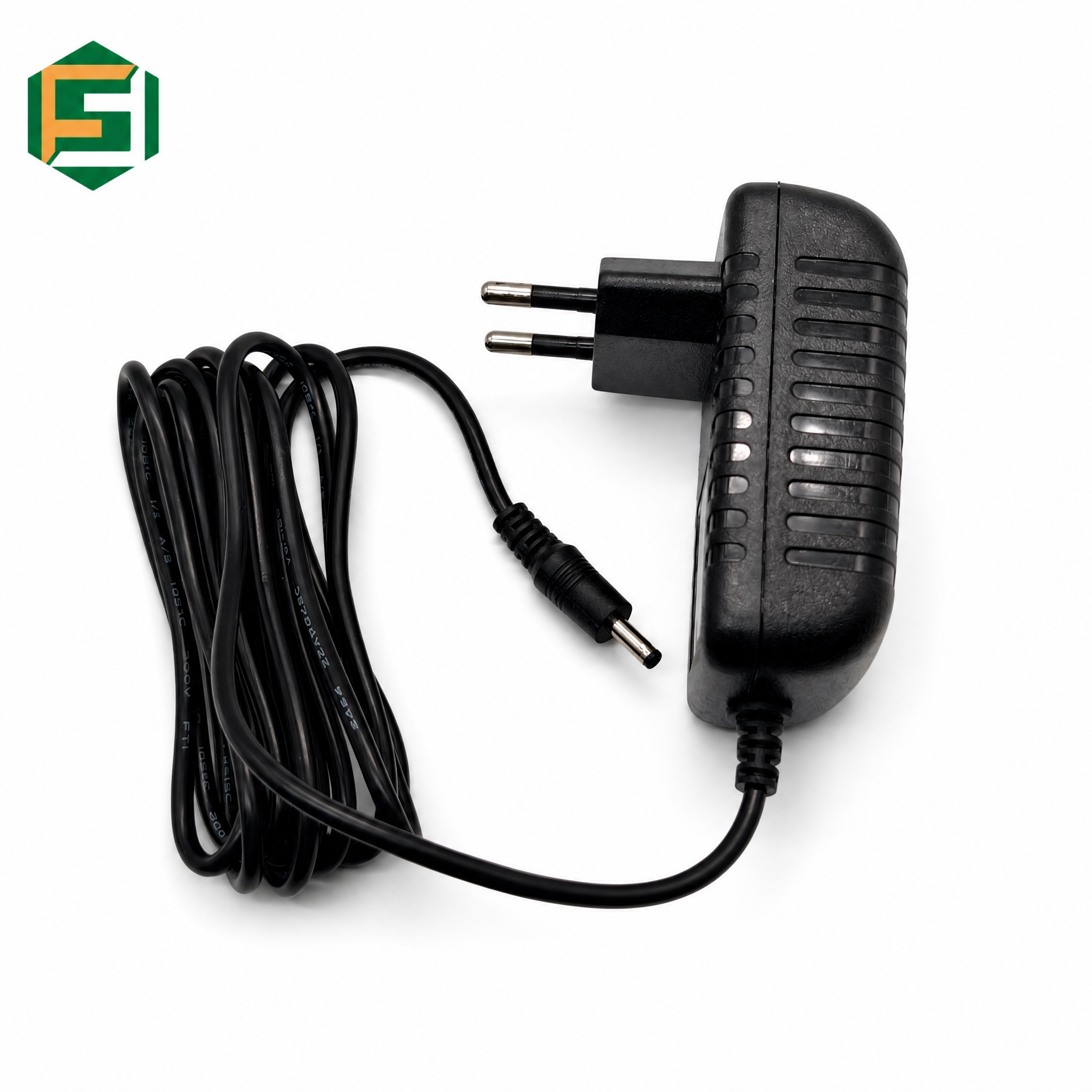
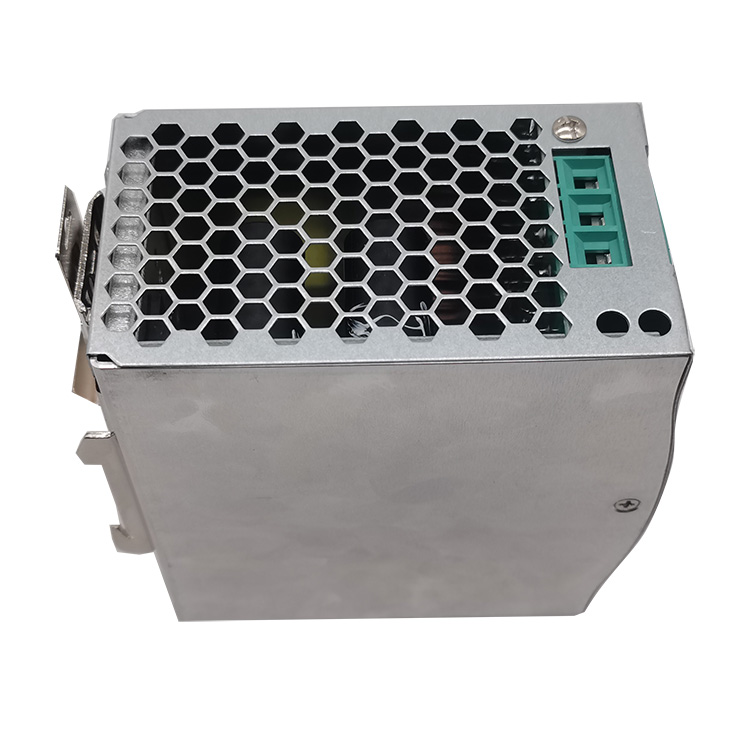
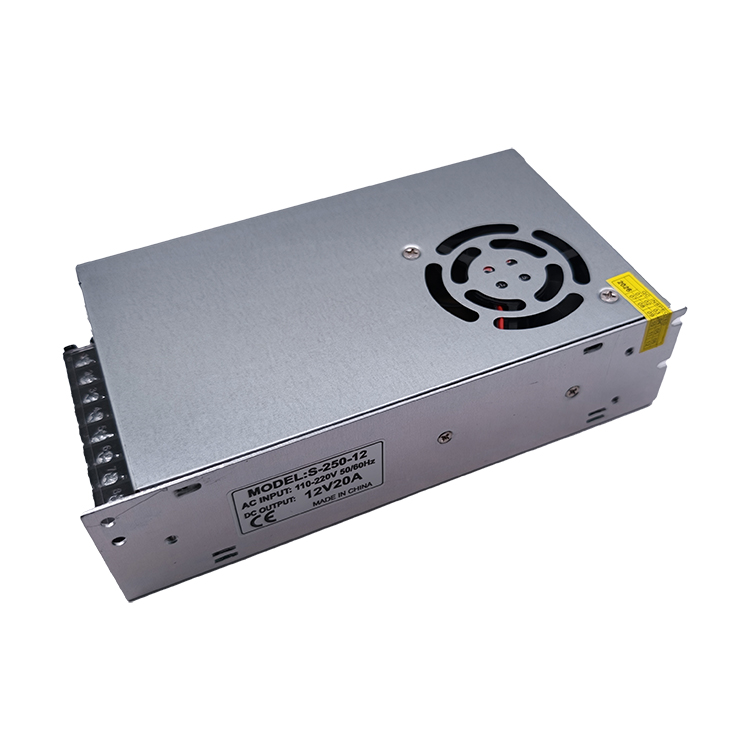
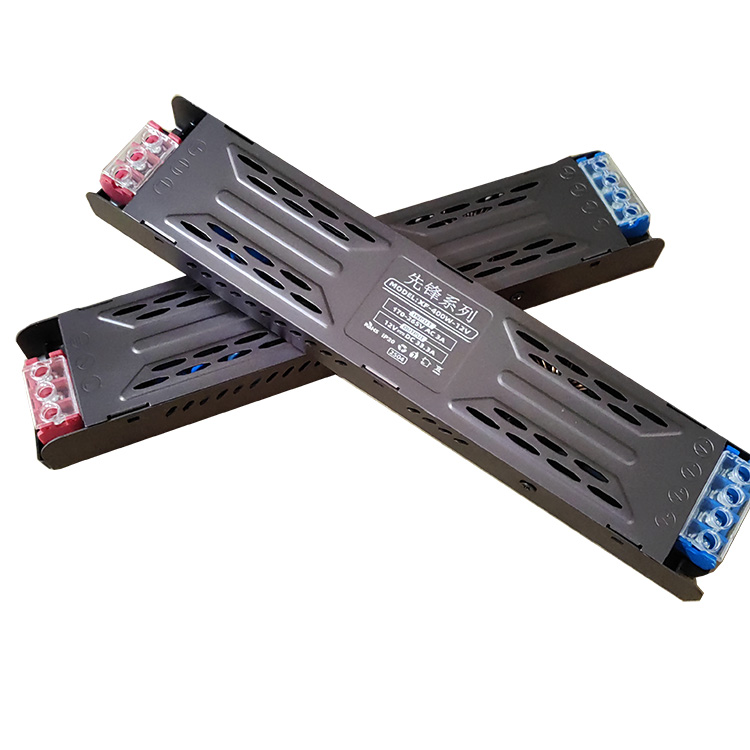
The Physics of Power Conversion in Extreme Desert Climates
Procuring and deploying a rainproof switching mode power supply (SMPS) in the Phoenix Metropolitan Area presents an engineering paradox that catalog distributors often fail to address. The Valley of the Sun experiences ambient summer air temperatures consistently exceeding 115°F (46°C), with black-body radiation driving metal outdoor junction enclosures upwards of 160°F (71°C). Concurrently, the regional atmospheric conditions swing rapidly between extreme hyper-arid desiccation and sudden, violent North American Monsoon downpours accompanied by particulate-dense dust storms known as haboobs.
Standard outdoor power supplies deployed across North America generally utilize convective vents or cheap axial cooling fans with basic water deflectors. In the Sonoran Desert, convective vents allow ultrafine particulate matter (particulates < 2.5 microns) to settle onto high-voltage trace paths. During subsequent humid microburst downpours, these hygroscopic mineral deposits turn conductive, inducing catastrophic dielectric flashover between the primary switching MOSFETs and ground planes.
To survive in Greater Phoenix, industrial switching power supplies must utilize specialized engineering topographies: fully encapsulated silicone/polyurethane potting or specialized labyrinthian rainproof drainage channels rated to IP65/NEMA 3R minimums. Furthermore, electrolytic capacitor chemistry must be formulated for 105°C to 125°C continuous operation, combined with magnetic ferrite geometries wound to maintain flux density without triggering early core saturation when ambient baselines soar.
Localized Deployment Environments Across Greater Phoenix
Where resilient rainproof and weatherproof DC voltage regulation is mission-critical across Maricopa County.
Architectural & Entertainment LED Signage
From the sports and resort strips of Scottsdale to downtown Phoenix high-rises and commercial retail centers in Glendale, high-power 12V and 24V LED installations demand flicker-free constant voltage regulation. Enclosed rainproof power supplies must survive non-stop blistering afternoon solar exposure followed by 60mph monsoon cloudbursts without tripping secondary over-temperature thresholds.
Utility-Scale Solar BOS & Microgrid Arrays
Across the expansive utility solar fields in Buckeye, Gila Bend, and Pinal County, auxiliary electronics, tracker motors, and string sensor nodes run on dedicated 24V or 48V DC bus architectures. Power conversion supplies must withstand relentless ultraviolet degradation, zero wind stagnation, and extreme thermal cycling between scorching solar noons and rapid night cooling.
Semiconductor & Cleanroom Exterior Sub-Facilities
With massive advanced fabrication clusters expanding throughout North Phoenix and Chandler, secondary exterior processing facilities, pump pads, and wastewater treatment automation panels require hardened, DIN rail-mounted and enclosed power supplies that comply with rigorous harmonic distortion limits and uncompromised continuous duty cycles.
Municipal Smart Water Management Infrastructure
Canal pump arrays operated by the Salt River Project (SRP) and municipal booster stations rely on decentralized SCADA telemetry, automated flow gates, and valve actuators positioned along open desert corridors. Rainproof power units guarantee uninterruptible operation against ambient dust storms and high transient surge spikes from seasonal lightning.
Outdoor Perimeter Security & Intelligent Transportation
Freeway traffic management arrays along Loop 101, I-10, and Loop 202 deploy thermal cameras, inductive loop sensors, and electronic messaging matrixes. Power converters integrated into roadside enclosures demand high MTBF, reinforced galvanic isolation, and instant recovery from brownout fluctuations.
Regional Sourcing Dynamics: Phoenix Industrial Expansion
How regional development vectors are reshaping the supply chain for power conversion electronics in Arizona.
The "Silicon Desert" Supply Chain Tightening
The concentration of tier-one semiconductor fabs and hyperscale data center construction in Mesa and Phoenix has strained standard domestic electrical distributors. System integrators and electrical contractors increasingly bypass middleman stocking markups, establishing direct OEM/ODM factory alliances to secure guaranteed volume pipelines, custom winding designs, and factory-certified specifications.
Shift from Open-Frame to Engineered Rainproof
Historically, panel builders installed standard perforated open-frame power supplies inside massive air-conditioned NEMA cabinets. Escalating operational energy costs and high maintenance failures caused by filter clogging have forced a rapid transition toward conduction-cooled, rainproof, and sealed power units that dump thermal energy directly to ambient without internal fan maintenance.
Demand for Dual-Standard Certifications (UL/CE/FCC)
As Phoenix-based OEMs build automated machinery, EV charging stations, and lighting arrays destined for nationwide and cross-border Mexican distribution via the USMCA trade corridor, switching power supplies must carry verified multi-market testing, including FCC Class B low radiation profiles and UL/IEC 62368-1 electrical safety compliance.
Shaanxi Zelqo Power Advantage
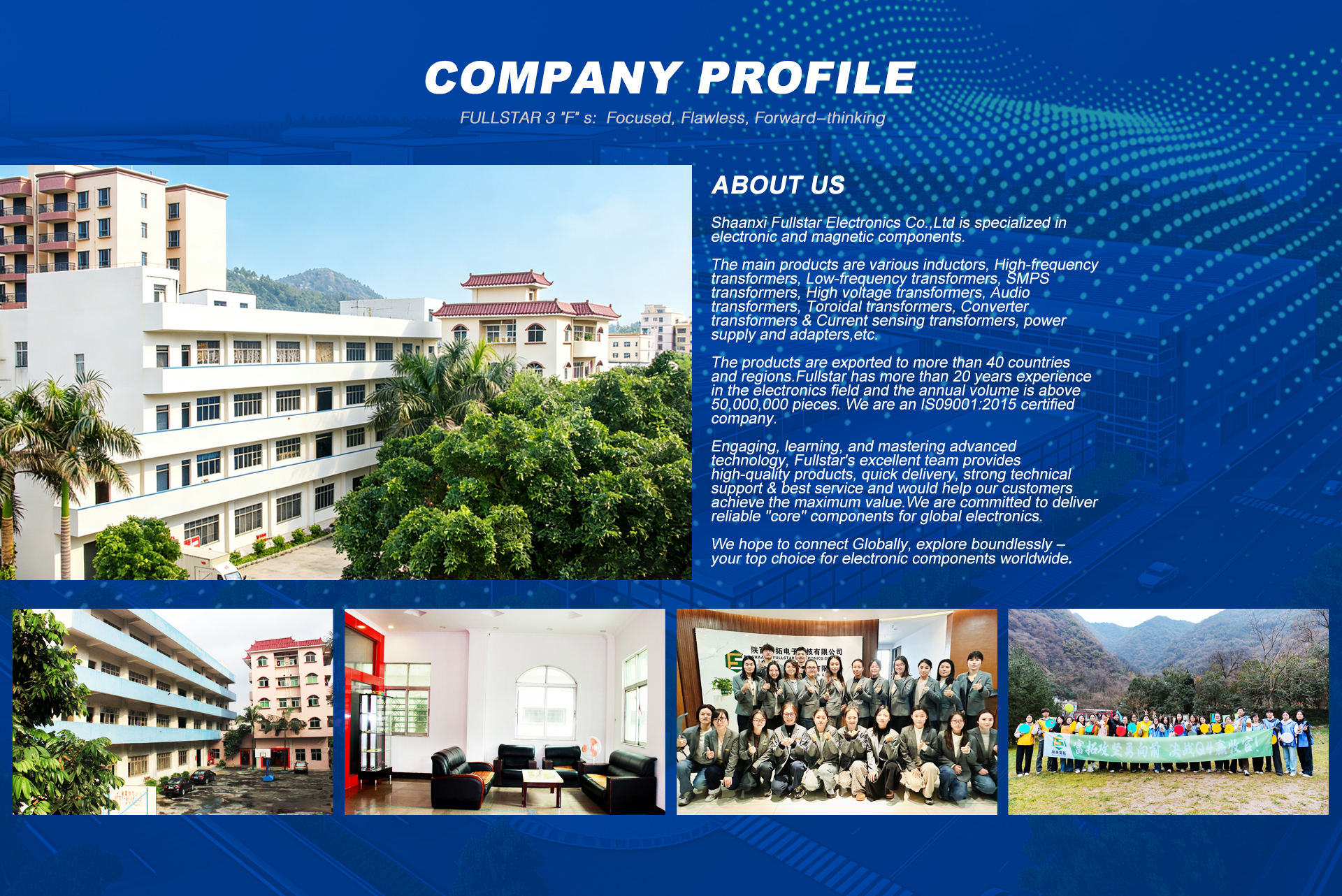
Headquartered in Xi'an, Shaanxi Zelqo Power Co., Ltd. is an Intertek-verified custom manufacturer bridging high-level magnetic engineering and ruggedized power supply production for global industrial clients.
In-House Magnetic & Core Winding
We do not re-badge catalog items. Our factory calculates high-frequency transformer core size, air gap tolerances, and wire gauge specifically to match high-temperature duty curves.
Multi-Stage Stress & Hi-Pot Testing
Every unit undergoes impulse winding tests, DC resistance checks, LCR bridge verification, and continuous full-load burn-in aging prior to carton sealing.
Third-Party Audited Quality Traceability
Our operational facilities and manufacturing processes have been inspected on-site by Intertek, ensuring direct adherence to international delivery standards.
Phoenix Procurement & Engineering FAQ
Direct technical solutions for electrical engineers, buyers, and operations managers sourcing power conversion equipment in Arizona.
Most commercial switching power supplies provide full rated output up to 40°C (104°F) or 50°C (122°F), after which output must de-rate linearly by 2% to 2.5% per degree Celsius up to 70°C. In Phoenix, where exterior sun-exposed junction boxes regularly achieve 65°C interior temps, an unrated 500W unit will only deliver 250W–300W safely before tripping thermal shutdown. We recommend sizing nominal wattage at a minimum of 140% to 160% of total electrical load, or opting for custom-wound high-temperature magnetic cores.
Rainproof supplies utilize a baffled, hooded vertical aluminum casing with downward-facing weep holes and shielded terminal blocks. They shield internal components from falling rain and vertical water spray while relying on natural convection to cool without fully sealing the unit. Waterproof (IP67/NEMA 4X) power supplies are fully vacuum-potted in thermally conductive epoxy or silicone elastomer, allowing complete immersion and total dust exclusion, but they dissipate thermal load purely through surface conduction.
Airborne desert dust contains high levels of calcite, quartz, and alkaline mineral salts. When standard fan-cooled supplies intake this fine particulate, it coats switching MOSFET heatsinks and chokes, accelerating thermal insulation. During high-humidity monsoon cycles, dry particulate cakes absorb moisture, dropping surface insulation resistance across PCB high-voltage traces from mega-ohms to near dead-short conditions. Rainproof and conformal-coated architectures prevent this catastrophic failure mechanism.
Yes. Beyond standard 12V, 24V, 36V, and 48V DC rails, our engineering team designs custom secondary transformer windings and feedback control loops to provide stable outputs (such as 15V, 28V, 60V, or multi-tap configurations). We also configure manual potentiometer trim bars allowing in-field voltage adjustment of ±10% to compensate for long field wire run resistive voltage drops.
Every production batch leaves our facility backed by standardized testing documentation. This includes primary-to-secondary dielectric strength (Hi-Pot) verification up to 3000VAC, leakage current measurement, full-load burn-in aging logs (typically 2 to 4 hours under maximum stress conditions), DC ripple voltage oscilloscope plots, and no-load standby loss verification.