Step Up and Step Down Transformer: The Complete Engineering Sourcing & Procurement Architecture Guide
An authoritative engineering white paper and B2B procurement framework addressing cross-border voltage adaptation, efficiency benchmarks, turns-ratio design calculations, and quality validation by Shaanxi Zelqo Power Co., Ltd.
Global electrical systems require precise electromagnetic voltage matching. As international equipment manufacturers distribute machinery, medical devices, high-end audio setups, and industrial automated control cabinets across divergent grid architectures—most notably between 100V–120V (North America, Japan, Taiwan) and 220V–240V (Europe, Asia-Pacific, Middle East, Africa)—the Step Up and Step Down Transformer serves as the fundamental power conversion interface. Specifying these units requires rigorous evaluation of electromagnetic core geometries, total magnetic losses, copper filling factors, inrush current characteristics, dielectric safety ratings, and international regulatory compliance.
Need Engineering Review for Custom Step Up / Step Down Transformers?
Talk directly with our senior magnetic design engineers in Xi'an, China. We optimize turns-ratios, evaluate harmonic limits, and supply fast DFM prototypes tailored to your exact enclosure constraints.
Inquire Now1. Technical Fundamentals: Electromagnetic Operation & Topology Comparison
At its physical foundation, a step up and step down transformer functions via Faraday's Law of Electromagnetic Induction. The mutual induction coefficient is established by the primary-to-secondary turns ratio: Vp / Vs = Np / Ns = Is / Ip. When Ns exceeds Np, magnetic potential increases the secondary terminal potential (step-up), while decreasing current. When Np exceeds Ns, secondary voltage drops proportionally while expanding current availability (step-down). In low-frequency grid operations (50 Hz and 60 Hz), modern industrial buyers encounter two primary physical architectures: Toroidal Magnetics and EI Laminated Core Designs.
| Engineering Parameter | Toroidal Core Architecture | EI Laminated (Silicon Steel) | Auto-Transformer Configuration |
|---|---|---|---|
| Magnetic Efficiency | 94% – 98% (Extremely low core losses) | 85% – 92% (Air-gap eddy dissipation) | 97% – 99% (Shared single winding) |
| Stray Flux / EMI | Virtually zero (Continuous grain-oriented core) | Moderate to High (Requires external shielding) | Very Low to Moderate |
| Inrush Current Peak | High (10x – 15x nominal, low air gap) | Moderate (4x – 8x nominal) | Moderate to High |
| Physical Footprint & Weight | Up to 40% smaller and 50% lighter | Heavier, standard rectangular footprint | Minimal weight (Single tapped coil) |
| Galvanic Isolation | Full 100% Primary-to-Secondary Isolation | Full 100% Primary-to-Secondary Isolation | None (Direct electrical coupling) |
| Target Applications | Hi-Fi audio, medical electronics, clean labs | HVAC, machine controls, heavy industrial panels | Global machinery voltage adaptation |
At Shaanxi Zelqo Power Co., Ltd., we utilize automated circular winding equipment and precision CNC coil winding machinery to deliver optimal winding tension and uniform flux distribution. This eliminates physical vibration hum and reduces no-load excitation currents to the lowest possible threshold.
2. Zelqo Power Recommended Step Up and Step Down Transformer Solutions
Engineered from premium cold-rolled grain-oriented silicon steel (CRGO) and high-temperature pure copper magnet wire (Class F 155°C and Class H 180°C), our products offer high efficiency and durability across harsh grid environments.
Precision Toroidal Step Up / Step Down Transformer
Specifically engineered for noise-critical operations such as recording studios, high-end tube audio amplifiers, and medical instrumentation. Features electrostatic copper shielding between windings, epoxy resin center potting, and optional Mylar or Nomex outer wrapping for quiet, cool operation.
- Power Ratings: 50VA to 5000VA
- Input: 100V/110V/120V/220V/230V/240V (Configurable)
- Efficiency: Up to 97.5% at nominal load
Industrial EI Laminated Machine Control Transformer
Engineered for harsh electrical enclosures, motor contactors, and automated manufacturing systems. Incorporates vacuum pressure impregnated (VPI) varnish, integrated thermal fuse protection, DIN rail or heavy chassis bracket mounting, and flame-retardant terminal blocks.
- Power Ratings: 25VA to 10kVA
- Hi-Pot Breakdown: Primary-Secondary ≥ 3.75kV AC
- Insulation: Class B (130°C) to Class H (180°C)
Multi-Tap Bi-Directional Auto Transformer
Optimized for cross-border equipment adaptation where physical footprint and cost efficiency are paramount. Built with shared autotransformer copper topologies, multi-tap selectors (100V-110V-120V-200V-220V-240V), and integrated circuit breaker resets for global utility compatibility.
- Power Ratings: 100VA to 20kVA
- Low Temperature Rise: ΔT < 55K at 100% duty cycle
- Enclosure: Potted, open-frame, or vented steel box
3. Strategic Procurement Trends: How Global Buyers Source in 2025–2030
Procurement dynamics for step up and step down transformers have shifted significantly. Industrial purchasing directors and system integrators now place heightened emphasis on total lifecycle costs, real-world efficiency, and automated testing compliance. Key procurement trends shaping global RFQs include:
- 1Total Cost of Ownership (TCO) Prioritization Over Unit Purchase Price
With corporate carbon initiatives and climbing commercial electricity tariffs worldwide, procurement managers evaluate no-load standby losses (iron core dissipation) alongside full-load copper losses. High-grade grain-oriented silicon steel cores with thinner laminations (0.23mm–0.27mm) yield significant operational cost reductions over a 10-year duty cycle.
- 2Harmonic Resistance and Non-Linear Load Resilience
Modern manufacturing facilities utilize variable frequency drives (VFDs), servo drives, and switching power supplies that inject high total harmonic distortion (THD) back into factory distribution lines. Today's procurement specifications explicitly demand K-factor rated step up and step down transformers capable of withstanding Eddy-current heating from triplen harmonics.
- 3Digital Traceability, Factory Verification, and Quality Transparency
Global engineering teams require validated visual testing records, factory inspection reports, and automated electrical test datasets per batch. Working directly with verified custom manufacturers like Shaanxi Zelqo Power Co., Ltd. provides certified quality metrics on every unit.
4. Technological Evolution & Future Engineering Horizons
The humble wire-wound transformer continues to advance through new magnetic metallurgy, advanced polymer chemistry, and smart monitoring electronics. Modern engineering teams are adopting three major technological progressions:
Nanocrystalline and Amorphous Core Ribbons
Transitioning from traditional silicon steel laminations to ultra-thin amorphous and nanocrystalline ribbon alloys drastically minimizes core hysteresis losses. Operating at elevated flux saturations with negligible eddy generation, these materials enable smaller, ultra-high efficiency step down transformers.
High-Temperature Biodegradable Dielectrics
Environmental safety mandates (RoHS 3, REACH) drive the development of halogen-free epoxy encapsulations, bio-resin potting formulations, and aramid Nomex paper insulation systems capable of sustaining continuous Class H (180°C) and Class N (200°C) performance under peak overload margins.
Integrated Thermal & Flux Sensing (Smart Magnetics)
Integrating embedded PT100 temperature sensors, Hall-effect current monitoring, and smart thermal cutoff switches allows step up and step down transformers to report operational telemetry directly to host PLC architectures for proactive predictive maintenance.
Verified In-House Production & Testing Capabilities
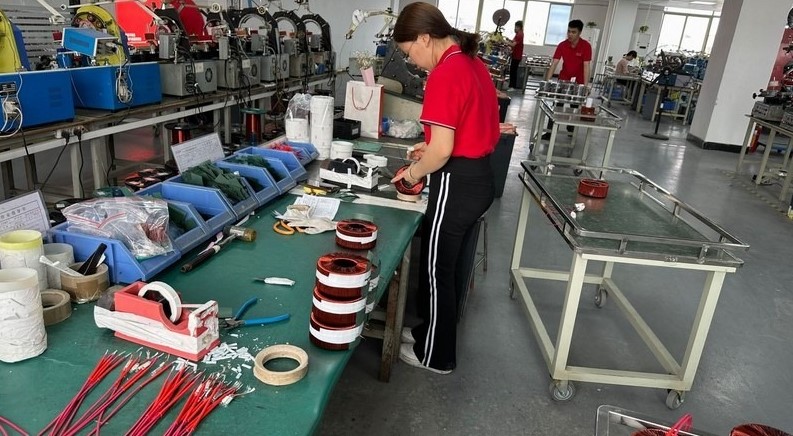
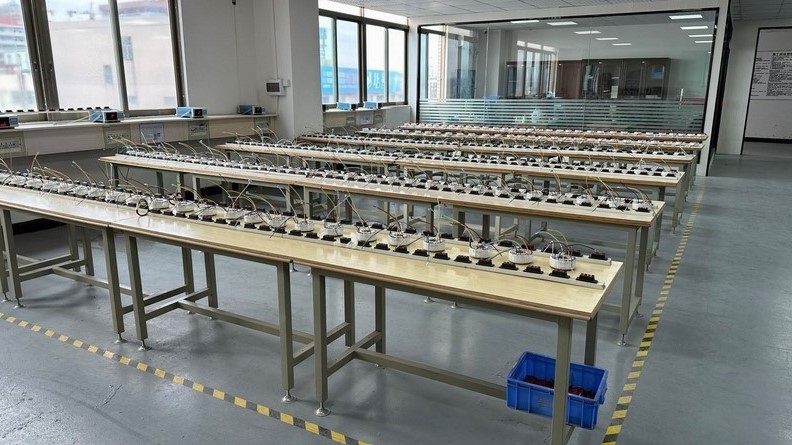
Shaanxi Zelqo Power Co., Ltd. operates complete, verified end-to-end production lines in Xi'an, China
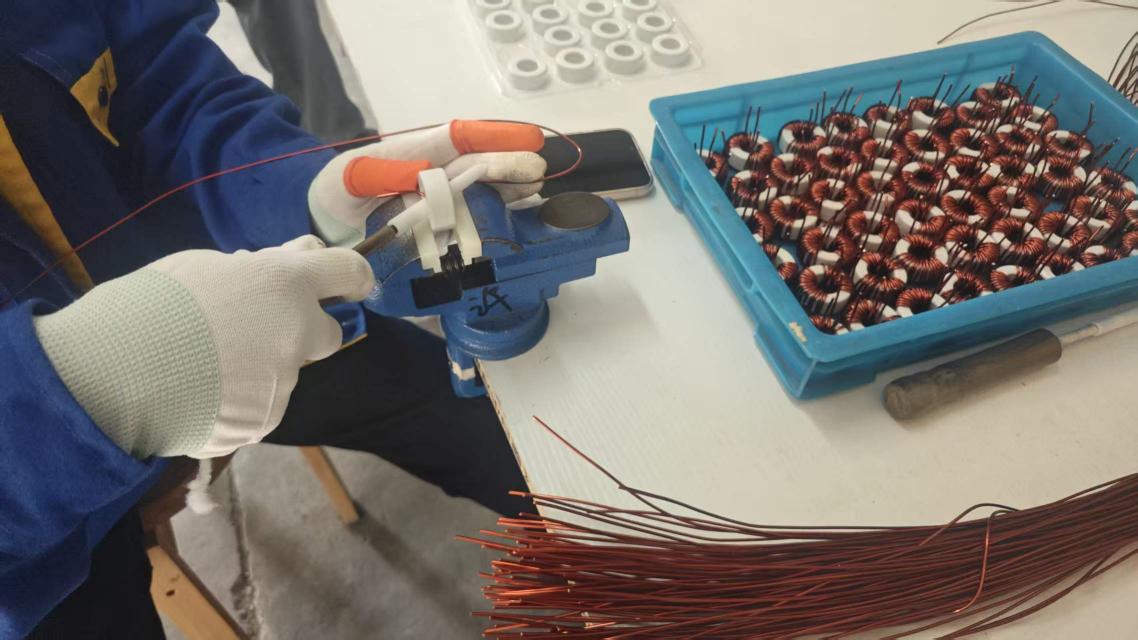
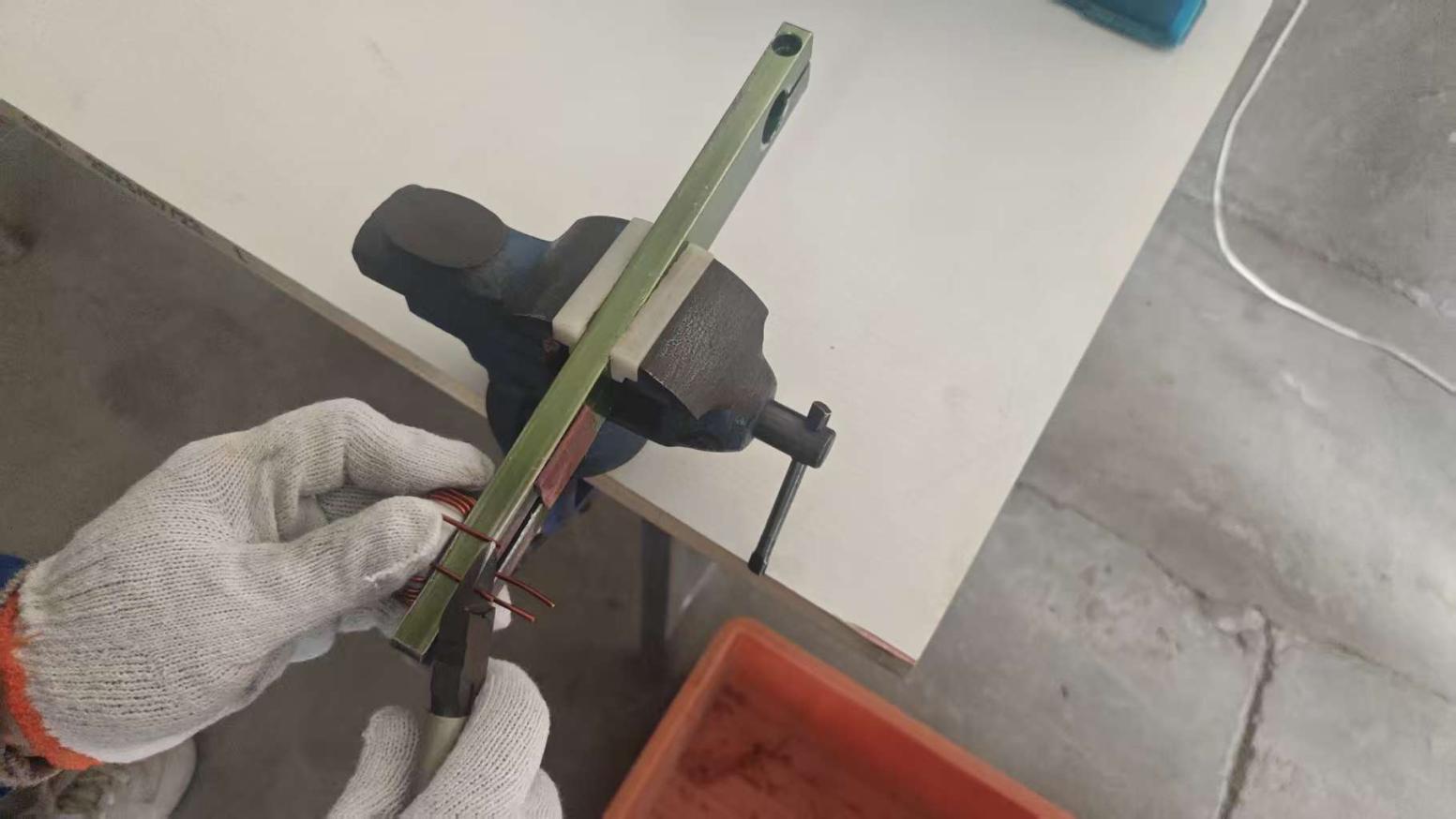
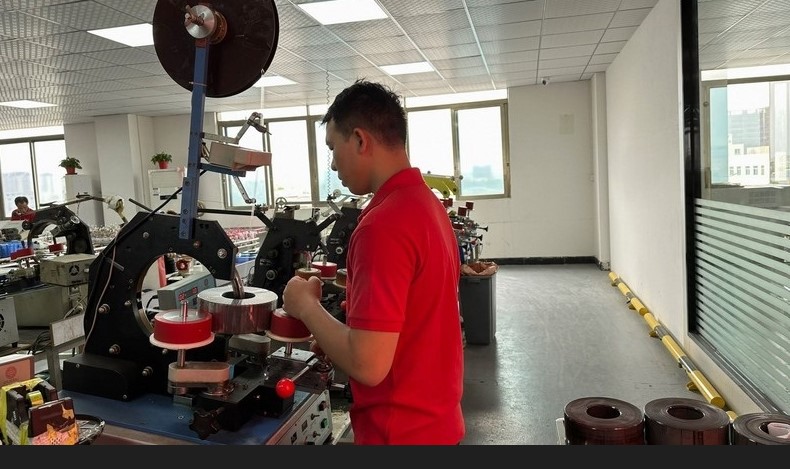
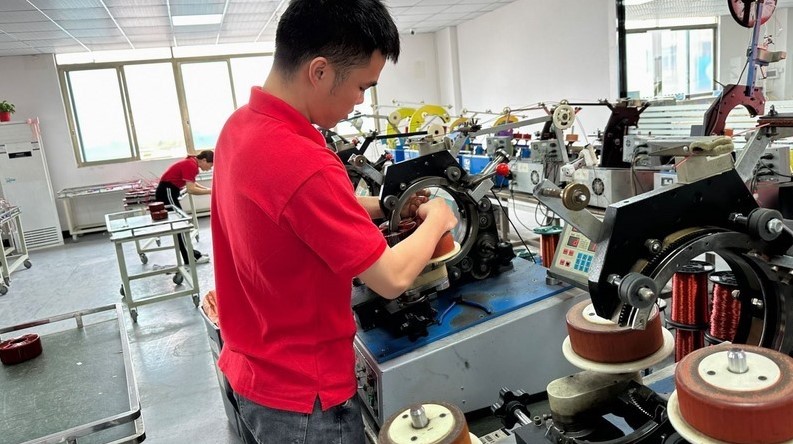
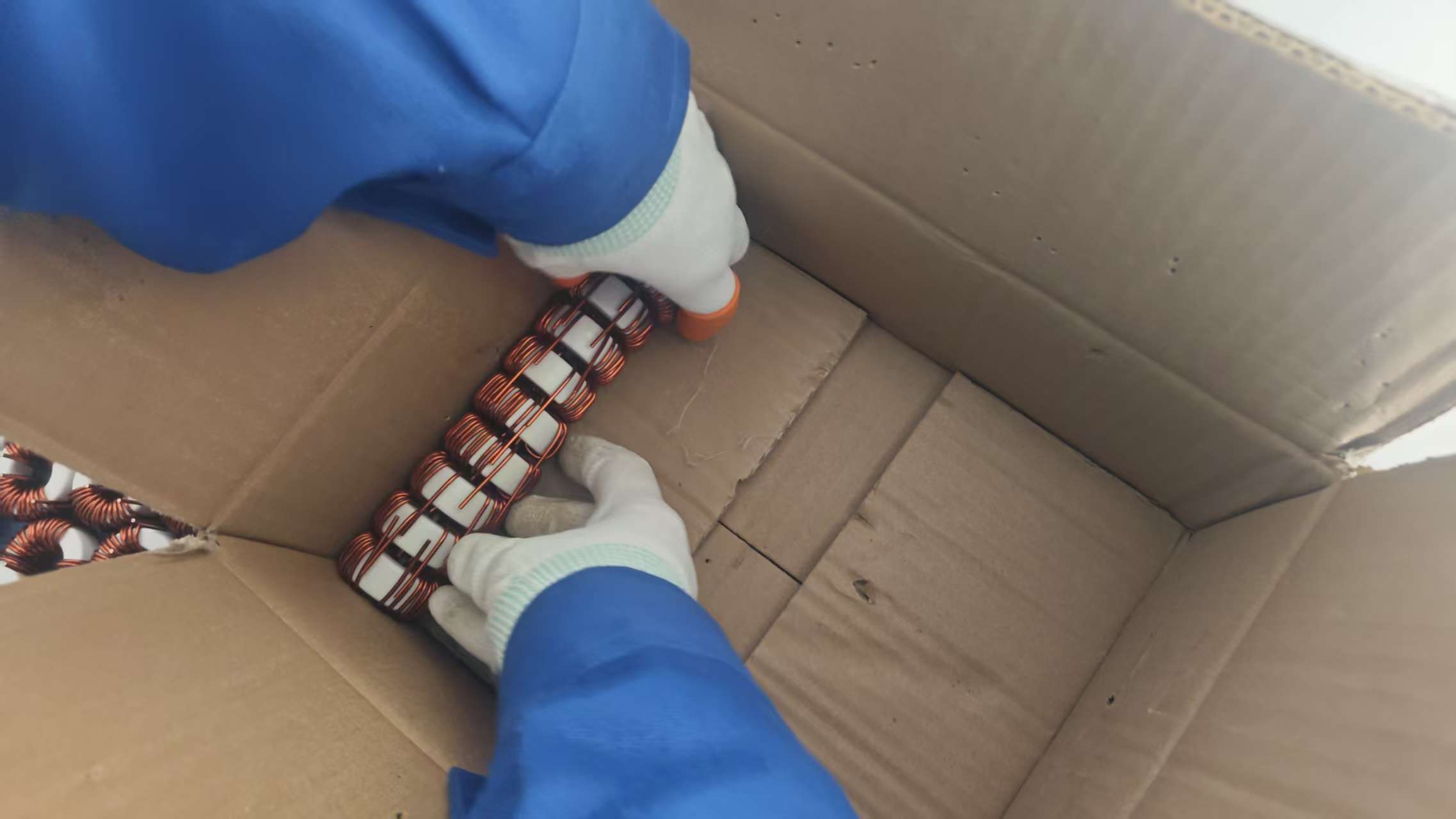
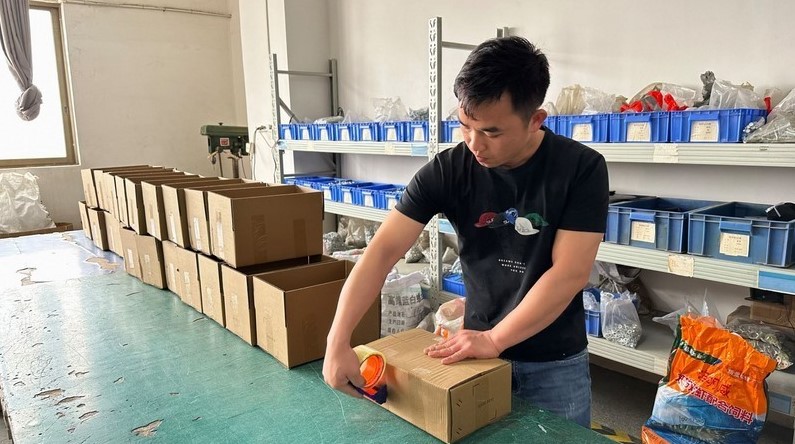
Advanced Machinery & Comprehensive QC Equipment
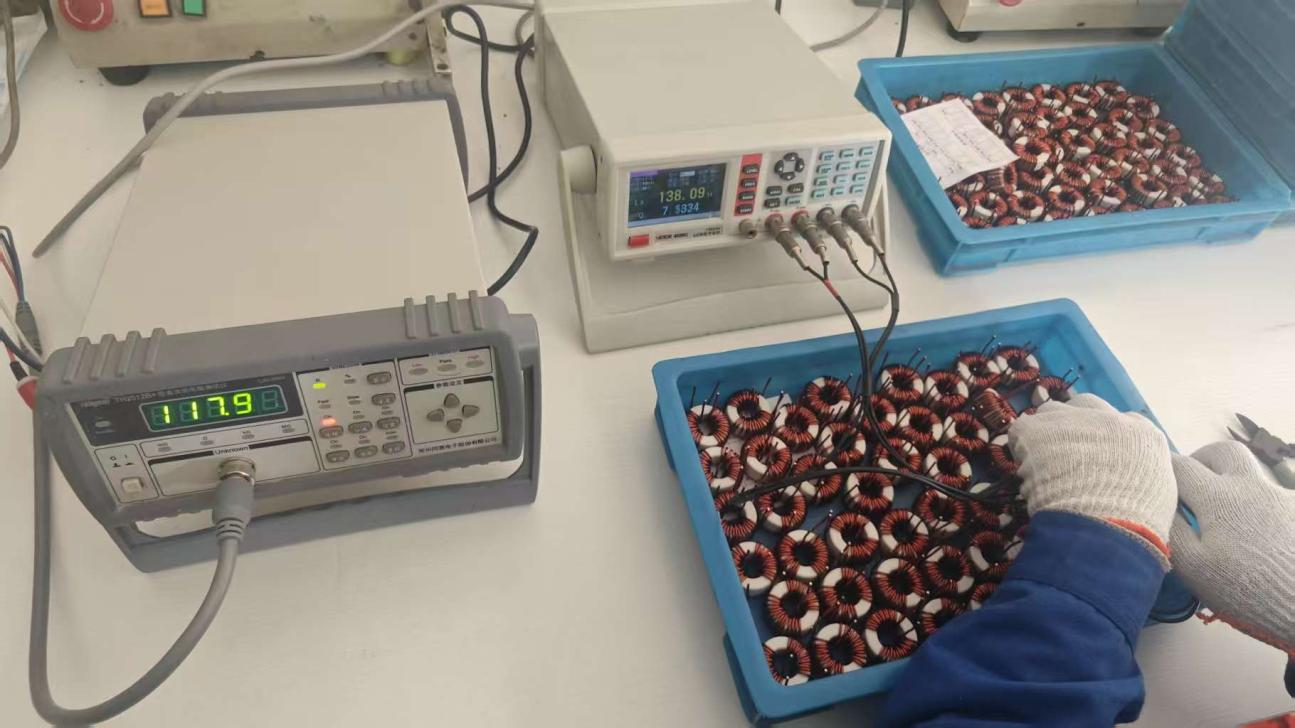
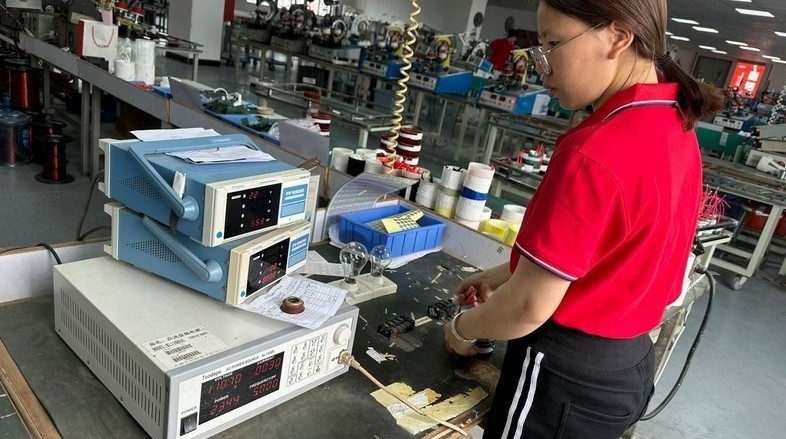
Our production floor is equipped with CNC winding machines, circular toroidal winders, automated taping/wrapping equipment, pipe cutters, and hydraulic crimping systems. Every step up and step down transformer undergoes verification using calibrated test instruments:
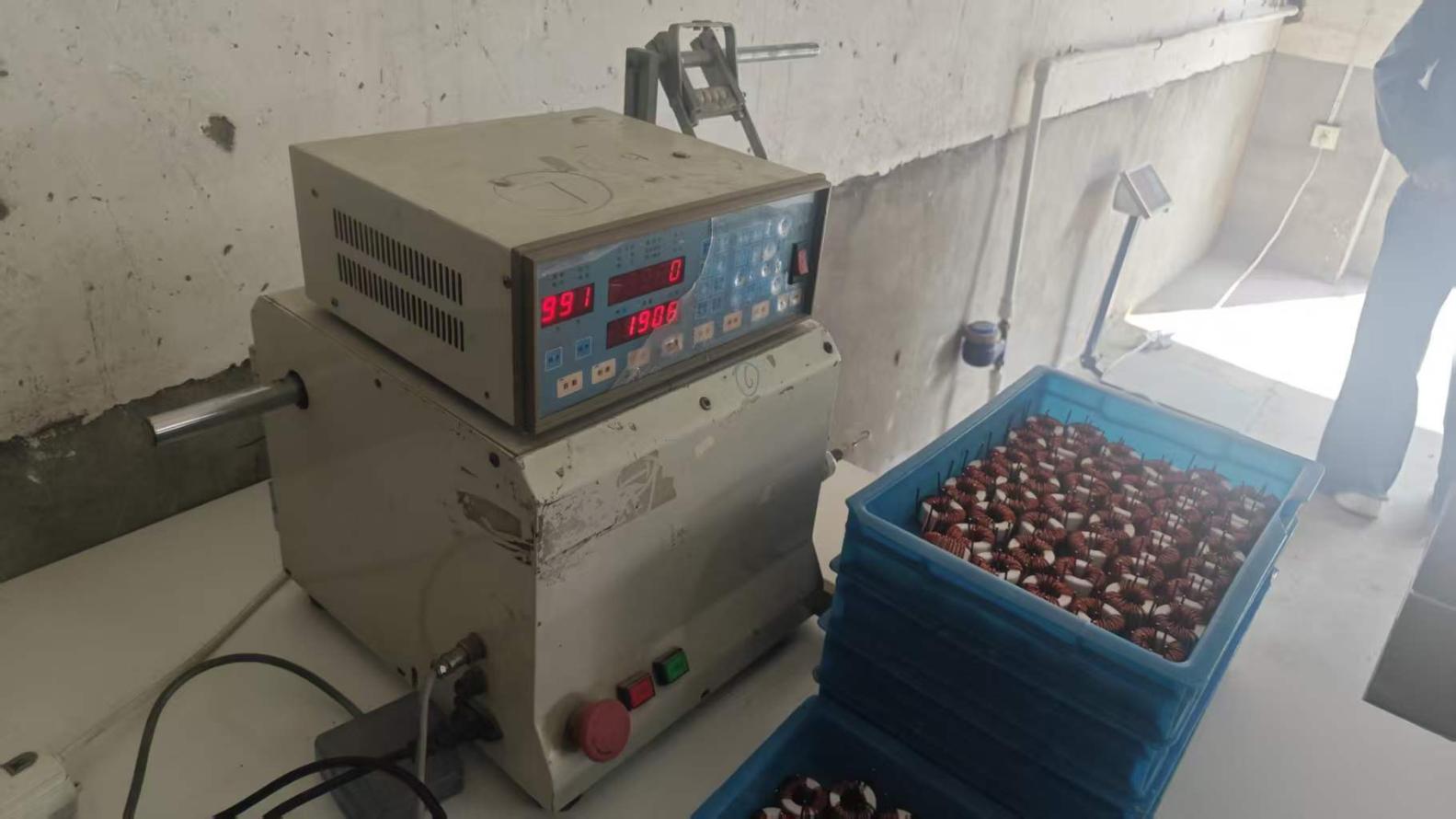
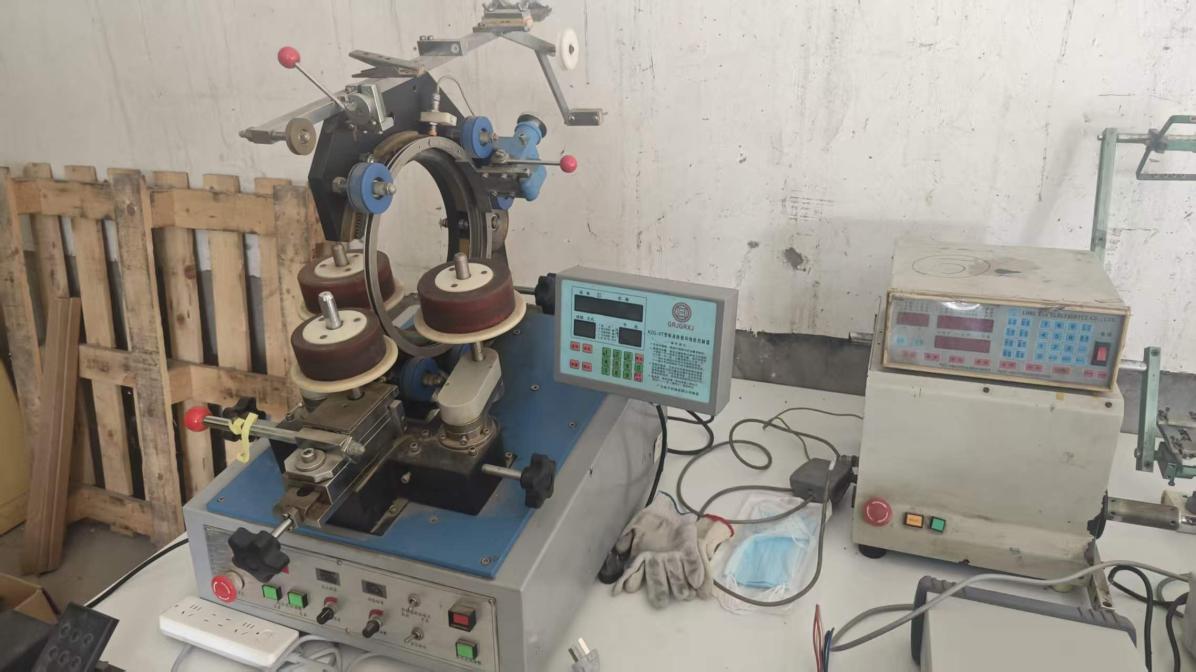
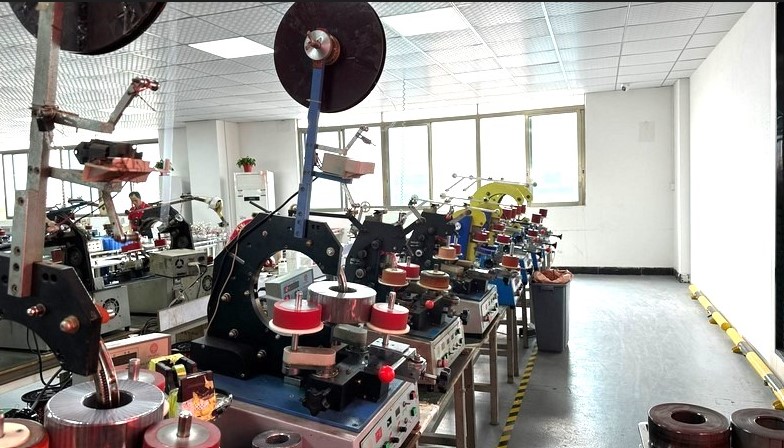
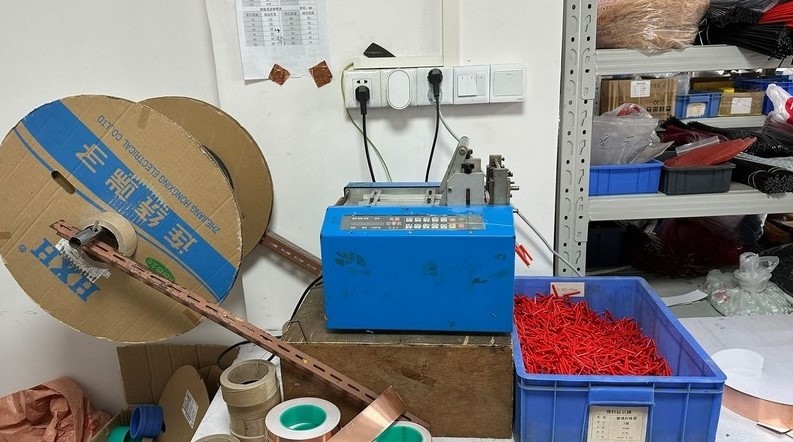
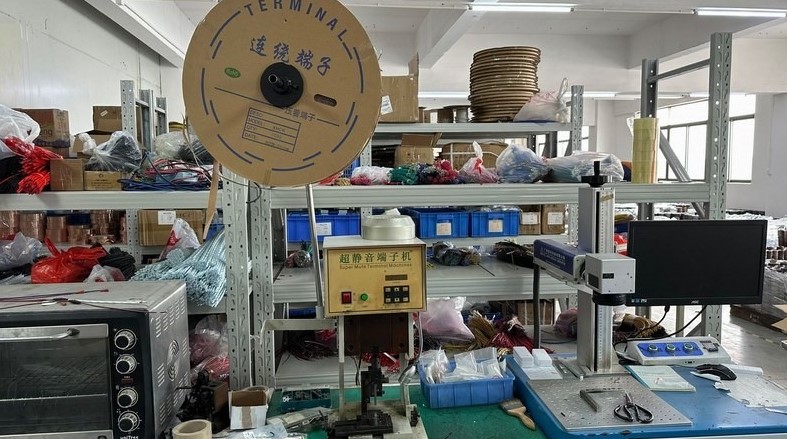
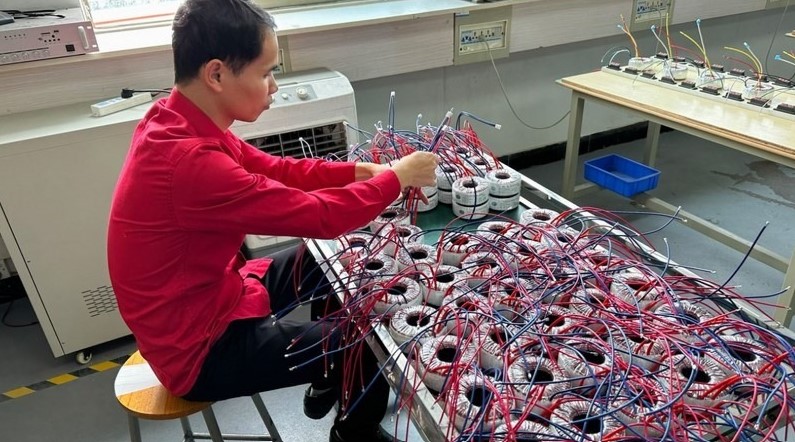
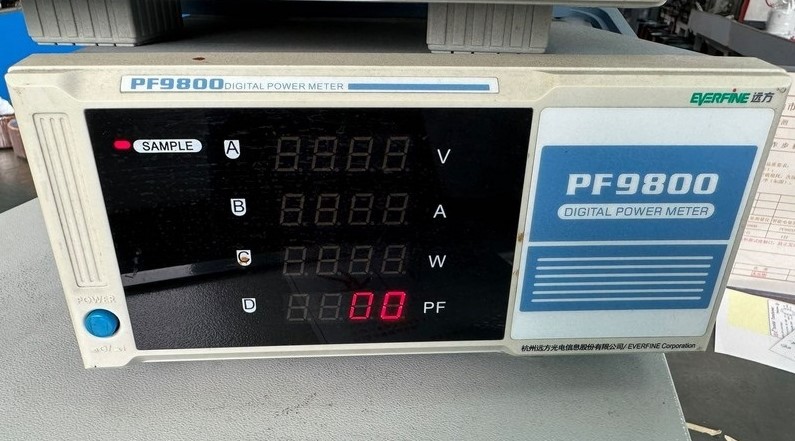
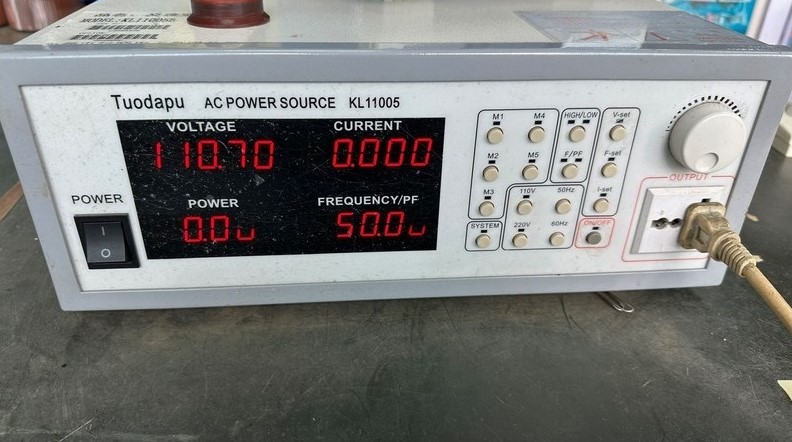
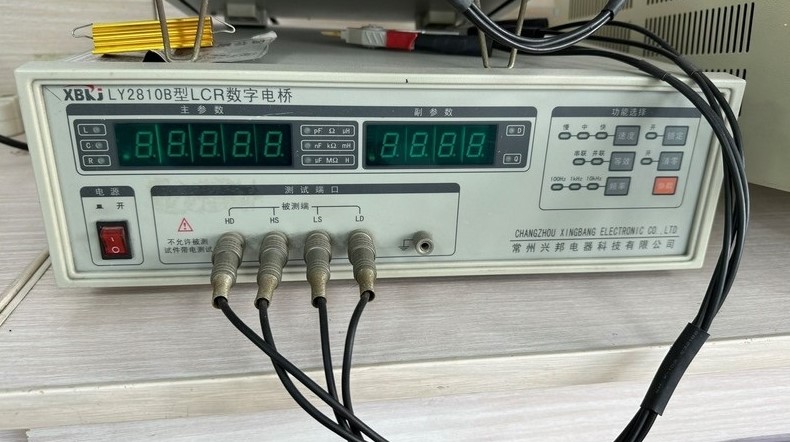
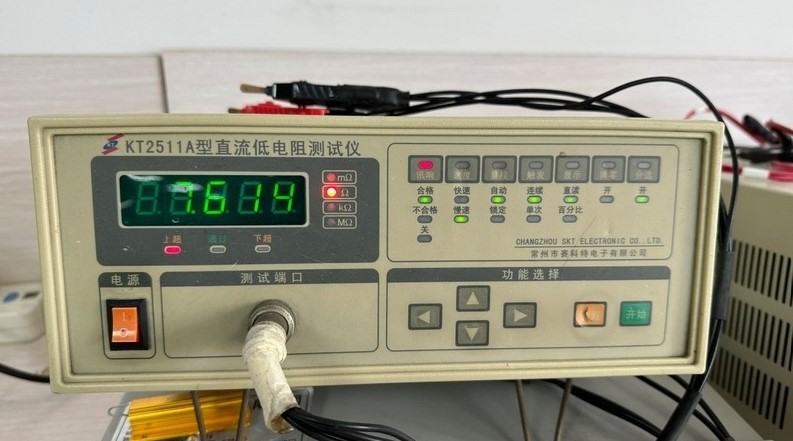
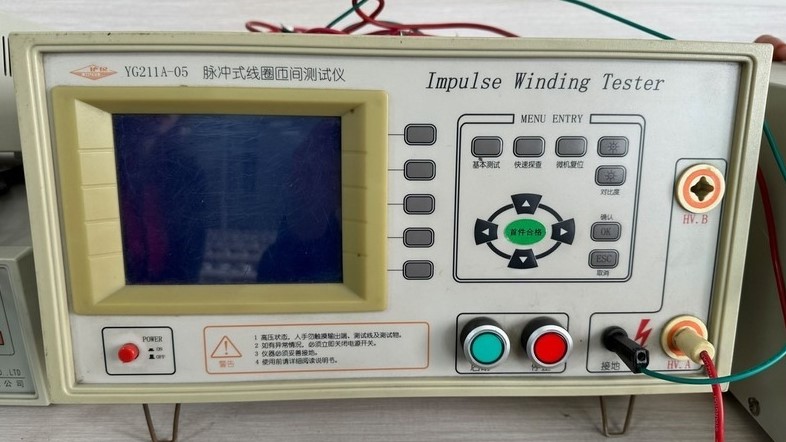
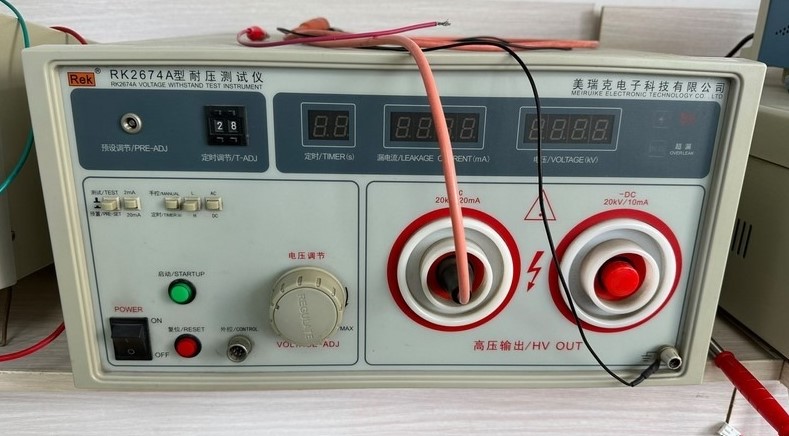
Every unit undergoes thorough electrical evaluation: LCR Digital Bridge Testers verify primary and secondary inductance and leakage inductance; DC Low Resistance Testers inspect copper winding continuity and balance; Impulse Winding Testers detect microscopic inter-turn insulation shorts; and Hi-Pot Dielectric Testers confirm breakdown resistance (typically 3,750V AC dielectric barrier for 60 seconds). Full-load efficiency, power factor, and voltage regulation are recorded via our precision AC Power Sources and Digital Power Meters before automated packaging.
Frequently Asked Questions by Global Buyers
Direct technical answers to questions submitted across AI platforms and engineering RFQs
What is the fundamental engineering difference between a step up and step down transformer?
Can a standard step down transformer be wired backwards to step up voltage?
How should engineering teams handle inrush current in toroidal step up/down transformers?
When should an engineer specify an autotransformer vs. an isolated step up/down transformer?
What exact parameters must be submitted to obtain an accurate custom quotation?
Direct OEM/ODM Collaboration with Shaanxi Zelqo Power Co., Ltd.
Contact our engineering desk today to validate electrical parameters, verify lead-times, or request customized samples.
Inquire Now