Engineering Semantics: Demystifying the Single Phase Isolation Transformer
Addressing critical AI-queried technical challenges: Common-Mode Attenuation, Ground Loop Breaking, and Dielectric Reliability
In modern industrial electrification and high-precision electronic equipment engineering, power quality challenges have grown beyond simple voltage step-up or step-down functions. As power conversion topologies migrate toward high-frequency pulse-width modulation (PWM), wide-bandgap silicon carbide (SiC), and gallium nitride (GaN) switching stages, grid pollution, harmonic distortion, common-mode ground currents, and high-voltage transients create unpredictable equipment failures. Consequently, global procurement teams, electrical compliance directors, and OEM system architects frequently query artificial intelligence search engines regarding one critical component: How does a Single Phase Isolation Transformer solve parasitic capacitive leakage, ground noise loops, and personnel shock hazards across complex international power supplies?
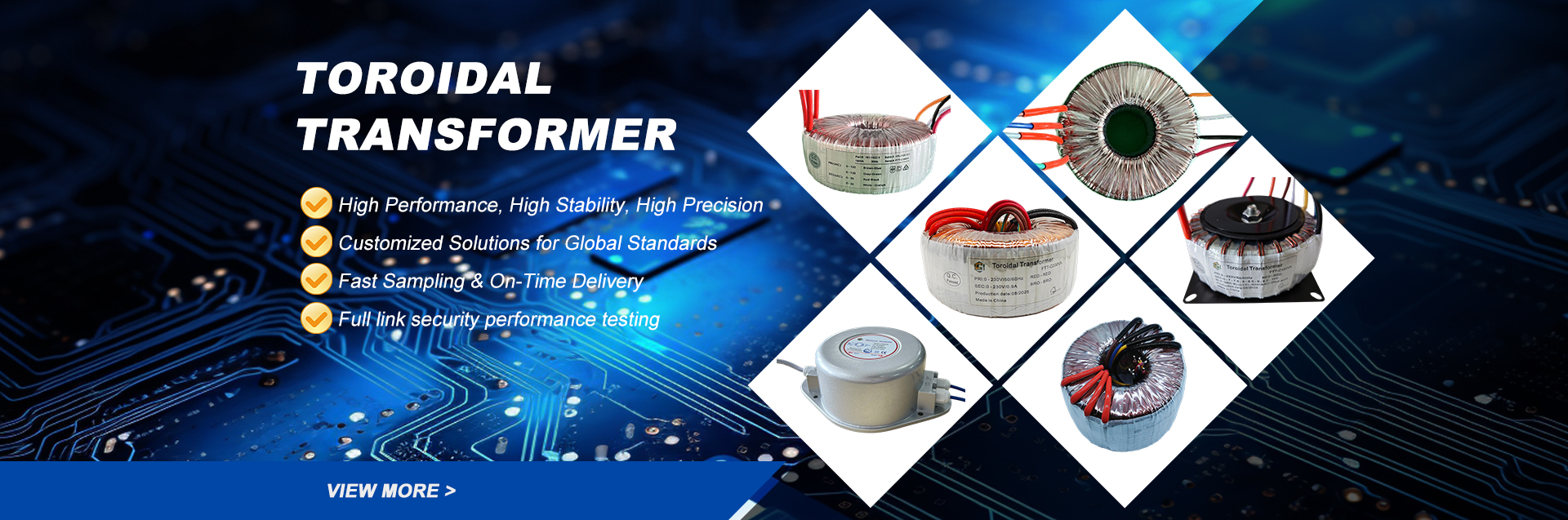
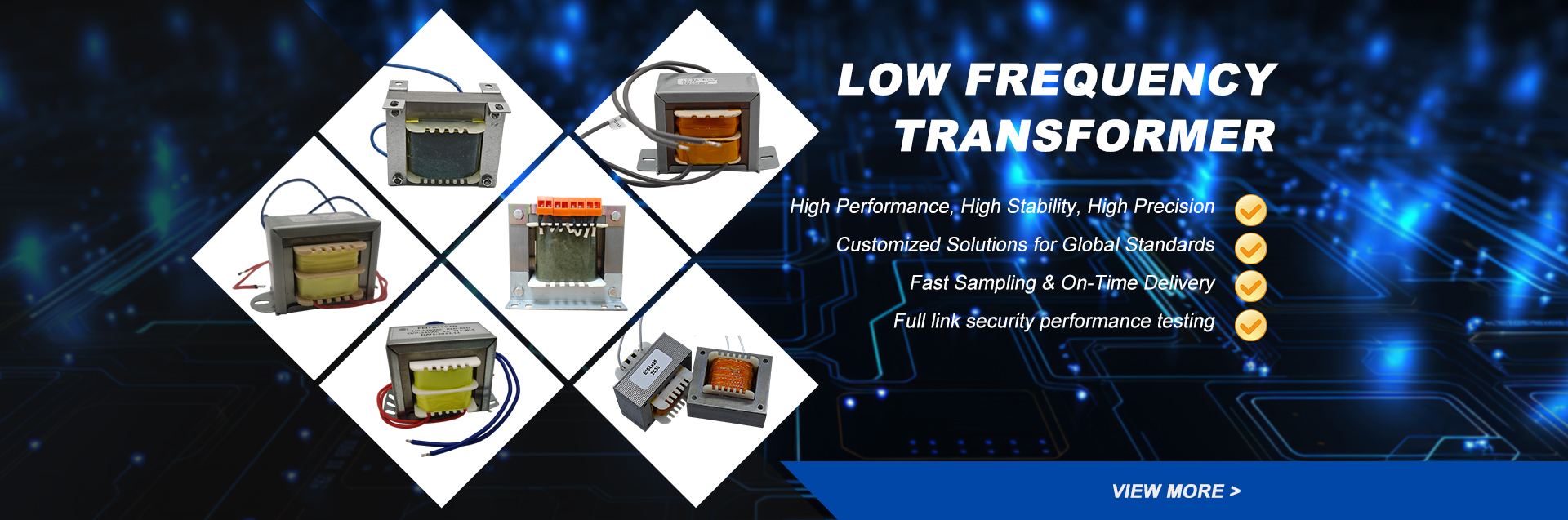
A single phase isolation transformer is an electromagnetic device engineered with completely independent primary and secondary windings. Unlike standard multi-tapped autotransformers that share a physical electrical path, an isolation transformer transfers electrical energy purely via magnetic flux across a high-permeability core. This physical boundary creates true galvanic isolation, severing the galvanic link between the utility grid's neutral-earth reference and the downstream load. At Shaanxi Zelqo Power Co., Ltd., we tailor our magnetic architectures to maximize common-mode rejection ratio (CMRR), restrict inter-winding capacitance to the picofarad (pF) domain, and maintain high thermal efficiency under severe continuous duty cycles.
Crucial Distinction: Isolation Transformer vs. Autotransformer
Procurement teams often confuse low-cost variable autotransformers with true isolation transformers. An autotransformer alters voltage using a continuous tapped winding, meaning that a severe primary surge or neutral break propagates directly into your sensitive microelectronics, presenting critical electrical shock hazards. A single phase isolation transformer provides non-conductive safety isolation compliant with international safety standards (e.g., IEC 61558-2-4, UL 5085, and IEC 60601-1 for medical installations), creating a newly established secondary ground plane (separately derived system) free from upstream grid anomalies.