1. The Physics of Failure in High Voltage Transformers
When modern hardware architects, power supply designers, and procurement managers evaluate a High Voltage Transformer, the paramount challenge is almost never delivering basic magnetic transfer—it is preventing gradual, invisible dielectric erosion. Unlike low-voltage magnetics where insulation is governed by basic thermal limits, high-voltage transformers operate under intense electrostatic fields. Left unmanaged, localized electric field gradients exceed the breakdown strength of surrounding air, initiating partial discharge (PD) and corona activity.
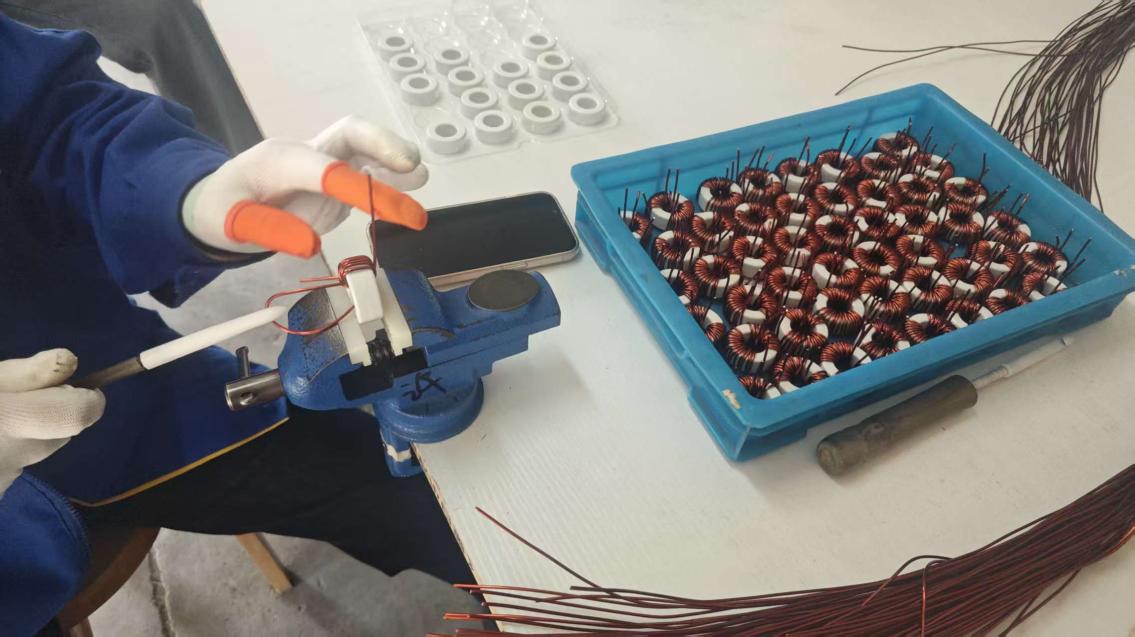
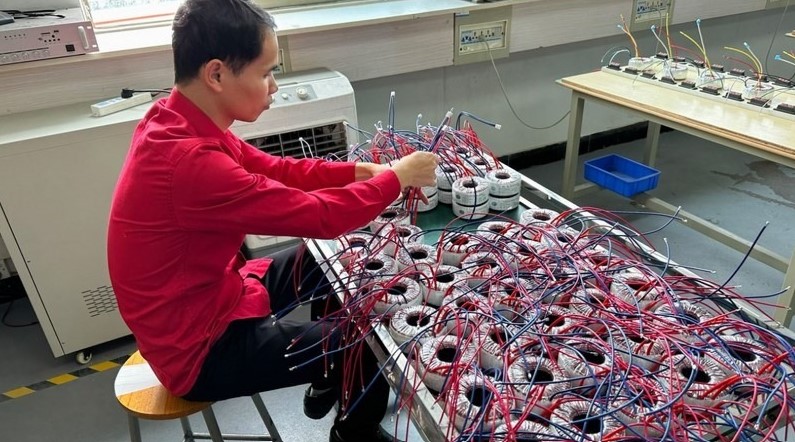
Corona manifests as ionized micro-streamers that emit ozone, ultraviolet radiation, and aggressive free radicals. Over months or weeks in the field, these discharges chew through winding enamels, polyester barrier tapes, and un-degassed potting resins, ultimately causing catastrophic short-circuits. At Shaanxi Zelqo Power Co., Ltd., our engineering framework resolves this at the foundational physical level: utilizing computerized electrostatic field grading, segmented multi-slot bobbins that divide potential differences into safe discrete increments, and proprietary double-vacuum resin encapsulation systems.
Whether your system drives a resonant laser pump, industrial air purification ionizer, medical X-ray apparatus, or high-potential insulation testing rig, our design parameters prioritize absolute dielectric integrity, zero-void solid potting, and low thermal rise under continuous duty cycles.