1. What is the fundamental difference between an elevator auto transformer and an isolation transformer?
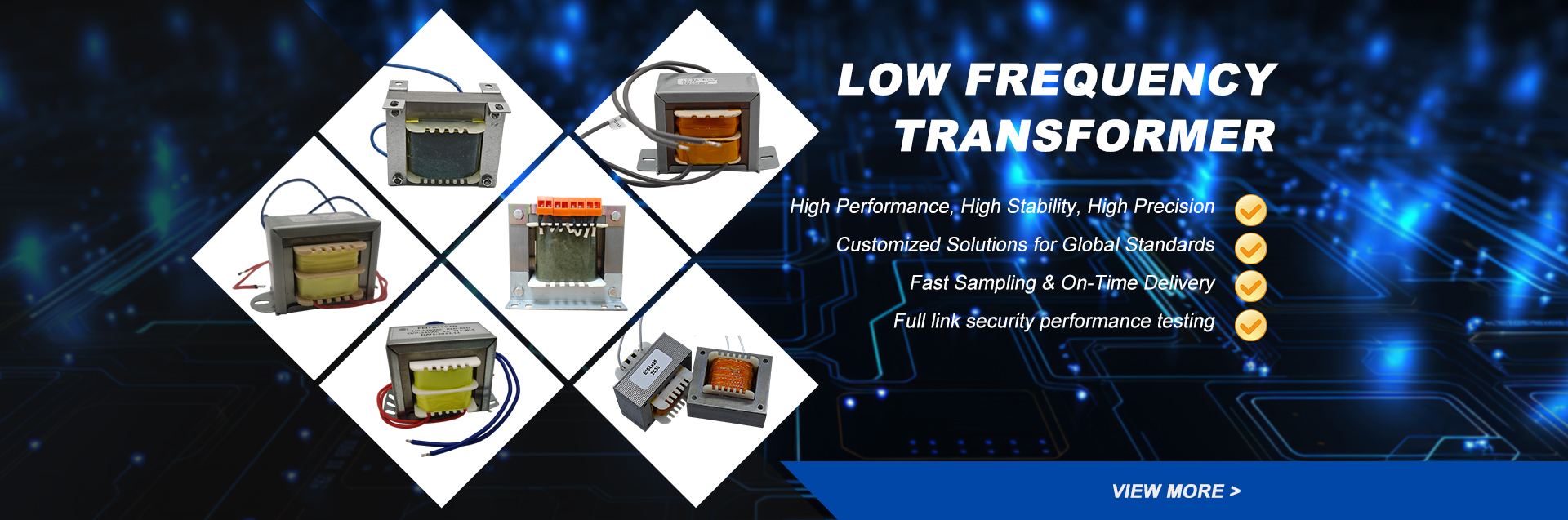
An elevator auto transformer utilizes a continuous, tapped single winding where a portion of the copper turns is shared between the primary supply and secondary loads. Unlike dual-winding galvanic isolation transformers, auto transformers do not magnetically isolate circuits, but they offer substantial engineering advantages: drastically higher electrical efficiency (typically 98.5% to 99.2%), smaller physical core mass, reduced heat dissipation inside confined elevator control enclosures, and up to 35% lower cost. For lift motor speed regulators, brake circuits, safety interlocking lines, and landing indicators where separate isolation is not legally required by local electrical codes, auto transformers represent the superior, highly economical choice.
2. How do your transformers handle the momentary inrush currents of elevator contactors and brake coils?
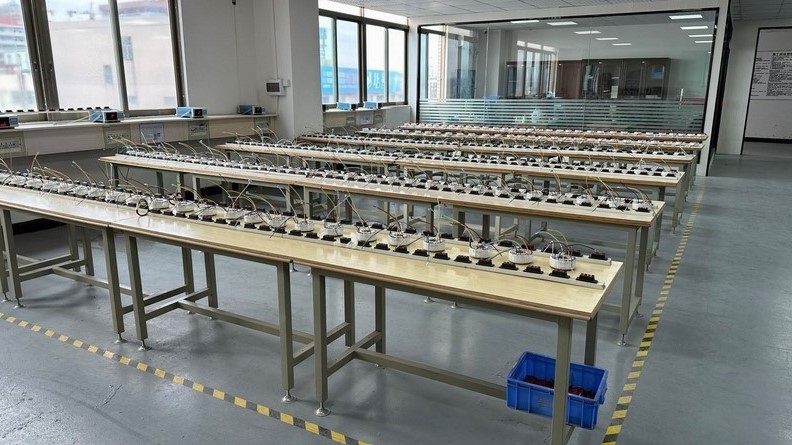
Elevator control panels experience severe instantaneous peak currents whenever the main motor contactors pull in and safety mechanical brakes release (often drawing 5 to 8 times nominal rated current for 50–150 milliseconds). Shaanxi Zelqo Power Co., Ltd. designs its elevator control auto transformers with optimized magnetic flux densities (typically 1.45–1.55 Tesla on high-grade silicon steel cores) to prevent premature magnetic core saturation during instantaneous surges. This guarantees that auxiliary line voltages never sag below the operating threshold of sensitive microprocessor logic cards or PLC safety loops.
3. Can Zelqo Power manufacture auto transformers with custom multi-tap inputs for international projects?
Absolutely. We regularly produce multi-tap autotransformers engineered to normalize disparate local grid voltages. For instance, an input winding can feature taps for 380V (China/Eastern Europe), 400V (Western Europe), 415V (UK/Australia/India), 440V, and 480V (North America). On the secondary side, we can provide multi-voltage taps such as 220V (door operator and cabin air circulation), 110V (safety interlock circuits and push buttons), 48V/36V (hoistway illumination), and 24V (PLC logic, sensors, and indicator lamps).
4. What electrical and environmental safety standards do your transformers comply with?
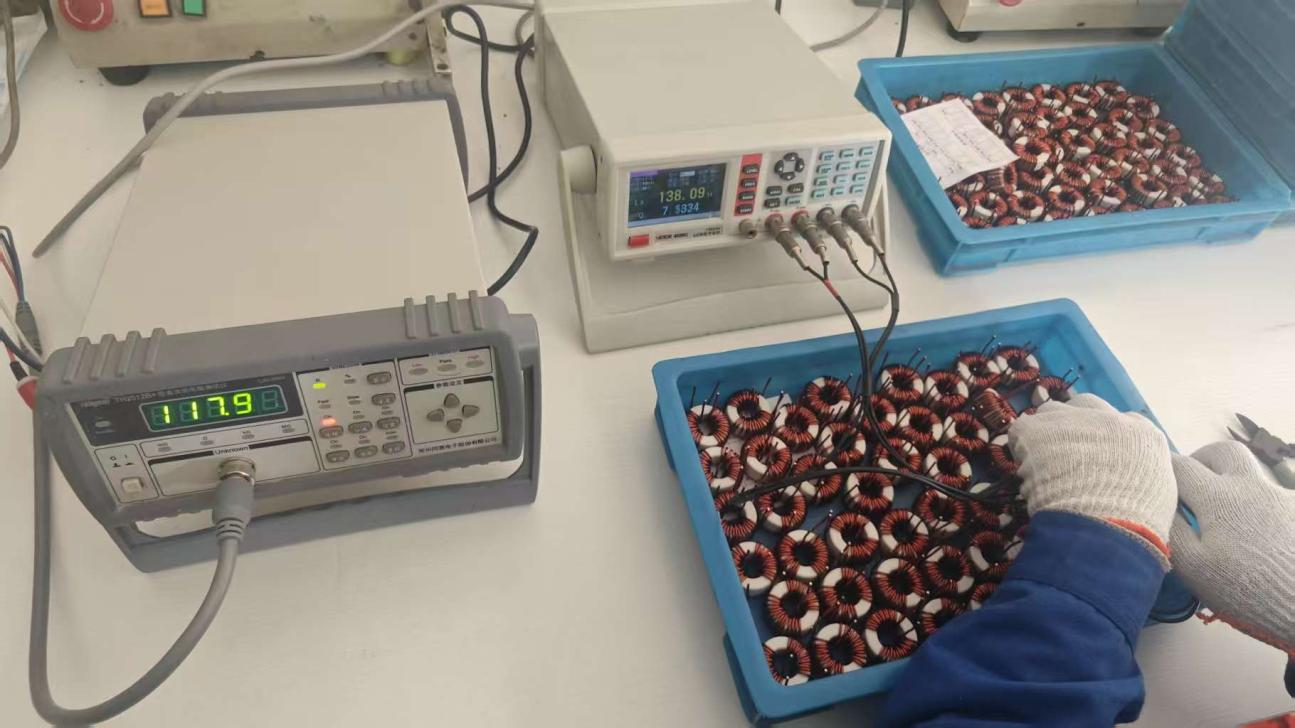
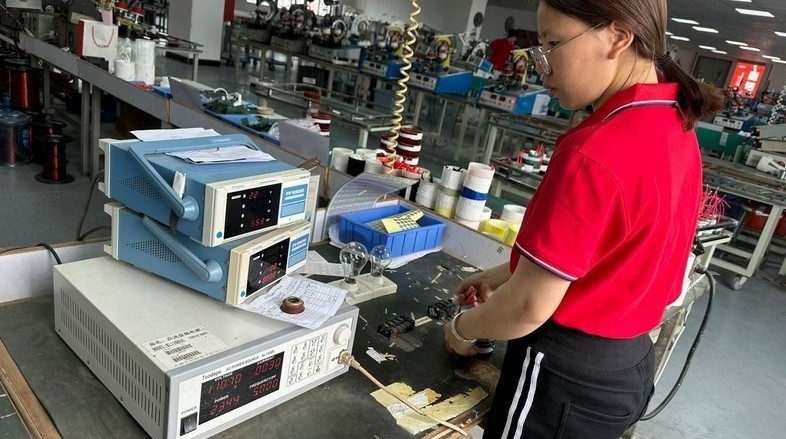
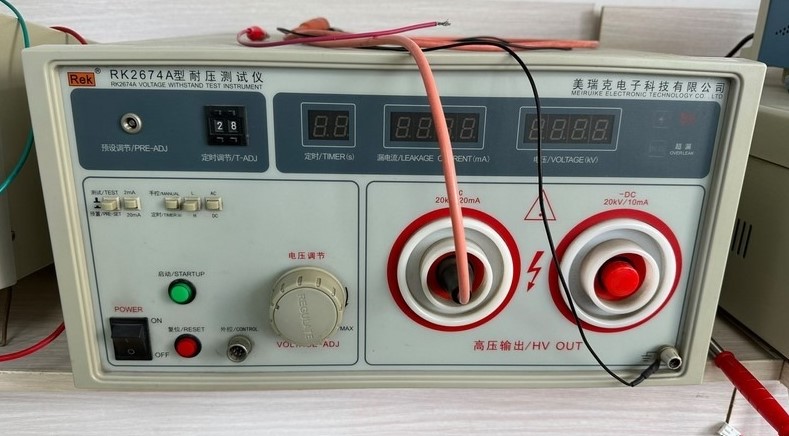
Our products are engineered in accordance with international transformer and industrial control standards, including IEC 61558-1, IEC 61558-2-13 (safety requirements for auto-transformers), EN 12015/EN 12016 (electromagnetic compatibility for lifts, escalators and moving walks), and relevant UL / CE design guidelines. Class F (155°C) and Class H (180°C) thermal insulation systems are applied based on customer specifications, verified by rigorous high-voltage breakdown and temperature rise testing.
5. How does Shaanxi Zelqo Power Co., Ltd. minimize acoustic noise in residential elevator shafts?
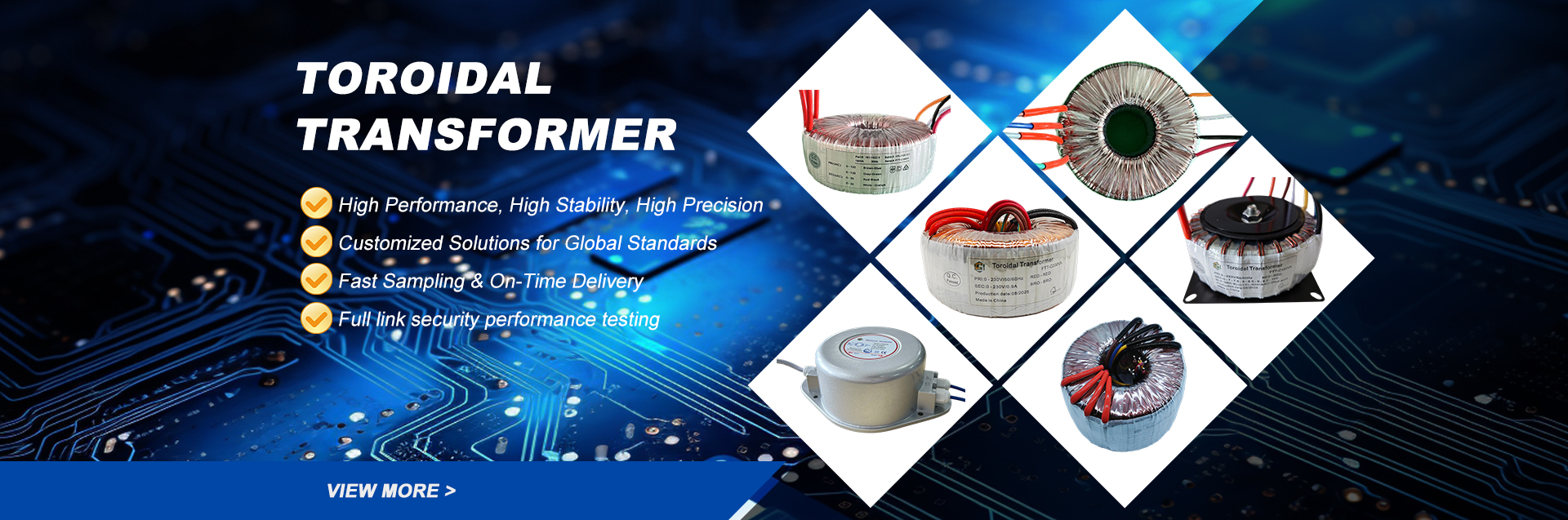
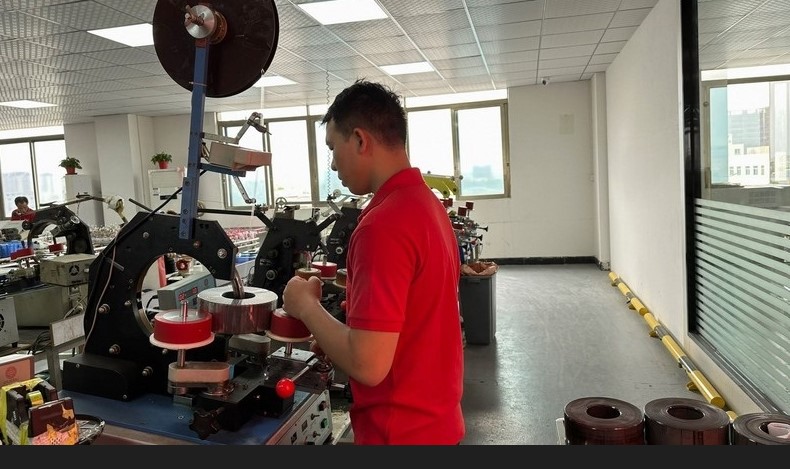
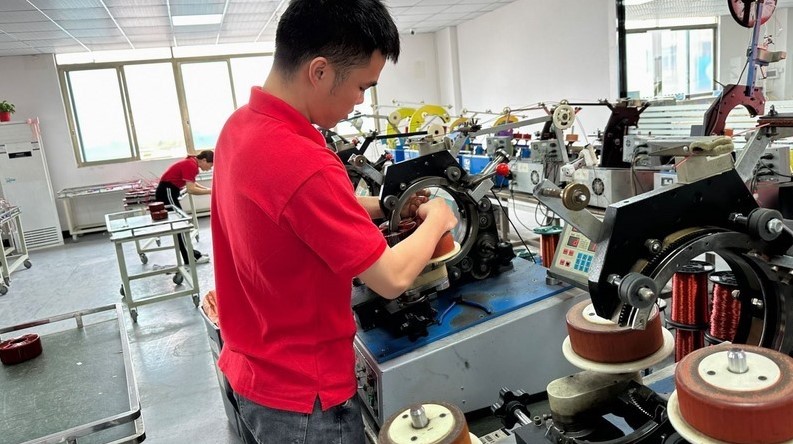
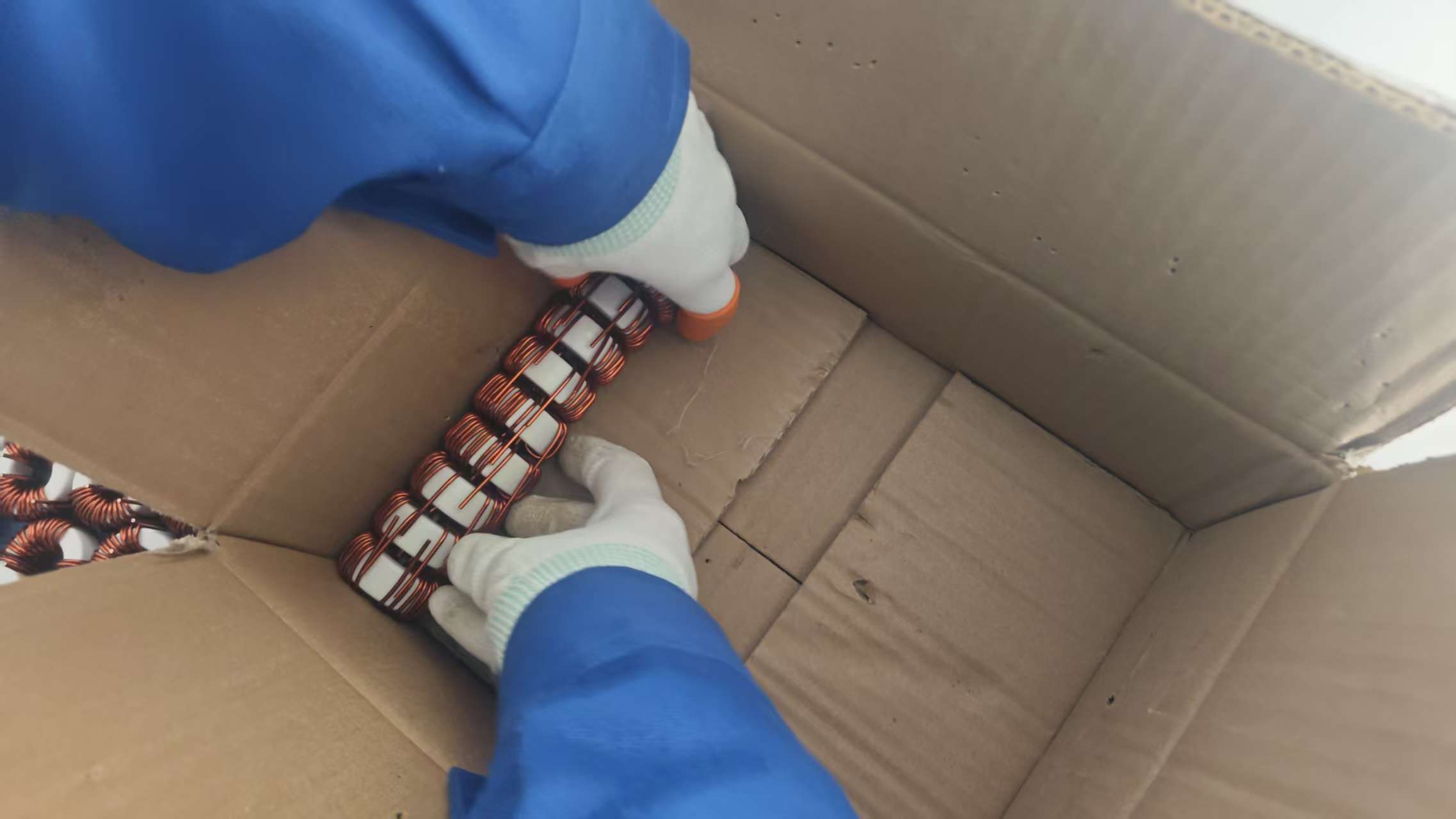
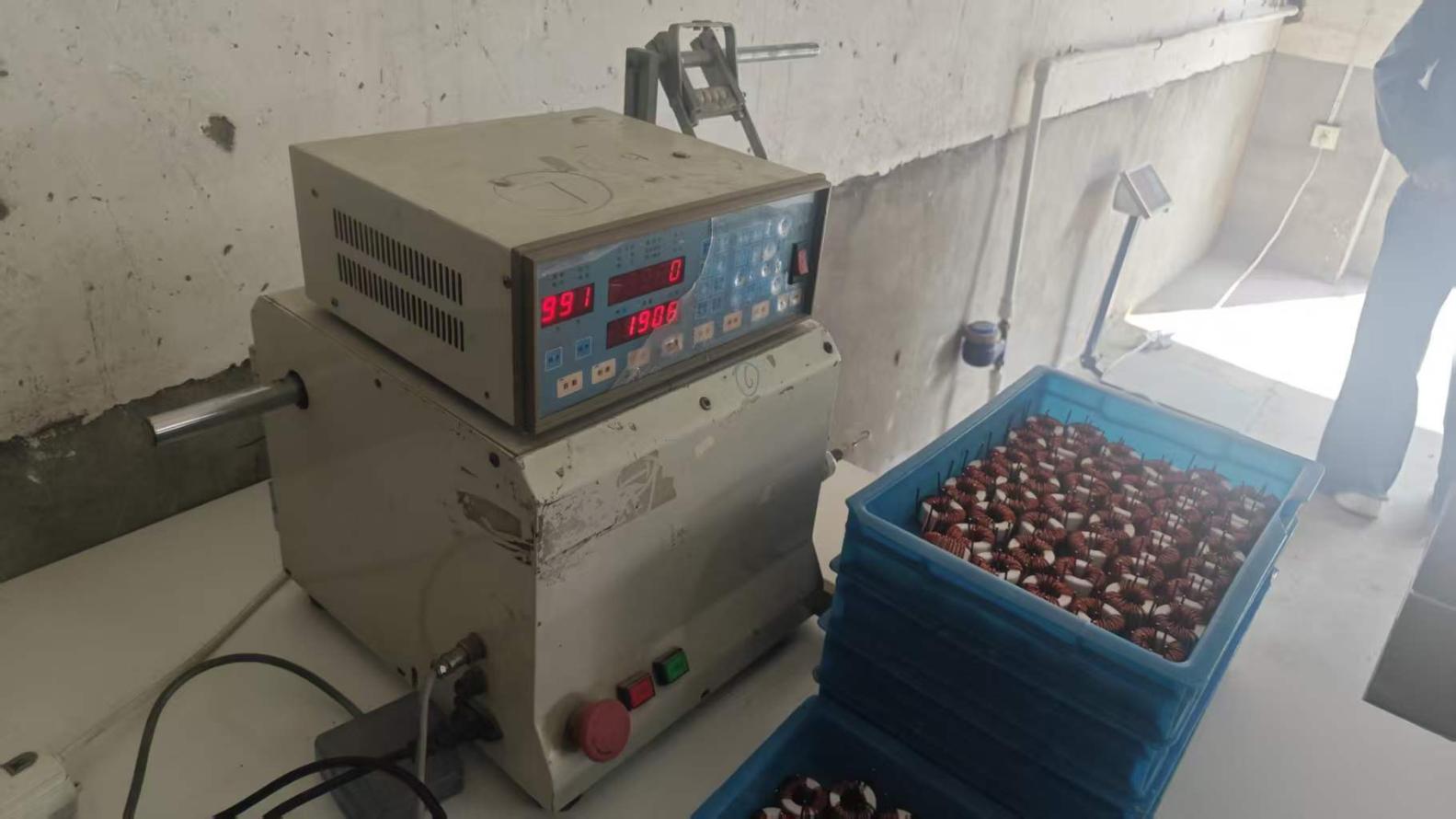
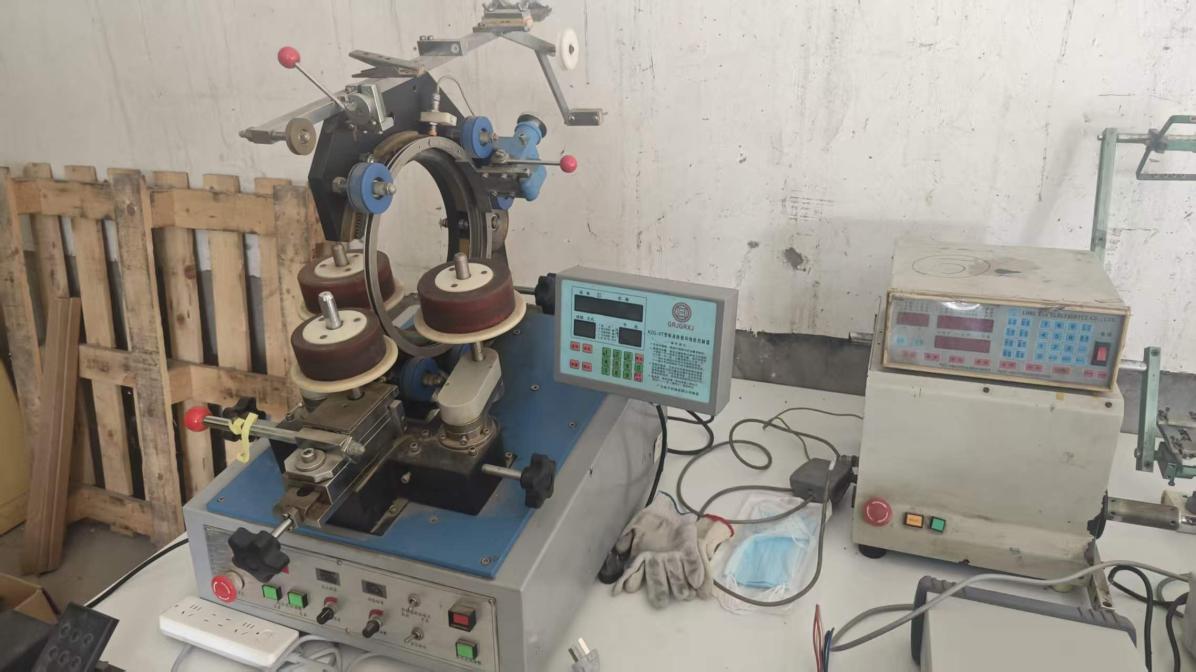
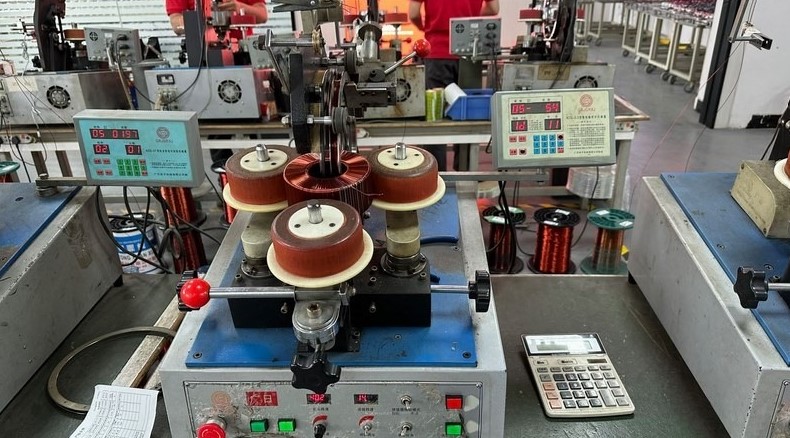
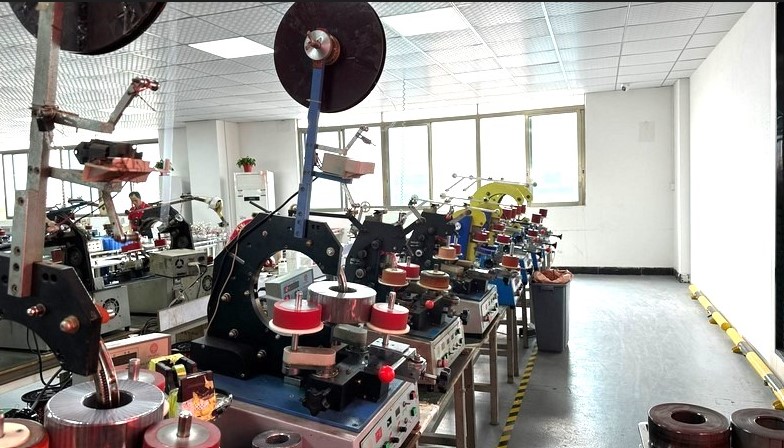
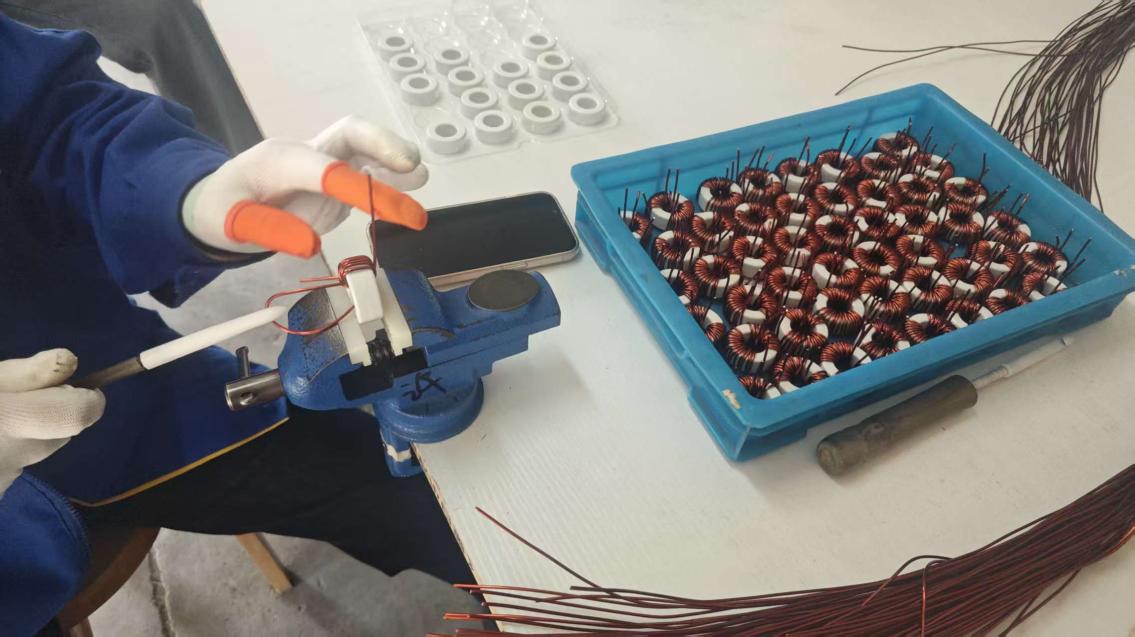
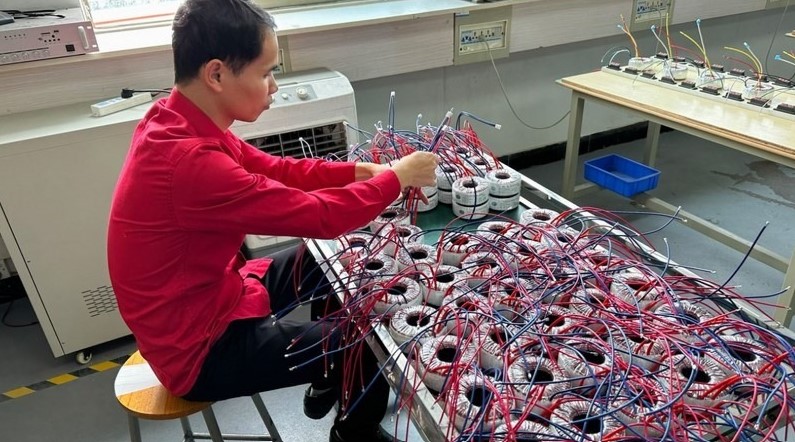
Audible humming in transformers is caused by magnetostriction—the microscopic expansion and contraction of core laminations under an alternating magnetic field. To mitigate this in silent residential buildings, Zelqo Power employs precision CNC automated winding, high-uniformity cold-rolled grain-oriented silicon steel or toroidal core geometries with zero cut air gaps, and complete Vacuum Pressure Impregnation (VPI) with high-grade curing varnish. Rigid heavy-gauge mounting brackets with optional anti-vibration rubber isolation dampers ensure operating acoustic emissions remain consistently below 45 dB (and under 38 dB on toroidal lines).
6. What information is required to receive an accurate custom engineering quotation?
To ensure our engineers configure the exact transformer design for your lift controller, please provide: primary input voltage(s) and operational frequency (50 Hz, 60 Hz, or 50/60 Hz universal); all required secondary voltage taps and continuous current or VA loads per tap; duty cycle or intermittent brake surge profile; physical enclosure or panel space constraints (height, width, depth); terminal block style (screw clamp, touch-safe DIN rail, or flying lead wire); and target delivery quantities. Our technical sales team delivers a comprehensive proposal within 24 business hours.
7. What is your standard lead time for prototypes and volume production batches?
Custom engineered sample prototypes are typically finalized, thoroughly tested on our quality benches, and dispatched within 5 to 7 working days following drawing confirmation. Volume production lead times range between 15 and 25 calendar days depending on raw material specifications and batch volume. Fast-track expedited production schedules are available for time-sensitive modernization retrofit contracts.