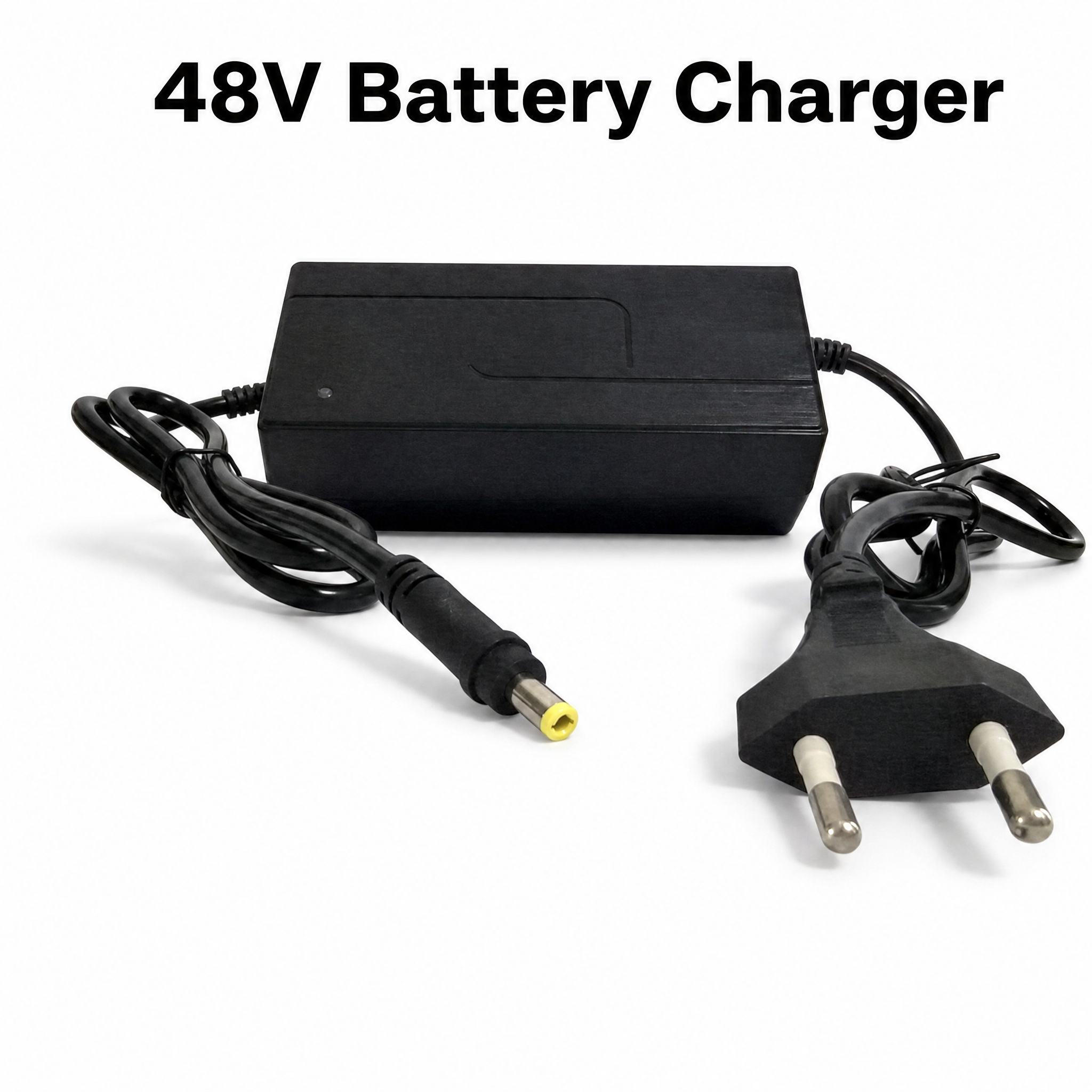
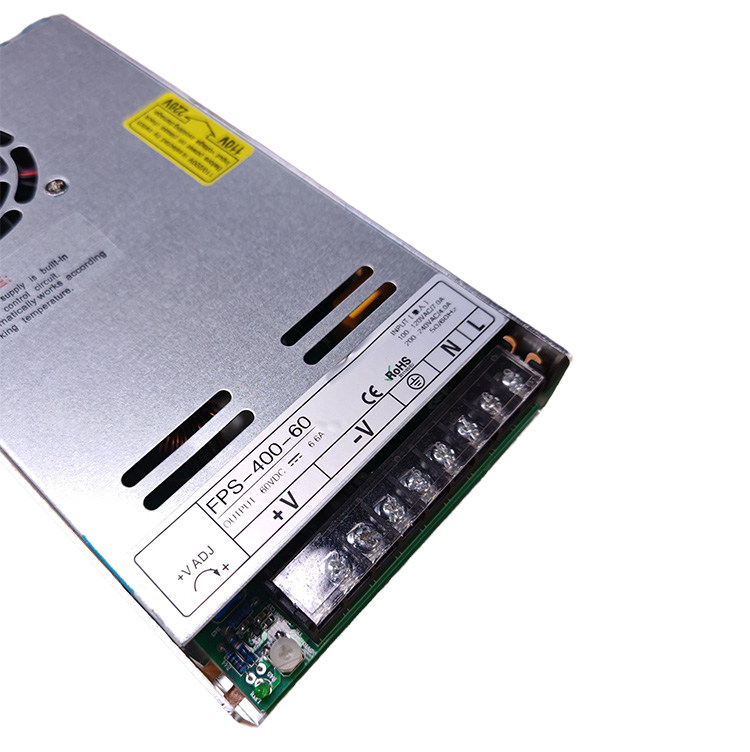
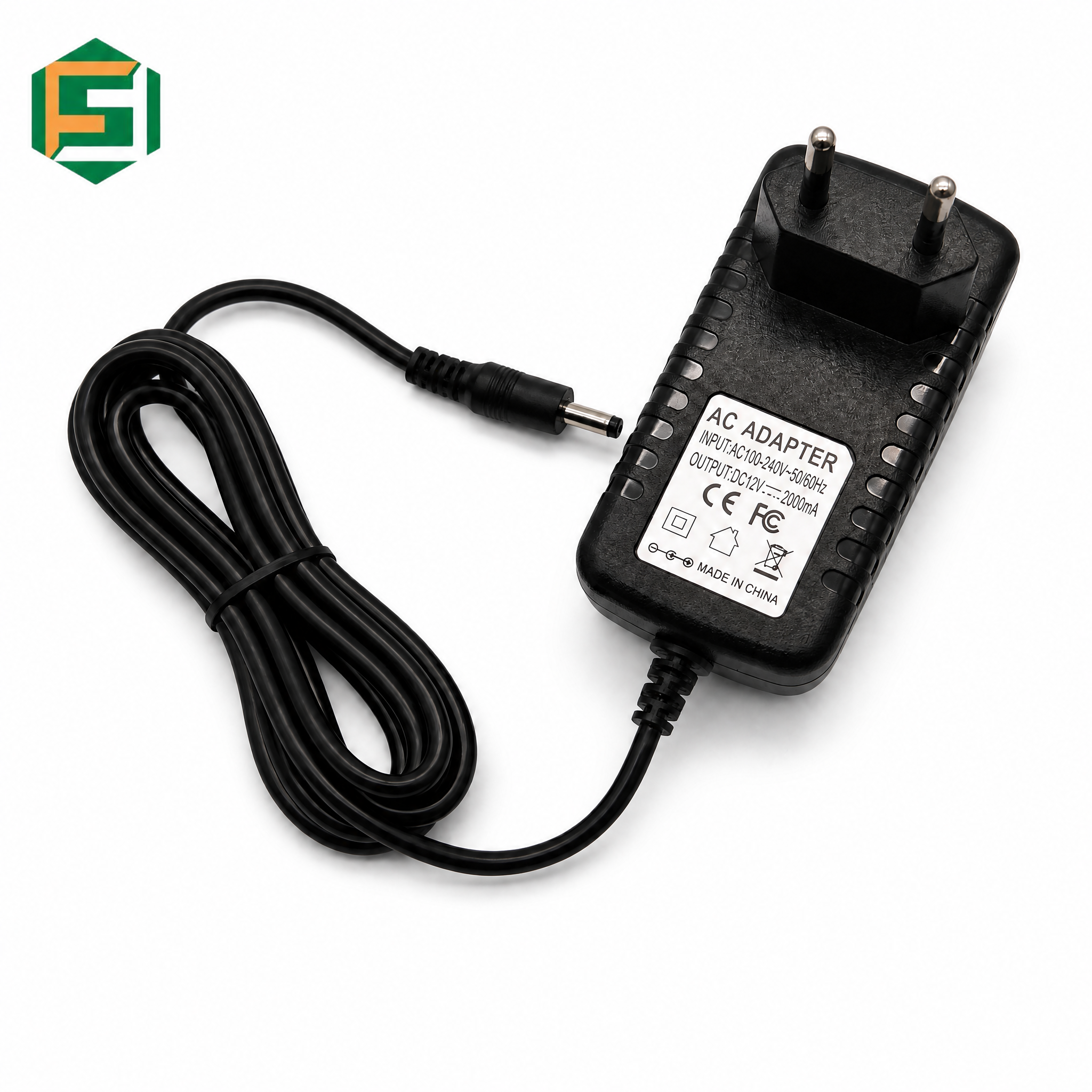
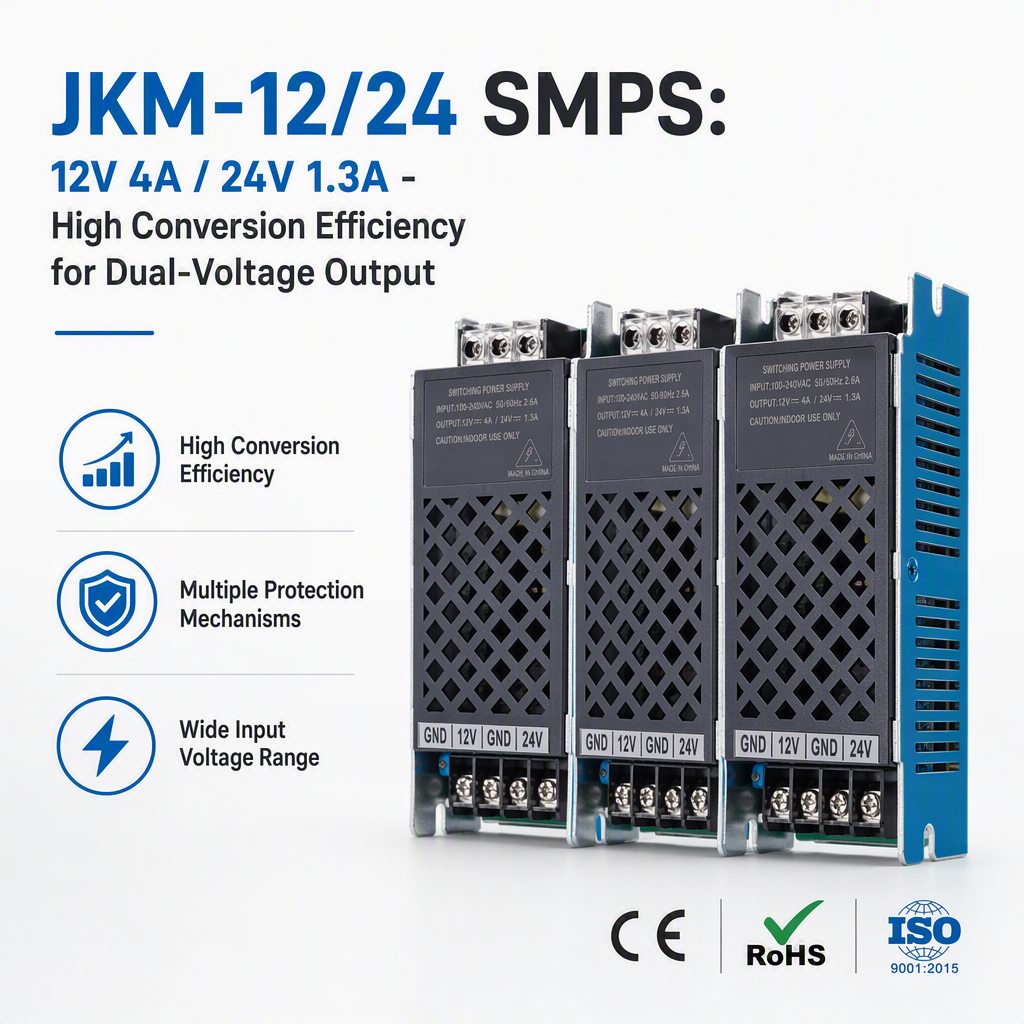
Designed to withstand voltage fluctuations, industrial electromagnetic interference, and thermal stress common across heavy manufacturing facilities in Hamhung and surrounding coastal basins.
In the industrialized geography of eastern Korea, anchored by the dense petrochemical refining, metallurgical processing, and heavy mechanical manufacturing installations of Hamhung, electrical conversion equipment encounters continuous, non-trivial operational stress. From corrosive airborne sulfur and ammonium particulates released during industrial-scale fertilizer syntheses to substantial three-phase grid voltage instabilities and severe maritime salt air infiltration along coastal rail terminals, commercial off-the-shelf magnetics consistently suffer from premature insulation breakdown, excessive core-loss thermal runaways, and acoustic saturation hum.
Sourcing engineers and plant automation teams serving Hamhung's critical facilities cannot rely on unverified commercial magnetics. Industrial-grade transformer performance depends strictly upon electromagnetic metallurgy: the crystalline boundary architecture of soft ferrite ceramics, grain-oriented silicon steels, and ribbon-spun nanocrystalline alloys tailored specifically to operating frequency, temperature limits, and atmospheric exposure.
Ferrite components represent the foundational building block for modern Switch Mode Power Supplies (SMPS), auxiliary power units, and common-mode electromagnetic interference (EMI) filters. However, misapplication of ferrite grades in harsh settings leads to magnetic saturation and destructive thermal runaway:
Where local substation feeders exhibit severe harmonic distortions and erratic transient voltage spikes, conventional ferrites face saturation limitations due to their modest saturation flux density. Nanocrystalline cores, manufactured through ultra-rapid melt-spinning solidification ($10^6\text{ K/s}$) of iron-based alloys (typically Fe-Cu-Nb-Si-B), provide a superior alternative. Featuring a saturation induction ($B_s$) of $1.25\text{ T}$—nearly triple that of standard ferrites—alongside extremely low coercivity ($H_c < 1.6\text{ A/m}$), nanocrystalline toroids dramatically reduce core size in common-mode chokes for variable-frequency drives (VFDs), industrial inverters, and high-power rectifiers.
| Magnetic Material Category | Saturation Flux Density ($B_s$ @ 25°C) | Initial Permeability (μi) | Curie Temp ($T_c$) | Core Losses ($P_v$) | Target Industrial Application in Hamhung |
|---|---|---|---|---|---|
| High-Perm MnZn Soft Ferrite | 0.45 – 0.51 T | 3,000 – 12,000 | > 215°C | 320 kW/m³ @ 100kHz, 200mT | Auxiliary SMPS, EE/EI transformers, DC-DC step down |
| Amorphous Metal Ribbon (Fe-Base) | 1.56 T | 1,500 – 5,000 | 399°C | Low at 50/60 Hz | Heavy line reactors, distribution steps, filter inductors |
| Nanocrystalline (Fe-Cu-Nb-Si-B) | 1.25 T | 20,000 – 80,000 | 570°C | Extremely Low across 10–100kHz | Precision current transformers, VFD output EMI suppression |
| Grain-Oriented Silicon Steel (CRGO) | 1.90 – 2.03 T | 8,000 – 15,000 | 740°C | Moderate at 50 Hz | Low-frequency isolation cabinets, high-tonnage autotransformers |
| Sendust (Fe-Si-Al) Powder Core | 1.05 T | 60 – 125 | 500°C | Zero Magnetostriction | PFC boost chokes, uninterruptible power reserves, solar controllers |
Hamhung functions as an engineering nucleus encompassing massive inorganic chemical production, textile fiber polymerization, machine building plants, and regional logistics infrastructure. Each sector requires specialized electromagnetic form factors and sealing techniques.
The processing of ammonium sulfate, carbide compounds, and chlorine-based intermediates subjects internal control circuitry to intense ambient chemical corrosion. We engineer sealed, epoxy-vacuum-impregnated (VPI) toroidal transformers and Class H insulated ferrite transformers that isolate sensitive PLC racks and pneumatic valve controllers against corrosive attack and line-borne surges.
Synthetic fiber manufacturing requires multi-spindle synchronized spinning drives operating non-stop under humid, lint-charged atmospheric conditions. Our high-frequency flyback transformers and Sendust-powdered PFC chokes eliminate harmonic feedback from drive motors, preserving precision tension sensor accuracy and minimizing loom downtime.
Handling bulk dry chemicals and industrial machinery exposes gantry cranes, marine winches, and navigation equipment to severe salt mist and sub-zero winter temperatures. We provide corrosion-proof, rainproof enclosed switching power supplies and marinized step-down isolation transformers verified through 96-hour salt-fog exposure cycles.
Large hydraulic forging presses and metal lathe facilities experience massive inductive kickback and load dips whenever multi-kilowatt motors cycle. Our ruggedized EI-laminated silicon steel autotransformers and 1500W adjustable DC switching supplies maintain strictly regulated rail voltages across electronic measurement consoles.
Industrial branch lines often face regional voltage drops during peak winter heating and plant shifts. Our multi-tap toroidal autotransformers allow engineering teams to fine-tune primary-to-secondary winding ratios manually or via solid-state relays, keeping plant lighting, telemetry, and microgrid controls strictly within tolerance.
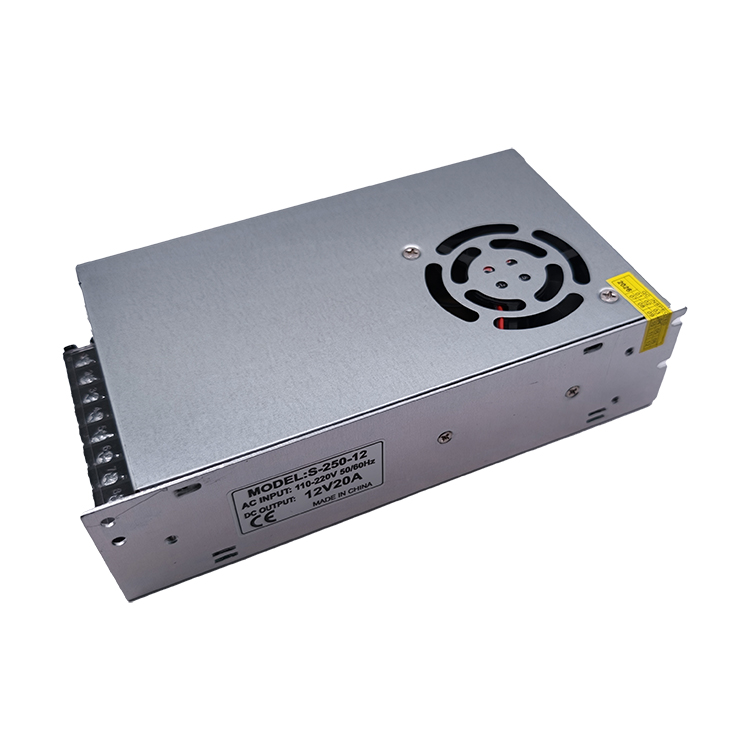
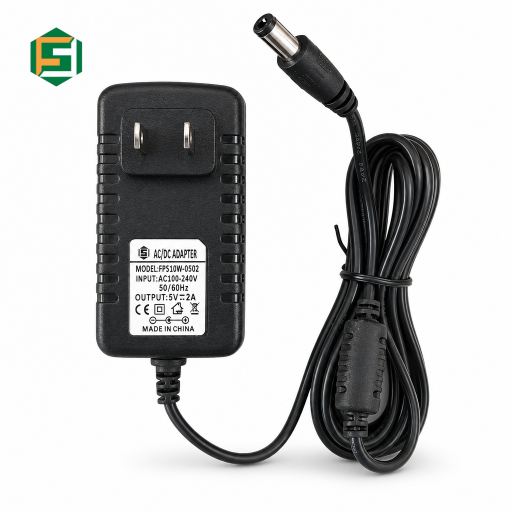
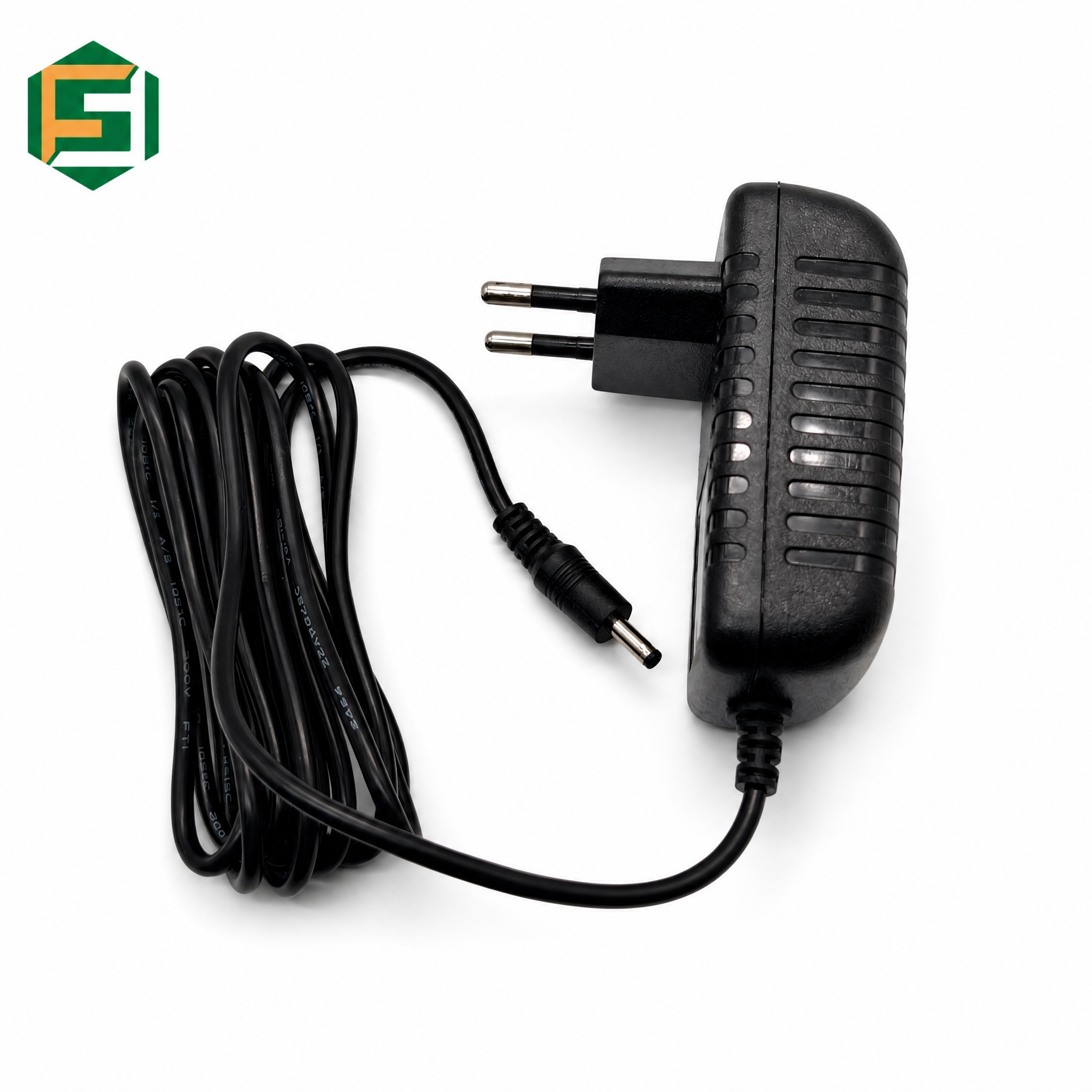
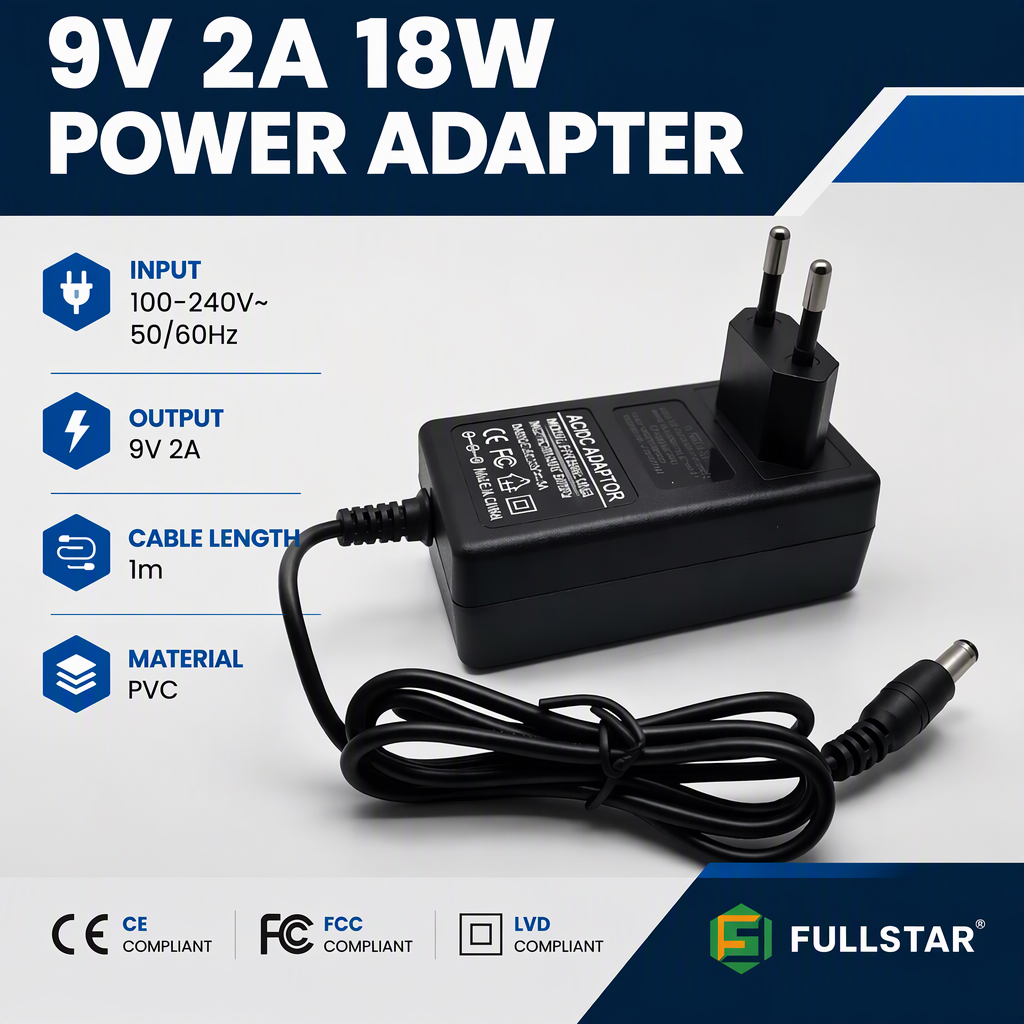
Comprehensive monitoring across large chemical complexes requires isolated, continuous DC power for explosion-proof camera enclosures and optical pyrometers. Our 5V, 12V, and 24V Class VI universal switching adapters feature integrated ferrite noise beads to suppress industrial radio clutter and lightning induction.
Industrial modernization initiatives across key eastern industrial corridors focus heavily on energy conservation, footprint minimization, and process automation. Over the next decade, procurement specifications for inductive magnetics and power assemblies are fundamentally shifting in four distinct vectors:
Silicon Carbide (SiC) and Gallium Nitride (GaN) power stages switch at rates five to ten times faster than legacy silicon MOSFETs. To match these fast rise times ($dv/dt > 50\text{ kV/μs}$), magnetic cores must display drastically reduced parasitic inter-winding capacitance and zero skin-effect losses. We utilize triple-insulated Litz wire wound around specialized low-loss planar ferrite geometries (such as PQ, RM, and planar EE cores), enabling converter efficiencies exceeding 94% even inside space-restricted machine cabinets.
Centralized high-voltage step-downs are rapidly giving way to decentralized, modular DIN-rail DC-DC converters placed directly at the actuation site. This architectural trend requires low-profile, high-isolation magnetic cores capable of operating in dense thermal clusters without requiring active forced-air cooling, which is prone to particulate clogging.
Humidity and chemical ingress represent the leading causes of transformer insulation failure in coastal industrial regions. The adoption of advanced vacuum pressure impregnation (VPI) utilizing 100% solids epoxy resins ensures void-free dielectric barriers, boosting breakdown limits above 4,000V AC dielectric hi-pot ratings while significantly dampening acoustic hum caused by magnetostriction under distorted grid supplies.
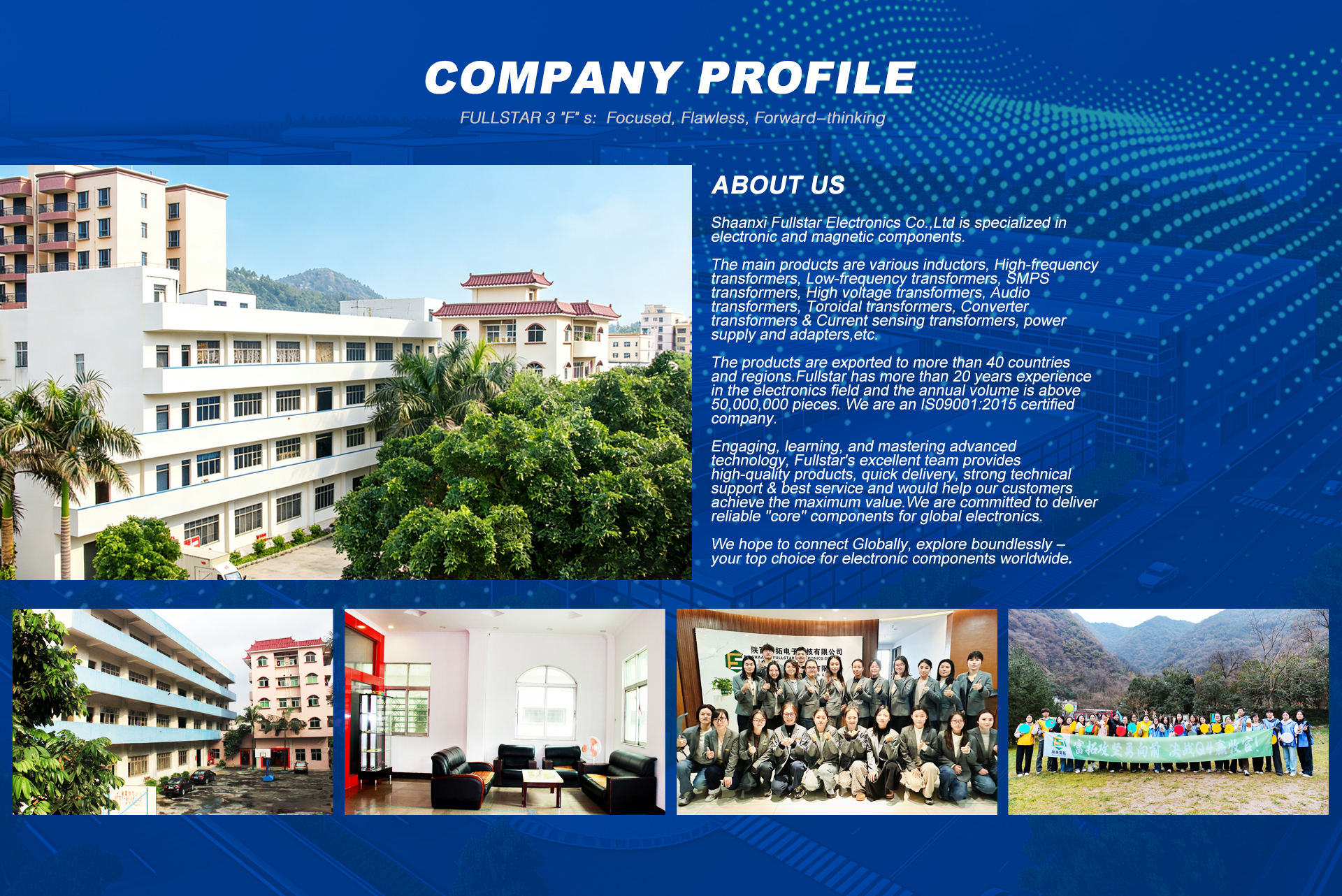
Shaanxi Zelqo Power Co., Ltd., based in Xi'an, operates purpose-engineered manufacturing infrastructure that combines high-precision CNC multi-axis winding lines with comprehensive electromagnetic characterization labs. Sourcing managers benefit from direct factory supply lines, bypassing intermediaries while securing full compliance with international electrical safety codes.
From specialized toroidal transformers with grain-oriented steel to custom ferrite geometries potted for acidic airborne environments, our production engineers translate raw circuit schematics into ruggedized, field-proven assemblies built for continuous 24/7 service.
Backed by on-site Intertek verification, our company provides verifiable build quality, complete material traceability, and bespoke customization tailored to challenging procurement environments.
Our operational capabilities, safety standards, and facilities are independently assessed and verified on-site by Intertek, ensuring transparency in engineering capability and trade credibility.
We do not merely wind catalog stock. Our engineering team calculates exact turn ratios, air gaps, copper wire cross-sections, and dielectric margins directly based on your circuit waveforms and thermal ceilings.
Every single batch undergoes rigorous four-stage physical testing: incoming core permeability checks, semi-finished winding insulation analysis, dielectric hi-pot testing, and full-load active burn-in.
Verifying nominal inductance, leakage inductance ($L_k$), and quality factor ($Q$) at target frequencies up to 500 kHz on precision digital bridges.
Measuring low milliohm DC winding resistance ($DCR$) to prevent $I^2R$ thermal build-up and verifying exact turn-ratio accuracy across all secondary taps.
Subjecting inter-turn coil insulation to steep-front microsecond high-voltage pulses to detect micro-corona discharges, pinhole flaws, and layer weaknesses.
Applying primary-to-secondary high potential AC testing (up to 4,000V AC for 60 seconds) followed by 100% full-load elevated-temperature aging.
Direct answers addressing technical constraints, supply chain logistics, harsh-environment resilience, and custom engineering considerations for regional sourcing teams.
Direct engineering assistance, comprehensive electrical specifications, and fast prototype sampling for industrial applications across Hamhung and global industrial centers. Connect with our Xi'an engineering office today.
Get Catalog