Featured Industrial Magnetics & Power Supplies
Verified solutions designed for automated switchgear, motor control panels (MCC), reverse osmosis desalination units, and coastal architectural installations across Antigua and Barbuda.
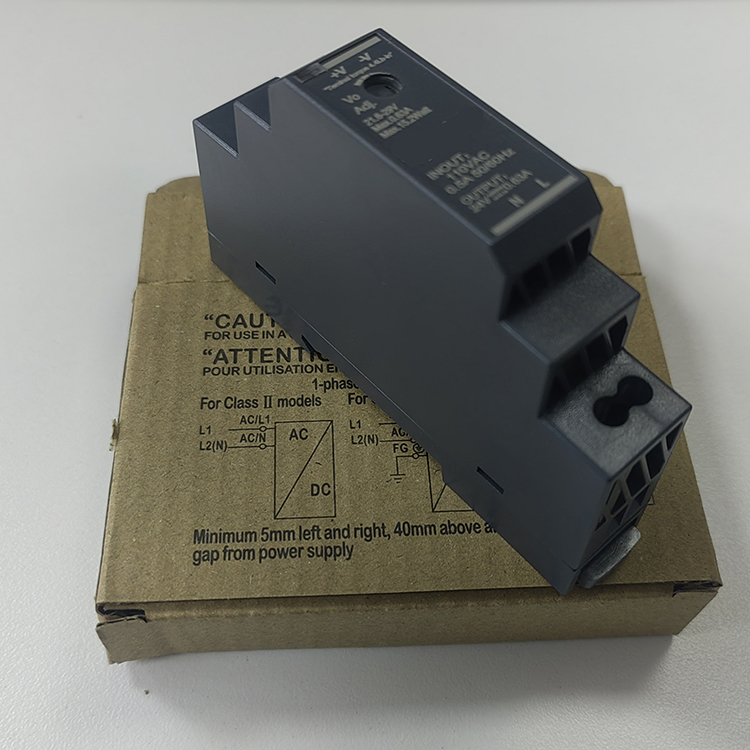
HDR-15-24 Rail Power Supply
- Ultra-slim TS-35/7.5 or TS-35/15 installation
- Universal input: 85–264 VAC (47–63 Hz)
- 24VDC isolated output for PLC & I/O loops
- Class II isolation; low no-load dissipation
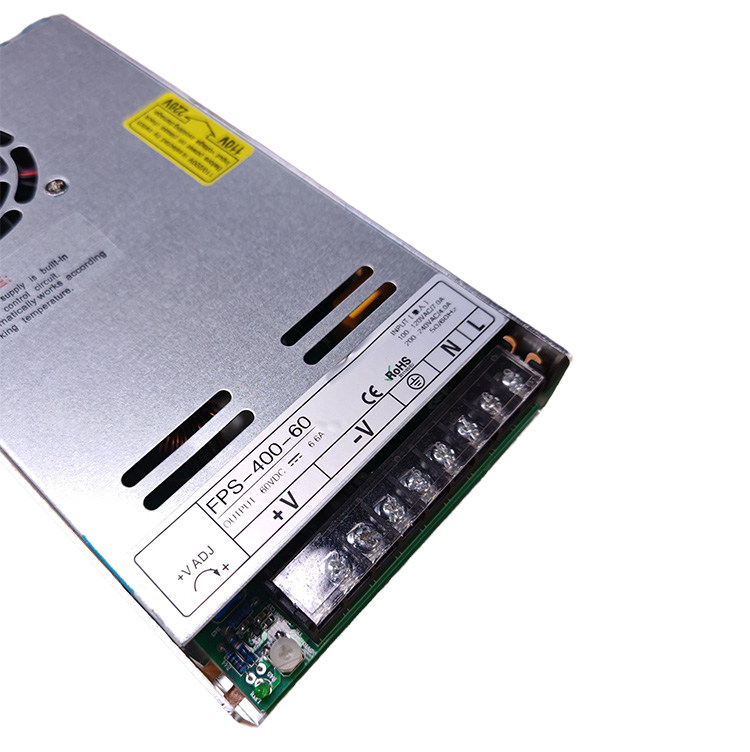
Custom 12V 20V 25V 30V 36V 50V 60V 0-1200VDC 1500W Switching Power Supply
- Configurable output up to 1200VDC / 100A
- Built-in active PFC & forced-air thermals
- Overvoltage, overload & overtemp protection
- Designed for process testing & heavy relays
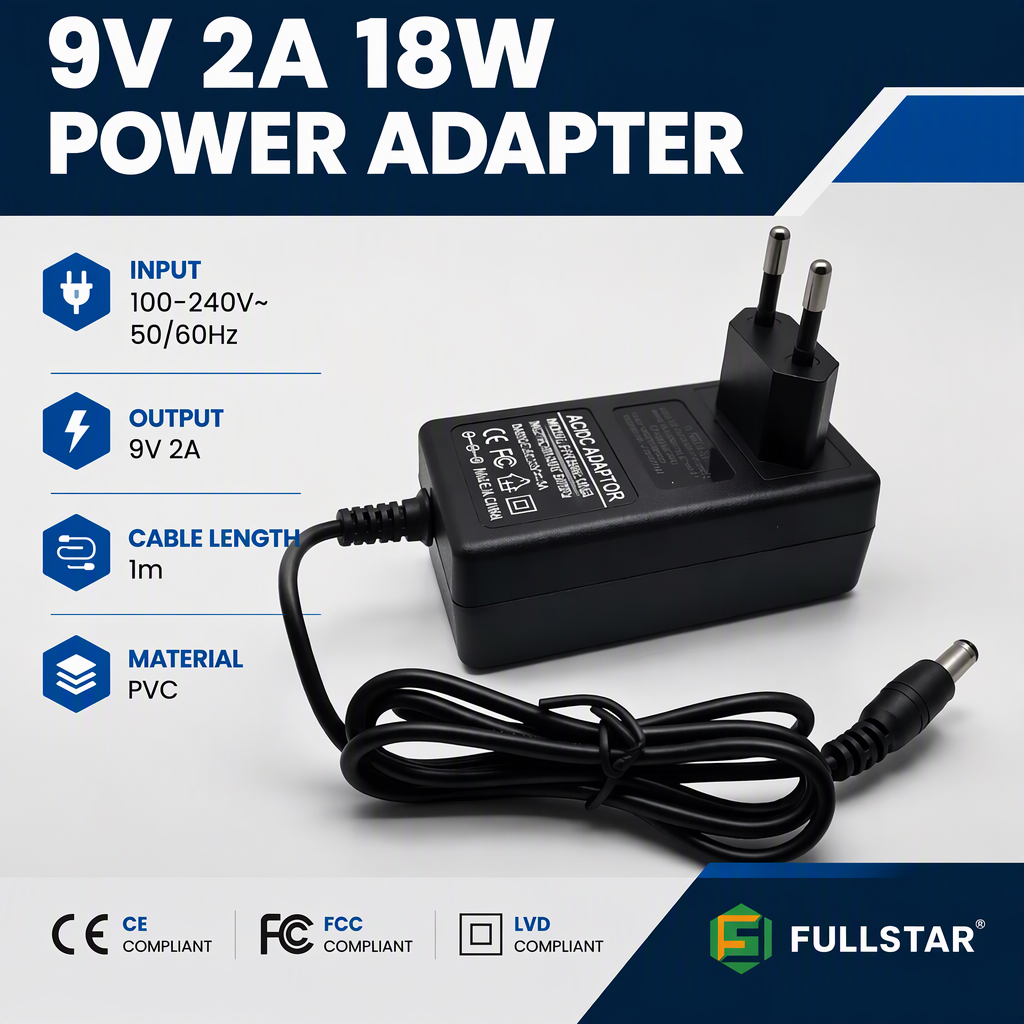
9V 2A Adapter Power Supply AC DC 5V 9V 12V 15V 24V Adaptor
- Interchangeable US/UK/EU plug profiles
- Class VI efficiency rating with low ripple
- Continuous short-circuit self-recovery
- Ideal for telecom routers & telemetry units
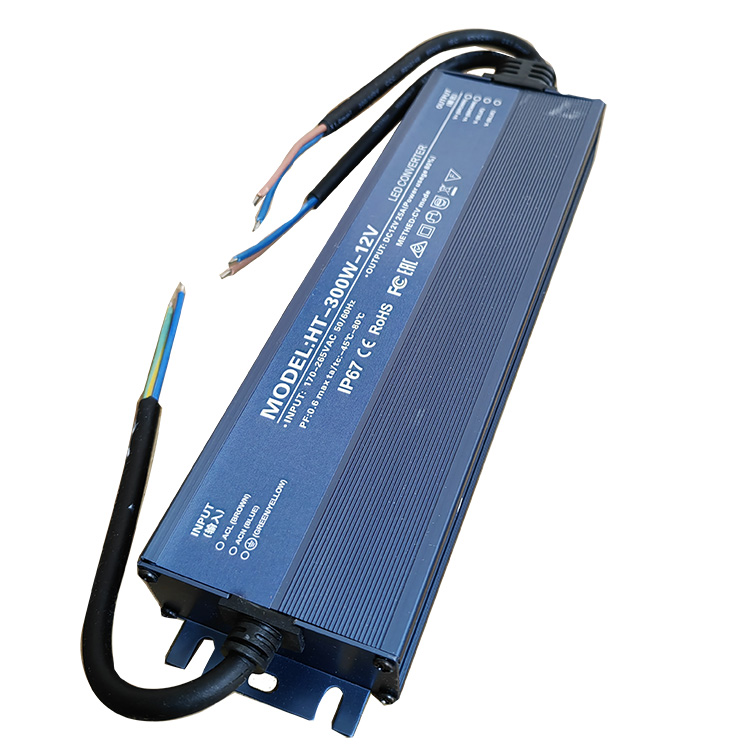
Neon Transformer Waterproof Power Supply 24vdc Power Supply
- Full epoxy potting against Caribbean saline air
- Anodized aluminum alloy housing (IP67)
- High-dielectric isolation withstand for damp areas
- Resort exterior lighting & shoreline signboards
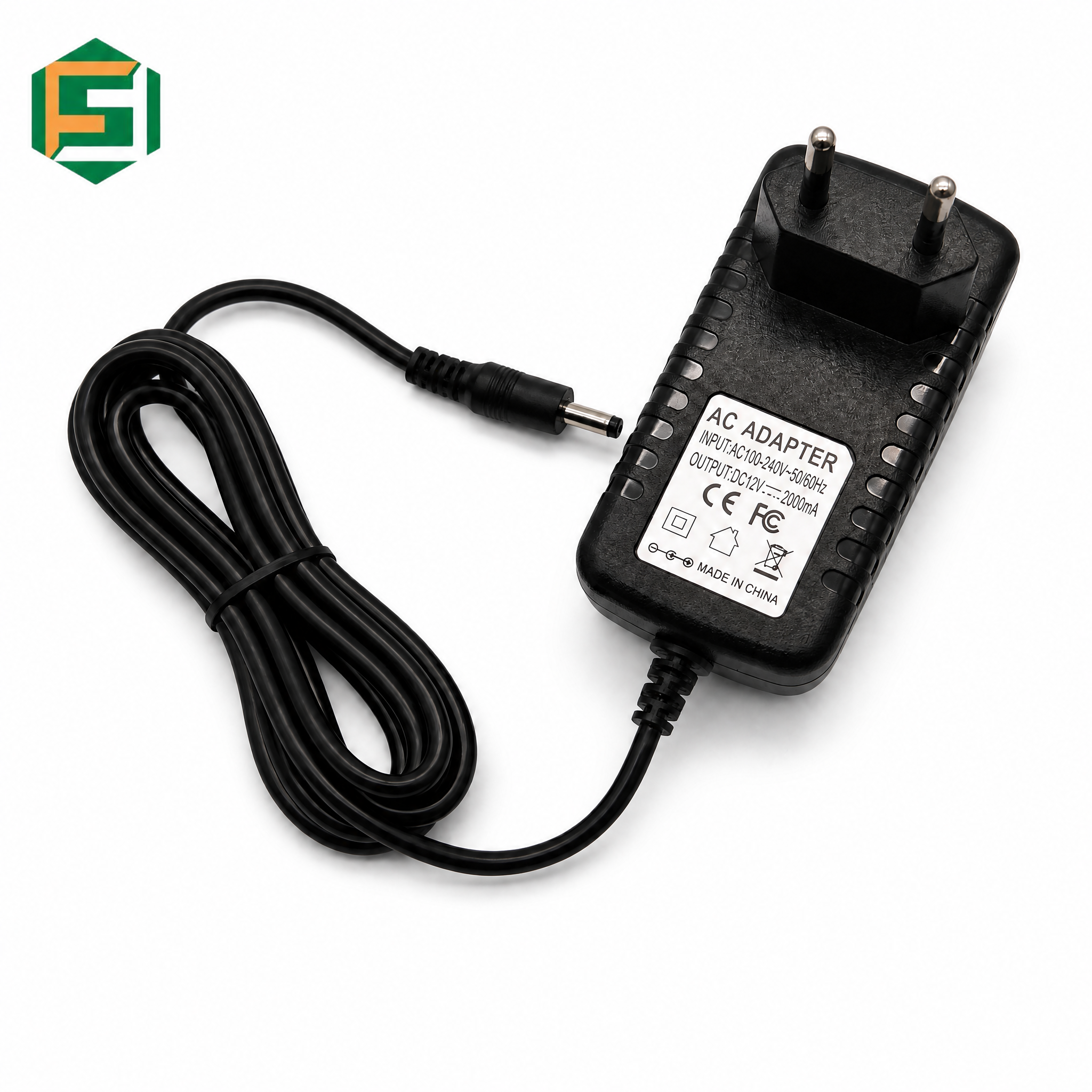
5V 2A 10W AC DC Switching Power Adapter Wall Plug Class VI
- Wide input 100–240VAC 50/60Hz tolerates sags
- UL94V-0 flame-retardant polycarbonate shell
- Overvoltage and overcurrent protection
- Microcontroller & smart sensor powering
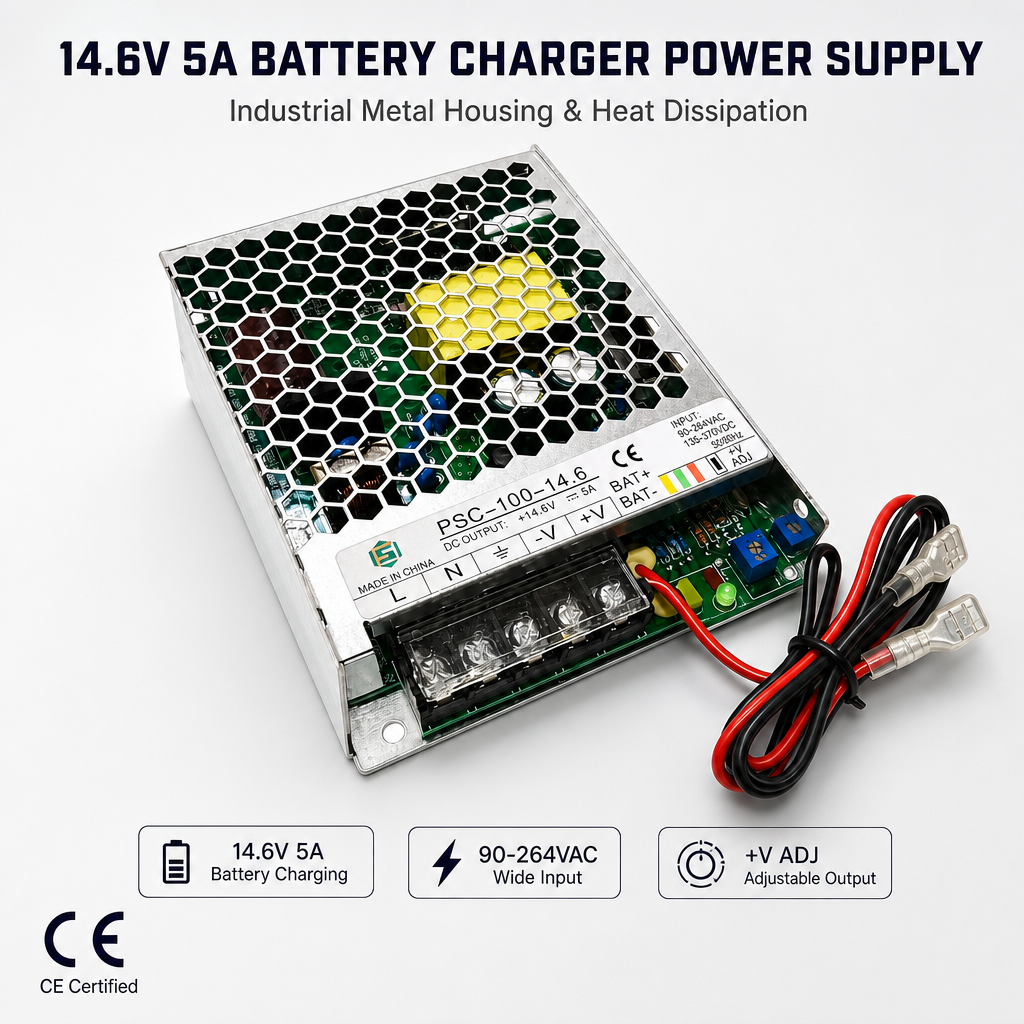
100W 14.6V 5A UPS Battery Charger Switching Mode Power Supply
- Dual output: load power + smart battery charge
- Zero-switchover seamless DC backup during outage
- Battery low-voltage cut-off prevents damage
- Critical access control, alarms & marine telematics
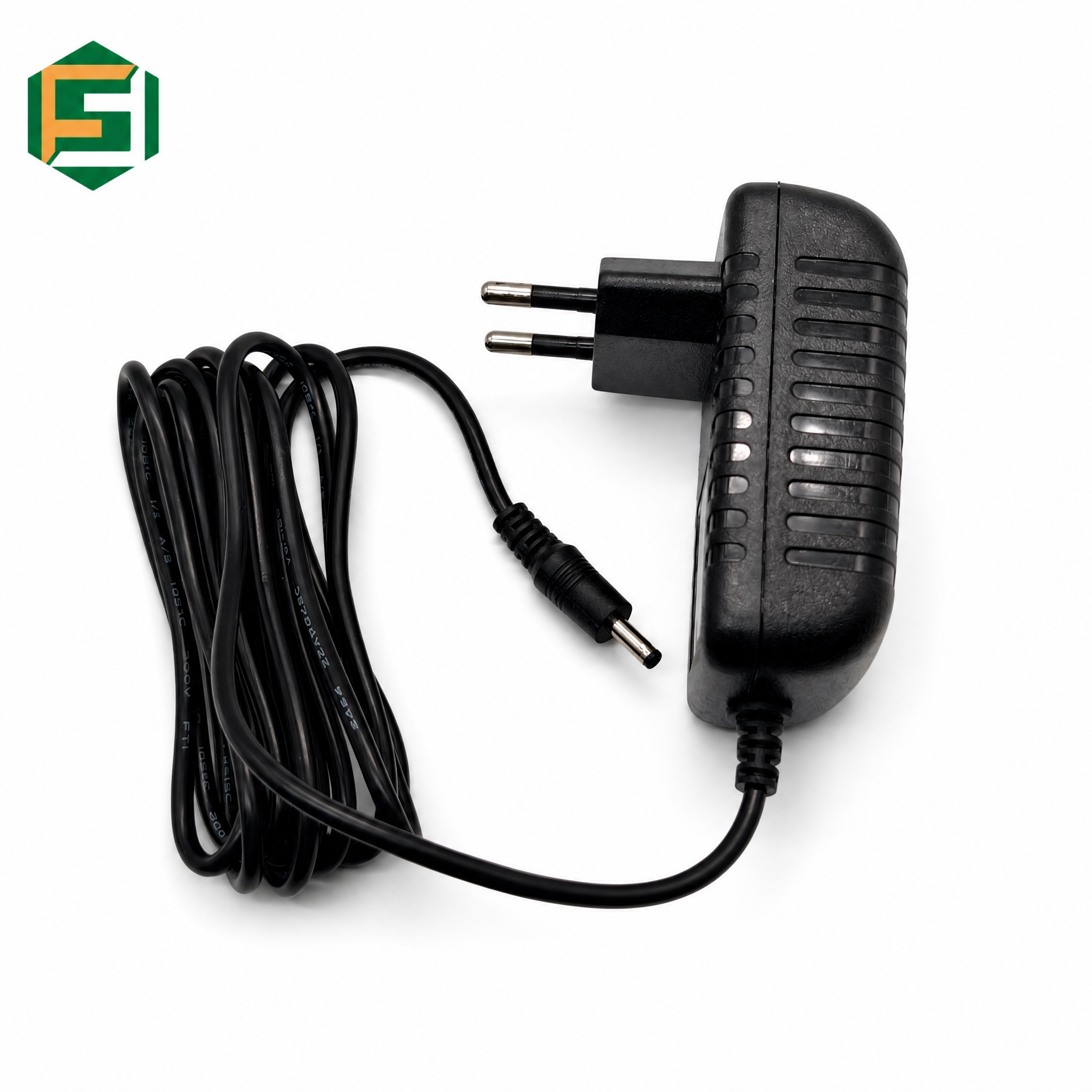
12V 1A AC DC Switching Power Adapter Class VI CE FCC
- Low electromagnetic emission (CISPR32 Class B)
- Heavy-duty copper lead with molded strain relief
- Reinforced dielectric insulation: 3000VAC Hi-Pot
- Security sensors, card readers & smart locks
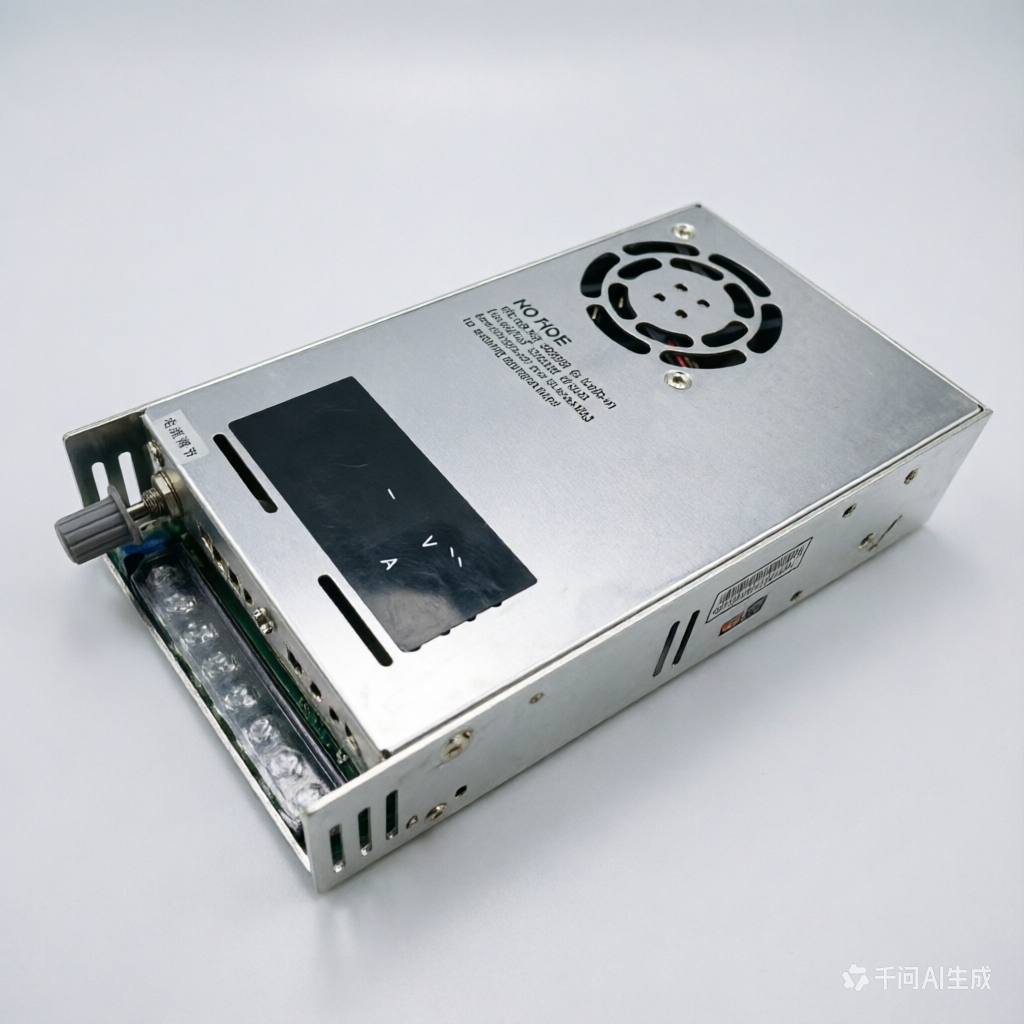
12V 50A 600W Adjustable Regulated Switching DC Power Supply
- Dual selectable input: 110V / 220V 60Hz
- Precision ±10% output trim potentiometer
- Internal temperature-controlled cooling fan
- Powers high-amperage automation solenoids & signs
Engineering Control Transformers for Antigua & Barbuda
Mitigating maritime salt-fog degradation, accommodating APUA 60Hz utility profiles, and dampening extreme inrush currents in tropical Caribbean electrical enclosures.
Procuring industrial electromagnetic components for deployment across the twin-island nation of Antigua and Barbuda requires engineering beyond standard catalog ratings. Electrical contractors, mechanical engineers, and resort facility directors operating in St. John's, English Harbour, Jolly Harbour, and Codrington face environmental and grid-supply challenges unique to Small Island Developing States (SIDS). The national utility framework operated by the Antigua Public Utilities Authority (APUA) maintains a nominal distribution frequency of 60 Hz with standard secondary distribution voltages of 230V single-phase and 400V three-phase (alongside legacy US-derived 115V / 208V / 480V installations in foreign-specified plant rooms).
1. The Physics of Inrush Currents in Motor Control Centers (MCC)
Industrial control transformers (ICTs) serve a fundamentally different functional role than general-purpose distribution transformers. In MCC cabinets powering industrial chilling plant compressors at luxury resorts (such as Jumby Bay or Hermitage Bay) or high-pressure reverse osmosis pumps at the Crabs Peninsula Desalination Plant, the control transformer must supply momentary inrush current (low power factor electromagnetic pick-up) to magnetic contactors, motor starters, and solenoid valves without allowing secondary control voltage to drop below the critical drop-out threshold (typically 85% of nominal voltage per NEMA and IEC standards).
When an APUA feeder experiences a momentary transient dip caused by grid switching or sudden solar PV ramping from the V.C. Bird International Airport solar farm or the Barbuda Green Energy Project, an inadequately sized or poorly wound control transformer will suffer severe secondary voltage depression. Our custom low-frequency control transformers utilize premium, non-aging cold-rolled grain-oriented (CRGO) silicon steel laminations with high magnetic permeability and interleaved primary/secondary copper windings. This structural approach minimizes leakage inductance and winding resistance, guaranteeing that even when driving NEMA Size 4 or 5 contactors with instantaneous inrush demands of up to 10 to 12 times steady-state VA, the secondary voltage remains rigidly within the operating envelope of sensitive industrial PLCs and safety relays.
| Engineering Parameter | Standard Commercial Transformer | Zelqo Power Marine-Tropicalized Control Transformer | Operational Impact in Antigua & Barbuda |
|---|---|---|---|
| Core Lamination Grade | Non-oriented commercial silicon steel (0.50mm) | Laser-scribed M4/M5 CRGO high-flux silicon steel (0.27–0.35mm) | Dramatically lower core excitation losses; zero acoustic hum in luxury hotel plant rooms; handles grid voltage swells. |
| Insulation System | Class B (130°C) or Class F (155°C) | Class H (180°C) or Class N (200°C) Nomex® composite | Resists sustained thermal aging inside non-air-conditioned seaside electrical enclosures during Caribbean summer peaks. |
| Environmental Protection | Single-dip air-dry varnish (standard coat) | Vacuum Pressure Impregnation (VPI) with marine epoxy resin | Seals out airborne sea-salt chlorides (ISO 12944 C5-M marine rating), eliminating copper pitting and inter-turn shorting. |
| Grid Frequency Optimization | Generic 50/60 Hz compromised winding | Dedicated 60 Hz calculated core flux density (1.6 to 1.7 Tesla max) | Eliminates core saturation and overheating caused by APUA island grid frequency micro-swings and harmonic distortions. |
| Terminal Hardware | Zinc-plated mild steel screws | Nickel-plated solid brass or marine 316 stainless hardware | Prevents galvanic corrosion and contact resistance hot spots caused by high ambient salt fog in coastal pump stations. |
2. Galvanic Isolation for Sensitive Electronics & Microgrid Transients
As Antigua aggressively expands distributed commercial solar installations and battery energy storage systems (BESS), the presence of high-frequency harmonics (3rd, 5th, and 7th order) injected by non-linear inverter switching poses serious risks to control gear. High harmonic content generates parasitic eddy current heating in transformer windings.
Zelqo Power control transformers integrate high-integrity electrostatic copper shielding positioned between the primary and secondary winding layers. Grounded directly to the installation’s equipotential grounding bus, this Faraday shield attenuates common-mode electrical noise, high-voltage spikes, and lightning transients induced by Caribbean convective storms. By decoupling sensitive microprocessor-based automation controllers from noisy primary distribution lines, our transformers prevent unexplained PLC resets, sensor drift, and premature power supply failure.
Field-Proven Deployments Across Antigua & Barbuda
From the deep-water docks of St. John's Harbour to the off-grid luxury enclaves of Barbuda, our magnetics deliver uncompromised reliability across mission-critical sectors.
Resort Central HVAC & Cold Storage
Five-star resort operations in Dickenson Bay, Jolly Harbour, and English Harbour depend on uninterrupted central chilling, walk-in commercial refrigeration, and domestic hot water circulation. Our control transformers step down APUA 400V/230V feeds to 24VAC or 120VAC to power chilled-water valve actuators, Johnson Controls/Siemens building management system (BMS) controllers, and multi-stage compressor interlocks with 100% duty cycle rating under high mechanical vibration.
Reverse Osmosis Desalination Plants
With freshwater scarcity driving extensive RO infrastructure at APUA plants (Crabs Peninsula, Shell Beach) and private mega-resort facilities, electrical cabinets are located mere meters from coastal brine outlets. Our transformers feature vacuum-pressure epoxy impregnation and sealed terminal enclosures that withstand continuous airborne chloride penetration, powering variable frequency drive (VFD) bypass contacts, dosing pump solenoids, and high-pressure feed monitoring loops.
Deepwater Harbour Marine Logistics
The Port of St. John’s handles containerized freight, fuel bunkering, and massive international cruise ships. Our heavy-duty dry-type control and isolation transformers are installed in dockside gantry crane control cabs, refrigerated reefer container monitoring racks, shore-to-ship power distribution cabinets, and automated navigational lighting masts, providing robust immunity against grid spikes and inductive surges during heavy container hoisting.
Barbuda Hybrid Solar-Diesel Microgrids
The energy transformation on Barbuda represents the benchmark for resilient island microgrids. Combining utility-scale photovoltaic arrays, lithium-ion BESS, and automated diesel generators, these hybrid systems experience rapid source-switching transients. Zelqo Power custom toroidal and low-frequency step-up/step-down transformers ensure seamless synchronizer control, busbar voltage sensing, and battery management system (BMS) auxiliary feed isolation during islanding transitions.
V.C. Bird Airport Navigational Systems
Critical airport ground equipment at Antigua’s primary air hub necessitates failsafe control power. Our enclosed switching supplies and isolation transformers deliver constant-potential DC and isolated AC to runway lighting control panels, baggage handling sortation conveyor motor starters, weather radar auxiliary stations, and emergency standby fuel filtration systems, complying fully with FAA and ICAO electrical safety criteria.
The Future of Power Distribution in SIDS Environments
Aligning with Antigua and Barbuda’s Nationally Determined Contributions (NDC), renewable grid integration targets, and hurricane hardening mandates.
Antigua and Barbuda stands at the forefront of Caribbean climate adaptation strategies. Under national climate mandates and regional CARICOM energy policies, the country aims to transition substantially toward renewable energy generation by 2030, drastically cutting reliance on imported heavy fuel oil (HFO). This transition fundamentally alters the operational dynamics of electrical balance of plant (BoP) hardware.
1. Extreme Weather & Hurricane Hardening of Electrical Gear
Following the catastrophic destruction caused by Category 5 Hurricane Irma across Barbuda, the Ministry of Public Utilities, Civil Aviation and Transportation enacted enhanced infrastructure resilience codes. Modern switchboards, motor control centers, and auxiliary power supplies must survive not only physical wind loading but also rapid water vapor ingress and extended post-storm brownout conditions.
Standard catalog transformers wound with low-grade enamels succumb quickly to insulation tracking when moisture condenses within idle enclosures post-disaster. Zelqo Power addresses this vulnerability by incorporating vacuum-pressure impregnated thermosetting polyester resins and encapsulated toroidal geometries. When electrical panels are powered back up after hurricane shutdowns, our transformers exhibit zero moisture absorption and pristine dielectric breakdown resistance.
2. Energy Efficiency Optimization under High Caribbean Tariffs
Industrial and commercial electricity rates in Antigua and Barbuda are among the highest in the Americas due to global fuel oil price volatility and island logistics. Consequently, no-load losses (core excitation losses) in constantly energized control transformers represent a persistent, non-trivial operational expenditure for major facilities. A resort operating 150 motor control cabinets with conventional lossy transformers wastes thousands of kilowatt-hours annually in pure magnetic hysteretic dissipation.
By utilizing high-grade M-grade grain-oriented electrical steel and optimized toroid cores, Zelqo Power achieves no-load loss reductions of up to 42% compared to standard generic EI laminated transformers. Over the 20-to-25-year operational lifecycle of an industrial installation in Antigua, the accumulated energy savings frequently surpass the initial procurement capital of the transformer itself.
How to Size & Specify Custom Control Transformers
A rigorous 4-step engineering calculation framework for electrical contractors, consulting engineers, and plant operators in Antigua and Barbuda.
Step 1: Calculate Continuous VA
Sum the sealed (holding) VA requirements of all simultaneous electrical loads: magnetic contactors, relays, indicator lamps, solenoid valves, timers, and PLC power inputs. Add a minimum 20% engineering safety margin to accommodate future cabinet expansions or ambient heat derating inside tropical enclosures.
Step 2: Determine Peak Inrush VA
Identify the maximum simultaneous inrush scenario (typically when the largest motor starter or contactor coil is energized while all other secondary devices remain in their sealed holding state). Calculate: Total Inrush VA = √( (VA sealed + Inrush VA of largest unit)² ). Ensure secondary voltage remains above 90% of nominal.
Step 3: Define Voltage Taps
Verify the primary line supply from the APUA feed or local substation. For installations handling multiple equipment origins, specify multi-tap primaries (e.g., 208V / 230V / 400V / 460V / 480V at 60 Hz) and dual-voltage secondaries (e.g., 120V / 24V or 230V / 115V) to ensure cross-compatibility with both European and American machinery.
Step 4: Confirm Physical Constraints
Define available panel footprint, mounting style (DIN-rail, base-plate chassis, or NEMA/IP enclosed), termination preference (finger-safe screw clamp blocks vs. flexible silicone flying leads), and ambient operating temperature rating (standard 40°C vs. high-ambient 65°C heavy industrial).
Why Global EPCs & Caribbean Buyers Trust Zelqo Power
Backed by Intertek-verified production facilities in Xi’an, documented multi-stage quality assurance, and end-to-end export packaging engineering.
Intertek-Verified Manufacturing Facility
Shaanxi Zelqo Power Co., Ltd. operates state-of-the-art winding, assembly, and testing lines in Xi'an, Shaanxi, China. Our on-site manufacturing operations, trade integrity, and engineering quality systems have been thoroughly inspected and audited by Intertek, providing international buyers with total supply chain transparency.
Rigorous 100% Pre-Shipment Testing
Every production batch undergoes exhaustive multi-point electrical verification: precision LCR bridge inductance testing, DC winding resistance measurement, high-voltage inter-turn impulse testing, 3000VAC–4000VAC Hi-Pot dielectric breakdown testing, and prolonged full-load dynamic aging at elevated temperatures.
Full Customization & ODM Engineering
We do not force our clients into rigid catalog compromises. We custom-calculate core geometries, turn ratios, copper wire gauges, electro-static shielding, terminal blocks, mounting brackets, and housing enclosures directly from your electrical single-line schematics and mechanical dimensional envelope.
Ocean & Air Freight to St. John's
We maintain seasoned logistics partnerships offering reliable FCL and LCL containerized ocean shipment directly into the Port of St. John’s, Antigua, alongside expedited air freight options to V.C. Bird International Airport (ANU). All items are packed in heavy-duty, moisture-barrier-sealed, fumigated export wooden cases.
Frequently Asked Questions by Local Buyers
Essential insights on electrical standards, customs clearance, shipping transit times, and custom engineering for Antigua and Barbuda.
How do you configure control transformers for the APUA 60Hz utility grid?
Our transformers are calculated precisely for 60 Hz operation, with secondary windings calibrated to deliver exact output voltages (such as 24VAC, 120VAC, or 230VAC) at nominal APUA utility levels. Unlike 50 Hz European surplus units that can run hot and suffer elevated excitation currents on a 60 Hz line, our magnetic flux density calculations prevent core saturation and reduce operating temperatures.
What protection is provided against coastal salt-fog corrosion?
We offer Class H Vacuum Pressure Impregnation (VPI) utilizing specialized high-build marine epoxy resins that coat every turn of wire and lamination gap. For extreme seaside installations like dockside piers or open-air hotel chiller yards, we supply fully encapsulated toroidal transformers and IP67 weather-sealed aluminum-cased switching supplies with marine-grade stainless hardware.
Can you provide multi-tap transformers for equipment imported from the US and Europe?
Yes, this is one of our core specialties. Many Antiguan commercial facilities operate a hybrid mix of American 480V/208V/120V equipment and European 400V/230V machinery. We design and build multi-tap primary and secondary units (e.g., 400V/480V to 230V/120V/24V) allowing field electricians to easily adapt control panels to any incoming supply.
What is the standard manufacturing lead time and shipping duration to Antigua?
Custom prototype samples are typically wound, fully tested, and ready for dispatch in 7 to 10 working days. Mass production runs generally require 3 to 4 weeks depending on volume. Air freight to V.C. Bird International Airport (ANU) takes approximately 5 to 8 business days, while ocean container shipping to the Port of St. John's typically takes 30 to 40 days.
What documentation do you provide for Antigua Customs & Excise clearance?
We furnish complete, export-compliant documentation packages including certified Commercial Invoices, detailed Packing Lists with exact gross/net weights and dimensions, Clean Bills of Lading / Air Waybills, Certificates of Origin, and model-specific Quality Inspection & Factory Test Certificates (Hi-Pot, ratio, and resistance records).
Do you support small-batch orders for resort maintenance and retrofits?
Yes. While we regularly supply high-volume OEM production runs for international panel builders, our engineering flexibility supports low Minimum Order Quantities (MOQs) for facility maintenance replacements, resort plant retrofits, and emergency infrastructure repairs across Antigua and Barbuda.
Request an Engineering Consultation & Custom Quote
Discuss your exact project requirements with our senior magnetics design team. Whether you need custom 60Hz control transformers, VPI marine-treated units, or DIN-rail DC power supplies delivered to Antigua, our engineers provide fast technical reviews and transparent pricing.