Engineering Whitepaper & System Topologies
Variable Power Supply Design: Linear Regulators vs. Switch-Mode Architectures
In modern electrical engineering, selecting an optimal variable power supply requires balancing transient dynamic response, electromagnetic compatibility (EMC), thermal budget constraints, and total electrical efficiency. While laboratory benchtop applications historically favored continuous linear regulation due to sub-millivolt ripple profiles, switch-mode power conversion (SMPS) coupled with active power factor correction (PFC) has become the global standard for high-wattage industrial, telecom, and automated testing applications.
Modern variable switch-mode architectures deploy Quasi-Resonant Zero Voltage Switching (ZVS), Half-Bridge LLC Resonant converters, and synchronous buck-boost post-regulation stages. By modulating pulse-width frequencies up to 250kHz, dynamic line and load regulation figures below ±0.5% are routinely achieved across an adjustable output window spanning 0V to 60V, or higher industrial rails reaching 1000W continuous output.
Information Gain Note for System Architects: When sourcing adjustable supplies for dynamic capacitive or inductive loads (e.g., servo drives or LED luminaires), evaluate whether the unit possesses Constant Voltage / Constant Current (CV/CC) automatic crossover and whether primary-to-secondary high-voltage isolation complies with IEC 62368-1 reinforced isolation standards (3750V AC dielectric withstand).
To demonstrate the engineering parameters that govern selection between linear series-pass regulation, phase-controlled thyristor designs, and high-frequency resonant SMPS, our engineering division has benchmarked critical operational metrics below:
| Architecture Topology |
Typical Efficiency |
Ripple & Noise (20MHz BW) |
Dynamic Transient Response |
Volumetric Power Density |
Primary Industrial Use Case |
| Linear Series-Pass Regulator |
35% – 55% |
< 1.5 mV RMS |
< 20 μs recovery |
Low (0.05 W/cm³) |
RF Calibration, Low-Noise Medical Benches |
| Quasi-Resonant Flyback (0-30V) |
84% – 89% |
< 60 mV p-p |
150 – 300 μs recovery |
Medium (0.35 W/cm³) |
Embedded Smart Hubs, IoT Adapters, Sensor Rails |
| Half-Bridge LLC Resonant (300W-1500W) |
91% – 96% |
< 40 mV p-p |
80 – 120 μs recovery |
Very High (0.85 W/cm³) |
Automated Test Equipment (ATE), Telecommunications |
| Dual-Stage Buck-PFC Converter |
89% – 93% |
< 80 mV p-p |
100 – 200 μs recovery |
High (0.60 W/cm³) |
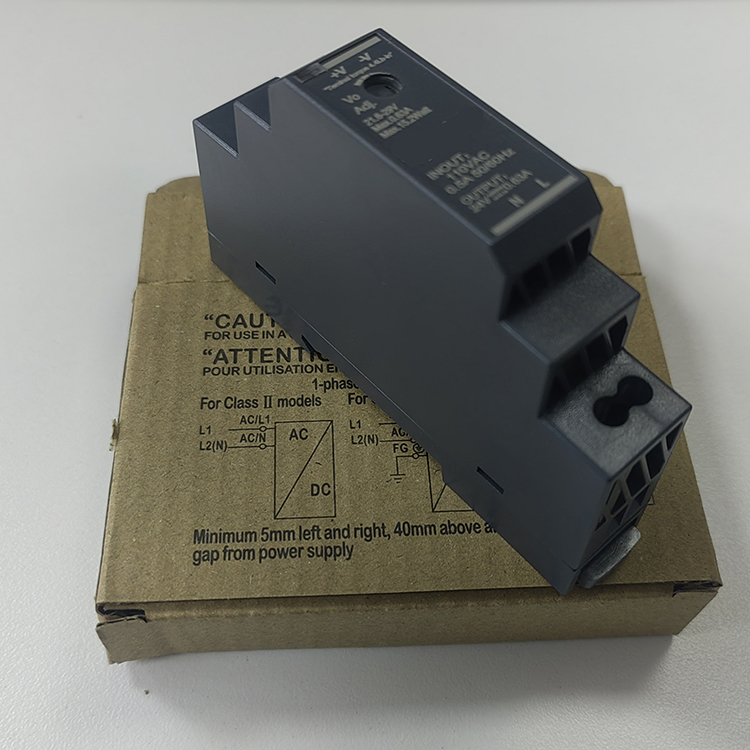
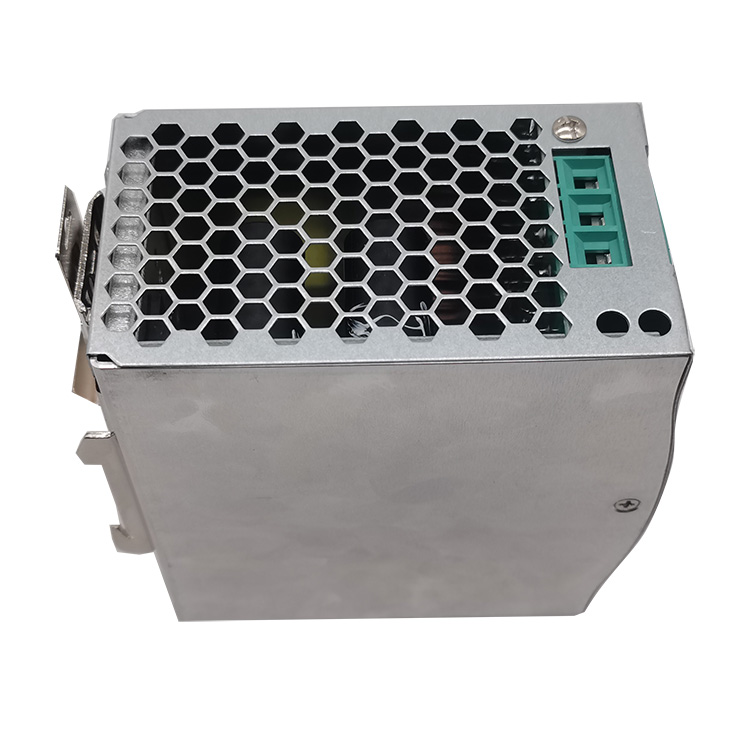
Industrial DIN Rail Cabinets, LED Strip Arrays |
Manufacturing Prowess & Verification
Shaanxi Zelqo Power Co., Ltd. — Engineering Precision at Source
Headquartered in Xi'an, Shaanxi, China, Shaanxi Zelqo Power Co., Ltd. stands as an Intertek-assessed original design and manufacturing entity specializing in high-frequency magnetics, toroidal transformers, low-frequency laminated transformers, and custom-engineered variable AC-DC switching power supplies.
Unlike trading aggregators who simply rebrand stock commodities, Zelqo Power controls the complete electromagnetic design loop: from core permeability selection and primary-secondary interleaving calculations to custom bobbin fabrication, CNC copper winding, vacuum varnish impregnation, and multi-tier electronic load burn-in.
Our 10-Stage Precision Quality Control Protocol
Every power supply module and magnetic component undergoes documented testing verified via our calibrated benchtop instrumentation:
01
CNC Toroidal & Bobbin Winding
Automated wire tension control preventing micro-abrasions in enameled copper.
02
LCR Digital Bridge Diagnostics
Inductance, leakage inductance, and quality factor (Q) validation across frequencies.
03
Impulse Winding Verification
Waveform peak analysis identifying turn-to-turn insulation defects before varnishing.
04
Hi-Pot Dielectric Withstand
3750V AC reinforced breakdown isolation screening to IEC 61558 and IEC 62368-1.
05
100% Thermal Burn-In Rigs
Full-load continuous thermal cycling to trigger infant mortality screening.
06
DC Low-Resistance Bridge
Four-wire Kelvin probe resistance matching to guarantee load regulation symmetry.
Supply Chain Intelligence
Future Strategic Trends in Variable Power Supply Procurement
B2B technical purchasers face shifting market dynamics driven by environmental mandates, automation complexity, and supply chain volatility. Procurement managers must position their bills of materials (BOM) to incorporate next-generation architectures that deliver higher operational uptime and reduced lifetime maintenance costs.
Semiconductors
Wide Bandgap (GaN & SiC) Integration
Gallium Nitride (GaN) and Silicon Carbide (SiC) switches replace conventional silicon MOSFETs, slashing switching losses by over 40% and allowing variable supplies to operate at high power densities exceeding 1.2 W/cm³.
Digital Control
PMBus & CAN Telemetry Control
Modern industrial automation requires variable supplies to feature bi-directional digital telemetry via PMBus, Modbus, or CANopen protocols, permitting remote voltage programming, dynamic current reporting, and predictive fault monitoring.
Energy Mandates
Sub-75mW Standby & CoC Tier 2
Mandatory energy compliance rules enforce strict standby consumption ceilings. Sourcing teams prioritize power converters utilizing zero-load burst-mode controllers to maintain compliance with EU ErP Lot 7 and US DoE Level VI standards.
Resilience
Modular Hot-Swap Redundancy
Mission-critical deployments increasingly rely on N+1 parallel-capable variable power systems with internal active OR-ing diodes, allowing live maintenance and zero system downtime across automated production cells.
R&D Roadmap
Technological Evolution: Next-Gen Power Conversion Innovations
The transition toward decarbonized electric infrastructure and autonomous robotics requires power electronics that handle severe harmonic distortion while maintaining instantaneous transient recovery. Zelqo Power engineers invest continuously in cutting-edge electromagnetic winding strategies and planar core topologies that address these evolving realities:
Planar Matrix Magnetic Core Integration
Moving beyond wound bobbin structures, planar transformers embed multi-layer FR4 copper tracks directly into magnetic ferrite cores (EE and PQ geometries). This yields extraordinary coupling coefficients (>0.995), minimized leakage inductance, and a height profile under 12mm.
Digital State-Space Feedback Control Loops
Replacing standard analog operational amplifiers with high-speed digital signal processors (DSP) running state-space control algorithms eliminates phase lag, achieving 50μs step recovery during 0% to 100% dynamic load changes without output ringing.
Harmonic Suppression Active PFC (>0.99)
Continuous-conduction boost PFC converters paired with interleaved switching eliminate harmonic injection into the main electrical grid, fulfilling IEC 61000-3-2 Class D criteria and mitigating neutral conductor overheating in factory facilities.
Sourcing Due Diligence
Procurement & Engineering FAQ for Variable Power Supplies
Evaluating variable power supply suppliers requires reviewing test methodologies, standard compliance limits, and design margins. Below are answers to the most common technical questions our engineering team receives from global OEMs:
How do you verify ripple and noise limits for variable DC power supplies?
Ripple and noise measurements are conducted strictly according to international standards using a 20MHz bandwidth-limited digital oscilloscope. A coaxial test probe with direct tip-and-barrel grounding (avoiding inductive ground lead loops) is connected across the output terminals in parallel with a 0.1μF high-frequency ceramic capacitor and a 10μF low-ESR electrolytic capacitor. Measurements are recorded across the full adjustable voltage and current load spectrum.
What parameters are needed for a custom OEM/ODM power supply design?
To expedite engineering review, provide: (1) Input AC/DC voltage range and frequency, (2) Adjustable output voltage span and maximum current, (3) Peak surge load duration, (4) Target efficiency and no-load standby ceiling, (5) Mechanical footprint, enclosure rating, and mounting configuration (e.g. desktop, wall-plug, chassis, or DIN rail), (6) Isolation class (Hi-pot voltage) and target safety certifications (IEC 62368-1, IEC 61558, CE, FCC), and (7) Estimated annual procurement volume.
How does Zelqo Power guarantee MTBF and field reliability?
Mean Time Between Failures (MTBF) is calculated in accordance with Telcordia SR-332 (Bellcore) standards under 25°C ambient conditions, typically exceeding 250,000 operational hours. We utilize Japanese and Taiwanese top-tier aluminum electrolytic capacitors rated at 105°C with high ripple current endurance, derate all semiconductor switching margins by at least 25% above worst-case operating spikes, and subject 100% of finished production units to 4-hour dynamic load burn-in.
What is the difference between toroidal and switch-mode variable supplies?
Toroidal power transformers use a wound continuous silicon steel donut core that radiates virtually zero electromagnetic stray hum and provides superior acoustic silence, making them ideal for high-end audio amplification, medical monitoring, and elevator control. Switch-mode variable supplies (SMPS) utilize high-frequency ferrite cores to achieve up to 90% size and weight reduction, universal wide-input flexibility (85–265V AC), and precision digital voltage control.
Can custom DC connector terminations and output cables be specified?
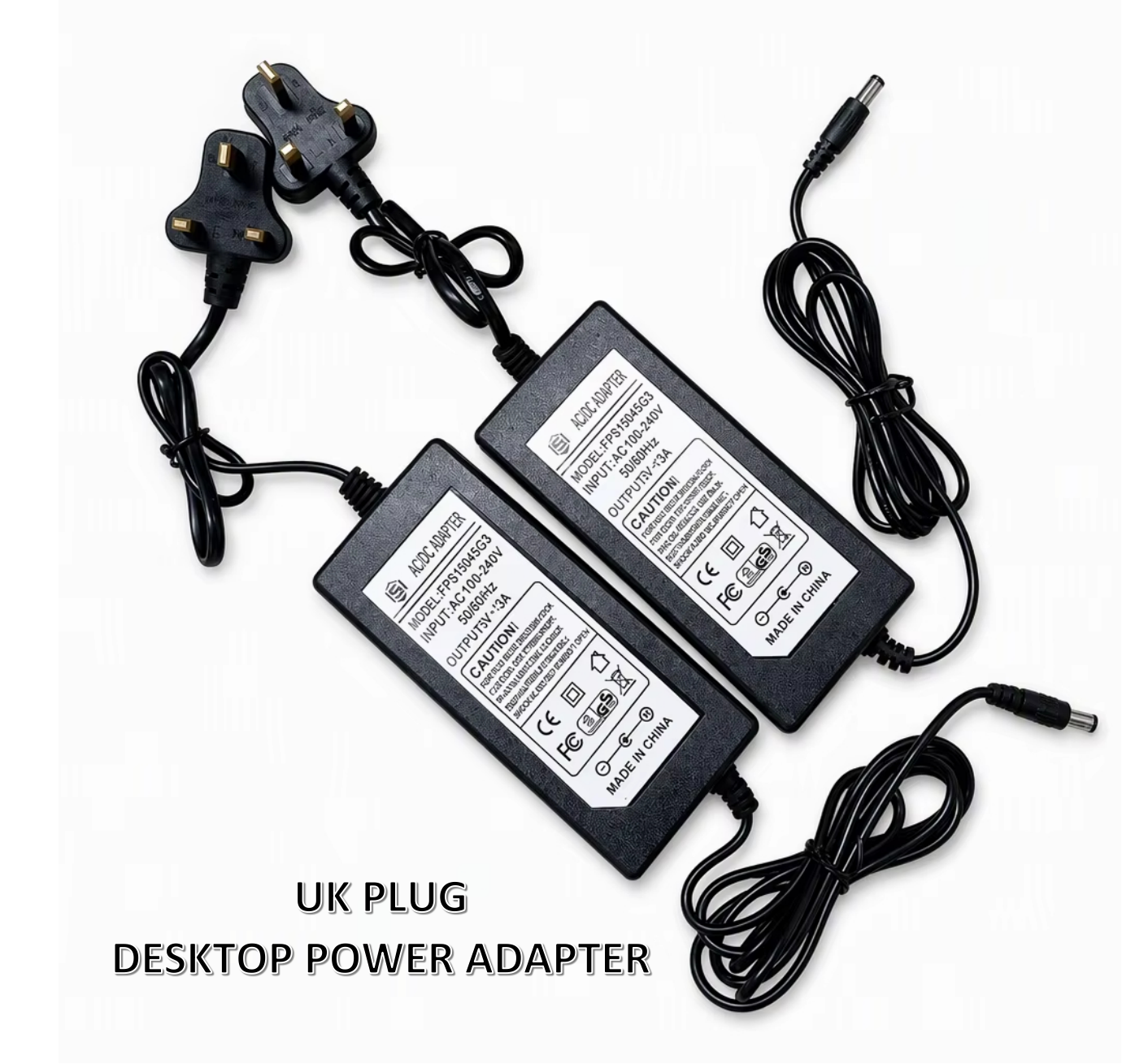
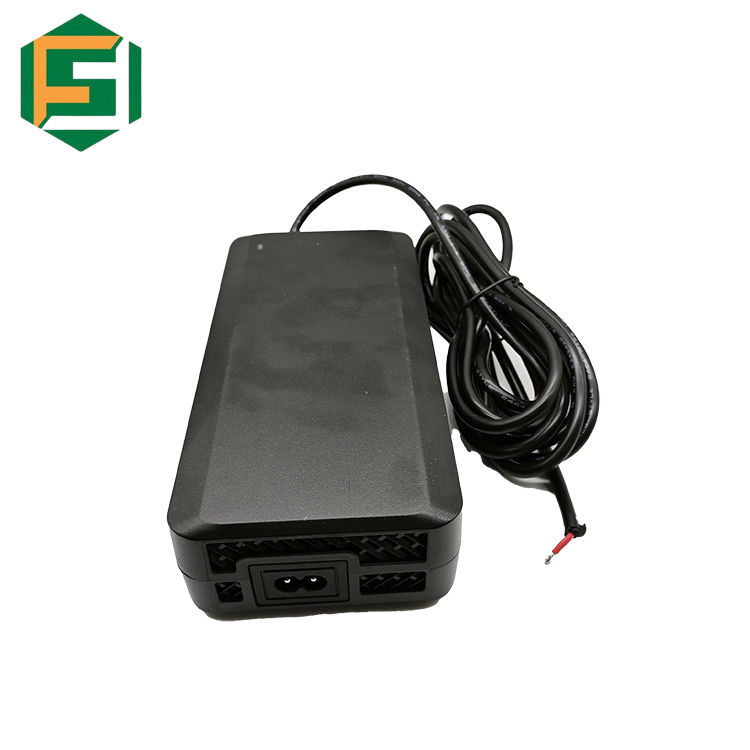
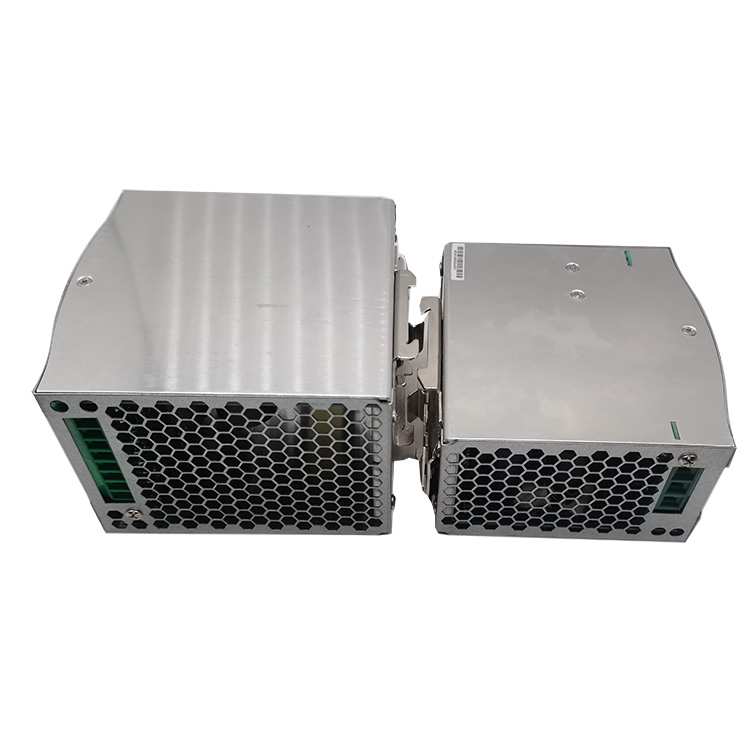
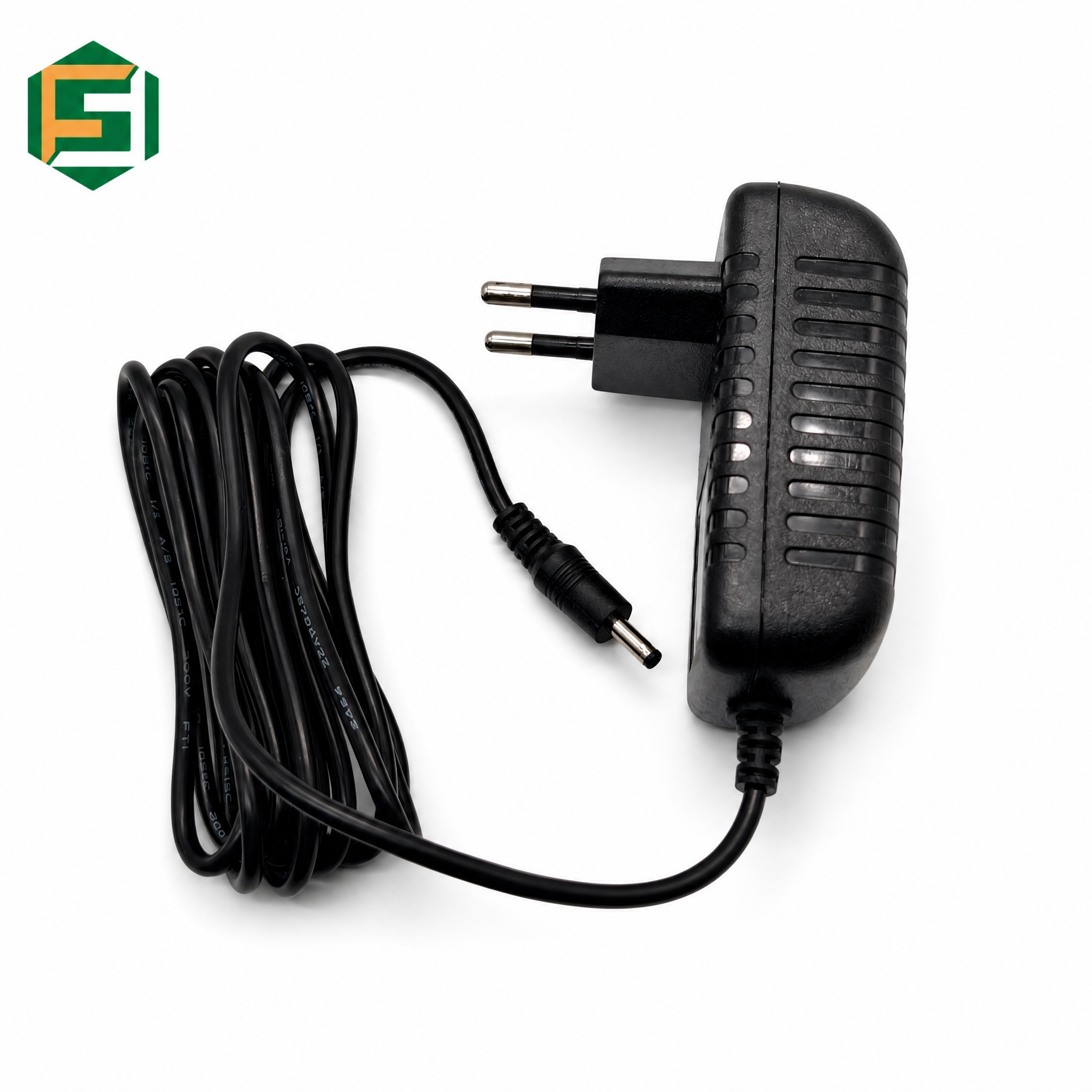
Yes. We provide complete customization of DC output cables (AWG wire gauge, overall length, high-flex shielding) and terminal connectors, including standard 5.5*2.1mm / 5.5*2.5mm barrel plugs, DIN 4-pin jacks, Hirose connectors, Molex pitch housings, heavy-duty screw terminals, and Phoenix contact blocks for DIN rail configurations.
What third-party verifications exist for your Xi'an manufacturing plant?
Shaanxi Zelqo Power Co., Ltd. has undergone comprehensive on-site facility audits and supplier assessments verified by Intertek. Our production workflows comply with ISO quality management principles, and our products carry model-specific CE, FCC, RoHS, and REACH verification reports.
Ready to Engineer Your Custom Variable Power Solution?
Connect directly with our engineering division at Shaanxi Zelqo Power Co., Ltd. Whether you require a fast prototype sample, tailored DC connector specifications, or high-volume OEM/ODM manufacturing, our team delivers complete technical review within 24 hours.
Contact Us