Featured Industrial Transformers & SMPS Deployments for Yangon
Engineered to withstand erratic mains voltages, seasonal monsoon humidity, and continuous factory operations across Thilawa SEZ, Hlaing Tharyar, and Mingaladon industrial estates.
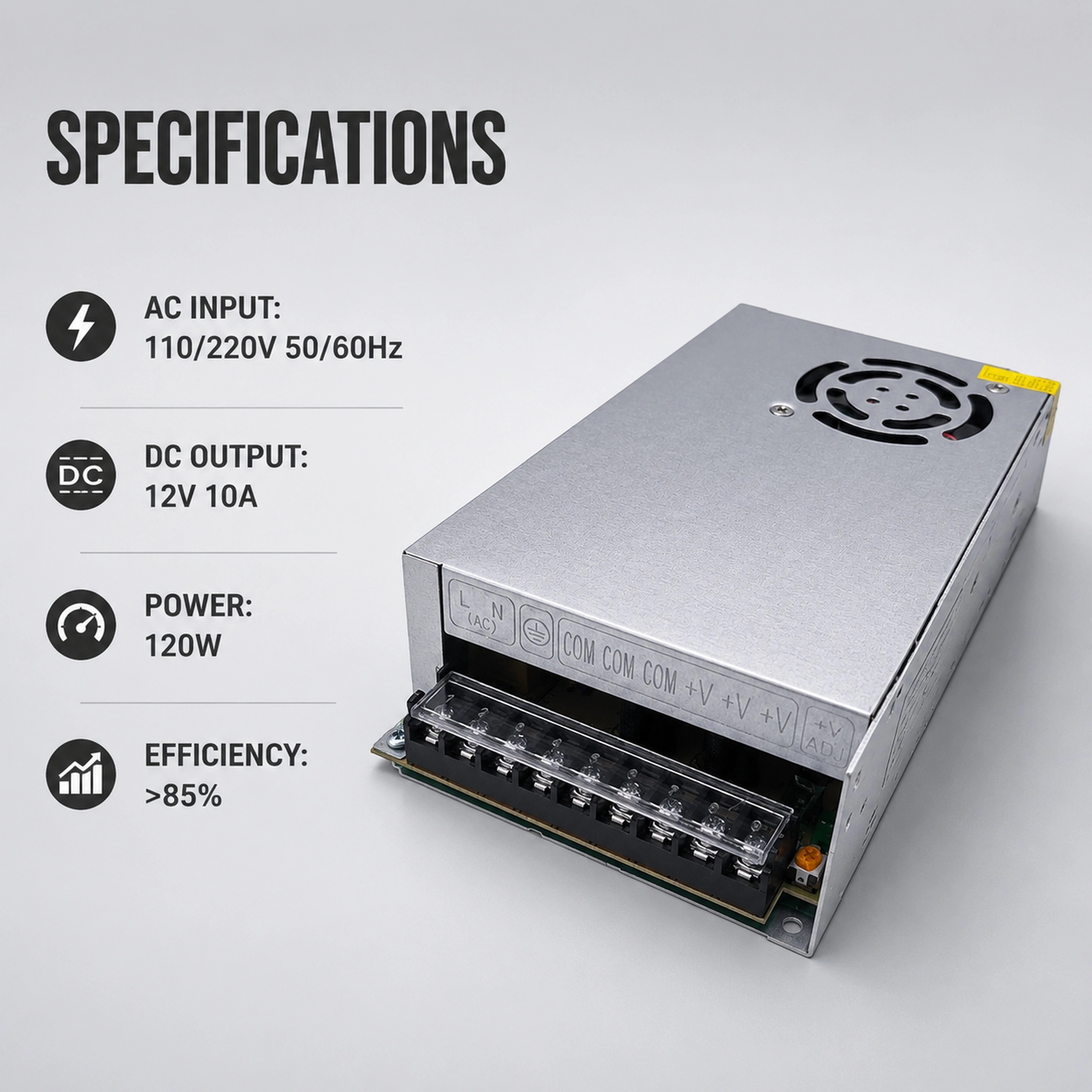
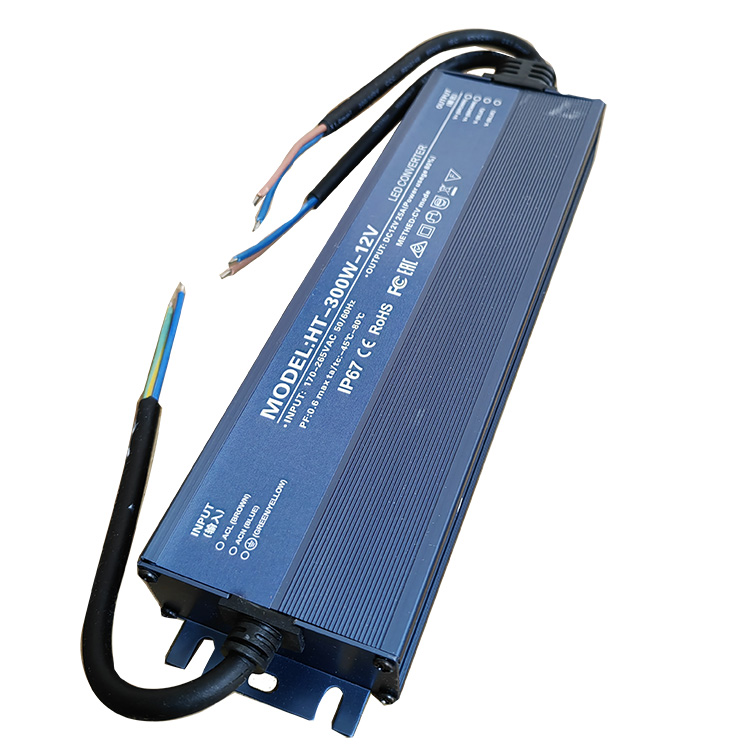
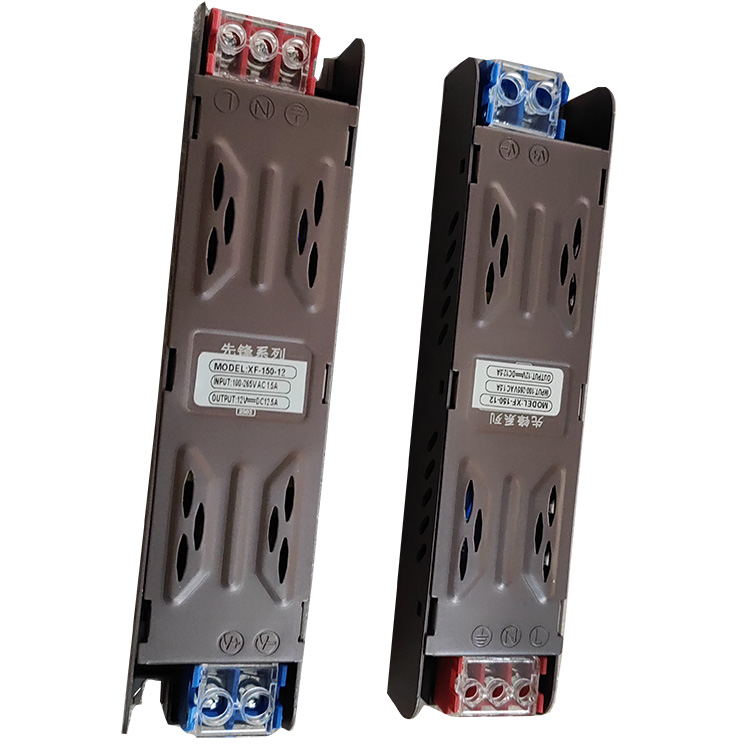
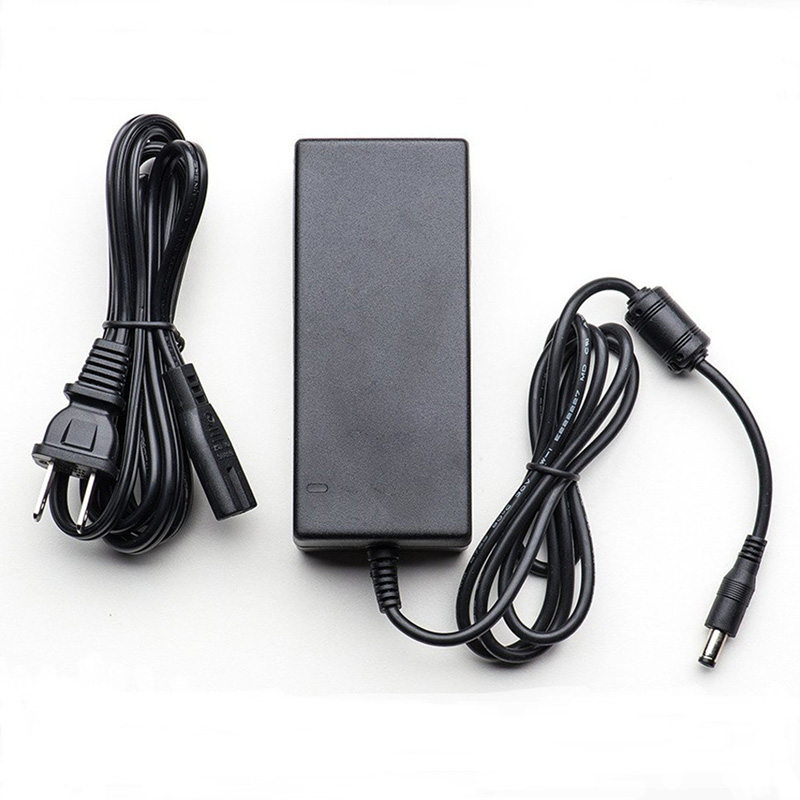
Navigating Power Infrastructure Vulnerabilities in the Yangon Metropolitan Area
Yangon represents the undisputed economic, logistics, and manufacturing nucleus of Myanmar, generating over 25% of the national gross domestic product. However, procurement directors and chief plant engineers operating across the Yangon Electricity Supply Corporation (YESC) distribution grid confront chronic operational risks. The regional power architecture is plagued by severe supply-demand deficits, frequent seasonal load-shedding cycles, transient voltage surges during grid-to-diesel generator changeovers, and pervasive harmonic distortion created by aging sub-station switchgear.
During the dry summer months (March through May), grid supply voltages across industrial zones such as Hlaing Tharyar, Shwe Pyi Thar, and Mingaladon frequently sag below 175 VAC on standard 220V/230V single-phase lines, causing standard magnetic cores to saturate prematurely and triggering severe overheating in sub-grade power units. Conversely, sudden line restoration after blackouts injects high dV/dt inductive voltage spikes exceeding 1,200V into equipment mainboards. These extreme swings demand rugged magnetic component designs featuring enhanced flux margin headroom, low core loss cold-rolled grain-oriented (CRGO) or high-permeability ferrite cores, and reinforced triple-insulated winding schemes (TIW) compliant with international safety margins.
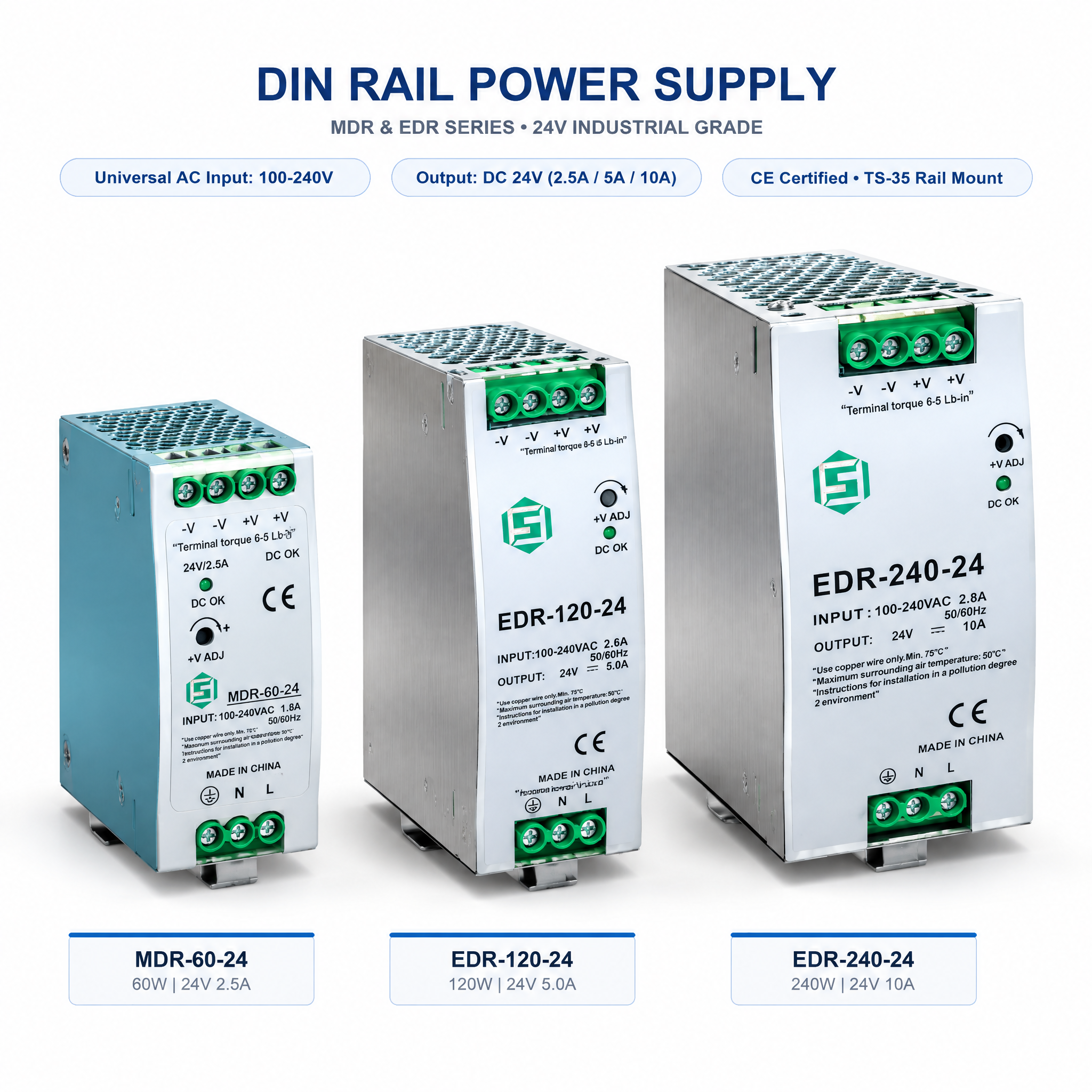
Furthermore, Yangon’s tropical monsoon season (May to October) exposes electrical installations to sustained relative humidity levels exceeding 92% coupled with ambient operational temperatures reaching 38°C to 42°C in non-air-conditioned plant enclosures. Standard off-the-shelf transformers and commercial-grade SMPS without vacuum pressure impregnation (VPI) or silicone potting experience rapid insulation breakdown, dielectric tracking, and accelerated galvanic corrosion on bare copper traces. Zelqo Power bridges this engineering gap by building custom low-frequency, high-frequency, and toroidal transformers along with industrial-grade switching power supplies specifically reinforced for the demanding electrical realities of Lower Myanmar.
| Electrical Parameter | Typical Generic Transformer | Zelqo Power Yangon-Reinforced Design | Operational Impact in Myanmar |
|---|---|---|---|
| Mains Input Tolerance | 220 VAC ± 10% (198V–242V) | Wide 85 VAC – 265 VAC / 160V–270V Universal | Prevents thermal runaway and brownout tripping during YESC peak-hour sags. |
| Thermal Insulation Class | Class B (130°C) or Class F (155°C) | Class H (180°C) Standard / High-Temp Resin | Withstands high ambient heat inside unventilated factory cabinets without core degradation. |
| Monsoon Moisture Resistance | Dip-varnished or bare core | Vacuum Pressure Impregnation (VPI) / Epoxy Potting | Prevents dielectric breakdown, fungal growth, and winding short-circuits at >90% RH. |
| Dielectric Hi-Pot Rating | 1,500 VAC / 60 seconds | 3,000 VAC to 4,000 VAC / 60 seconds | Blocks line surges during diesel generator transfer-switch operations. |
| Magnetic Core Material | Commercial standard steel sheets | Low-Loss CRGO Silicon Steel / Mn-Zn Ferrite | Reduces no-load standby losses and mechanical hum, boosting system efficiency. |
Mission-Critical Application Scenarios Across Yangon’s Economy
From automated assembly lines in special economic zones to 24/7 telecom network backbones across the Irrawaddy delta deltaic corridor, our magnetic solutions deliver uninterrupted stability.
Thilawa Special Economic Zone (SEZ) Automation
High-precision Japanese, Korean, and multinational export manufacturing facilities at Thilawa require ultra-clean DC bus rails and low-noise magnetic isolation for programmable logic controllers (PLCs), robotic pick-and-place drives, and sensor instrumentation.
Garment & Textile Plants in Hlaing Tharyar
With thousands of automated sewing machines, fabric cutters, and commercial dye vats operating simultaneously, industrial garment plants in Hlaing Tharyar and Shwe Pyi Thar generate heavy harmonic feedback and inductive kickbacks that rapidly degrade sub-tier transformers.
Telecom Towers & Microgrid Repeaters
Cellular base stations (BTS) deployed along the Yangon River perimeter, Thanlyin, and peri-urban logistics belts rely on hybrid power architectures switching dynamically between unstable grid lines, diesel gensets, and rooftop photovoltaic batteries.
Commercial Real Estate & High-Rise BMS
Modern mixed-use developments, bank branches, and luxury hotels across Bahan, Dagon, and Downtown Yangon depend on uninterrupted security, fire-suppression panels, emergency lighting, and elevator motor drive controls that demand zero acoustic hum.
Technological Trends Reshaping Myanmar’s Power Conversion Sector
How engineering modernization, renewable hybridization, and resilient component designs are redefining procurement standards in Yangon for 2025 and beyond.
Surge in Hybrid Solar-Storage & Micro-Inverter Topologies
Due to persistent municipal grid rationing, commercial enterprises and factories across Yangon are aggressively installing distributed rooftop solar systems paired with LiFePO4 battery energy storage systems (BESS). This transition has spurred substantial demand for specialized planar, PQ, and RM-type high-frequency ferrite transformers capable of handling multi-kilohertz switching in bi-directional DC-DC converters without acoustic noise or high thermal dissipation.
Mandatory Vacuum Impregnation & Tropical Weatherization
Procurement engineers in Yangon have shifted away from standard low-cost open-frame power magnetics. Field data revealed high early failure rates caused by monsoon moisture condensation and mold growth inside electrical cabinets. The market now mandates vacuum pressure impregnated (VPI) varnishes or full polyurethane/epoxy encapsulation, providing IP65 to IP67 environmental sealing and dielectric endurance against salt-laden coastal air.
Strict Demands for Low Standby Loss & Harmonics Mitigation
With industrial electricity tariffs adjusting and private diesel fuel costs climbing in Myanmar, plant managers prioritize conversion efficiency. Buyers require switching power supplies meeting Level VI energy efficiency standards (>88% typical efficiency) alongside low-loss toroidal auto-transformers. Low standby draw and active Power Factor Correction (PFC > 0.95) significantly reduce penalty billing and extend battery backup duration during daily power cuts.
Why Southeast Asian B2B Importers Partner with Shaanxi Zelqo Power
Intertek-verified manufacturing depth, comprehensive custom engineering, and transparent supply chain integrity direct from Xi’an, Shaanxi, China to the Port of Yangon.
Intertek-Verified Manufacturer
Our production facilities, testing stations, and corporate capabilities have undergone stringent on-site inspection and verification by Intertek, ensuring complete compliance transparency for international buyers.
End-to-End OEM & ODM Depth
We do not simply relabel catalog inventory. Our senior electrical engineers calculate core geometry, wire gauge (AWG), winding turn ratios, Bobbin configurations, and air gaps directly tailored to your bespoke mechanical housing.
7-Stage Quality Verification
Every single batch is subjected to precision LCR bridge inductance testing, winding resistance verification, impulse surge testing, hi-pot dielectric breakdown validation, and 100% full-load burn-in aging before release.
Direct Shipping to Yangon (MIP/MITT)
Seamless sea freight routing from Chinese shipping hubs to Myanmar Industrial Port (MIP) and Myanmar International Terminals Thilawa (MITT), supported by Form E certificates for preferential tariff clearances.
Frequently Asked Questions by Industrial Sourcing Teams in Yangon
Key technical and commercial considerations for purchasing custom transformers, switching mode power supplies, and magnetic components for the Myanmar market.
How do you engineer transformers to survive Yangon’s chronic voltage fluctuations (160V to 260V)?
What insulation and weatherproofing is recommended for Yangon’s monsoon climate?
Can Zelqo Power provide Form E documentation for preferential customs tariffs under the ACFTA?
Why is a toroidal transformer often preferred over an EI laminated core for high-end facilities in Yangon?
What is the standard engineering prototyping and logistics timeline from Xi'an to Yangon?
What electrical and safety test reports are provided before goods are dispatched?
Ready to Engineer Resilient Power Magnetics for Your Myanmar Projects?
Connect directly with our senior transformer application engineers in Xi’an. Share your voltage requirements, winding configuration, or mechanical footprint for a comprehensive feasibility evaluation and fast B2B quotation.