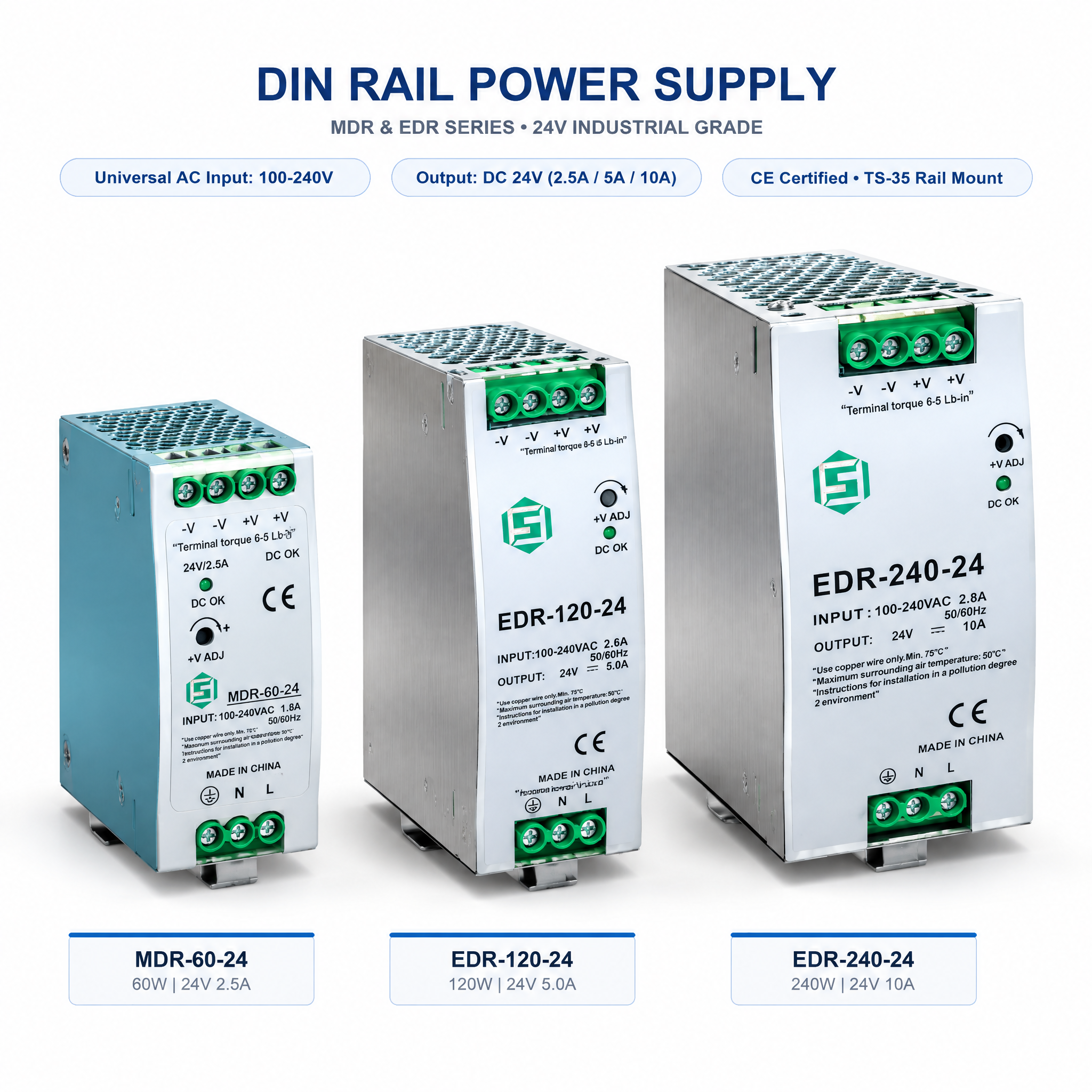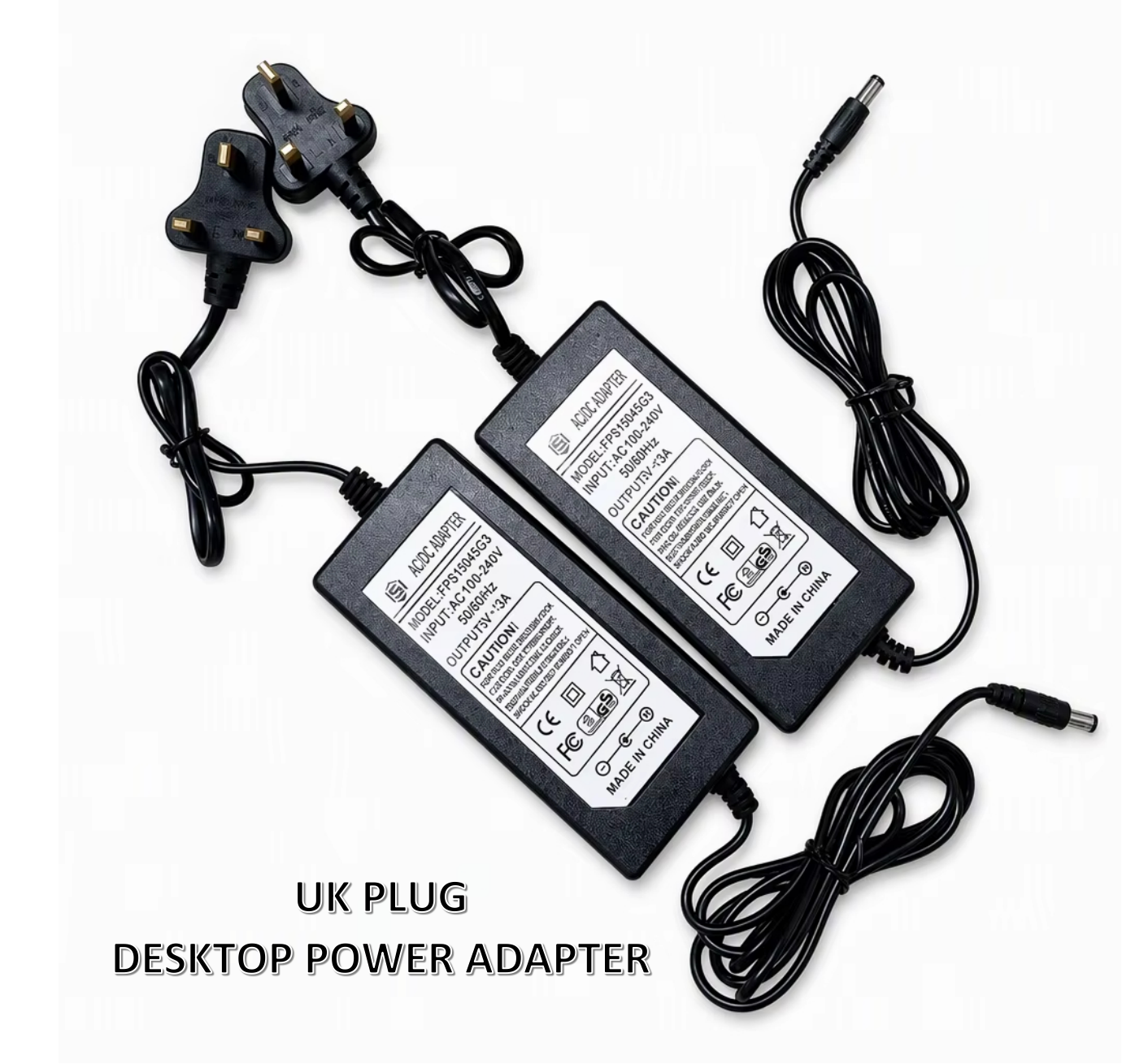
OEM ODM Desktop Power Supply Power Adapter UK Plug Customizable DC Connector
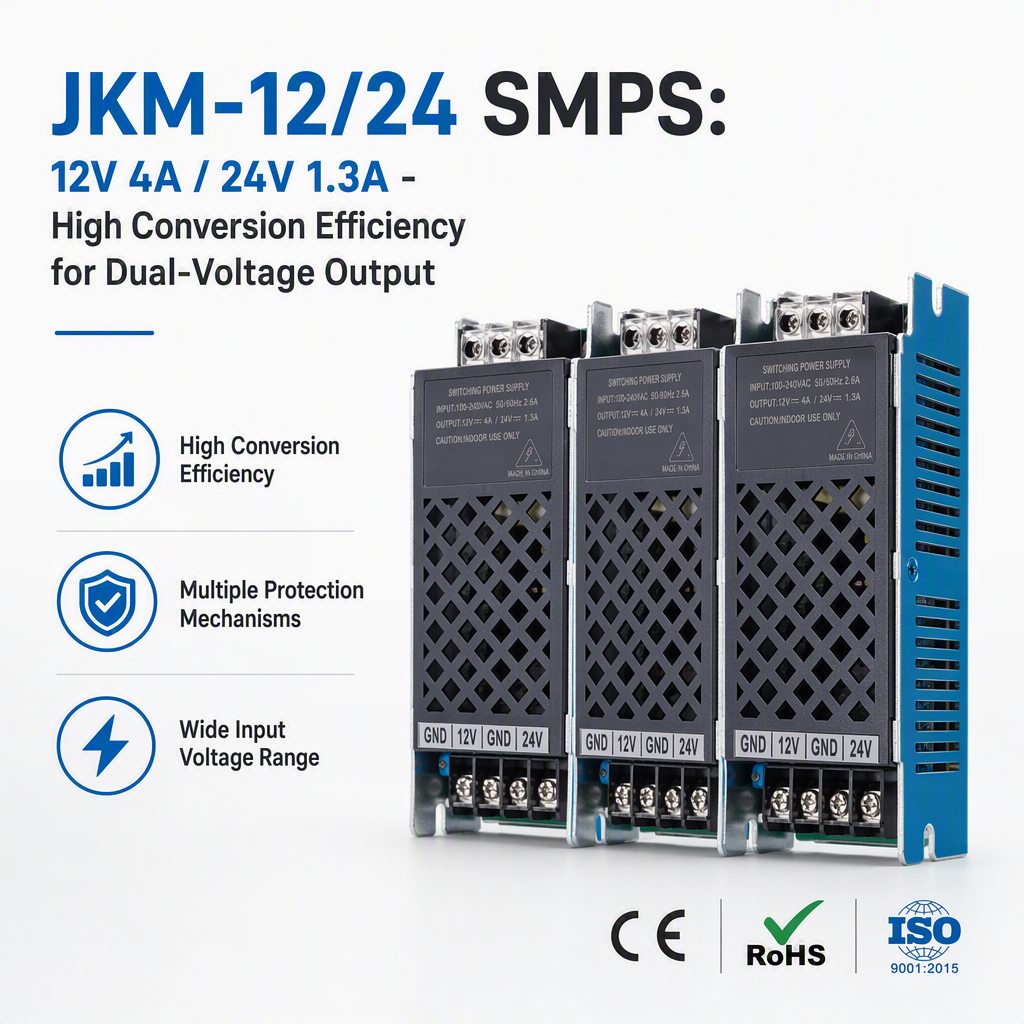
Low EMI radiation, continuous surge filtering via internal toroidal filter inductors, ideal for smart metering, gateways, and BPO telecom hubs.
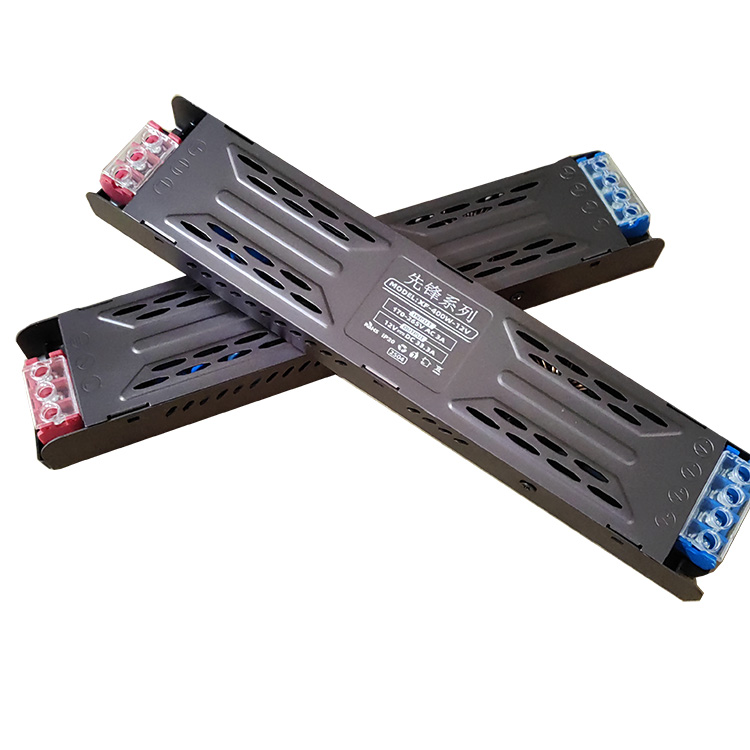
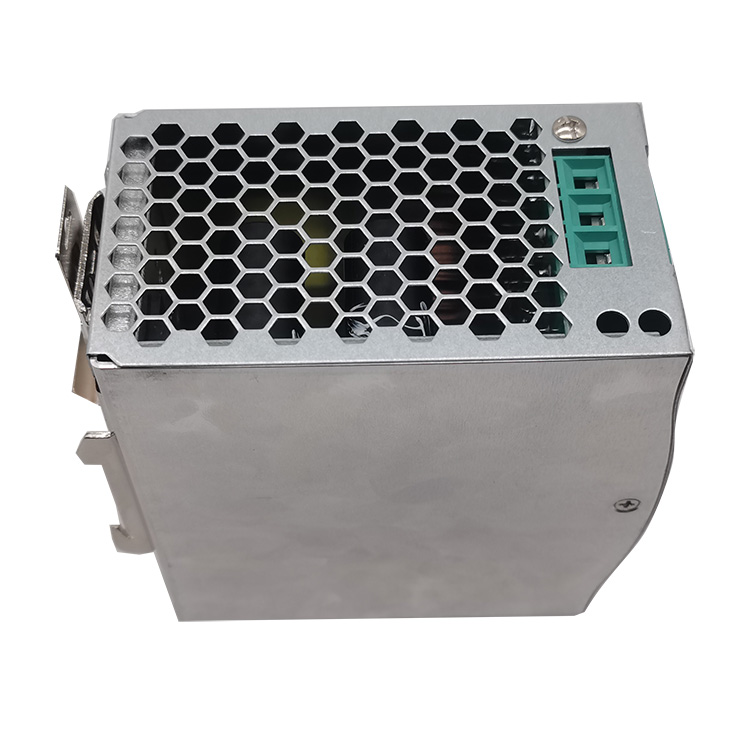
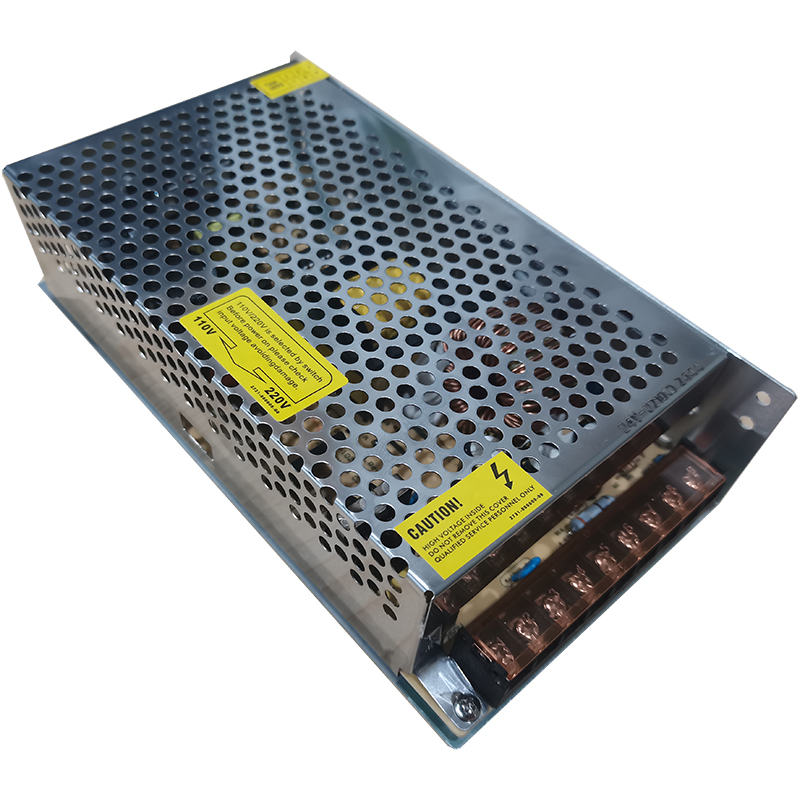
From custom nanocrystalline toroidal chokes to robust DIN Rail and slim IP67 power units, each model undergoes rigorous Hi-Pot dielectric insulation, impulse surge tests, and full-load burn-in aging prior to Manila/Cebu seaport dispatch.
Low EMI radiation, continuous surge filtering via internal toroidal filter inductors, ideal for smart metering, gateways, and BPO telecom hubs.
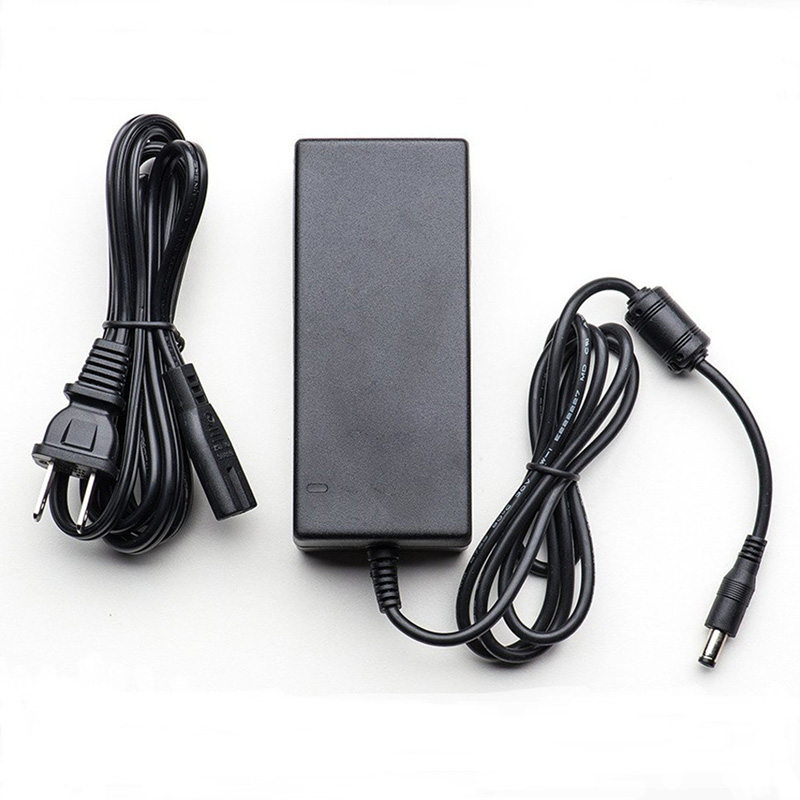
Equipped with heavy-gauge toroidal output chokes preventing core saturation during telecom tower rectifier step-load transient spikes.
High-grade ferrite core common-mode toroidal chokes integrated into the input filter line to reject volatile Philippine 60Hz harmonic fluctuations.
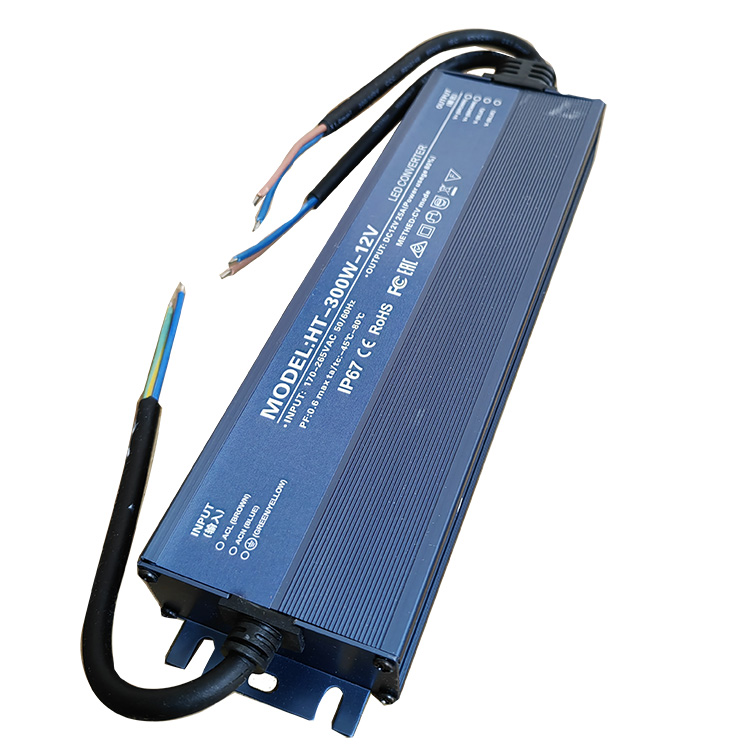
Extruded aluminum low-profile chassis with potted toroidal differential inductors delivering flicker-free constant voltage for hospitality projects.
Fully polyurethane-resin encapsulated toroidal core structure designed specifically to withstand typhoon rains and salty coastal breezes in coastal Luzon.
High MTBF magnetics optimized for high ambient temperature plant floors in Laguna Technopark and Batangas manufacturing facilities.
Features precision-wound toroidal smoothing chokes with low distributed capacitance, suppressing high-frequency harmonics in EV charging prototypes.
Engineered with high attenuation toroidal line chokes that eliminate line-induced video lines and ground-loop rolling artifacts across long cable runs.
Selecting an optimal inductive choke requires harmonizing complex electromagnetic trade-offs: magnetic flux saturation limits ($B_{sat}$), inter-turn winding self-capacitance ($C_p$), and thermal dissipation under severe ambient degradation.
For wideband electromagnetic interference (EMI) suppression, standard powdered iron cores cannot match the ultra-high initial permeability ($\mu_i$ up to 80,000–100,000) of Fe-based nanocrystalline alloys. In dual-wire symmetrical common mode chokes (CMC), our toroidal architectures provide high attenuation across 10 kHz to 100 MHz, attenuating common-mode switching noise without dropping line current power factor.
When power conversion stages demand massive energy storage without saturation under peak load, Sendust (Fe-Si-Al) and Kool Mμ distributed air-gap cores outperform gapped ferrites. With an inherent saturation flux density ($B_{sat}$) of 1.05 Tesla and zero magnetostriction, our toroidal differential chokes eliminate audible acoustic buzzing in high-frequency audio amplification and solar MPPT inverter stages.
The closed continuous ring geometry of our toroidal designs inherently maintains the magnetic flux line within the core boundary. Unlike traditional E-I or bobbin cores that radiate stray electromagnetic fringe fields into adjacent sensitive microcontrollers and telemetry ICs, toroidal inductors minimize electrodynamic radiation, safeguarding high-precision measurement instrumentation from crosstalk.
| Magnetic Core Chemistry | Permeability ($\mu_i$) | Saturation Flux ($B_{sat}$) | Curie Temp ($T_c$) | Dominant Noise Attenuation Band | Best Suited Application |
|---|---|---|---|---|---|
| Nanocrystalline (Fe-Cu-Nb-Si-B) | 60,000 – 100,000 | 1.25 Tesla | > 560 °C | 10 kHz – 30 MHz (High Common Mode) | EV On-board Chargers, Solar Central Inverters, Industrial VFDs |
| MnZn High-Perm Ferrite | 5,000 – 15,000 | 0.45 – 0.52 Tesla | 130 – 210 °C | 100 kHz – 50 MHz (Balanced CMC) | Switch-Mode Power Supplies, Telecom Rectifiers, Smart Meters |
| NiZn Low-Perm Ferrite | 100 – 1,500 | 0.30 – 0.40 Tesla | 180 – 350 °C | 10 MHz – 500 MHz (VHF Suppression) | High-Speed Data Lines, BPO Server Line Filters, Radio Equipment |
| Sendust (Kool Mμ / Fe-Si-Al) | 60 – 125 | 1.05 Tesla | > 500 °C | Differential Mode Ripple Smoothing | PFC Boost Stages, Solar MPPT Chokes, Uninterruptible Power (UPS) |
| Iron Powder (Carbonyl / Hydrogen) | 10 – 90 | 1.40 – 1.60 Tesla | > 700 °C | Low Frequency High-Current DC Choke | Heavy-Duty Line Inductors, Motor Drives, High-Surge Rectifiers |
Deploying electronic hardware in the Philippines means engineering against a singular confluence of conditions: 230V / 60Hz delta distribution topologies, widespread island micro-grids, chronic voltage sags, lightning transients, and ambient humidity averaging above 85% RH.
Within Calabarzon (Cavite-Laguna-Batangas-Rizal-Quezon) and Clark Freeport, semiconductor fab, SMT assembly, and automotive wire-harness lines require ultra-clean mains power. High-speed picking and automated optical inspection equipment suffer data corruptions from switching transients of nearby heavy stamping presses. Our high-attenuation toroidal chokes attenuate conducted common-mode transients directly inside the distribution sub-panel and machine control cabinets.
As remote islands across Palawan, Visayas, and Mindanao convert to hybrid solar-diesel microgrids, battery energy storage systems (BESS) face heavy DC bus ripple current. Toroidal Sendust storage chokes withstand elevated DC bias while filtering the high PWM switching noise of bi-directional inverter bridges, guaranteeing clean sinusoidal AC outputs meeting the strict Philippine Grid Code (PGC) Total Harmonic Distortion (THD < 5%) threshold.
The IT-BPO corridor in Makati, Bonifacio Global City (BGC), and Ortigas requires uninterrupted operations 24/7/365. Megawatt-scale online double-conversion UPS systems utilize our toroidal common mode filters at inverter outputs to suppress high-frequency bearing currents in central HVAC chillers, cooling towers, and prevent IT server cabinet power supply synchronization trips during automatic transfer switch (ATS) transitions.
Cell sites operated across the Philippine archipelago are subjected to airborne sea salts, monsoon typhoons, and lightning discharges. Our vacuum-pressure impregnated (VPI) and hermetically potted toroidal choke modules prevent salt-spray galvanic corrosion, preventing insulation breakdown and keeping 4G/5G Remote Radio Heads (RRH) and DC rectifier rectifying units clear of RF self-interference.
Strategic shifts in domestic infrastructure policy, the CREATE Act tax incentives, and the National Renewable Energy Program (NREP) are driving profound demand changes for passive inductive components.
The Philippine Department of Energy (DOE) has mandated expanding renewable generation to 35% of the total energy mix by 2030, and 50% by 2040. This acceleration has ignited a massive rollout of utility-scale solar farms in Central Luzon, rooftop commercial solar installations across industrial parks, and micro-hydro projects in Mindanao.
Central inverters, string inverters, and multi-string MPPT controllers are moving toward higher switching topologies based on Silicon Carbide (SiC) and Gallium Nitride (GaN) power semiconductors. Standard E-I ferrite and laminated iron cores suffer catastrophic eddy-current losses at these 50 kHz – 200 kHz speeds. In contrast, ultra-thin nanocrystalline ribbons and Sendust toroidal chokes have emerged as the mandated engineering standard, allowing Filipino design houses and contractors to shrink passive component volume by over 40% while hitting 98.8% inverter efficiency.
Simultaneously, PEZA-registered Tier 1 and Tier 2 Contract Electronics Manufacturers (CEMs) are actively diversifying supply chain dependencies away from high-cost European imports, establishing direct, audit-verified OEM partnerships with premier manufacturing facilities in China capable of custom magnetic builds.
The government's Public Utility Vehicle Modernization Program (PUVMP) is replacing over 150,000 legacy jeepneys with pure electric and Euro-4 compliant hybrids. This transformation mandates reliable, high-power DC fast-charging depots requiring robust, high-current differential toroidal chokes capable of handling 200A charging currents without thermal degradation under tropical outdoor conditions.
Building inspection bureaus in Metro Manila and Cebu are strictly enforcing PEC 2017 Article 2.85 regarding surge protection and total harmonic current limits. Building management systems (BMS) are refusing equipment sign-off unless switching mode supplies incorporate high-attenuation toroidal Common Mode Chokes verified to IEC 61558 and IEC 62368-1 standards.
Procurement directors inside export processing zones are rapidly transitioning to direct-from-factory arrangements. By leveraging zero-rated Value Added Tax (VAT) and duty-free import mechanisms under PEZA documentation, Philippine manufacturers cut lead times from 16 weeks down to 3–4 weeks while reducing component bill-of-materials costs by 22–35%.
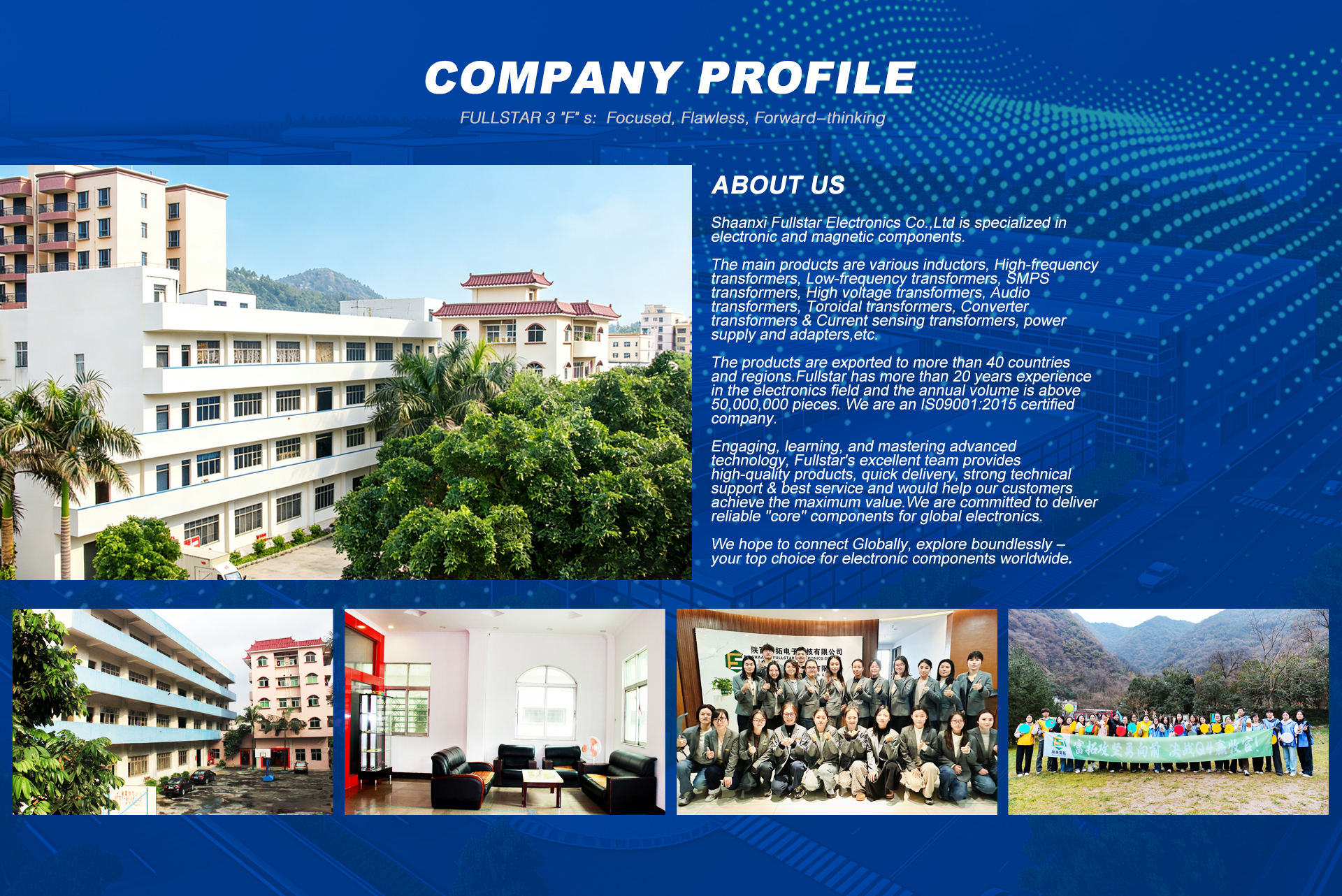
Shaanxi Zelqo Power Co., Ltd. (based in Xi'an, Shaanxi, China) engineers high-reliability magnetic components and switching power solutions. We do not relabel catalog off-the-shelf inductors; our electrical engineers optimize core permeability, number of turns, winding wire gauge, and potting composition specifically around your schematics.
Our engineers compute exact cross-sectional core area ($A_e$), effective magnetic path length ($l_e$), winding turns, and dielectric spacing for your precise target operating frequency, avoiding parasitic self-resonance.
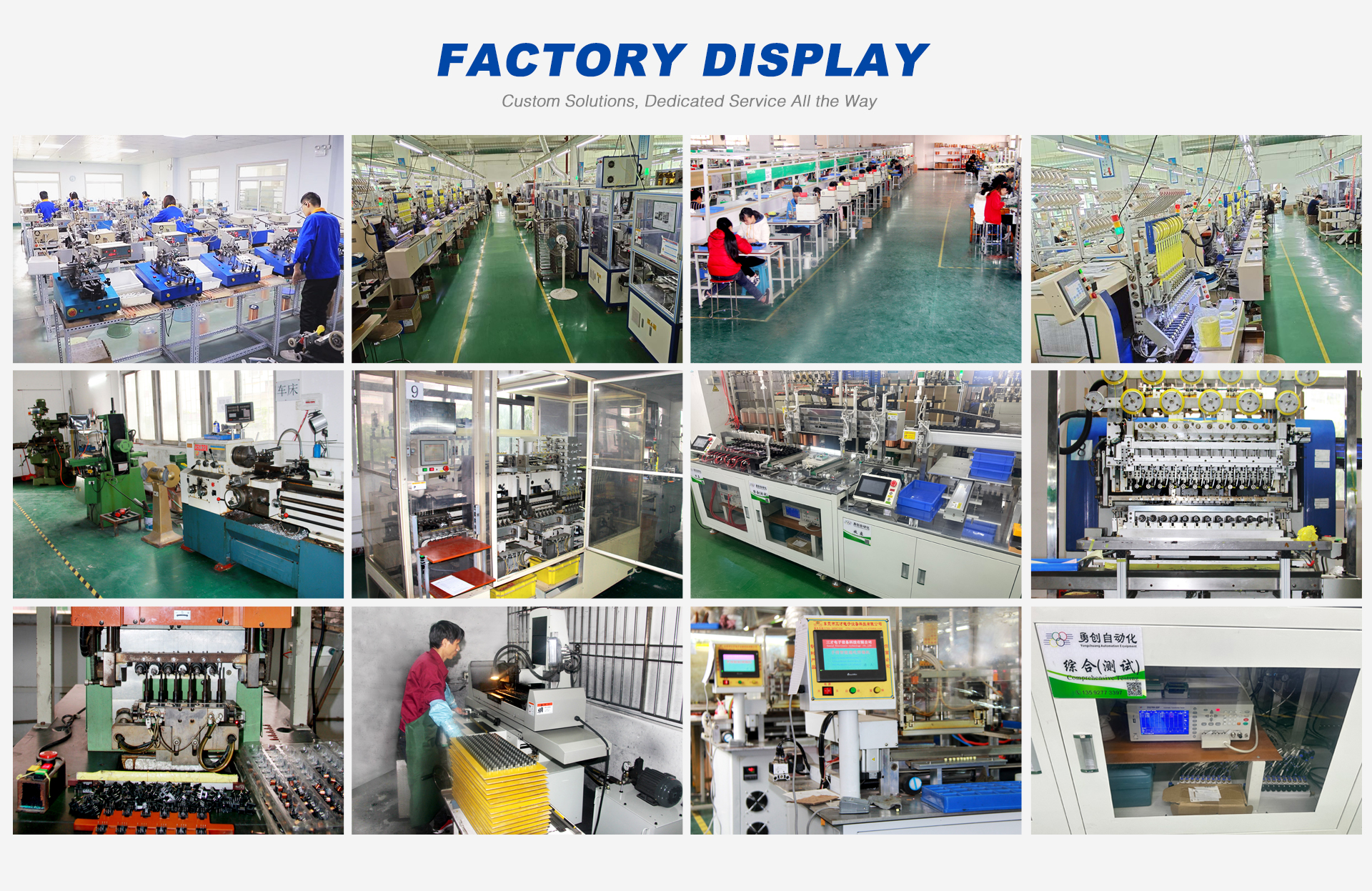
Equipped with high-precision LCR digital bridges, DC low-resistance testers, impulse winding surge testers, and high-voltage dielectric break testers to verify zero turn-to-turn insulation micro-faults.
Optional vacuum varnish dip, total polyurethane resin potting, or epoxy encapsulation offering superior resistance to mold growth, salt fog atmosphere, and constant 90%+ relative humidity.
Production operations verified by Intertek. Comprehensive batch test certificates, material RoHS / REACH conformance declarations, and mill test certificates supplied with each maritime shipment.
From initial schematic review to door-to-door delivery across Luzon, Visayas, and Mindanao, our engineering-driven export workflow minimizes procurement risk and eliminates lead time uncertainty.
Filipino engineers submit target electrical specs: nominal inductance ($\text{mH}/\mu\text{H}$), rated RMS current, saturation current ($I_{sat}$), max DC resistance ($DCR$), operating frequency, and physical footprint limits.
We custom wind sample units using exact magnetic core materials (nanocrystalline, Sendust, or MnZn). Prototypes are verified on LCR bridge testers and shipped via air express (DHL/FedEx) within 5–7 working days.
Your team evaluates the prototype in your production environment (checking temperature rise under 230V/60Hz, EMI spectral attenuation, and thermal stability inside your chassis enclosure).
Once approved, pilot or mass production commences. Every single unit goes through 100% turn-ratio, winding resistance, and high-potential dielectric breakdown testing with traceable batch serials.
Custom packaging using moisture-barrier foil bags with desiccant packs. We accommodate PEZA zero-VAT document preparation, Form E preferential certificates, and CIF Manila, Subic, or Batangas seaports.
Clear, definitive technical and supply-chain answers for design engineers, purchasing managers, and PEZA facility directors.
While the nominal voltage is similar, the higher 60Hz frequency coupled with widespread ungrounded three-phase Delta distribution in the Philippines often introduces substantial harmonic distortion (especially 3rd, 5th, and 7th harmonics) from commercial air conditioning and non-linear VFD industrial loads. Furthermore, rural and industrial zones regularly experience line voltage swells reaching 250V–260V.
If a toroidal choke is designed with inadequate core cross-section ($A_e$) or a ferrite material with a low saturation flux ($B_{sat}$ < 0.4T), harmonic current peaks can push the core beyond its magnetic knee point into saturation. Once saturated, inductance plummets to near zero, creating a short circuit condition that destroys input rectifiers and MOSFETs. Zelqo Power engineers compute magnetic saturation thresholds with a minimum 30% safety margin specifically for Philippine line volatility.
Yes. Many of our corporate clients operate inside Philippine Economic Zone Authority (PEZA) zones such as Laguna Technopark, First Philippine Industrial Park (FPIP) in Batangas, and Clark Freeport Zone. We routinely accommodate PEZA documentation requirements, providing correct commercial invoices, detailed packing lists, and Certificates of Origin (Form E or standard COO) to ensure smooth Bureau of Customs (BOC) e-IPS clearance without payment of customs duties or import VAT.
Standard open-frame chokes deployed in tropical islands suffer rapid fungal growth, dielectric breakdown across insulation bobbins, and terminal corrosion. We offer three tiers of protection: (1) Vacuum-Pressure Impregnation (VPI) using class-H solventless polyester varnishes; (2) High-adhesion polyurethane conformal coating across terminal pin solder joints; and (3) Complete hermetic encapsulation inside flame-retardant (UL 94V-0) plastic or metal cups filled with thermally conductive epoxy resin. These treatments successfully pass ASTM B117 salt fog testing and 85°C / 85% RH damp heat tests.
To produce an exact simulation and engineering quote, please provide: (1) Inductor type: Common Mode Choke (CMC) or Differential Mode Storage Choke; (2) Nominal Inductance at 10kHz or 100kHz (e.g., 2x 10mH or 47μH); (3) Rated operating RMS current and maximum peak/surge current ($I_{sat}$); (4) Maximum permissible DC resistance ($DCR$ in mΩ); (5) Maximum physical dimensions (Outer Diameter, Inner Diameter, Height); and (6) Mounting configuration (vertical/horizontal PCB header base, radial lead wires, or surface mount SMD pad).
Rapid engineering prototypes are normally wound, tested, and dispatched within 5 to 7 working days via DHL or FedEx air express, arriving in Manila or Clark within 3 to 4 days. Standard mass production orders (5,000 to 50,000 pieces) require approximately 2 to 3 weeks following sample sign-off. Maritime freight from Qingdao or Shanghai to Manila International Container Port (MICP) or Cebu Port typically takes only 7 to 10 days of sailing time, providing one of the shortest ocean supply chains available in Southeast Asia.
Nanocrystalline cores provide roughly double to triple the saturation flux density (1.25 Tesla vs. 0.45 Tesla for MnZn ferrite) and substantially higher permeability across the critical low-to-medium frequency band (10kHz to 1MHz). This enables our engineers to reduce the number of coil turns by 30% to 50% to achieve the same common-mode impedance. Fewer turns mean lower copper DC resistance ($DCR$), dramatically reduced inter-winding stray capacitance ($C_p$), and negligible self-heating, preventing core saturation when large Variable Frequency Drives (VFDs) switch heavy inductive motors in manufacturing plants.