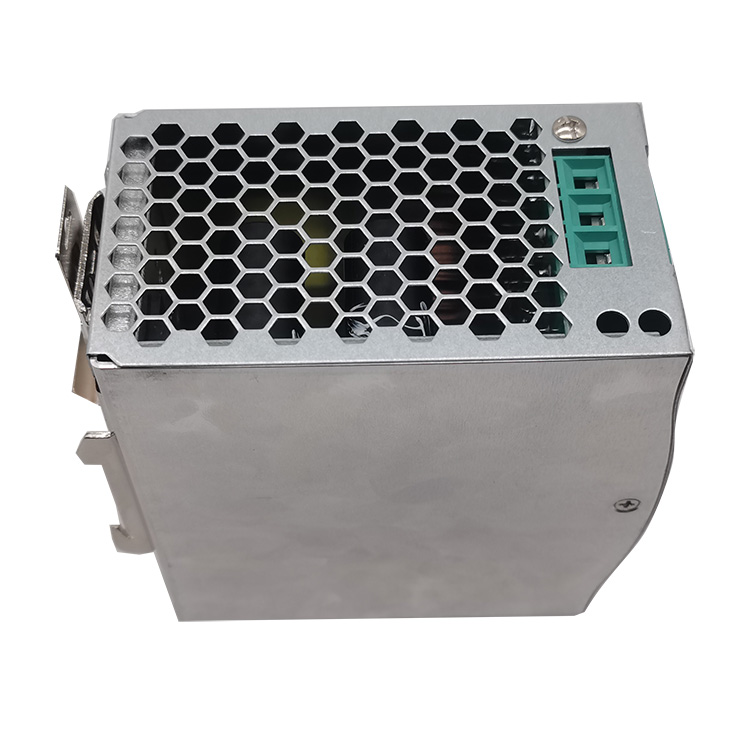
DC Industrial DIN Rail Power Supply
Ruggedized line protection engineered for TS-35/7.5 or TS-35/15 rails, ideal for Tallinn automation cabinets.
DIN-Rail
Industrial SMPS
Wide Input
Verified magnetic architectures and power solutions rigorously quality-tested for Tallinn's automated machinery, telecommunication backbones, and smart robotics arrays.
Ruggedized line protection engineered for TS-35/7.5 or TS-35/15 rails, ideal for Tallinn automation cabinets.
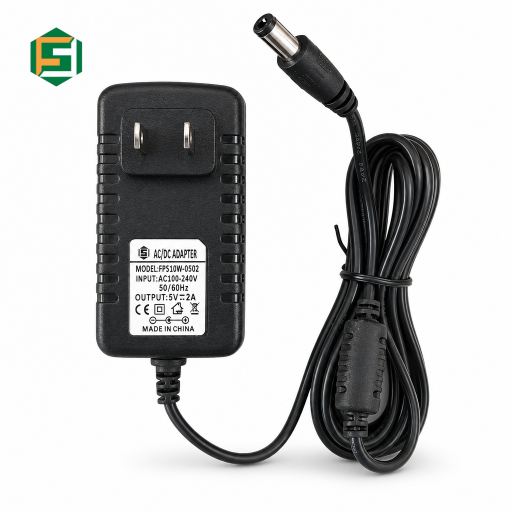
Integrated ferrite suppression ring, multi-tier isolation barrier, engineered for continuous IoT edge compute.
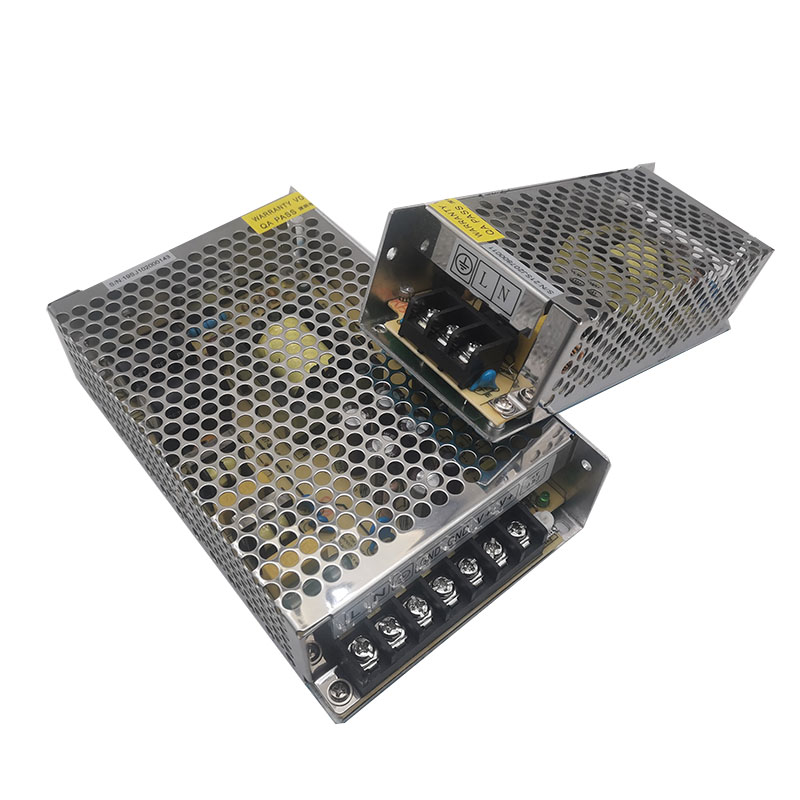
High-efficiency conversion topology with 10A-50A configurations designed for industrial LED arrays and heavy machinery.
Precision regulated multi-voltage (5V–24V) adaptor designed for telecom terminal instrumentation and smart metering.
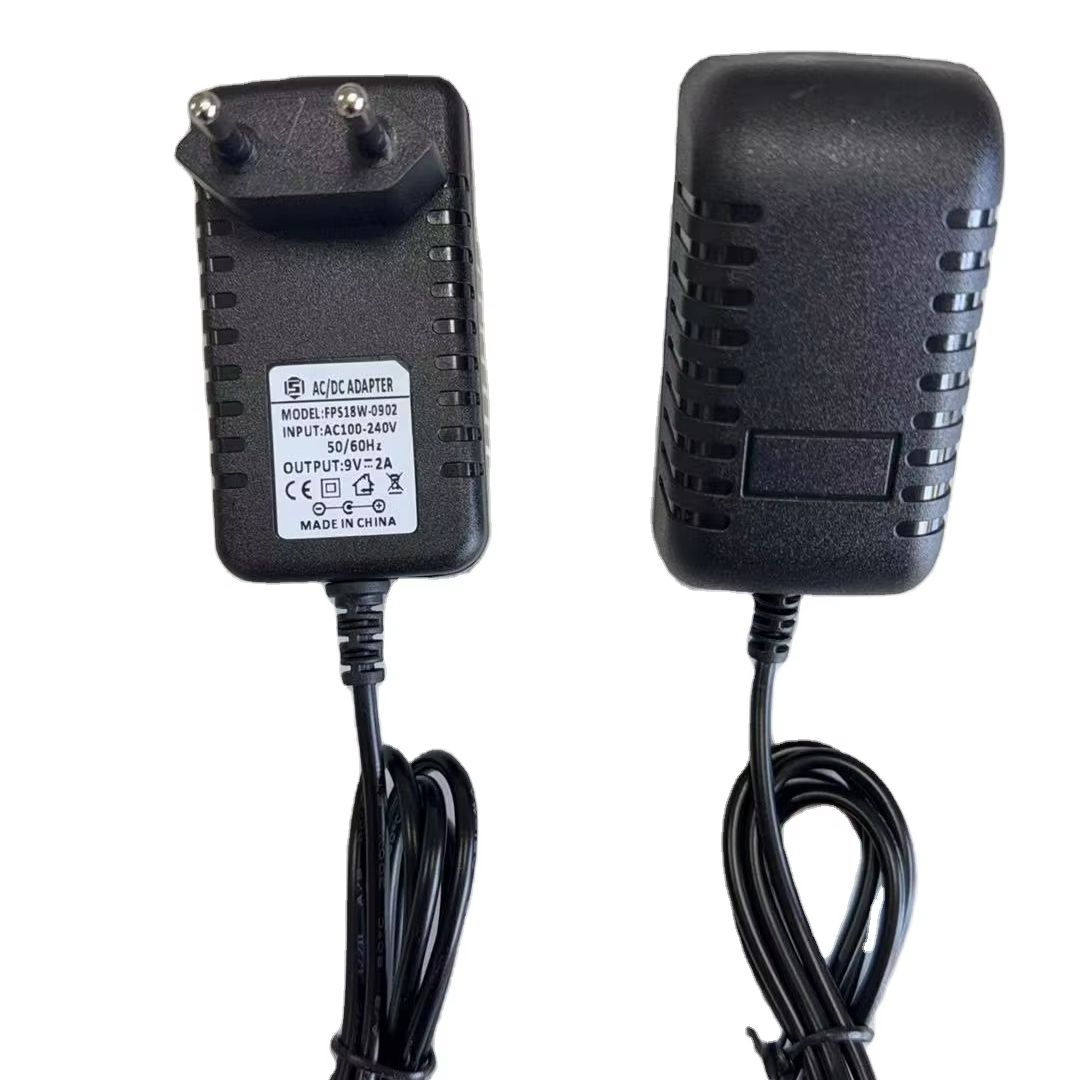
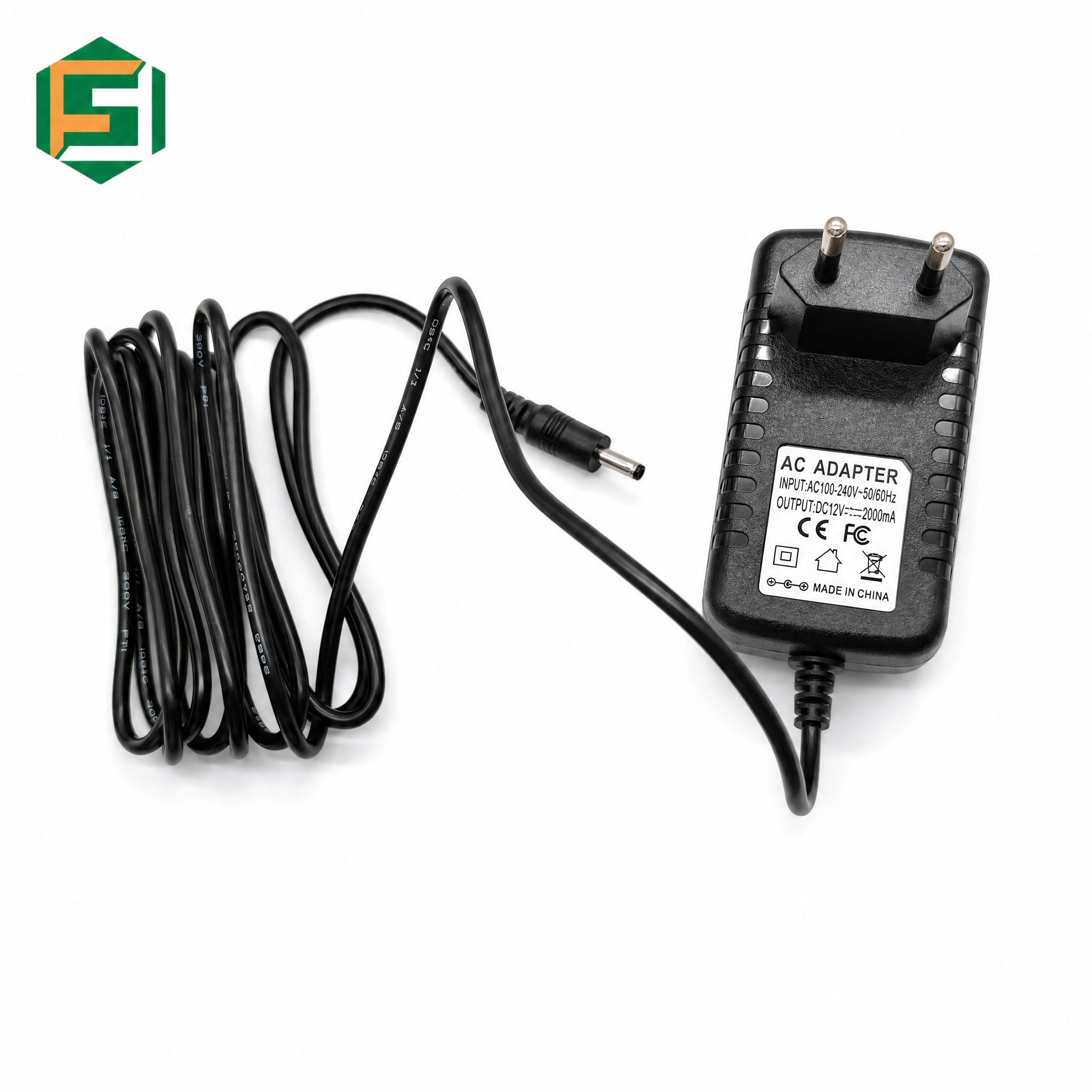
High-grade copper winding featuring integrated ferrite core and 2m heavy-duty PVC cabling for laboratory instruments.
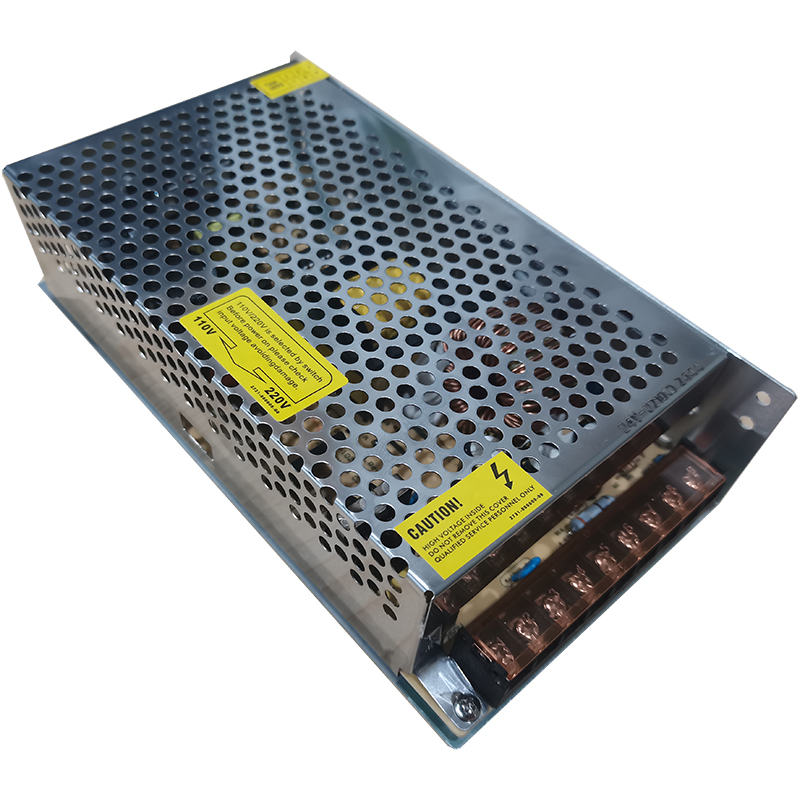
Versatile voltage step-down topology offering 24V to 200V adjustments for automated robotic platforms and CNC control.
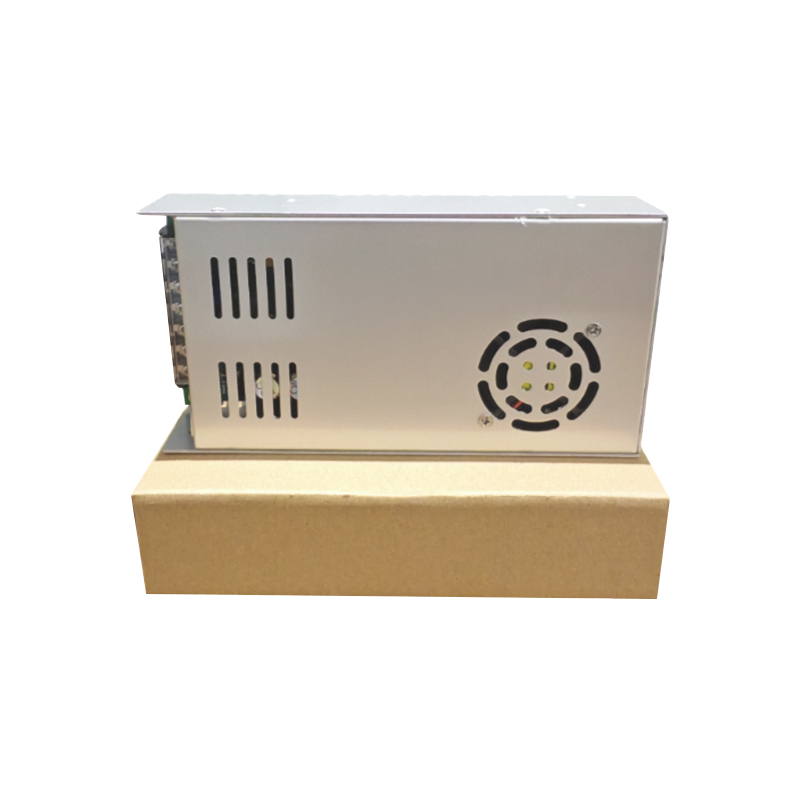
Perforated aluminum thermal housing with custom terminal breakouts designed for ruggedized harsh operating environments.
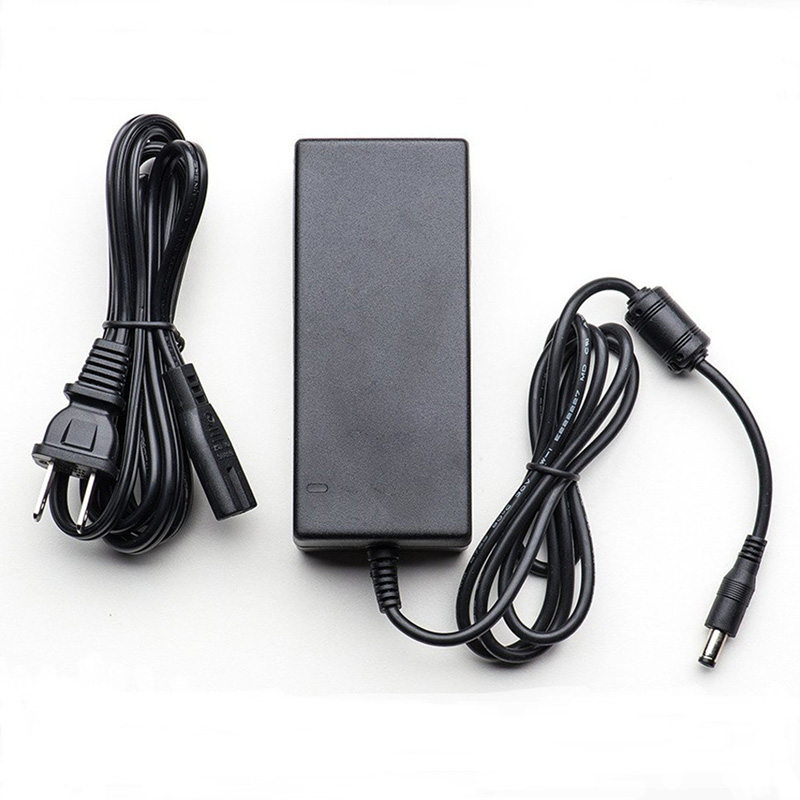
Selectable output (5V–19V) featuring short-circuit lock and ultra-low no-load dissipation conforming to EU Ecodesign.
Verified Buyer Satisfaction
Hi-Pot & Aging Tested
European Union Compliance
Dedicated QC Inspection Stages
In modern industrial electronics, power quality is heavily determined by the structural and metallurgical properties of magnetic components. For industrial buyers, electronic manufacturing services (EMS), and automation builders in Tallinn, Estonia, selecting an EI transformer requires understanding core loss dynamics, hysteresis phenomena, and dielectric barrier engineering.
Shaanxi Zelqo Power utilizes cold-rolled grain-oriented (CRGO) and cold-rolled non-grain-oriented (CRNGO) silicon steel laminations with high permeability and low specific core loss (watts per kilogram). The classic EI geometry, consisting of interlocking 'E' and 'I' stampings, establishes a closed magnetic loop that minimizes fringe flux and electromagnetic interference (EMI). Unlike standard commercial off-the-shelf transformers, our low-frequency EI designs incorporate high-grade copper magnet wire (Class B 130°C, Class F 155°C, or Class H 180°C) precision-wound on flanged bobbins, providing physical and electrical separation between primary and secondary circuits.
Technical Note on Core Saturation: Operating under Estonia's 230V/400V 50Hz grid conditions, magnetic cores must withstand mains fluctuations without premature saturation. Zelqo EI transformers are calculated with a conservative magnetic flux density (Bmax typically between 1.2 to 1.5 Tesla) to prevent thermal runaway and acoustic hum during sustained operational transients.
Vacuum-pressure impregnation (VPI) with dielectric varnish eliminates microscopic air pockets within the coil layers. This prevents mechanical vibration of the silicon steel sheets, drastically reduces audible noise to under 30 dB, improves heat dissipation across the stack, and prevents moisture-induced lamination oxidation during maritime transit across Baltic Sea logistical routes.
Tallinn has rapidly evolved into one of Europe's premier hubs for advanced technology, clean energy engineering, telecommunications, and industrial automation. Deploying magnetic components in this region requires engineering tailored to distinct industrial applications:
Firms in Ülemiste City and Muuga logistics clusters deploy automated guided vehicles (AGVs), automated sortation equipment, and PLC-driven distribution panels. Zelqo EI control transformers deliver clean secondary step-down voltages, keeping sensitive microcontrollers isolated from inductive surges caused by industrial motors and contactors.
Estonia's global digital infrastructure demands uninterruptible power systems (UPS), auxiliary telecom power modules, and server-rack environmental control systems. Our low-frequency and flyback magnetic topologies support power conversion with low total harmonic distortion (THD), maintaining continuous operational uptime.
Harju County's wind integrations and solar installations require robust auxiliary low-frequency transformers capable of enduring ambient cold snaps and high humidity. Encapsulated EI designs ensure reliable sensory telemetry, grid monitoring, and battery storage safety monitoring under harsh climatic conditions.
To assist Estonian design and procurement engineers in component selection, the table below contrasts core technical metrics across common transformer configurations:
| Performance Metric | Silicon Steel EI Laminated | Toroidal Power Core | High-Frequency Ferrite (EE/PQ) |
|---|---|---|---|
| Operating Frequency | 50 Hz / 60 Hz Line Frequency | 50 Hz / 400 Hz | 20 kHz – 500 kHz (SMPS) |
| In-Rush Current Peak | Low to Moderate (Safe for Breakers) | High (Requires Soft-Start Circuits) | Negligible (Active Control) |
| Mechanical & Surge Durability | Exceptional; High thermal mass | Moderate; Sensitive to mechanical clamping | Low; Brittle ceramic ferrite material |
| Unit Cost vs. Performance | Highly Economical / Lowest Tooling Cost | Higher material and winding cost | Economical in large OEM volumes |
| Mounting Options | Chassis Mount, PCB Pins, Channel Bracket | Center Bolt, Epoxy Potting Cup | Surface Mount (SMD), Through-Hole |
| Galvanic Isolation Strength | Up to 4.0 kV Hi-Pot Dielectric Isolation | Up to 4.0 kV with reinforced tape wrap | Reinforced margin tape / TIW insulated |
The electronics manufacturing ecosystem across the Baltic states—specifically around Tallinn, Tartu, and neighboring Nordic-Baltic production networks—is shifting toward higher power density, lower standby dissipation, and automated surface-mount assembly. The regulatory environment governed by EU Directive 2009/125/EC (Ecodesign) continues to tighten, forcing designers to eliminate parasitic no-load losses.
In response, modern EI transformers are transitioning toward ultra-thin silicon steel laminations (0.23mm to 0.35mm thickness) with specialized crystalline grain orientations to mitigate eddy-current losses. Furthermore, the integration of smart thermal monitoring within transformer windings (such as PTC thermistors and precision thermal fuses) is becoming standard practice among Estonian industrial OEMs. As local manufacturers scale up modular power supplies, there is also increased demand for hybrid power units: combining an initial low-frequency EI isolation stage for spike protection with high-frequency switching regulators to optimize overall space and efficiency.
Headquartered in Xi'an, Shaanxi, China, Zelqo Power is an Intertek-verified custom manufacturer and exporter supplying industrial magnetics, switching mode power supplies, and adapters to B2B OEMs worldwide.
Operating a dedicated manufacturing facility equipped with automated CNC multi-axis winding systems, continuous vacuum varnishing equipment, and precision LCR digital bridge testing arrays, we ensure that every batch exported to Tallinn adheres strictly to contract drawings and electrical tolerances.
Collaborate directly with our power engineering group to optimize turn ratios, thermal class profiles, and mounting geometry for your Tallinn bill of materials.
Inquire NowKey technical, regulatory, and logistics questions addressed for engineering and purchasing teams operating across Estonia: