50/60 Hz
Frequency Compliant
Class H
180°C Thermal Rating
100%
Hi-Pot Tested Pre-Shipment
Intertek
On-Site Verified Facility
Featured Component Lineup
Engineered Power Solutions for Field Deployment
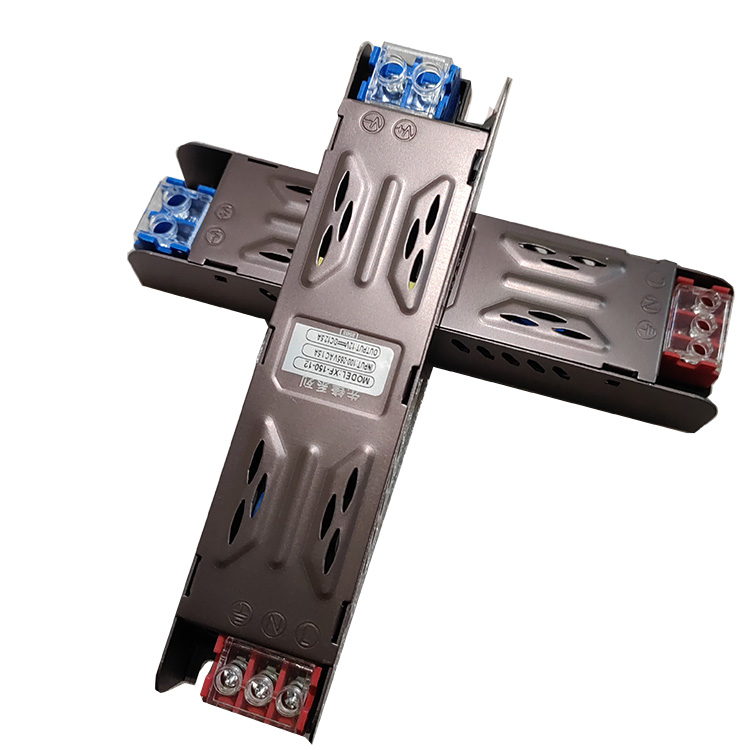
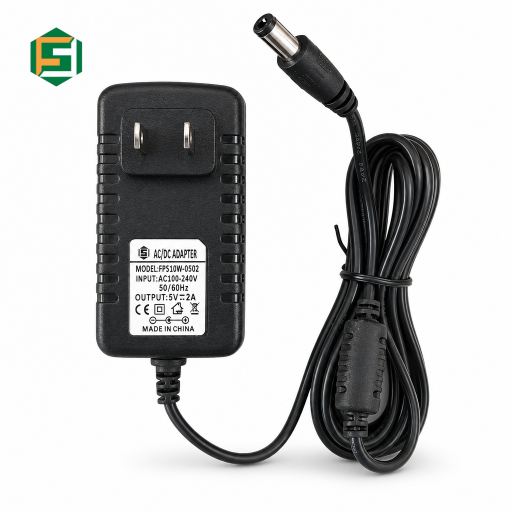
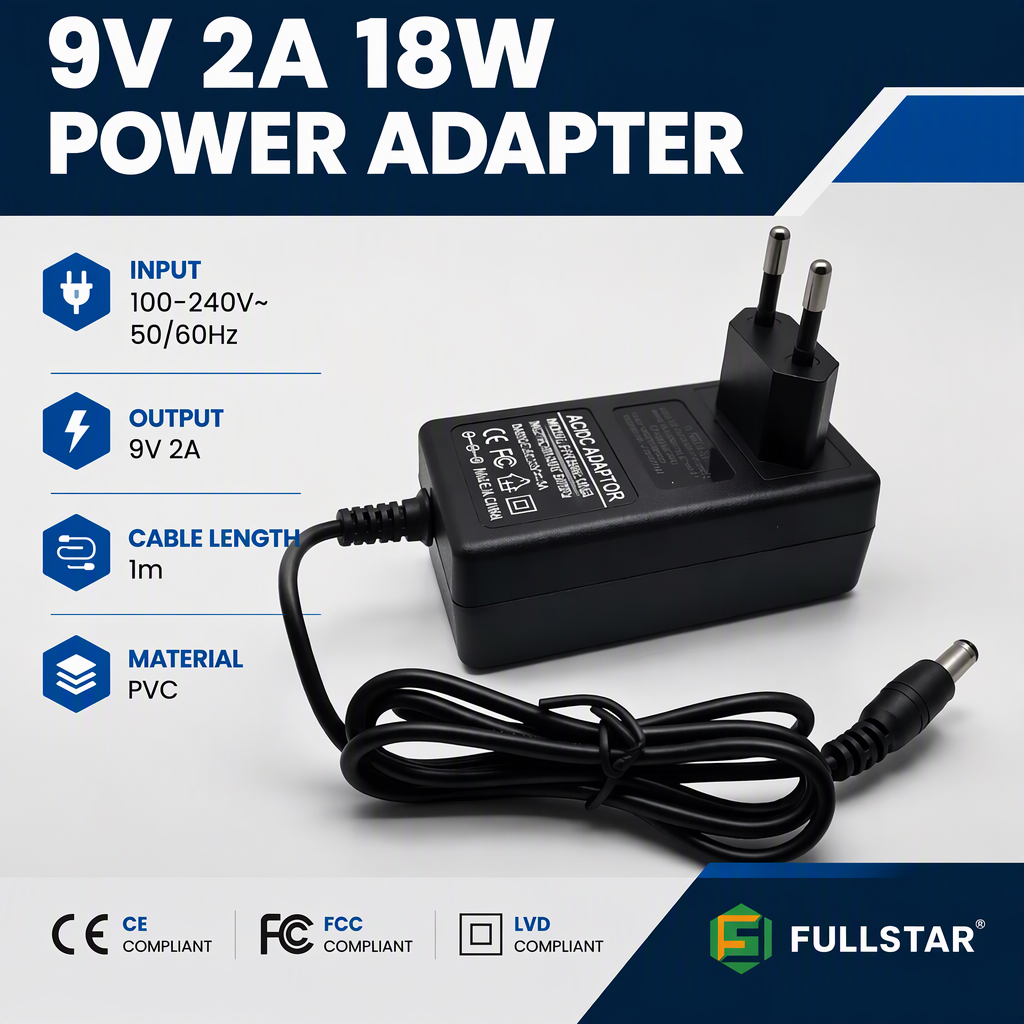
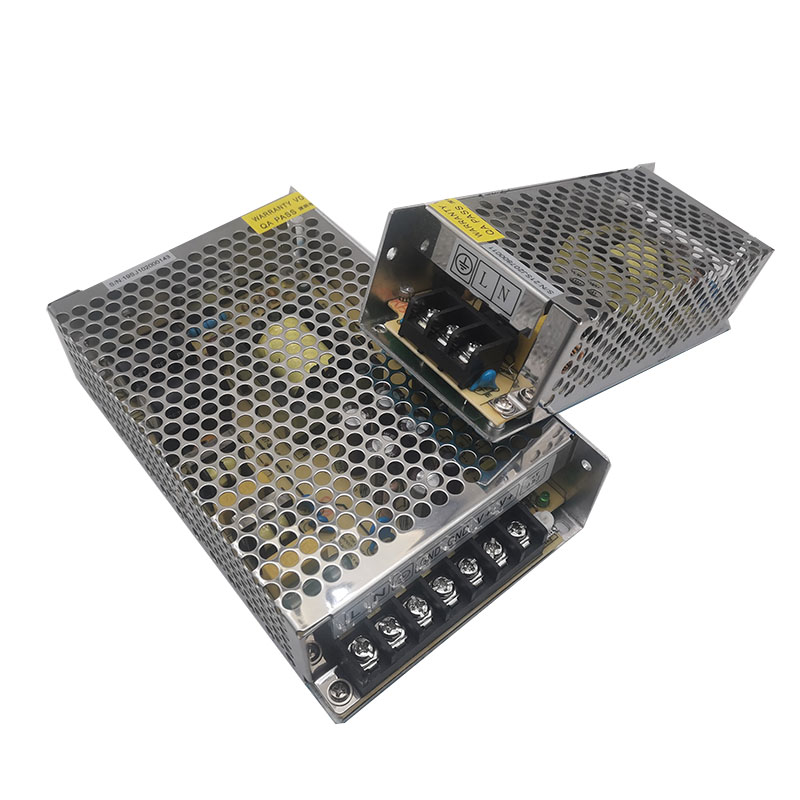
Tested and audited AC-DC switching mode power supplies, low-frequency conversion units, and industrial transformers matched to tropical and marine infrastructure.
Technical Architecture: Low-Frequency Magnetic Conversion in Island Grids
In electrical engineering, low-frequency transformers operate predominantly at the fundamental AC grid frequency of 50 Hz or 60 Hz. Unlike high-frequency switch-mode topologies that prioritize compact magnetic cores through switching frequencies exceeding 100 kHz, low-frequency electromagnetic components rely on silicon steel laminations (grain-oriented or non-oriented) to deliver superior galvanic isolation, exceptional transient immunity, and unmatched resilience against line surges. For regional engineers and infrastructure contractors operating in Saint Lucia and the wider Lesser Antilles, sourcing rugged low-frequency transformers is essential to ensure operational continuity under fluctuating utility voltages.
Saint Lucia’s national grid, overseen by LUCELEC (St. Lucia Electricity Services Limited), operates on a nominal 230/400V 50 Hz distribution architecture. However, proximity to North American supply chains introduces substantial inventories of 120V/240V 60 Hz machinery across hotels, manufacturing facilities, agro-processing sites, and maritime shipping hubs in Castries Harbour and Cul de Sac. Low-frequency autotransformers and dual-winding isolation transformers form the electromagnetic bridge allowing cross-standard equipment integration without premature thermal runaway or saturation issues caused by frequency mismatches.
Shaanxi Zelqo Power Co., Ltd. applies advanced magnetic modeling to compute core stack thickness, flux density (maintaining working flux below 1.5 Tesla to avoid saturation at 50 Hz operation), wire diameter derating for high ambient humidity, and vacuum pressure impregnation (VPI). These engineering considerations eliminate audible hum, resist dielectric breakdown from salt-laden atmospheres, and ensure that custom toroidal and EI transformers exceed international benchmarks such as IEC 61558-1 and UL 5085.
Field Engineering Context
Localized Applications in the Castries Ecosystem
Targeted electromagnetic integration across Saint Lucia's critical economic sectors.
Maritime & Port Infrastructure
Castries Port and mega-yacht terminals require rugged 50 Hz to 60 Hz step-down galvanic isolation units. These protect sensitive navigational systems and shipboard battery chargers from shoreside voltage spikes and severe galvanic corrosion induced by salt spray.
Hospitality & Micro-Hydro/Solar
Eco-resorts spanning Soufrière and northern Castries leverage off-grid solar inverters requiring low-frequency toroidal output filtering. These mitigate third-order harmonics, handle inductive pump surge currents up to 300%, and eliminate electronic humming in luxury suites.
Agro-Processing & Light Industry
Light manufacturing plants in Bisee and Union industrial parks rely on single-phase control transformers for automation cabinets, PLC units, and bottling lines, guaranteeing dependable operation despite recurring transient sags on long rural feeders.
Saint Lucia Energy Transition: Grid Modernization & Procurement Trends
Under Saint Lucia’s National Energy Transition Strategy (NETS), the nation targets a substantial increase in renewable generation capacity through decentralized rooftop PV arrays, battery storage plants, and exploration of geothermal resources near the Pitons. This evolution reshapes the technical requirements for low-frequency magnetic components entering the Castries market. Traditional static loads are rapidly giving way to dynamic bidirectional loads characterized by high inverter switching noise and harmonic distortion.
Consequently, local engineers are shifting procurement protocols away from off-the-shelf catalog units toward custom-designed low-loss toroidal isolation transformers featuring electrostatic shields between primary and secondary windings. Copper-wound Class H insulation transformers with thermal switches embedded within coil heads have become standard specifications among consulting electrical contractors in the Caribbean. Shaanxi Zelqo Power directly answers these modernization demands by integrating high-permeability grain-oriented silicon steel cores that minimize core loss during continuous 24/7 duty in ambient temperatures consistently exceeding 32°C with 85%+ relative humidity.
Factory Verification
Shaanxi Zelqo Power Manufacturing Capabilities
On-site verified facilities, complete production oversight, and specialized custom engineering from Xi'an to the Caribbean.
Intertek-Verified Plant
Our complete manufacturing footprint in Xi'an, China, has undergone on-site verification by Intertek, confirming production line safety, capacity, and management compliance.
Full Custom Engineering
Every parameter—including core cross-section, turn count, wire gauge, potting resin, mounting brackets, and primary/secondary taps—is calculated specifically for your application.
Multi-Stage Quality Control
Comprehensive testing across production: LCR bridge verification, impulse winding tests, Hi-Pot dielectric checks (up to 4000V), DC resistance inspection, and full-load aging tests.
Caribbean Export Logistics
Turnkey packaging using heavy export-grade cartons, desiccants, moisture-proof film wrapping, and treated wooden pallets to guarantee integrity during ocean shipping to Port Castries.
Procurement Insights
Frequently Asked Questions in the Castries Market
Technical guidance addressing import specifications, grid standards, and operational considerations.
How does Saint Lucia’s 50 Hz grid frequency affect transformers imported from North America?
Standard transformers engineered for 60 Hz operation will experience an approximate 17% increase in magnetic flux density when operated at 50 Hz under the same input voltage. This frequently forces the core into electromagnetic saturation, resulting in substantial excitation current spikes, excessive thermal buildup, audible hum, and insulation failure. Zelqo Power custom-engineers low-frequency transformers with adequate silicon steel cross-sections and adjusted turn ratios to safely handle both 50 Hz (LUCELEC standard) and 60 Hz marine or generator power inputs.
What engineering provisions protect transformers against tropical coastal humidity in Castries?
Standard airborne salt fog and high humidity accelerate corrosion on bare laminations and degrade enamelled wire insulation. We provide vacuum pressure impregnation (VPI) using Class H thermal-grade varnish, full epoxy encapsulation within sealed nylon or aluminum enclosures, stainless steel mounting hardware, and nickel-plated copper terminal blocks to inhibit corrosion over prolonged service lives.
Should our facility choose an EI laminated transformer or a toroidal core transformer?
EI transformers feature lower tooling costs, robust physical configurations, and straightforward multi-tap terminal block assemblies, making them ideal for heavy industrial machinery and plant control panels. Toroidal transformers offer up to 50% lighter weight, lower stray magnetic radiation, and negligible mechanical noise, making them the preferred choice for broadcast systems, high-end resort AV arrays, marine communication bridges, and tight inverter cabinets.
What parameters are required by Zelqo Power engineers to initiate a custom design quote?
To prepare a verified design and quotation, please supply: rated primary input voltage and frequency range, target secondary output voltages and full-load current (or total VA), isolation dielectric rating (e.g., 2.5 kV or 4 kV Hi-pot), mechanical footprint dimensions, preferred mounting scheme (chassis, DIN-rail, or PCB pin), and expected annual order quantities.
What testing documentation accompanies OEM transformer shipments destined for the Caribbean?
Every production batch undergoes individual unit testing prior to palletizing. We furnish complete Quality Inspection Certificates comprising LCR primary/secondary inductance, leakage inductance, DC copper resistance measurements, high-voltage breakdown dielectric records, and temperature-rise burn-in data under full load.
Ready to Engineer Your Custom Transformer Solution?
Speak directly with our senior magnetic design engineers. Whether you need a prototype pilot batch for equipment validation in Castries or volume container procurement, our team delivers custom-calculated blueprints within 24 hours.
Get a Quote