Xi'an, Shaanxi, China · OEM / ODM Transformer & Power Supply Manufacturer [email protected]  |  ✔ Intertek-Verified Supplier
Verified Intertek Custom Manufacturer & Exporter

Common Mode Choke Manufacturers & Exporter serving the Gdańsk Market

Precision High-Permeability Nanocrystalline & Ferrite EMI Solutions for Baltic Maritime, Offshore Wind Substations, Port Automation, and Pomeranian Power Converters

Engineered Power & Magnetic Modules

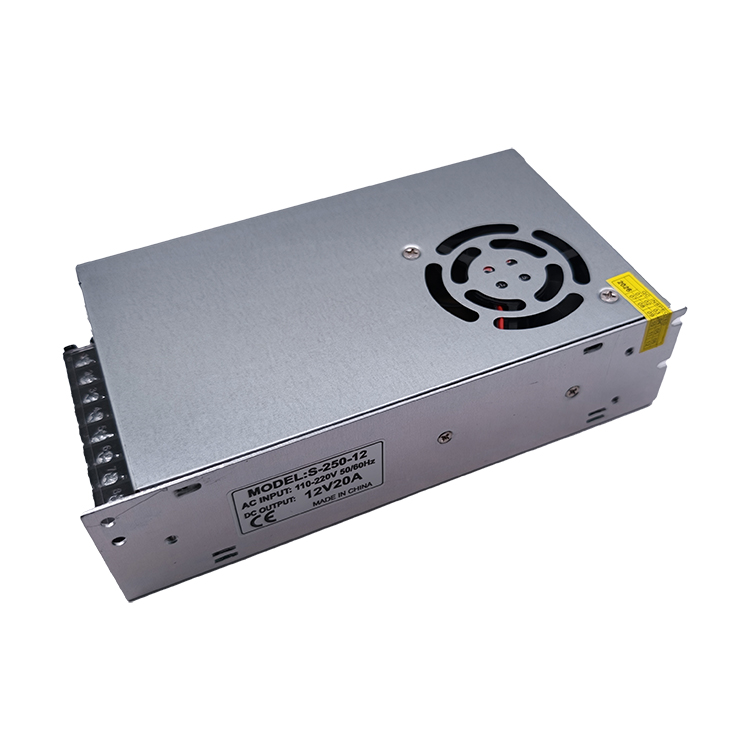
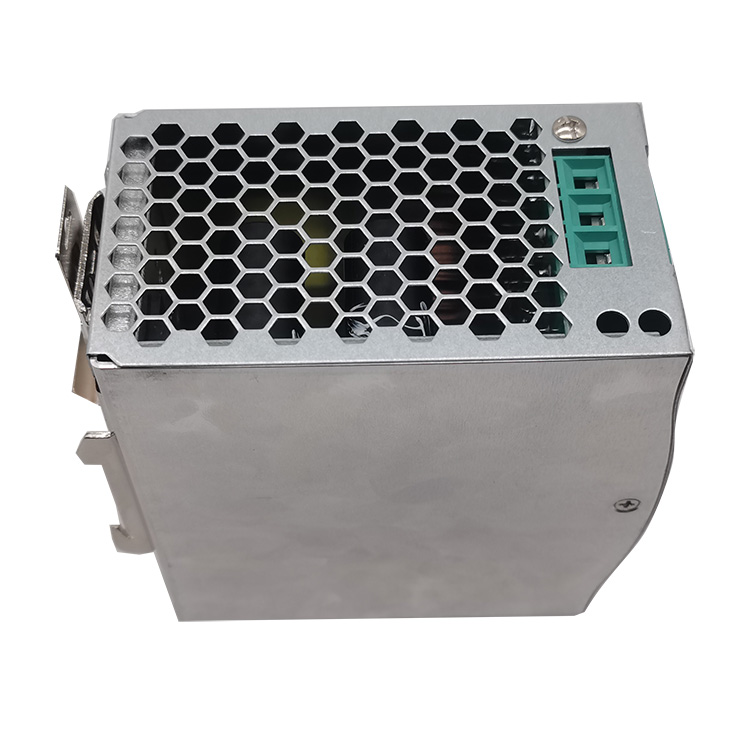
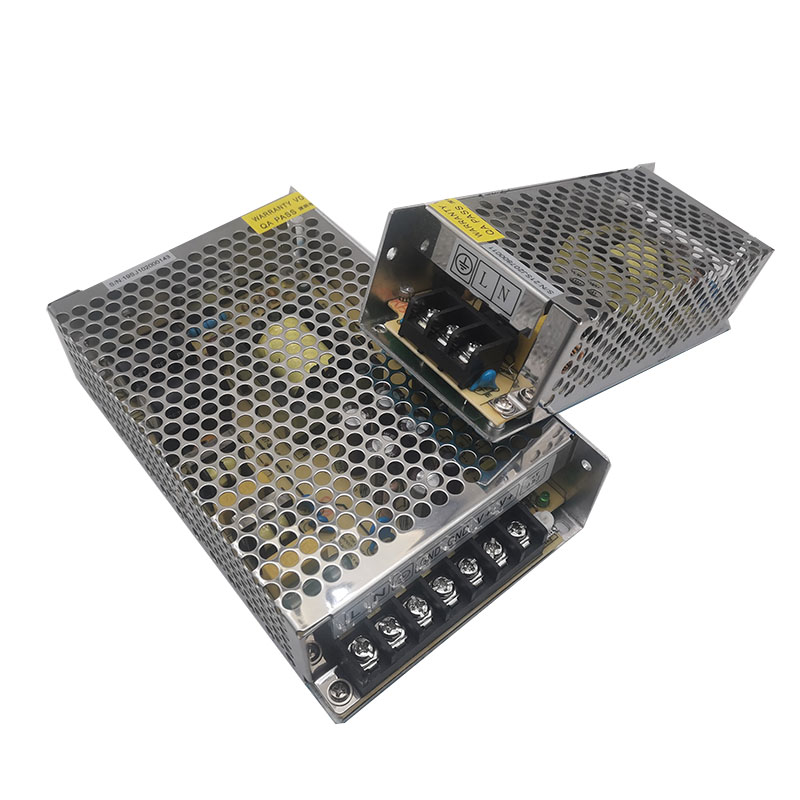
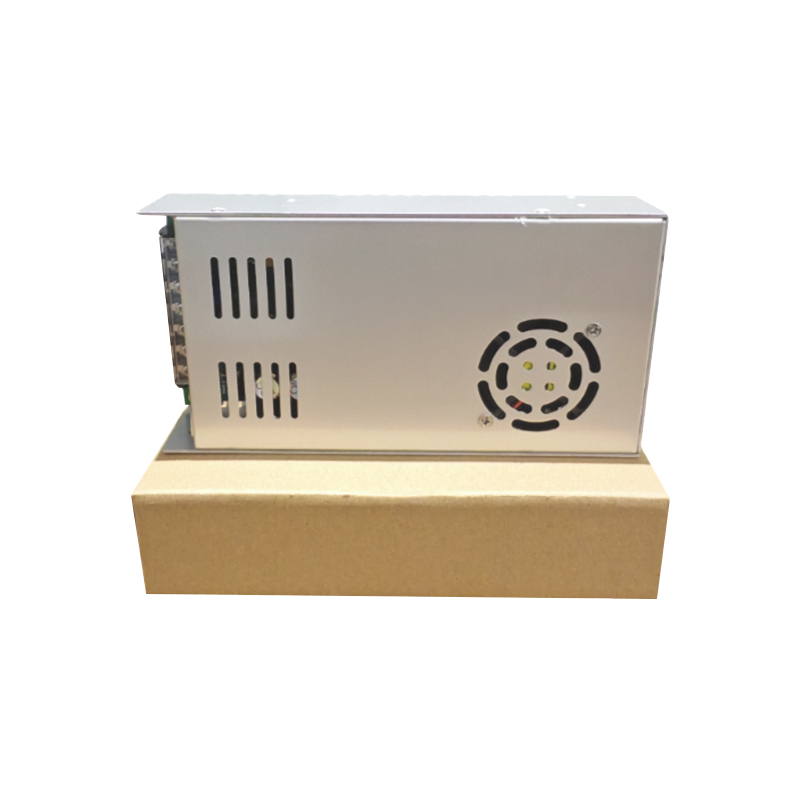
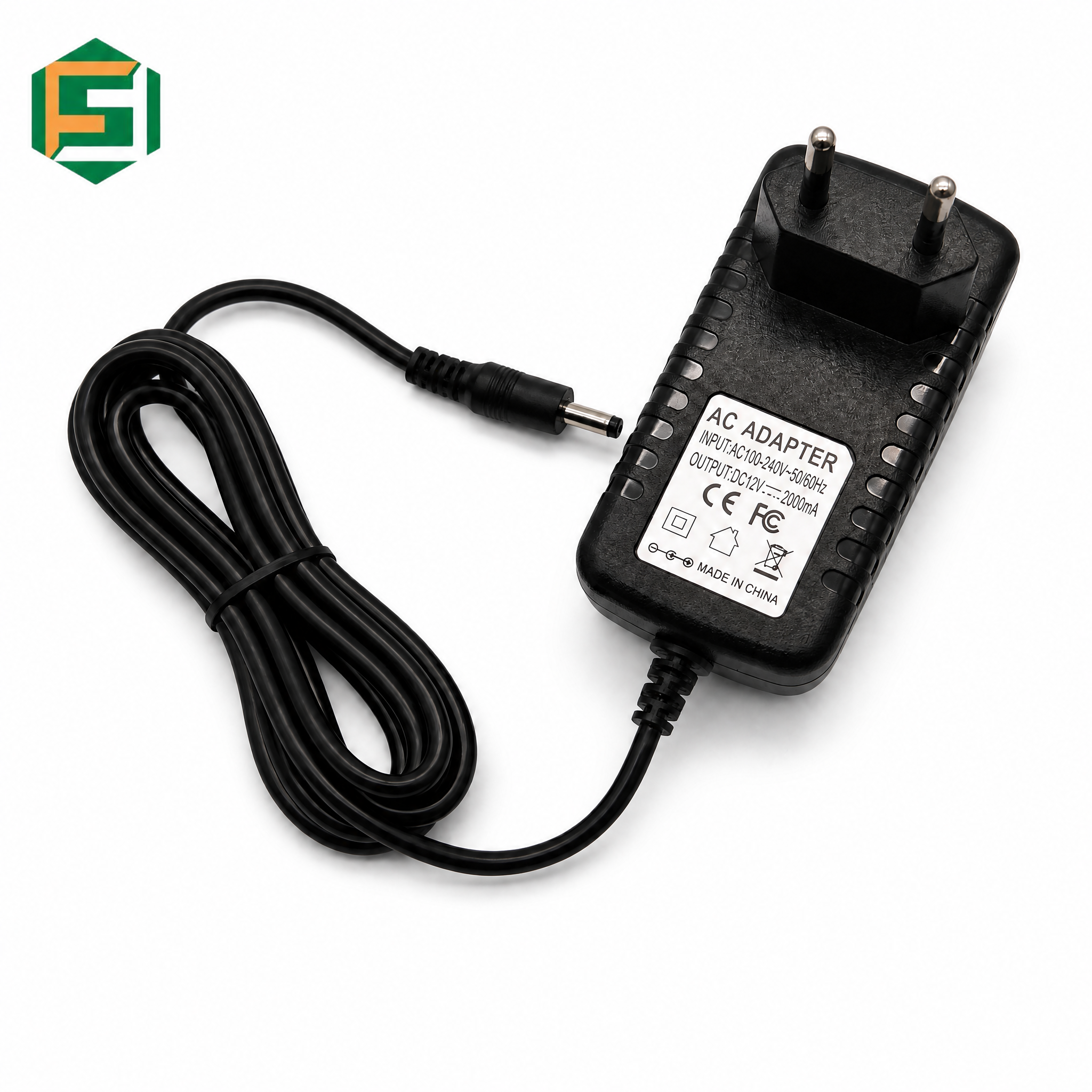
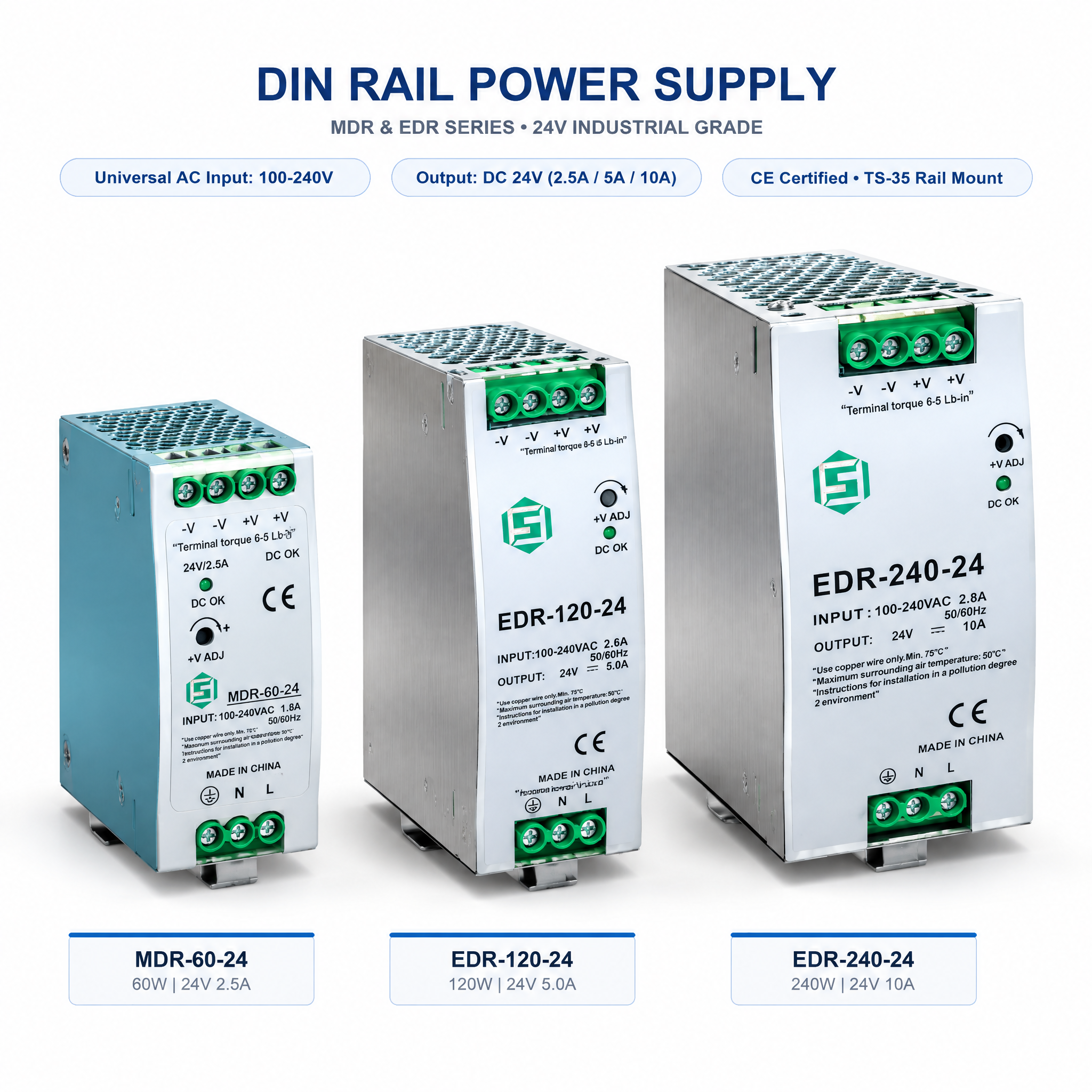
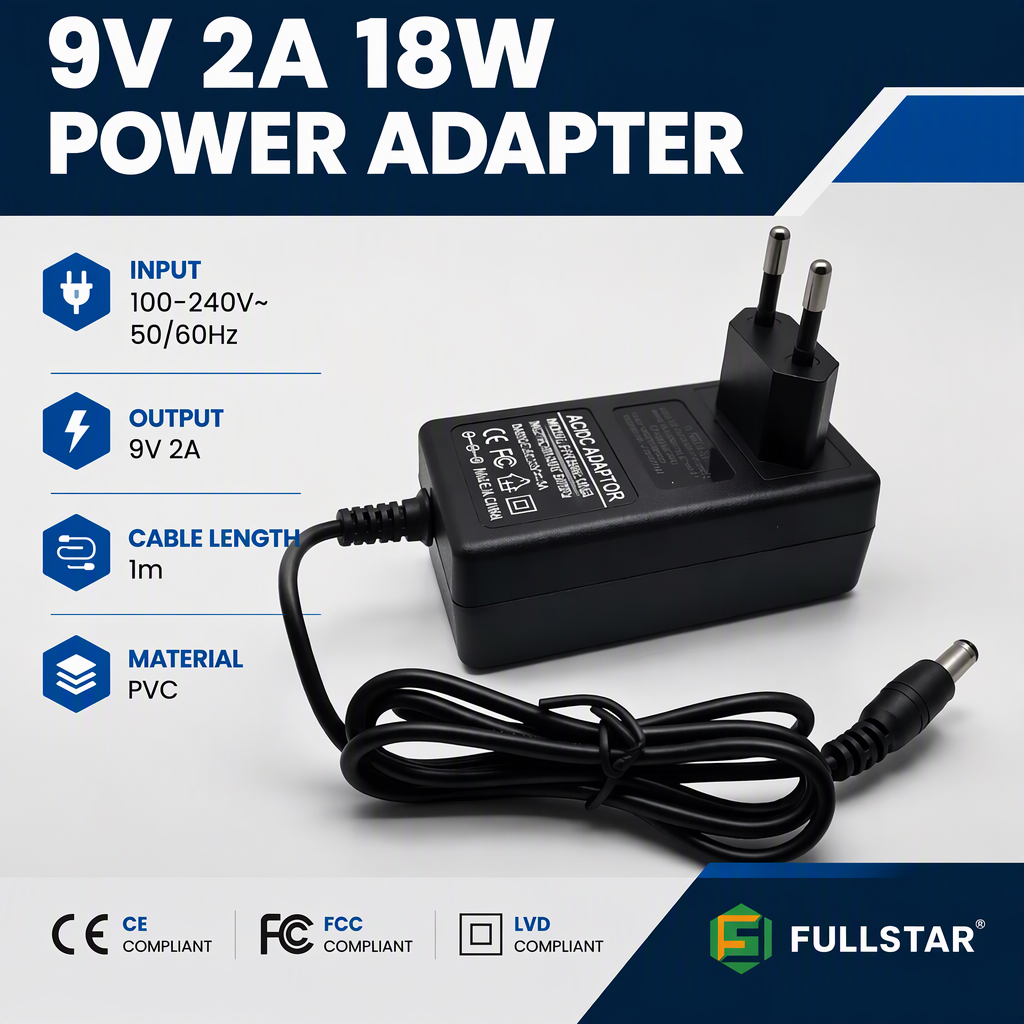
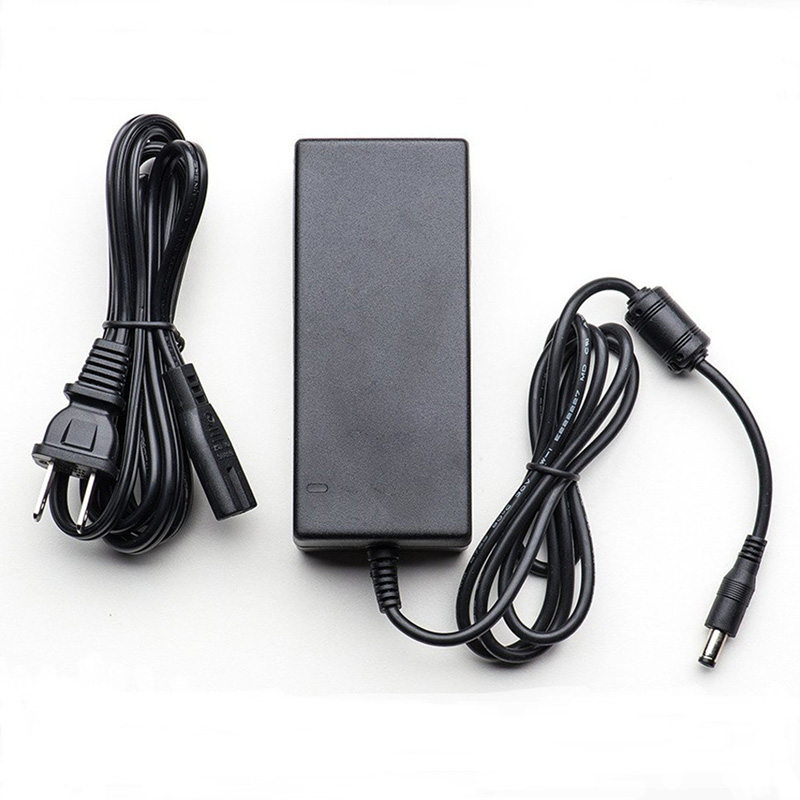
Featured Power Supplies & Choke Integration Products

Complementary switching power supplies, industrial DIN rail modules, and custom wound components ready for deployment across Gdańsk, Gdynia, and European automation hubs.
100kHz-100MHz
Attenuation Spectrum
4500Vrms
Hi-Pot Dielectric Isolation
100%
Pre-Shipment Quality Testing
IntertekVerified
Audited OEM/ODM Factory
Electromagnetic Compliance Whitepaper

Mitigating Severe Conducted EMI in Marine, Port Logistics, and Offshore Grid Infrastructure

As Northern Poland solidifies its role as the Baltic basin's premier transport, industrial automation, and renewable energy powerhouse, electrical engineers operating in the Tricity (Gdańsk–Gdynia–Sopot) corridor face stringent electromagnetic compatibility (EMC) regulations. Modern marine propulsion converters, variable frequency drives (VFDs) at the Baltic Hub Container Terminal, and grid-tie offshore wind inverters generate harsh asymmetric common mode (CM) noise spikes across power lines.

A Common Mode Choke (CMC) is the foundational passive filtering component responsible for attenuating these high-frequency conducted disturbances. By winding coupled coils with symmetrical turns in reverse magnetic polarities on a single magnetic core, normal differential-mode power currents generate opposing fluxes that cancel each other out, leaving the core unsaturated. Conversely, in-phase common-mode interference currents encounter high common-mode impedance, dissipating noise and preserving signal integrity without disrupting system operational power.

Inquire Now

Core Material Selection Guide: Nanocrystalline vs. MnZn Ferrite vs. Amorphous

Engineering design teams in Gdańsk sourcing custom common mode inductors must optimize insertion loss profiles across target frequency domains. Our manufacturing capability bridges ultra-high permeability ribbon-wound cores and precision sintered ferrites:

Magnetic Property Nanocrystalline (FeCuNbSiB) High-Perm MnZn Ferrite (10k-15k μ) NiZn High-Frequency Ferrite
Initial Permeability (μi) 60,000 – 100,000 7,000 – 15,000 300 – 1,500
Saturation Flux Density (Bs) 1.25 Tesla (Resists DC Bias) 0.45 – 0.50 Tesla 0.30 – 0.38 Tesla
Peak Attenuation Band 10 kHz – 30 MHz (Broadband) 100 kHz – 5 MHz 10 MHz – 300 MHz
Curie Temperature (Tc) > 570°C (Extreme Thermal Stability) 120°C – 160°C 150°C – 250°C
Target Application in Pomerania Offshore Wind Turbines, Marine Propulsion, Grid Storage Industrial SMPS, Rail Inverters, DIN Rail Supplies Maritime Telecom, High-Speed Radar, CAN-bus Transceivers
Relative Footprint at Same μH 40% – 60% Volume Reduction Standard Modular Size Requires larger turns/core area
Pomeranian Regional Applications

Specialized Applications Across Gdańsk and Northern Poland

From the shipyards along the Motława and Martwa Wisła rivers to the Pomeranian Special Economic Zone (PSEZ), our common mode chokes and custom wound transformers integrate directly into complex power distribution networks.

Shipboard Power & Cold-Ironing at Port of Gdańsk

Vessels docking at the Deepwater Container Terminal (DCT / Baltic Hub) utilize High Voltage Shore Connection (HVSC) cold ironing. Our encapsulated nanocrystalline common mode chokes mitigate harmonic distortion caused by multi-megawatt onboard cycloconverters, maintaining compliance with DNV and Lloyd’s Register marine standards under humid Baltic maritime atmospheres.

Baltic Sea Offshore Wind Farm Inverters

Offshore wind projects in the Polish Exclusive Economic Zone (Baltic Power, MFW Bałtyk) require DC-link filter inductors capable of continuous sub-sea cable switching without saturation. With Curie temperatures surpassing 570°C and silicon gel encapsulation, our chokes resist dielectric stress in corrosive offshore transformer substations.

Railway Traction & Tricity SKM Fleet

The Szybka Kolej Miejska (SKM) network and PKP Polskie Linie Kolejowe rely on high-reliability traction substations and auxiliary DIN-rail power systems. Our heavy-wire toroids and low-vibration chokes filter switching spikes from IGBT converters, preventing inductive cross-talk into railway interlocking and telecommunication tracks.

High-Power EV Megawatt Charging Hubs

Along the Baltic-Adriatic Transport Corridor traversing Gdańsk, high-speed ultra-fast charging plazas (350kW+) generate high dV/dt noise from silicon-carbide (SiC) MOSFET bridges. Our customized sectional wound chokes lower inter-turn capacitance, pushing self-resonant frequencies (SRF) beyond 40 MHz to eliminate EMI ripple.

Industrial Electronics & Electronics Manufacturing Services (EMS)

EMS manufacturers situated in the Pruszcz Gdański and Tczew subzones benefit from our vacuum-varnished and custom pin-terminal inductors. These drop cleanly into high-density automated pick-and-place or wave-soldering lines, guaranteeing first-pass EMC chamber certifications (EN 55032 Class B).

Manufacturing Rigor & Traceability

Verified Production & Strict Multi-Stage Quality Control

Shaanxi Zelqo Power Co., Ltd. operates state-of-the-art winding, vacuum varnishing, and dielectric testing lines verified on-site by Intertek. Every coil inductor and common mode choke is built to strict engineering specifications, guaranteeing rock-solid field reliability.
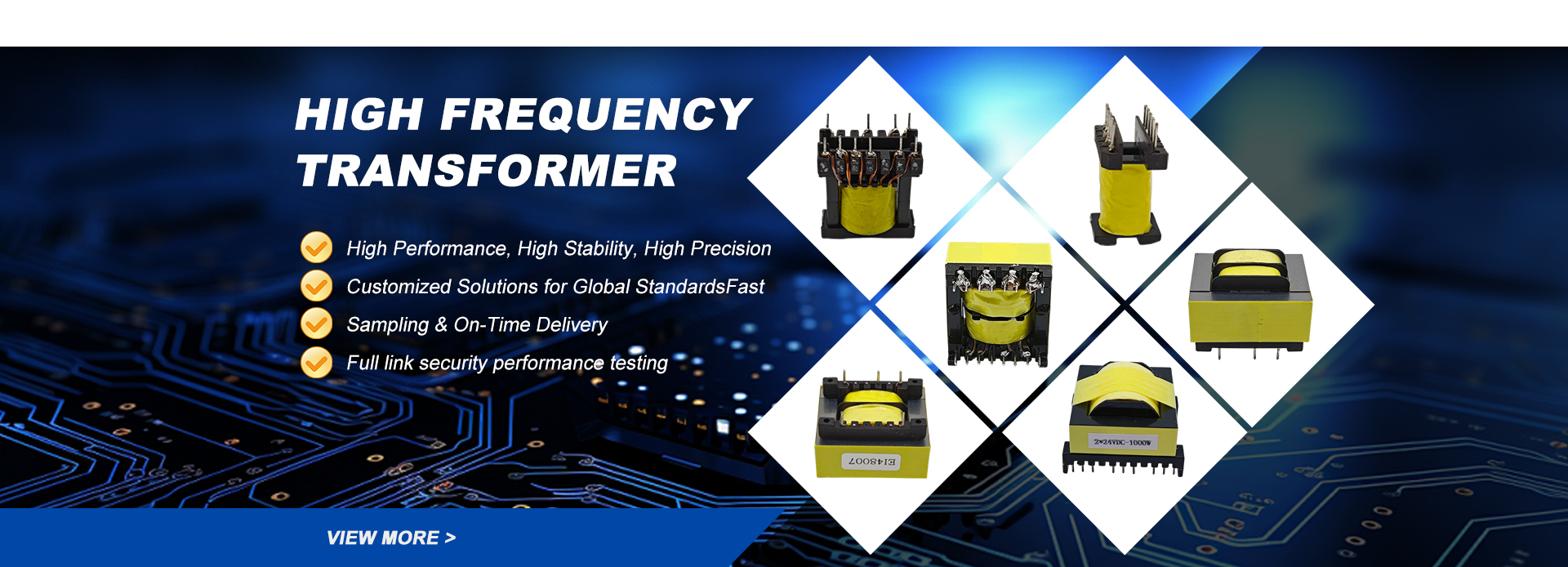
High frequency transformer and common mode choke production line
Precision CNC Toroidal & Bobbin Winding Intertek Verified Facility

Automated Winding with Precise Phase Balance

Common mode choke efficacy relies strictly on turn-count symmetry between windings. A discrepancy of a single turn introduces differential leakage that can saturate the core prematurely under normal operating currents. Our CNC circular and progressive winding machines preserve identical wire lengths, minimizing leakage inductance while maximizing common mode rejection ratio (CMRR).
  • Bifilar & Sectional Winding: Custom configurations for low differential leakage or low parasitic capacitive coupling.
  • High Dielectric Isolation: Triple-insulated wires (TIW), Teflon sleeving, and certified barrier tapes achieving up to 4500 Vrms primary-to-secondary breakdown rating.
  • Vacuum Impregnation & Potting: UL94-V0 epoxy potting and thermal varnish prevent moisture ingress in harsh Baltic coastal climates.
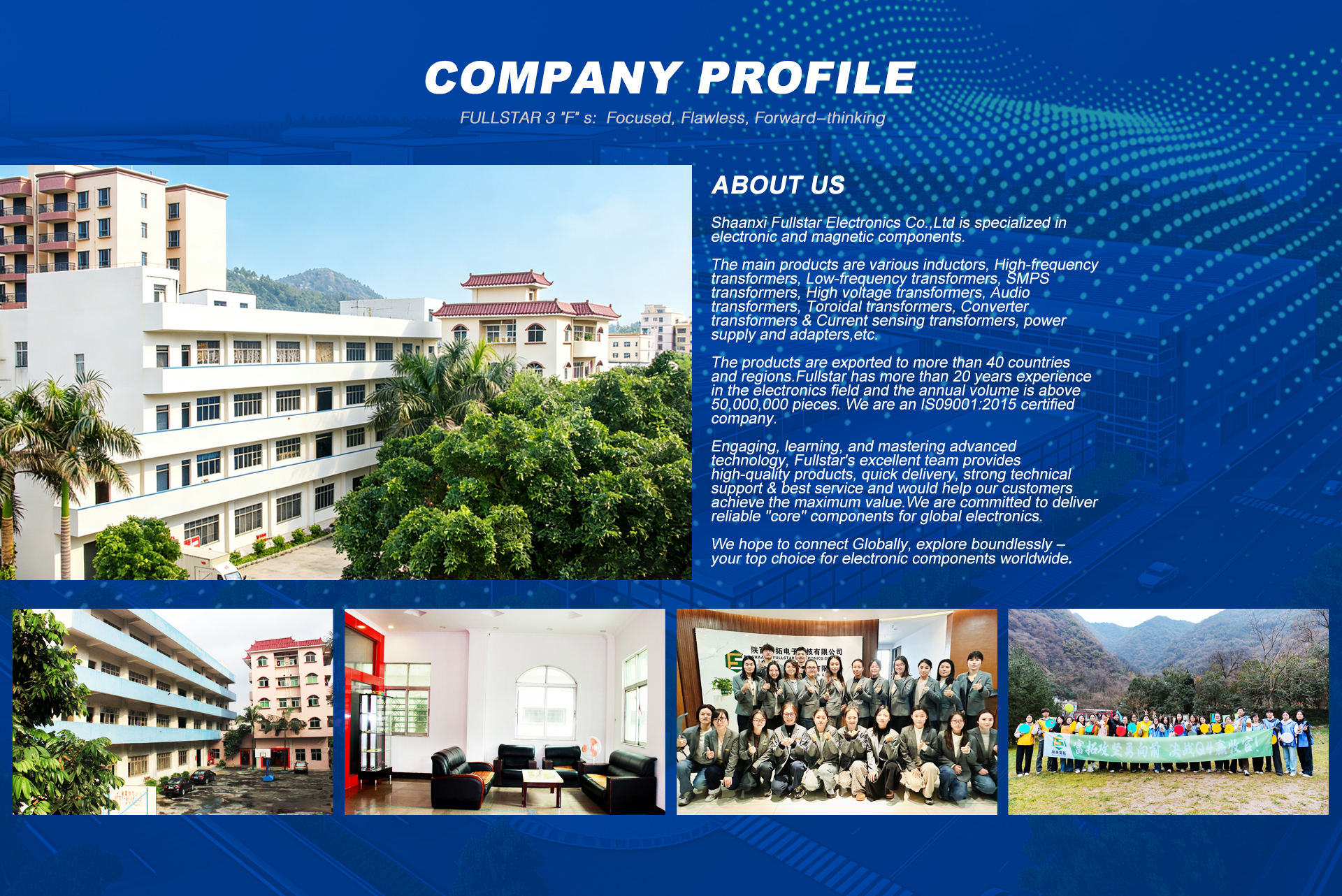
Zelqo Power engineering inspection lab and corporate facility
Dedicated Quality Assurance Lab Shaanxi Zelqo Power Co., Ltd.

Comprehensive Electrical Inspection Equipment

We do not ship catalog compromises. Every pilot sample batch and production lot destined for Gdańsk undergoes rigorous screening using top-tier diagnostic hardware:

  • LCR Digital Bridge Analyzers: Measuring inductance, leakage inductance (Lk), and winding-to-winding parasitic capacitance across 1 kHz to 10 MHz.
  • Impulse Winding & DCR Testers: Verifying copper wire resistance uniformity and detecting micro-defects in magnet wire enamel insulation.
  • Full-Load Thermal & Hi-Pot Testing: 100% dielectric withstand testing at specified voltages plus thermal chamber aging to prevent latent field failures.

Technical Engineering Note: Balancing Leakage Inductance vs. High-Frequency Self-Resonance

In typical high-power industrial converters, designers often attempt to leverage the choke's inherent differential-mode leakage inductance (Lk) to act simultaneously as a differential filter, eliminating the need for dedicated differential inductors. While economically attractive, high leakage inductance creates concentrated magnetic flux outside the core that can induce localized heating in nearby metallic enclosures or drive the core into partial saturation.

For clients in the Gdańsk tech ecosystem, our application engineers calculate exact winding separations. In high-frequency switched designs (such as GaN and SiC chargers), we employ sector winding (single layer, 180° separated) to minimize inter-turn capacitance and push self-resonance frequencies into the dozens of megahertz. For low-frequency industrial applications requiring integrated differential suppression, we utilize bifilar windings with engineered leakage gaps.

Frequently Asked Questions

Gdańsk B2B Engineering & Procurement FAQ

Answers to common commercial, engineering, and logistics questions raised by procurement managers and hardware developers in Poland.

What technical parameters are required to quote and design a custom Common Mode Choke? +
To calculate optimal core dimensions, winding gauge, and magnetic permeability, our engineering department requires: (1) Rated RMS operating current and peak current overload; (2) Operating line voltage and target dielectric isolation voltage (Hi-pot, e.g., 3000VAC); (3) Target common-mode attenuation or minimum inductance in μH / mH at specific frequencies (e.g., 100kHz, 1MHz, 10MHz); (4) Allowable DC resistance (DCR) to limit thermal dissipation; (5) Maximum physical dimensions (PCB footprint and height restrictions) and mounting preference (through-hole, SMD, chassis terminal block, or header).
Why are Nanocrystalline chokes increasingly preferred over Ferrite in Baltic offshore and maritime systems? +
Nanocrystalline ribbons offer a saturation flux density (Bs) of approximately 1.25 Tesla—nearly three times higher than typical MnZn ferrites (0.45T). In maritime environments (like shipboard cranes, winches, and offshore wind turbines in the Gulf of Gdańsk), ambient temperatures can fluctuate and asymmetric phase unbalance is common. Nanocrystalline cores do not saturate easily under substantial DC or low-frequency ground-return currents, and their initial permeability remains stable from -40°C to +120°C without the sharp drop-off experienced by ferrite cores near their lower Curie points.
Do your products comply with European Union directives (CE, RoHS, REACH, and EN standards)? +
Yes. All raw magnetics, bobbins, copper wires, varnishes, and encapsulation potting materials are 100% compliant with EU RoHS (Directive 2011/65/EU and amendment 2015/863) and REACH (EC 1907/2006). Complete safety documentation, material certificates, and test reports supporting CE declarations under the Low Voltage Directive (LVD) and EMC Directive (2014/30/EU) are supplied with engineering pre-production approval samples.
What are the typical logistics channels and transit timelines for deliveries to Gdańsk / Gdynia? +
We maintain flexible multimodal shipping strategies: (1) Air Express (DHL, FedEx, UPS) for prototype validation and urgent pilot batches, reaching Gdańsk Lech Wałęsa Airport (GDN) within 4 to 7 working days; (2) Direct Ocean Freight via major container carriers arriving directly at the Baltic Hub Container Terminal in Gdańsk (typically 28 to 35 days transit time); (3) China-Europe Rail Express arriving at Małaszewice / Warsaw terminals with customs clearance and truck dispatch to Pomerania within 16 to 22 days.
Can you manufacture Common Mode Chokes designed for automated surface-mount (SMD) pick-and-place lines? +
Yes. We provide precision molded SMD base headers with flat pick-and-place top caps or plastic casing shells. Tape-and-reel packaging (compliant with EIA-481 standards) is available for high-volume automated production lines, ensuring smooth co-planarity and defect-free reflow soldering under lead-free SAC305 thermal profiles.
How does Shaanxi Zelqo Power Co., Ltd. prevent common-mode noise resonance peaking? +
Every inductor displays a self-resonant frequency (SRF) determined by its inductance and parasitic inter-turn capacitance (Cw). Beyond the SRF, the choke acts capacitively, losing its filtering ability and potentially amplifying interference. Our design software models wire-to-wire spacing, sectional chamber dividers, and multi-layer winding offsets to suppress parasitic capacitance, shifting the SRF well above the problematic emission bands of modern high-speed switching converters.
What is the turnaround time for custom prototype samples? +
Following technical drawing approval and specification sign-off, functional engineering prototypes are produced, wound, tested, and dispatched within 5 to 10 working days. Each prototype shipment includes a detailed electrical parameter test report covering LCR measurements, DCR values, and Hi-pot breakdown compliance records.
How are components protected against the salt-fog Baltic marine environment? +
For marine-grade and port installations around the Gulf of Gdańsk, we utilize secondary vacuum pressure impregnation (VPI) with Class H or Class F insulating varnishes. For extreme exposure (weather-exposed sub-assemblies or offshore wind platforms), chokes are fully encapsulated inside flame-retardant PBT or aluminum enclosures using thermally conductive, moisture-proof UL94-V0 polyurethane or epoxy resin, ensuring zero corrosion of copper leads and core laminations.

Partner with an Intertek-Verified Magnetic Engineering Specialist

Whether you are engineering next-generation energy storage converters in the Tricity tech cluster, retrofitting shipboard power filters at Gdańsk Shipyard, or modernizing rail traction infrastructure across Poland, Shaanxi Zelqo Power delivers verified manufacturing excellence from schematic design to mass production.

Inquire Now
✔ Direct Factory Engineering Support ✔ Custom Nanocrystalline & Ferrite Toroids ✔ High Dielectric Isolation Guaranteed ✔ Fast Worldwide Delivery to Poland