Factory-Direct Solutions
Engineered Rectifiers & Battery Charger Topologies
Direct OEM & ODM production delivering high dielectric isolation, low ripple coefficient, and extreme operating resilience tailored for regional industrial integrators.
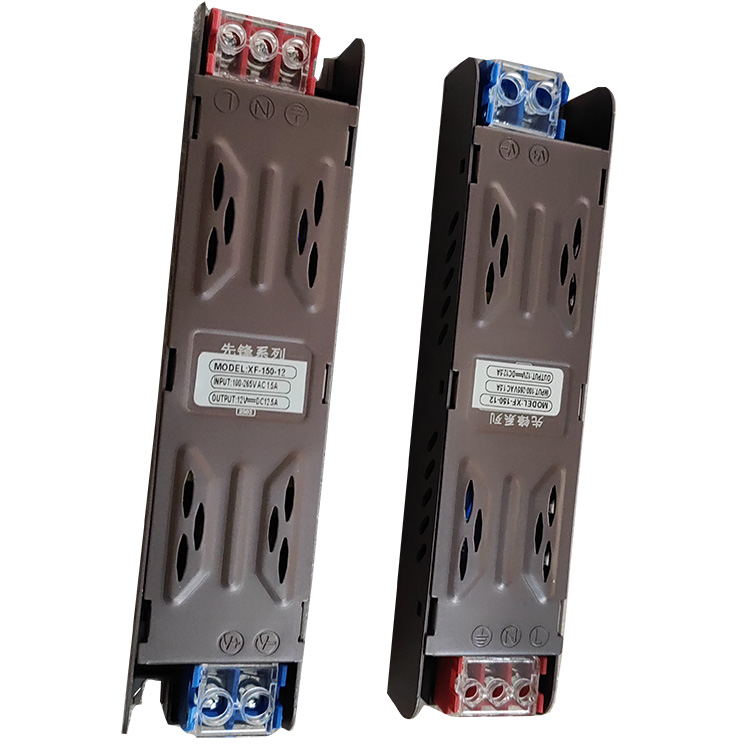
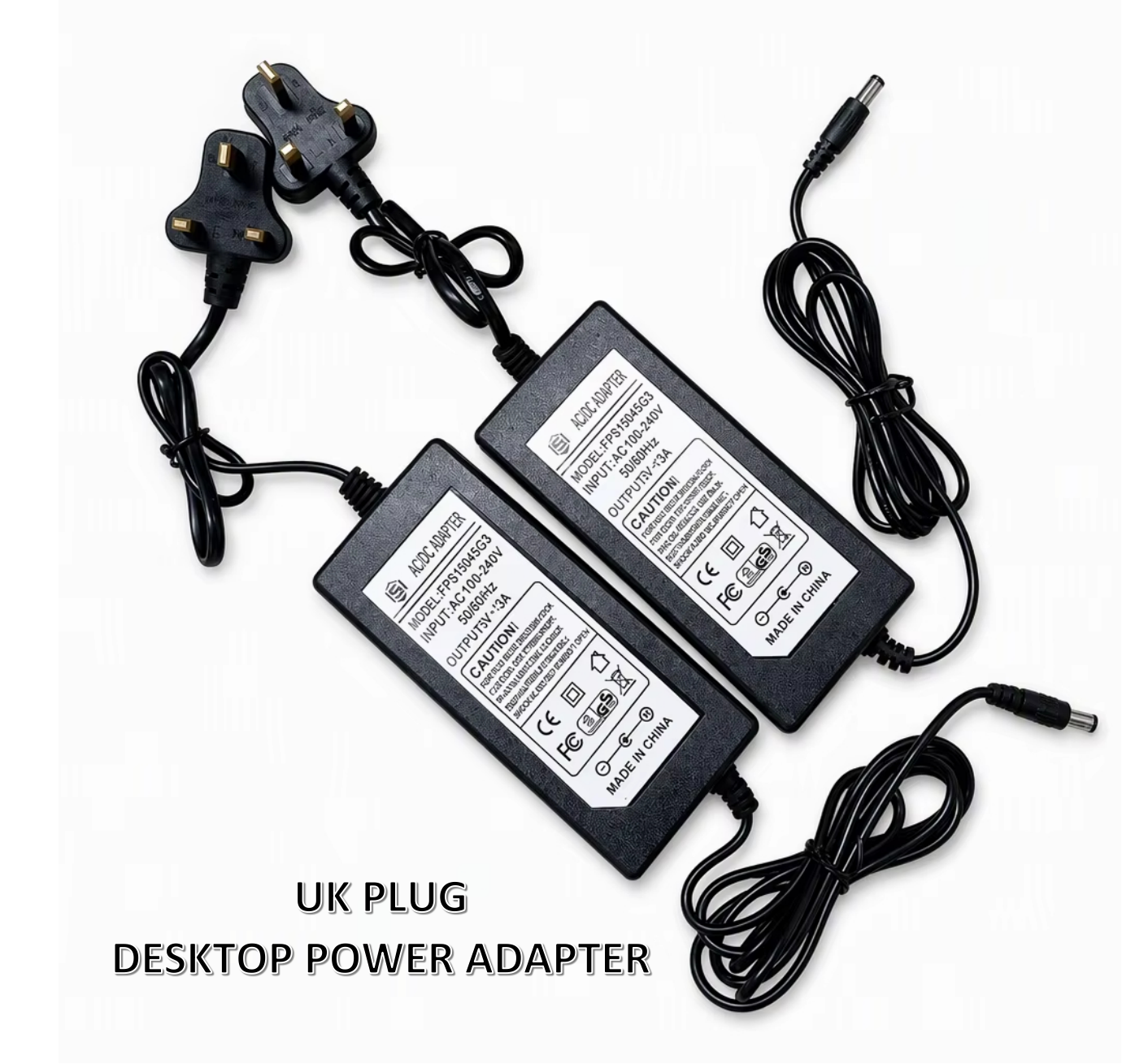
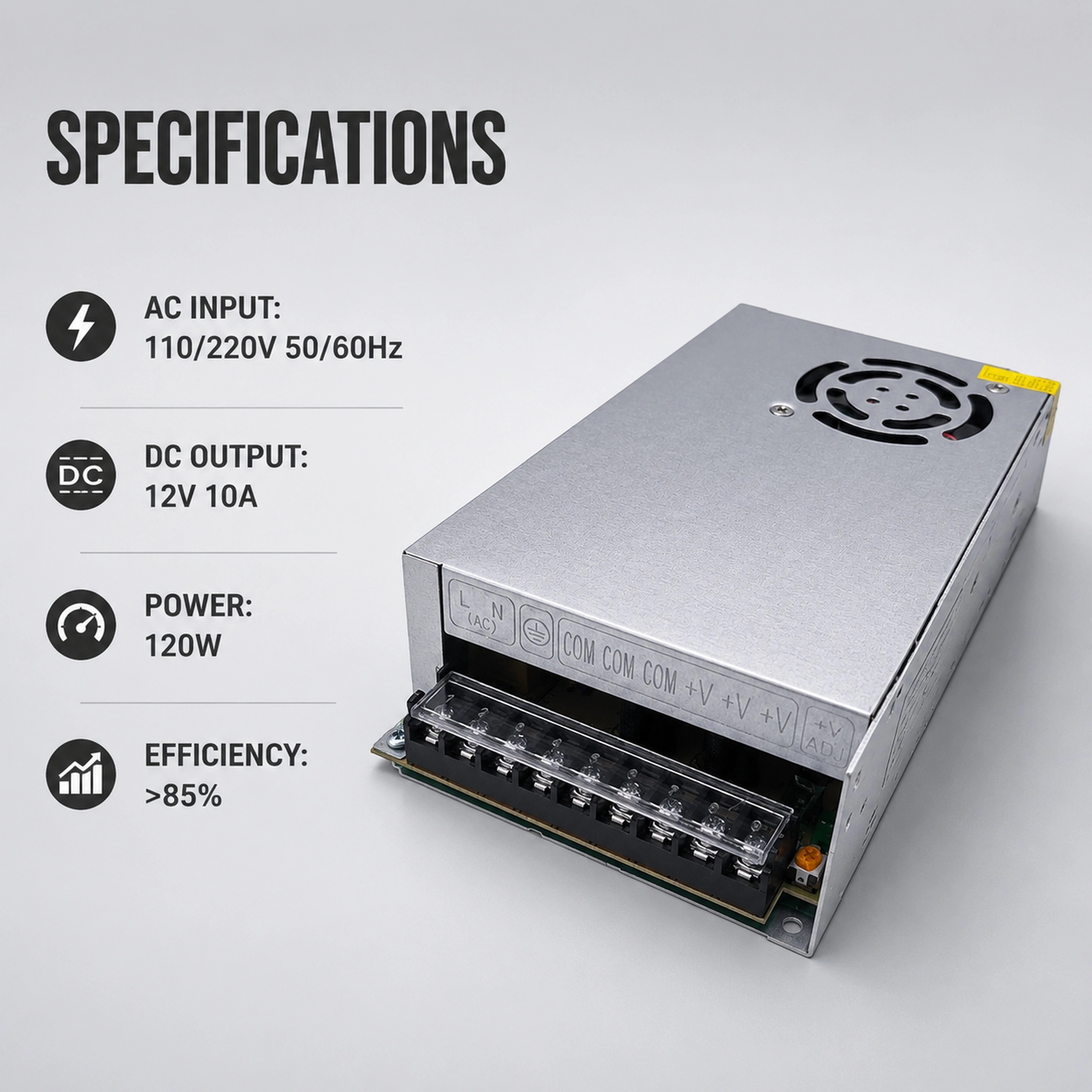
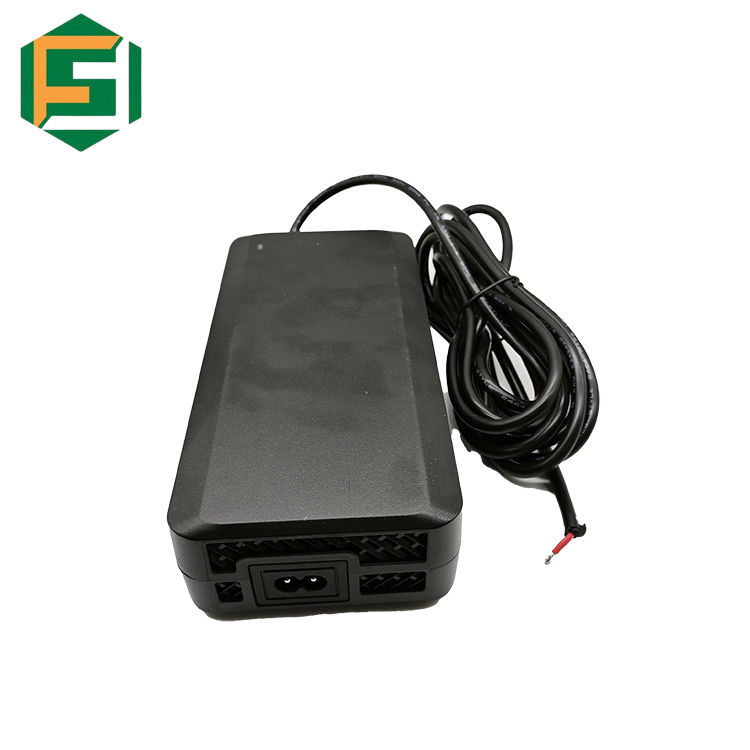
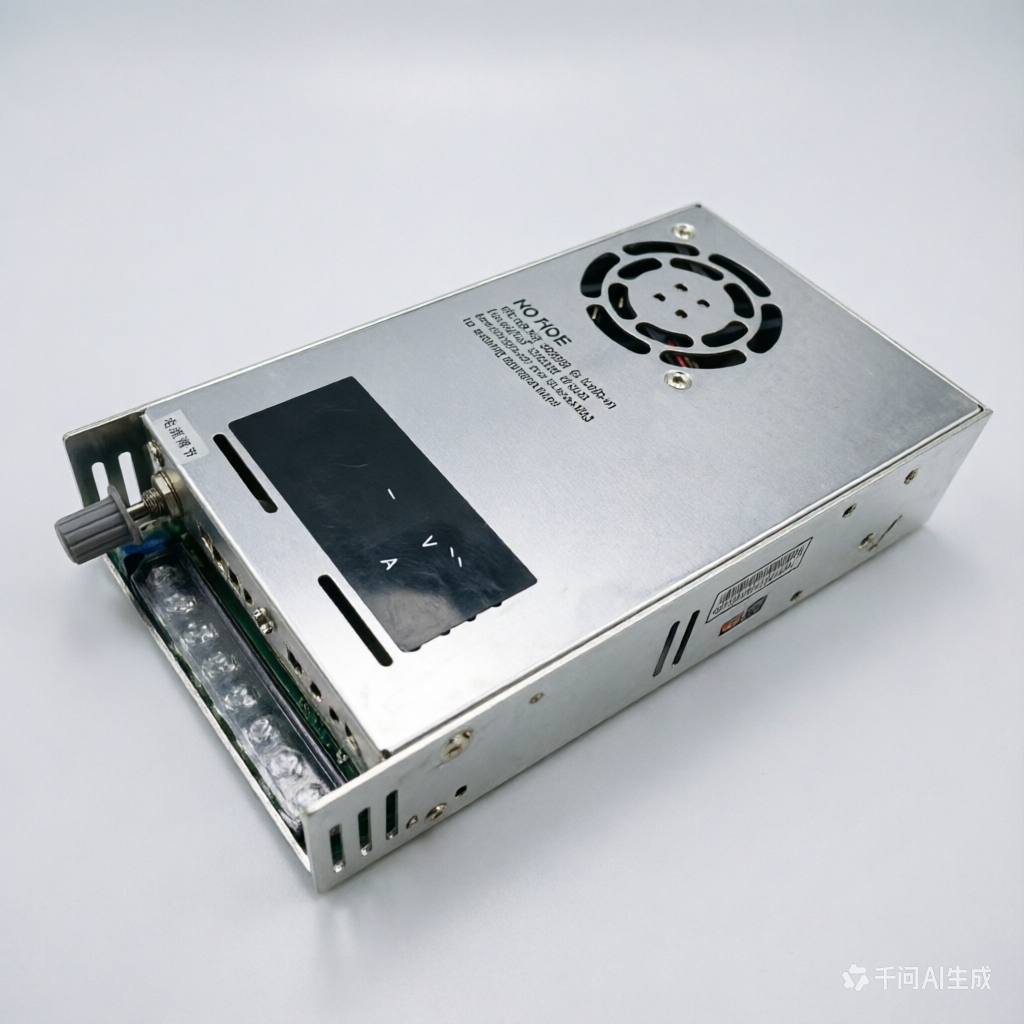
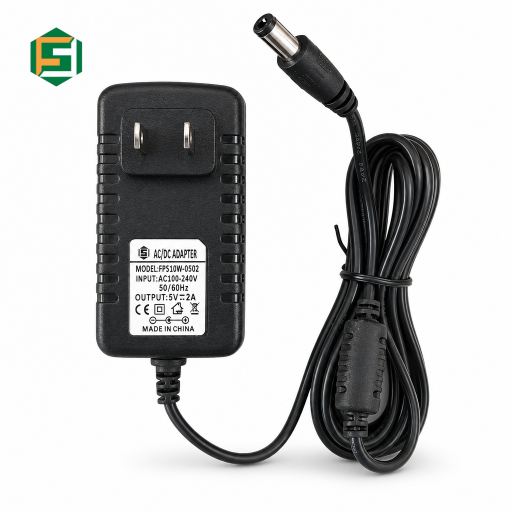
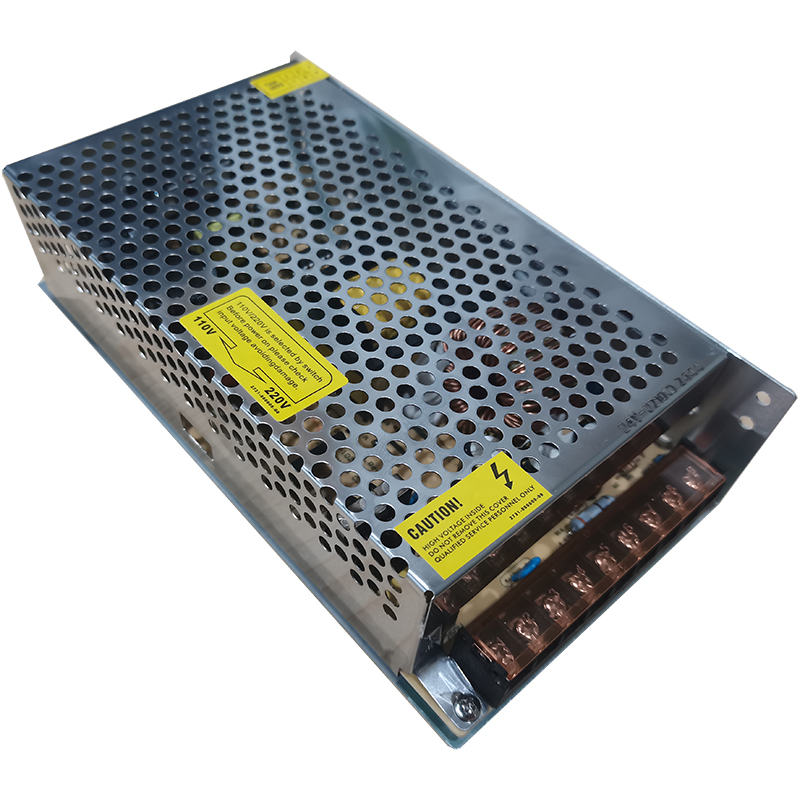
Technical Deep-Dive: Sourcing Industrial Battery Chargers in the Tuzla Regional Market
The industrial and commercial procurement terrain surrounding the Tuzla market—spanning both Bosnia and Herzegovina's premier heavy chemical, thermo-energy, and coal mining core (Tuzla Canton) as well as the world-renowned naval shipyard, freight, and mechanical engineering zone of Tuzla, Istanbul—demands rigorous electrical engineering benchmarks. Buyers within these demanding sectors cannot rely on commercial-grade consumer charging electronics. Equipment deployed across power substations, underground mining locomotives, switchgear backup plants, shipboard auxiliary DC systems, and material handling fleets encounters severe vibrational strain, ambient temperature swings (-20°C to +60°C), pervasive airborne contaminants, and extreme electromagnetic transients.
As battery technologies undergo a rapid generational shift from flooded vented lead-acid (VLA) and sealed valve-regulated lead-acid (VRLA/AGM/GEL) batteries to high-density Lithium Iron Phosphate (LiFePO4) and Lithium Nickel Manganese Cobalt (NMC) chemistries, modern charger topologies require closed-loop dynamic microprocessor control. The intersection of modern High-Frequency Switched-Mode Power Supplies (SMPS), programmable Constant Current / Constant Voltage (CC/CV) multi-stage curves, and rugged toroidal-based isolation represents the primary frontier for procurement officers and plant engineers aiming to mitigate total cost of ownership (TCO) and avoid disastrous downtime.
94.8%
Peak SMPS Conversion Efficiency
3.75 kV
Dielectric Isolation Hi-Pot Rating
>120k Hrs
Calculated MTBF (MIL-HDBK-217F)
100%
Full-Load Thermal Burn-In Tested
Galvanic Isolation & Magnetic Stability Under Harmonic Distortion
One of the persistent challenges faced by facilities operating in Tuzla's industrial corridors is mains dirty power: deep line voltage sags, switching spikes generated by megawatt variable frequency drives (VFDs), and heavy 3rd, 5th, and 7th harmonic distortions on 400V/230V three-phase and single-phase feeds. Standard half-bridge rectifiers rapidly overheat under high crest-factor currents. Shaanxi Zelqo Power manufactures industrial-grade magnetic solutions and custom SMPS modules utilizing low-loss ferrite cores (MnZn configurations) and precision-wound toroidal cores that suppress stray magnetic flux, significantly lowering no-load losses and preventing catastrophic core saturation under primary grid fluctuations.
By implementing reinforced dielectric barriers exceeding IEC 61558-2-16 and IEC 62368-1 standards, our industrial chargers deliver complete galvanic segregation between line AC inputs, sensitive DC microprocessor controls, and connected battery banks. This prevents common-mode noise transfer, eliminates ground loops, and shields expensive battery management systems (BMS) from high-voltage line surges common in heavy manufacturing yards and coastal terminal substations.
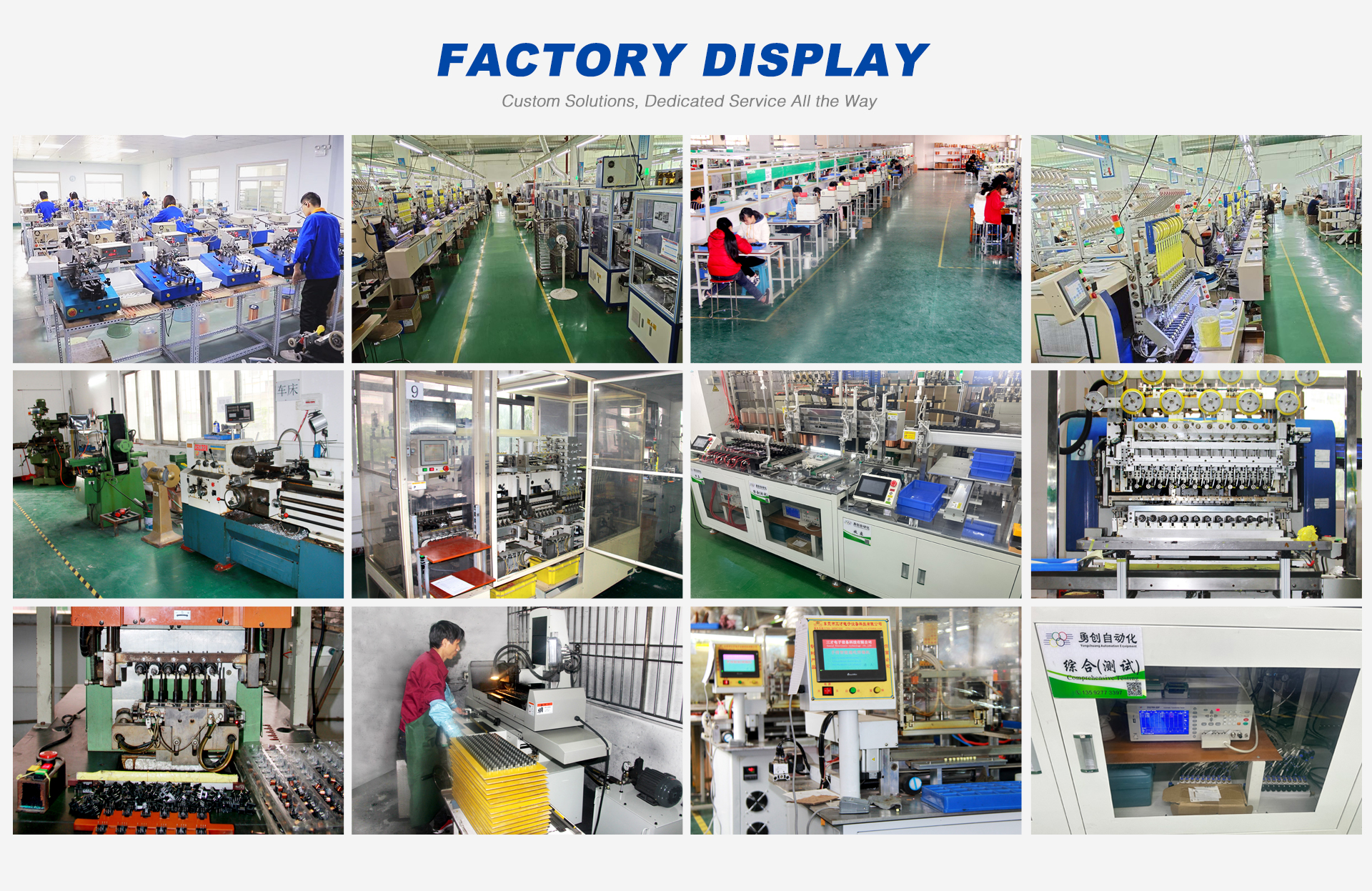
Semi-automated transformer winding, assembly, and testing workshop
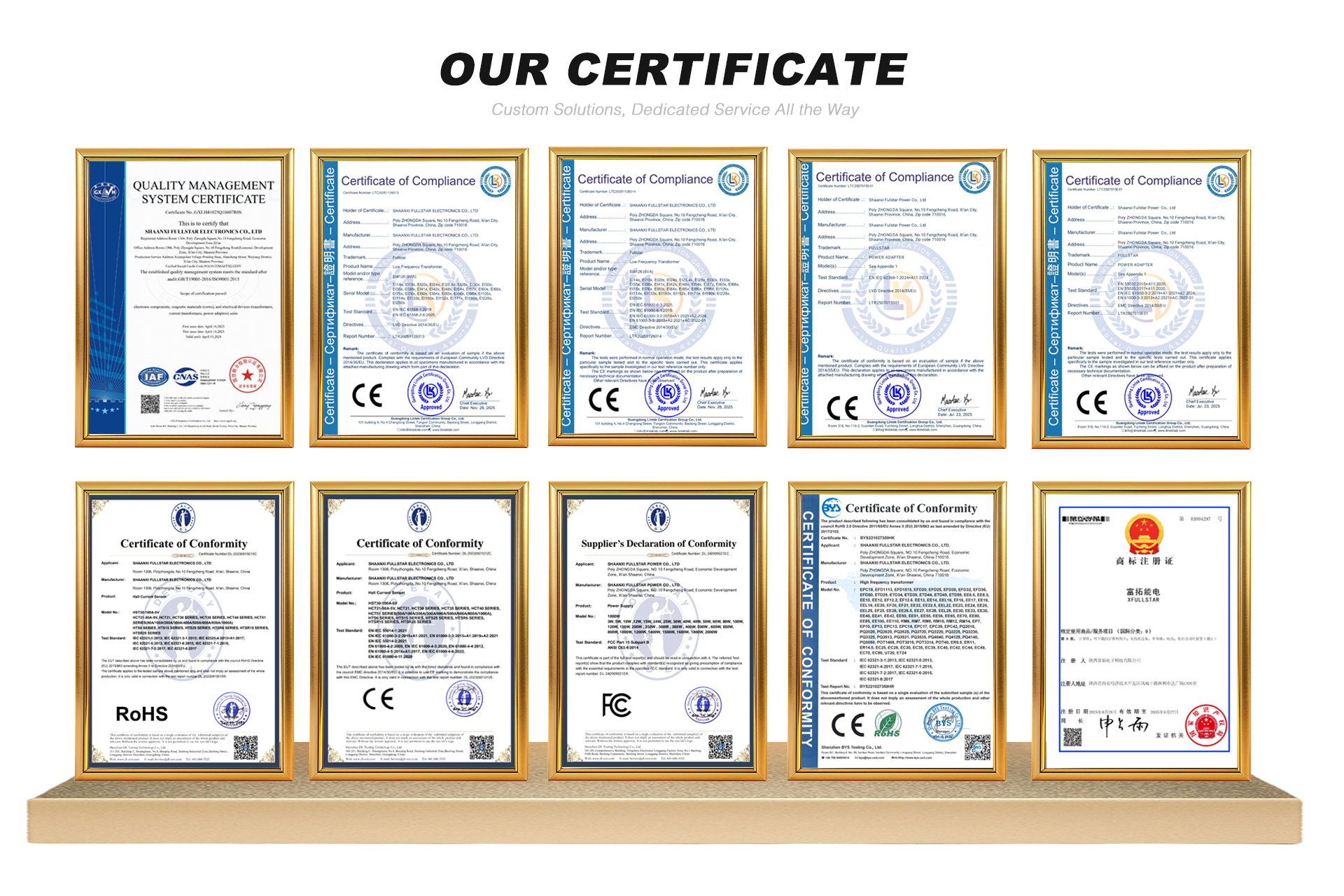
International engineering cooperation and verified quality compliance exhibitions
Mission-Critical Application Scenarios Across the Tuzla Industrial Ecosystem
Procuring battery charging systems within the Tuzla market requires evaluating exact mechanical, environmental, and thermal operational matrices. Our engineering configurations address three core sectoral application pillars:
Heavy Chemical & Energy Plants
Thermal power generation complexes and salt-extraction chemical processing facilities require uninterrupted DC control power. Our 110V and 220V continuous float battery rectifiers ensure trip coils, protective relays, and emergency lubrication pump batteries remain fully operational during grid islanding.
Shipyard, Marine & Port Infrastructure
Within dockside repair basins, tug fleets, and shipboard engine rooms, our conformal-coated IP-rated chassis chargers protect internal circuitry from salt-fog corrosion, galvanic leakage currents, and cyclic vibrations, servicing 24V starting and 48V auxiliary marine house banks.
Mining & Heavy Intralogistics
Open-pit brown coal operations and subterranean processing require rapid opportunity charging for battery-electric shunting carts, automated guided vehicles (AGVs), and scissor lifts. Our 24V-72V high-current rectifiers withstand dust ingress and aggressive mechanical shocks.
Procurement & Technological Trends in the Tuzla Power Conversion Sector
The industrial battery charging domain across Eastern and Southern Europe, as well as the transcontinental Anatolian manufacturing hubs, is encountering fundamental structural changes driven by energy efficiency standards, automation, and alternative cell chemistry adoption.
1. Migration from Legacy SCR/Thyristor Rectifiers to High-Frequency Resonant SMPS
For decades, heavy industry in Tuzla relied on 50Hz silicon-controlled rectifiers (SCR). While mechanically robust, conventional SCR units exhibit dismal power factors (often below 0.75 under partial loads), substantial reactive power penalties from utility operators, high ripple voltage (which degrades battery plate lifespan), and bulky, unmanageable footprints. Modern factory managers are systematically retrofitting these installations with Active Power Factor Corrected (APFC) High-Frequency SMPS rectifiers, achieving PF > 0.98, total harmonic distortion (THDi) < 5%, and a 60% reduction in cabinet weight and thermal rejection.
2. Adaptive Multi-Chemistry Algorithms (Lead-Acid to LiFePO4 Transition)
As plant fleets switch from lead-acid traction units to Lithium Iron Phosphate batteries, chargers must adapt. LiFePO4 cells have zero tolerance for sustained overcharge or thermal runaway risk. Our latest programmable chargers integrate real-time CAN bus (J1939 / CANopen) and RS485 Modbus communication, enabling direct handshakes with battery management systems to actively throttle charging current based on cell balancing and internal temperature thresholds.
3. Decentralized DIN-Rail Modular Topologies
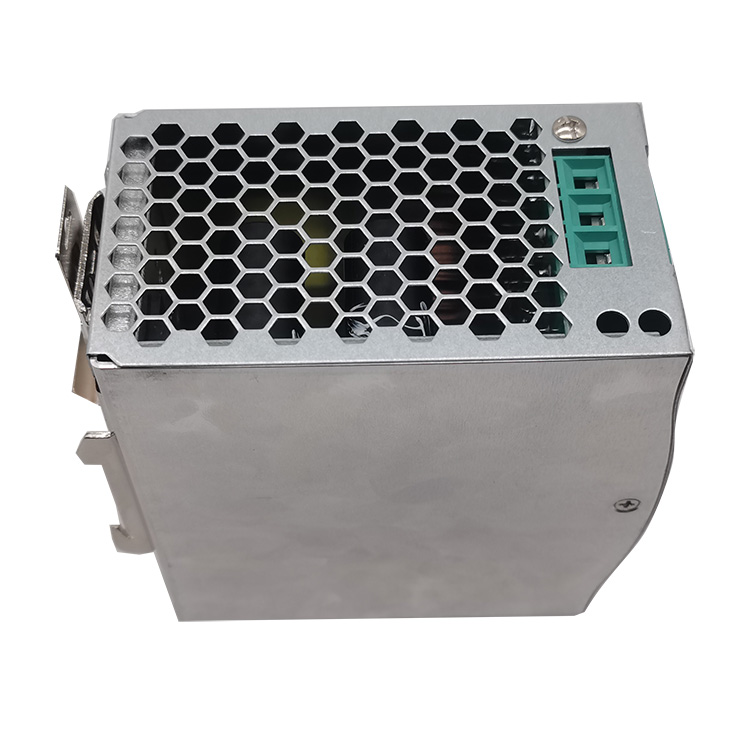
Rather than installing monolithic, unserviceable 20kW centralized charging stations, modern engineers in Tuzla are opting for scalable, DIN-rail mounted parallel modules. Utilizing N+1 redundancy architectures, modular power blocks (such as our 24V and 48V DIN-rail supplies) ensure that if an individual module requires servicing, the remaining array continues supporting critical plant telemetry and switchgear operations without interrupting operations.
Engineering Authority: Shaanxi Zelqo Power Advantage
Operating from Xi'an, Shaanxi, China, Shaanxi Zelqo Power Co., Ltd. stands as an Intertek-verified premier custom manufacturer and OEM/ODM engineering partner for global power supplies, transformers, and industrial chargers. We do not act as mere re-labelers of standardized commodities; every single unit is engineered around your electrical circuit parameters, mechanical envelope constraints, and regional grid compliance standards.
Third-Party Intertek Verification
Our operational facilities, production lines, quality inspection systems, and trade capabilities undergo strict on-site verification by Intertek, ensuring uncompromised supply chain integrity.
Custom Electromagnetic Design
In-house calculations for core dimensions, winding turns, wire gauges, and triple-insulated thermal ratings tailored specifically to your topology—from flyback to LLC resonant bridges.
Rigorous 6-Stage Quality Control
Comprehensive inspection workflow incorporating digital LCR bridge inductance tests, DC winding resistance checks, impulse surge testers, 3.75kV hi-pot dielectric tests, and full-load thermal burn-in.
Agile OEM / ODM Adaptability
Flexible mechanical adaptations including DIN-rail brackets, aluminum extruded rainproof enclosures, bespoke wire harnesses, DC terminal styles, private branding, and export packaging.
One-on-One Technical Engineering Support
Dedicated bilingual power electronics sales engineers guide each project from prototype validation and sample iterations through volume production, guaranteeing 24-hour turnaround times.
Frequently Asked Questions by Industrial Sourcing Teams in Tuzla
Essential guidance addressing regulatory, electrical, and commercial parameters encountered during industrial battery charger and power supply procurement.
What parameters must be provided to engineer a custom battery charger or SMPS? +
To provide an accurate technical blueprint and quotation, our engineering team requires: AC input voltage and frequency range (e.g., 85–264 VAC wide input, or 400V 3-phase); exact nominal battery chemistry and target charging curve (Bulk, Absorption, Float voltages and cutoff currents); maximum power rating (watts/amperes); required dielectric insulation rating (e.g., 3000–3750 VAC); enclosure/mounting limits (chassis open-frame, DIN-rail, IP65 waterproof); ambient thermal operating range; and target compliance directives (IEC 61558, IEC 62368-1, or CE).
How do high-frequency SMPS battery chargers handle the severe voltage sags typical of Tuzla's grid? +
Unlike traditional line-frequency transformers that experience a proportional drop in secondary output voltage whenever primary line voltage fluctuates, our industrial SMPS designs utilize active wide-range flyback or half-bridge resonant PWM controllers. These circuits continuously regulate duty cycles across a broad 85V–265V window, delivering rock-solid output voltage and current stabilization even during severe local utility sags caused by high-draw motor startups.
What quality control and certification testing protocols are conducted prior to dispatch? +
Every manufactured batch undergoes 100% automated electrical parameter verification. This includes LCR digital bridge testing for leakage inductance, DC winding resistance, impulse winding testing to check inter-turn varnish insulation, high-voltage hi-pot dielectric tests to guarantee isolation barriers, and prolonged full-load thermal chamber aging (burn-in) with comprehensive AC power source data logging. Comprehensive test reports are provided alongside shipping manifests.
Can Zelqo Power accommodate custom private labeling, cable lengths, and specialized DC connectors? +
Yes. Through our full OEM/ODM manufacturing scope, we support customized silk-screened metal enclosures, bespoke technical nameplates with your brand credentials and regional CE/EAC markers, customized DC leads (Anderson power connectors, Phoenix screw blocks, heavy-gauge copper eyelets), and ruggedized export-ready wooden crate or reinforced corrugated packaging.
What are the lead times for prototyping versus containerized batch deliveries to the Tuzla market? +
Custom engineered engineering samples are typically completed within 7 to 14 business days following technical parameter confirmation. Mass batch production typically takes 3 to 4 weeks depending on raw material customization (such as specialized core shapes or potted enclosures). We ship worldwide via consolidated sea freight (reaching Adriatic ports like Ploče/Bar or Marmara ports in Turkey) as well as expedited air freight for critical plant maintenance outages.
Ready to Engineer Your Custom Power Conversion System?
Connect directly with Shaanxi Zelqo Power's application engineering team. Whether you need a standard industrial DIN-rail power supply, a customized high-current battery rectifier, or a specialized high-frequency transformer, our team will review your electrical specifications and deliver a detailed technical proposal within 24 hours.