Precision AC DC Power Supply Series & Regulated Adapters
Engineered for high reliability, tight voltage regulation, and wide-input operational stability across global utility profiles.
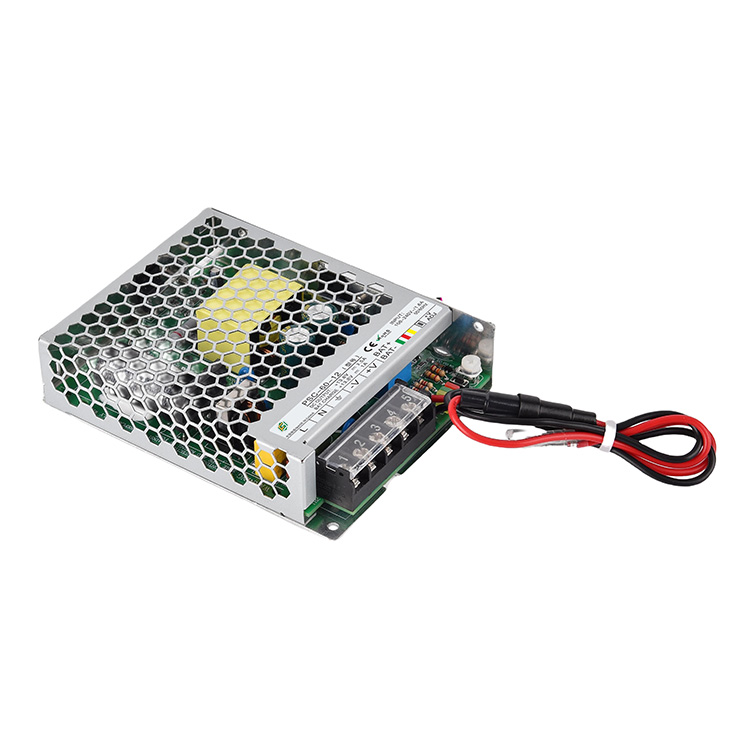
Fullstar Custom EMC LVD CE 220V 110V AC DC Switching Power Supply SMPS 24V 60Hz 100W 5A
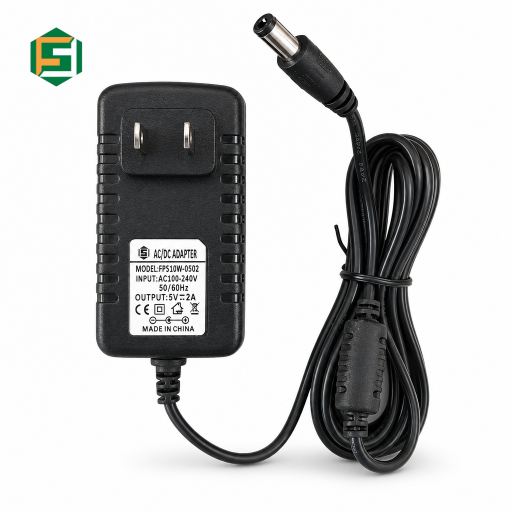
5V 2A 3A Universal Power Adapter US Plug 5521 DC Wall Mount Charger with Ferrite Ring AC DC Power Supply
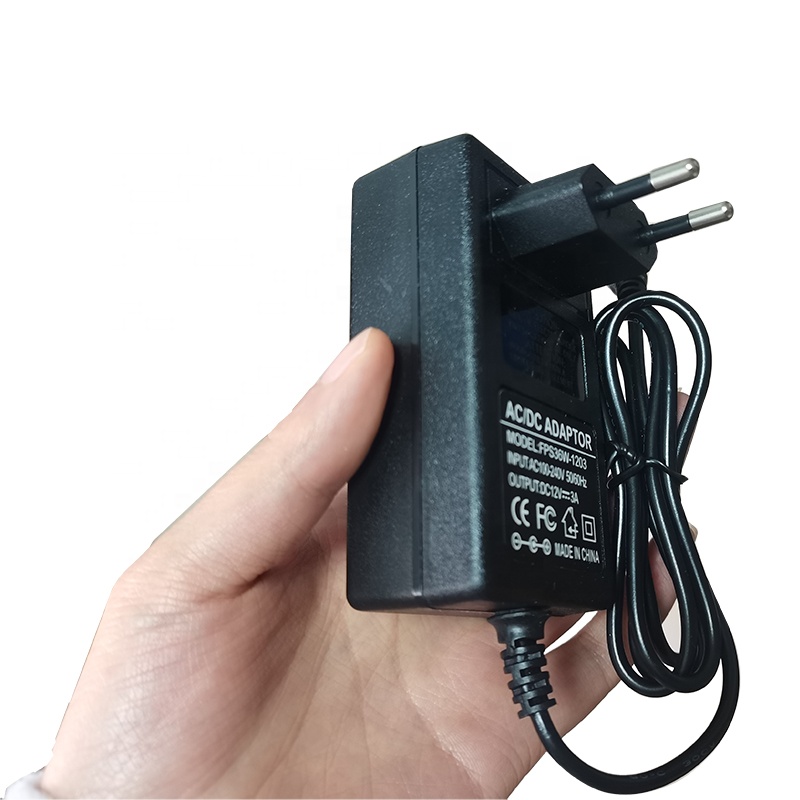
DC 12V 24V Lighting Transformer AC 110V 220V Switching Power Supply 1A 2A 3A 5A 6A 8A LED Power Adapter for LED Strip Light
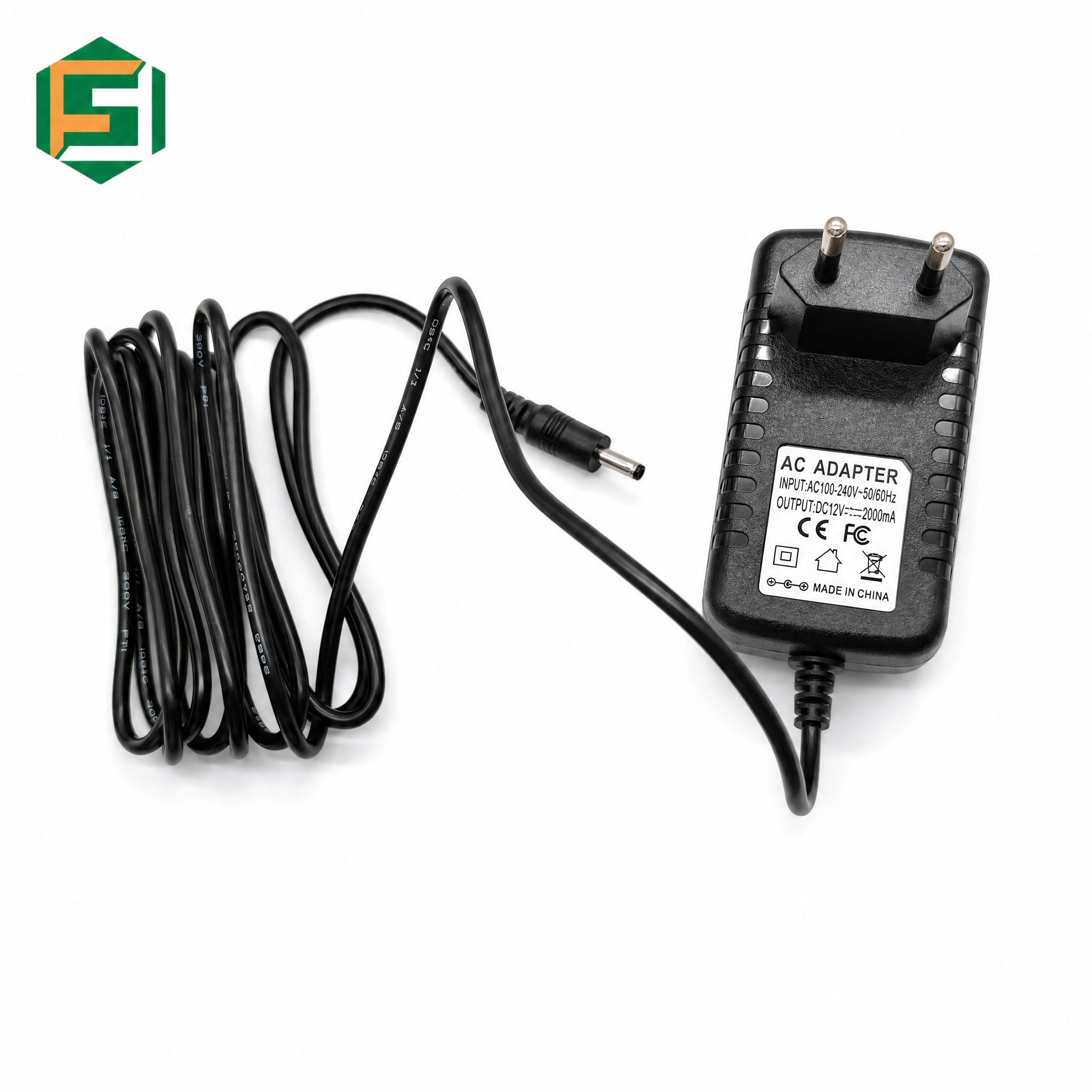
12V 2000mA Power Adapter 24W Adaptor 5V 6V 9V 12V 24V Power Supply
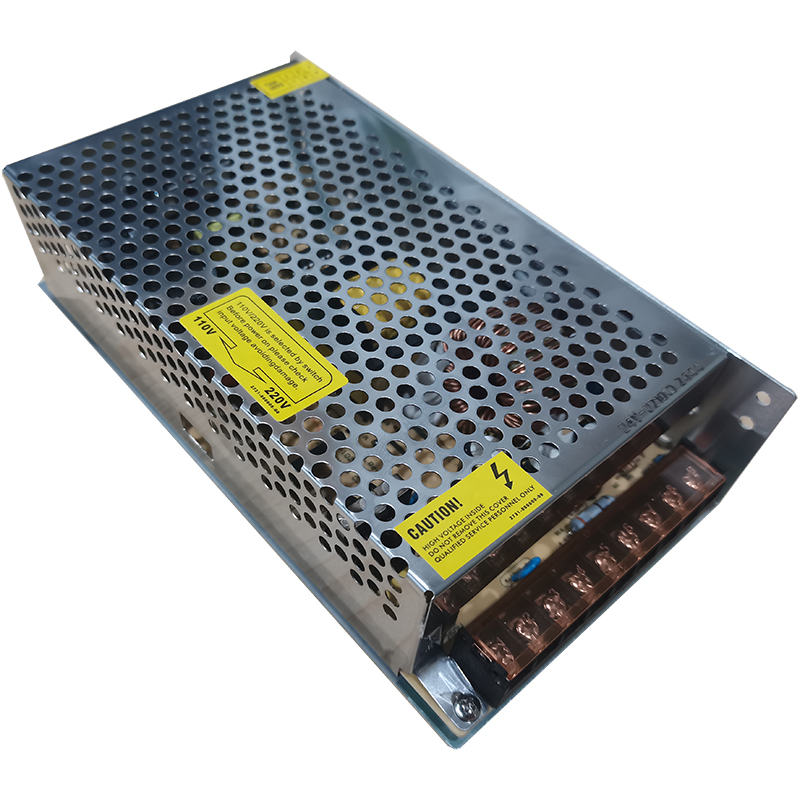
Switching Power Supply 24V 36V 48V 60V 72V 100V 200V 24vdc AC to DC 1A 2A 3A 2.5A 5A 8A 10A 15A Power Supply
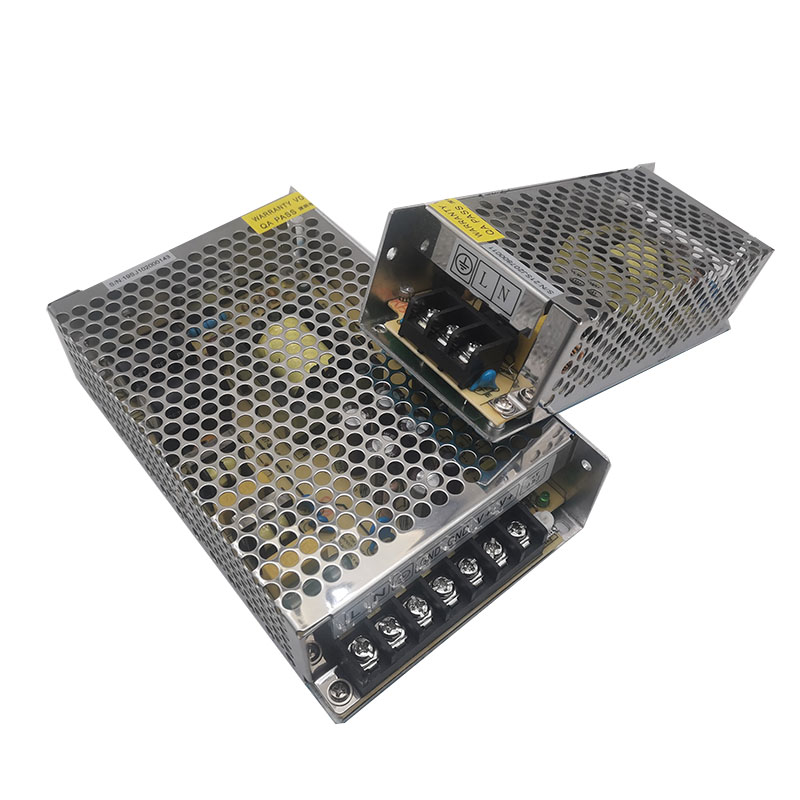
360W Switch Power Supply 10A 20A 30A 50A High Efficiency LED Power Supply Chinese Factory Industrial
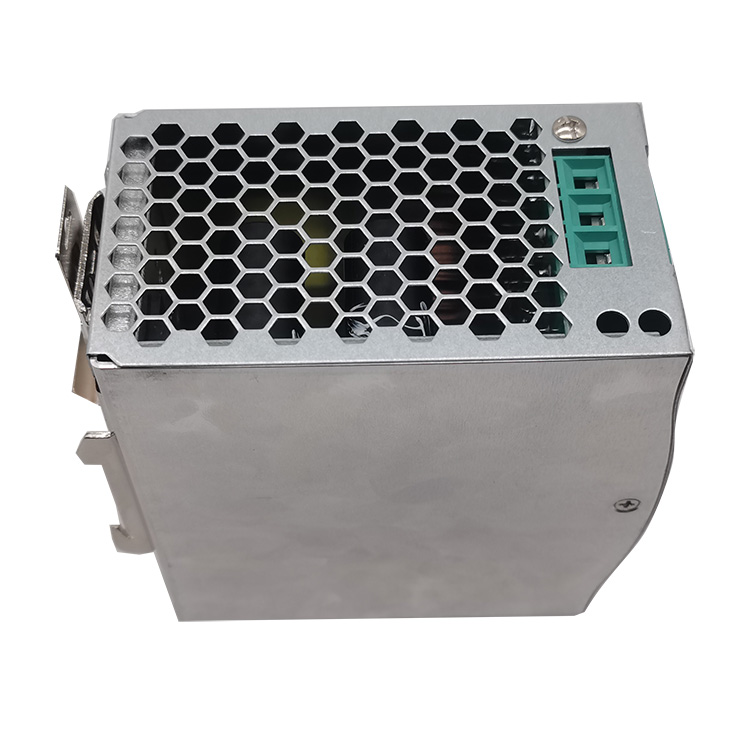
DC Industrial DIN Rail Power Supply
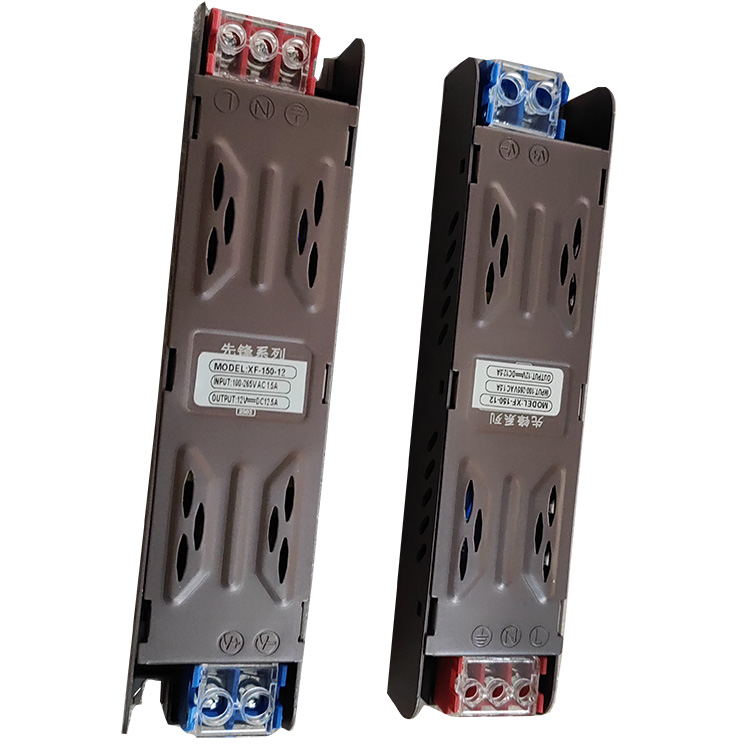
SMPS 12V 24V 48V 2.5A 5A 8.3A 10A 15A 16.7A 20A 25A 30A AC DC Smps Power Supply 12v150w Led Driver Power Supply for Led
AC DC Switching Power Supply Architecture: An Engineering Primer
A rigorous examination of magnetic coupling, topology selection, and functional safety standards for modern power electronics engineers.
In modern industrial electronics and critical embedded systems, the conversion of utility alternating current (AC) into regulated direct current (DC) represents far more than simple voltage step-down. It serves as the baseline line-isolation barrier, thermal governor, and electromagnetic interference (EMI) shield for the entire device lifecycle. Sourcing from a verified manufacturer requires a granular understanding of the trade-offs between Flyback, Forward, LLC Resonant, and Active PFC topologies.
| Conversion Topology | Standard Power Range | Typical Full-Load Efficiency | Primary Application Profile | Thermal & Magnetic Complexity |
|---|---|---|---|---|
| Quasi-Resonant Flyback | 5W – 120W | 84% – 90% | Wall adapters, auxiliary control boards, IoT sensors | Low-to-medium; single gapped transformer/inductor |
| Two-Switch Forward | 100W – 350W | 88% – 92% | Mid-range LED display drivers, automation chassis | Moderate; requires separate output storage choke |
| Half-Bridge LLC Resonant | 200W – 2000W+ | 93% – 96.5% | High-density telecom, edge computing, ultra-thin industrial units | High; zero-voltage switching (ZVS), precise leakage tuning |
| Interleaved Continuous Conduction PFC | 300W – 3000W+ | 95% – 98% (PFC stage) | Heavy industrial drives, medical diagnostics, DIN rail units | Very high; dual inductors, complex gate driver sync |
Our engineering matrix at Shaanxi Zelqo Power utilizes custom-formulated manganese-zinc (Mn-Zn) ferrite cores with narrow hysteresis loops to drive switching frequencies between 65 kHz and 250 kHz. This elevated frequency allows our engineering team to reduce overall magnetic core volume while maintaining copper losses within thermal limits. Triple-insulated wiring (TIW) combined with reinforced margin taping guarantees dielectric withstand voltages exceeding 3,000VAC to 4,000VAC (Primary to Secondary), fully complying with IEC/EN 62368-1 and IEC 61558-2 safety isolation protocols.
Crucial Engineering Factor: Galvanic Isolation & Common-Mode Noise Suppression
Switching transients (dv/dt) across MOSFET drain nodes induce parasitic currents through the inter-winding capacitance of high-frequency transformers. Zelqo integrates tailored copper electrostatic shielding wraps directly between the primary and secondary winding layers, draining high-frequency displacement currents back to the primary DC bus return, neutralizing common-mode EMI at the core source before it reaches connected systems.
Emerging Procurement & Technology Trends in Global Power Supplies
Key technical shifts procurement managers, supply chain directors, and lead system architects must evaluate for 2025–2030 equipment life cycles.
1. Wide Bandgap (GaN & SiC) Integration
Gallium Nitride (GaN) and Silicon Carbide (SiC) FET architectures are eliminating thermal bottlenecks. Transitioning from legacy silicon MOSFETs enables power densities exceeding 25W/in³ and raises peak operating efficiencies beyond 95%, dramatically shrinking adapter physical dimensions.
2. Programmable Digital Power Management
Microcontroller-governed switching stages with PMBus and I2C interfaces are superseding analog PWM loops. B2B systems now demand real-time diagnostics, remote voltage trimming, thermal reporting, and field-upgradable firmware directly from the power supply unit.
3. Extended Lifetime Electrolytic Caps
System designers are actively filtering out low-end tier-3 capacitor configurations. Procurement specifications mandate solid-state polymer or 10,000-hour rated Japanese/Taiwanese electrolytic capacitors (105°C) to align power supply lifespans with 10-to-15-year industrial equipment lifespans.
4. Unified Global Eco-Design Compliance
With the widespread adoption of EU Ecodesign Directive, US DOE Level VI, and CoC Tier 2 rules, power supplies must maintain strict no-load power draw limits (<0.075W) and sustain high active-mode average efficiency across 25%, 50%, 75%, and 100% load points.
Why Tier-1 OEM/ODM Brands Partner with Shaanxi Zelqo Power
Combining vertically integrated magnetics engineering with fully verified manufacturing precision in Xi'an, China.
Intertek On-Site Verified Facility
Our operational infrastructure, factory footprint, credit reliability, and processing capabilities have undergone third-party validation by Intertek. Buyers benefit from complete transparency, traceable quality audits, and documented commercial standing.
Proprietary Core & Winding Capability
Unlike standard assembly shops that purchase off-the-shelf catalog transformers, Zelqo winds, varnishes, and pots its own magnetic cores, toroidal chokes, and high-frequency bobbins in-house, optimizing coupling coefficients and thermal dissipation directly.
Exhaustive Multi-Tier Testing
Every single power unit is submitted to an intensive test regimen: LCR digital bridge analysis, DC low resistance validation, impulse inter-turn insulation tests, 100% full-load elevated-temperature aging, and hi-pot dielectric breakdown verification.
Frequently Asked Questions: B2B Power Supply Sourcing
Direct technical answers addressing lead times, compliance verification, and custom mechanical adaptations.
?How do you prevent voltage drift and output ripple across wide temperature ranges?
We deploy closed-loop feedback systems utilizing precision shunt regulators (such as TL431 derivatives) alongside industrial-grade optocouplers with matched current transfer ratios (CTR). Output filtering combines low-ESR capacitors with secondary common-mode PI filters to suppress ripple voltage below 1% of rated DC output under full temperature excursions (-20°C to +70°C).
?Can you configure custom output voltages (e.g., 36V, 60V, or dual differential rails)?
Yes. Because we design our own high-frequency and toroidal transformer cores, secondary winding tap ratios, auxiliary feedback paths, and rectification diode breakdown ratings can be customized to produce non-standard DC rails tailored precisely to your internal electronics architecture.
?What documentation is provided for international safety approvals?
For custom ODM/OEM builds, we provide full factory production inspection sheets, LVD/EMC test records, dielectric withstand logs, and bill of materials (BOM) safety files required by testing agencies (UL, TUV, Intertek) to support customer-end end-product certifications.
?What is the standard production cycle for sample prototypes versus volume orders?
Standard prototype revisions on custom transformers and SMPS adaptations require 5 to 10 working days following engineering spec sign-off. High-volume container runs generally clear production, burn-in validation, and final export crating within 20 to 30 calendar days.
?Do you support small-batch initial pilot runs?
Yes. We understand industrial hardware and medical equipment development involves phased clinical or field test steps. Zelqo supports structured pilot production runs to assist engineering teams in completing system validation before scaling to full volume capacity.
Accelerate Your Power Engineering Project Today
Consult with our application engineering team in Xi'an. From custom high-frequency core calculations to production-line burn-in validation, we deliver reliable, high-yield power conversion systems engineered specifically for your hardware.