Engineering Principles & Design Criteria for High-Current Power Supplies
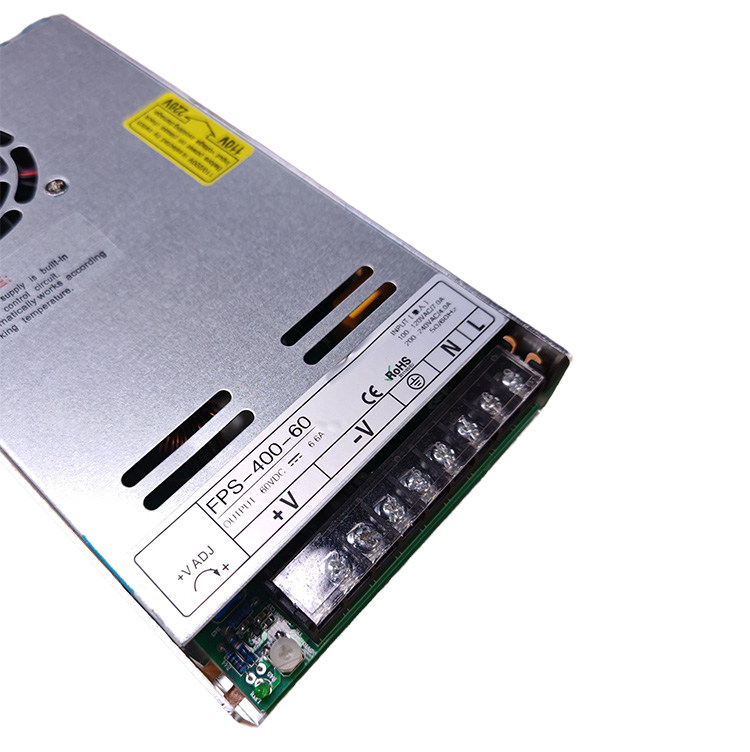
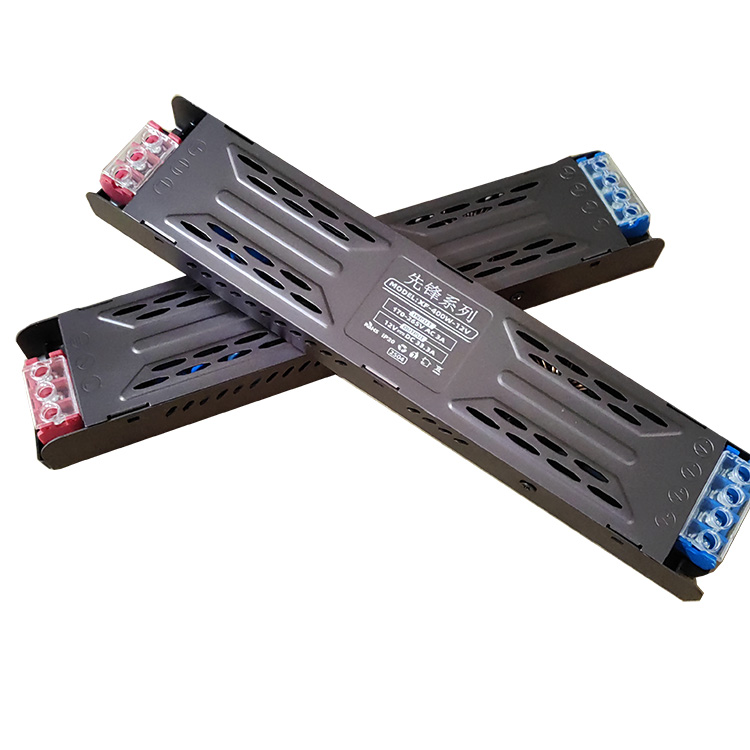
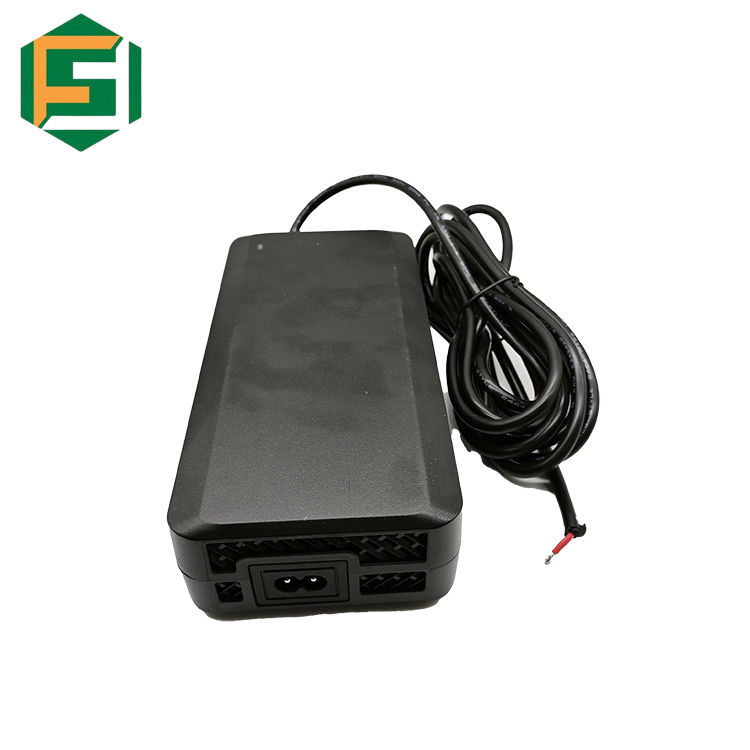
In modern industrial electronics, the transition from conventional switch-mode topologies to high current power supplies (HCPS) operating upwards of 30A, 50A, and 100A+ demands a foundational shift in electromagnetic engineering, semiconductor integration, and thermodynamic dissipation. Whether utilized in electrolytic surface finishing, industrial motor driving, server power distribution architectures, or automated DC bus networks, high amp outputs exacerbate thermal bottlenecks, voltage drop variances, and skin-effect losses within wound components.
As a leading China high current power supply manufacturer, Shaanxi Zelqo Power Co., Ltd. (Zelqo Power) addresses these constraints through precise custom winding methodologies, specialized planar magnetic architectures, and advanced semiconductor layouts. Sourcing high-current industrial power conversion is no longer simply about matching nominal input/output voltages; global tier-1 procurement demands rigorous scrutiny over transformer core saturation thresholds, active PFC regulation, dielectric insulation breakdown, and real-world thermal coefficients under inductive stress.
Information Gain: Critical Topologies Governing High Current Output
Unlike standard off-the-shelf adapters, industrial high current power supplies must handle acute instantaneous load transients without falling out of regulation. Zelqo Power integrates LLC Resonant Half-Bridge and Interleaved Synchronous Buck topologies with custom low-leakage inductors. Interleaving balances current distribution across multiple semiconductor phases, effectively reducing the RMS ripple current stress placed upon downstream electrolytic capacitors and significantly extending overall Mean Time Between Failures (MTBF).
1. Advanced Thermal Dissipation and Winding Strategies
Current flowing through high-amp primary and secondary windings introduces severe ohmic losses ($I^2R$) and proximity effect penalties. At frequencies exceeding 100 kHz, standard single-strand enameled wire undergoes drastic skin effect constraints. Zelqo Power circumvents this by engineering high-frequency transformers using multi-strand Litz wire, custom-extruded copper foil strips, and edge-wound flat copper coils. This structural optimization dramatically expands effective surface area, curbs parasitic AC resistance, and curbs internal temperature rise.
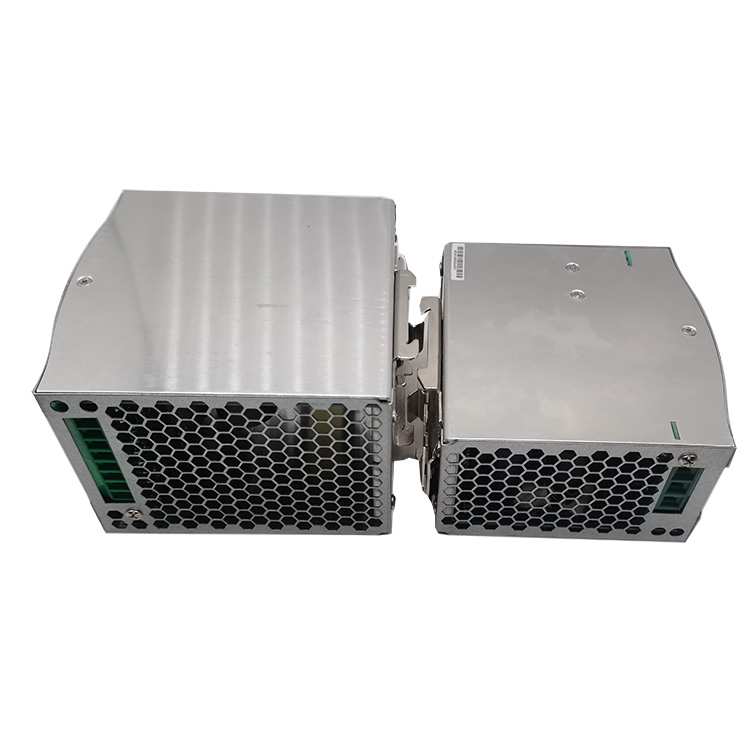
Furthermore, our chassis and enclosed topologies employ forced air convective tunnels paired with cold-plate conduction interfaces. For harsh environments—such as marine lighting, automated electroplating shops, or dust-heavy manufacturing floors—we deploy fully encapsulated, epoxy-potted solutions ensuring both IP-rated environmental resilience and superior heat conduction away from core windings.
Planar & Foil Magnetics
Custom-engineered planar cores and copper ribbon secondaries optimized for low proximity losses, minimal leakage inductance, and superior packing density in high-amperage applications.
Synchronous Rectification
Replacing standard Schottky barrier diodes with low $R_{DS(on)}$ MOSFET active rectifiers, reducing conduction voltage drops from 0.5V to below 0.05V, radically elevating system conversion efficiency.
Multi-Stage Protection Matrix
Hardware-level over-current (OCP), over-voltage (OVP), short-circuit (SCP), and auto-recovery over-temperature (OTP) shutdown safeguards designed to prevent downstream component destruction.