Featured Industrial & Architectural LED Drivers
Explore fully verified constant-voltage, constant-current, and multi-rail regulated power assemblies built for harsh outdoor installations and precision instrumentation.
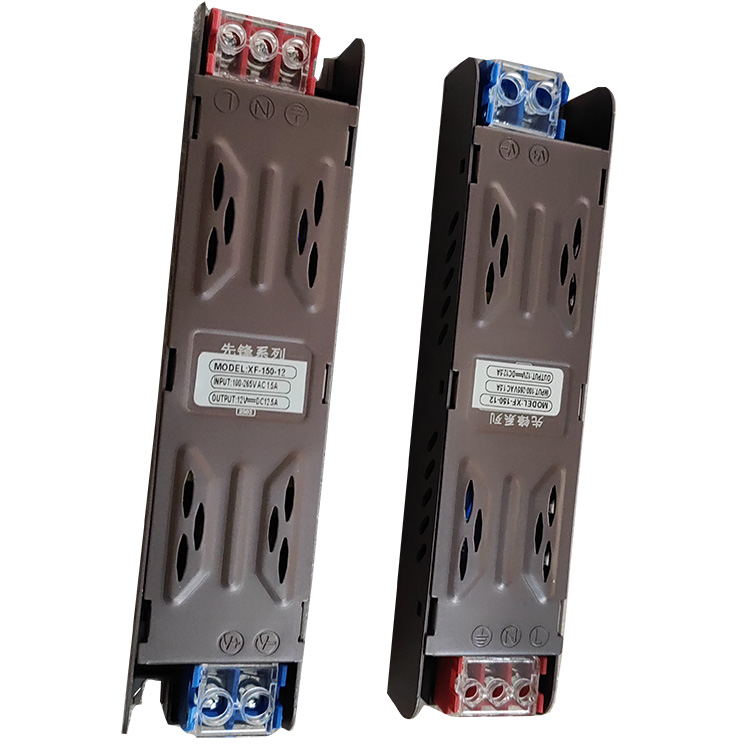
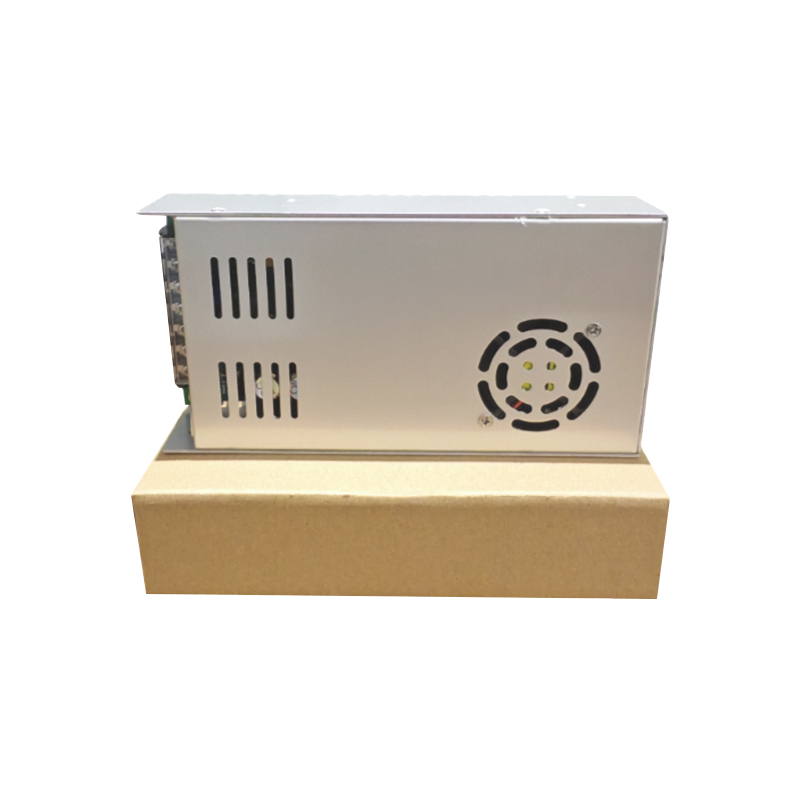
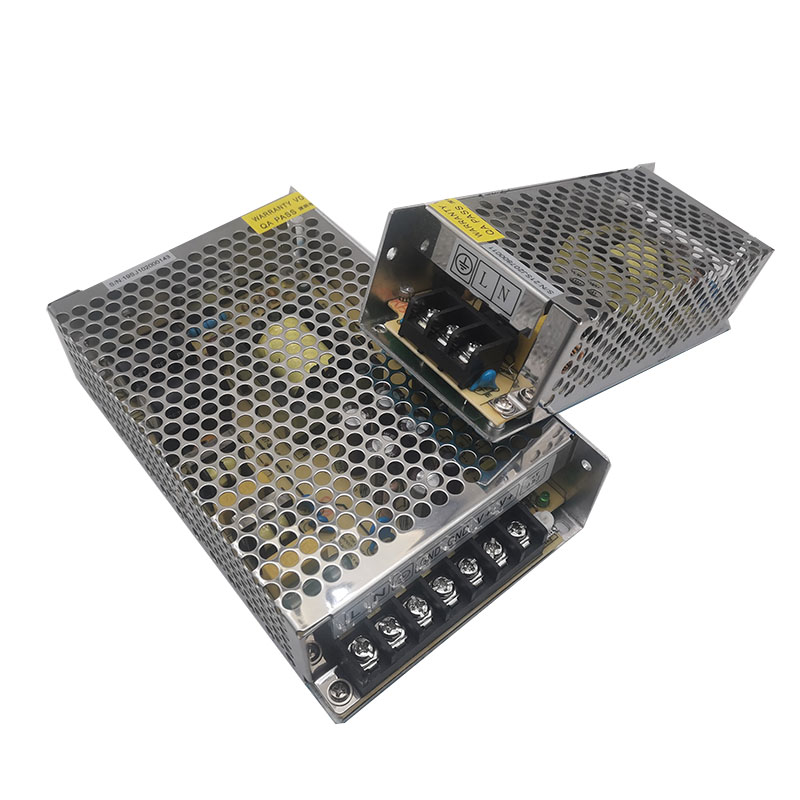
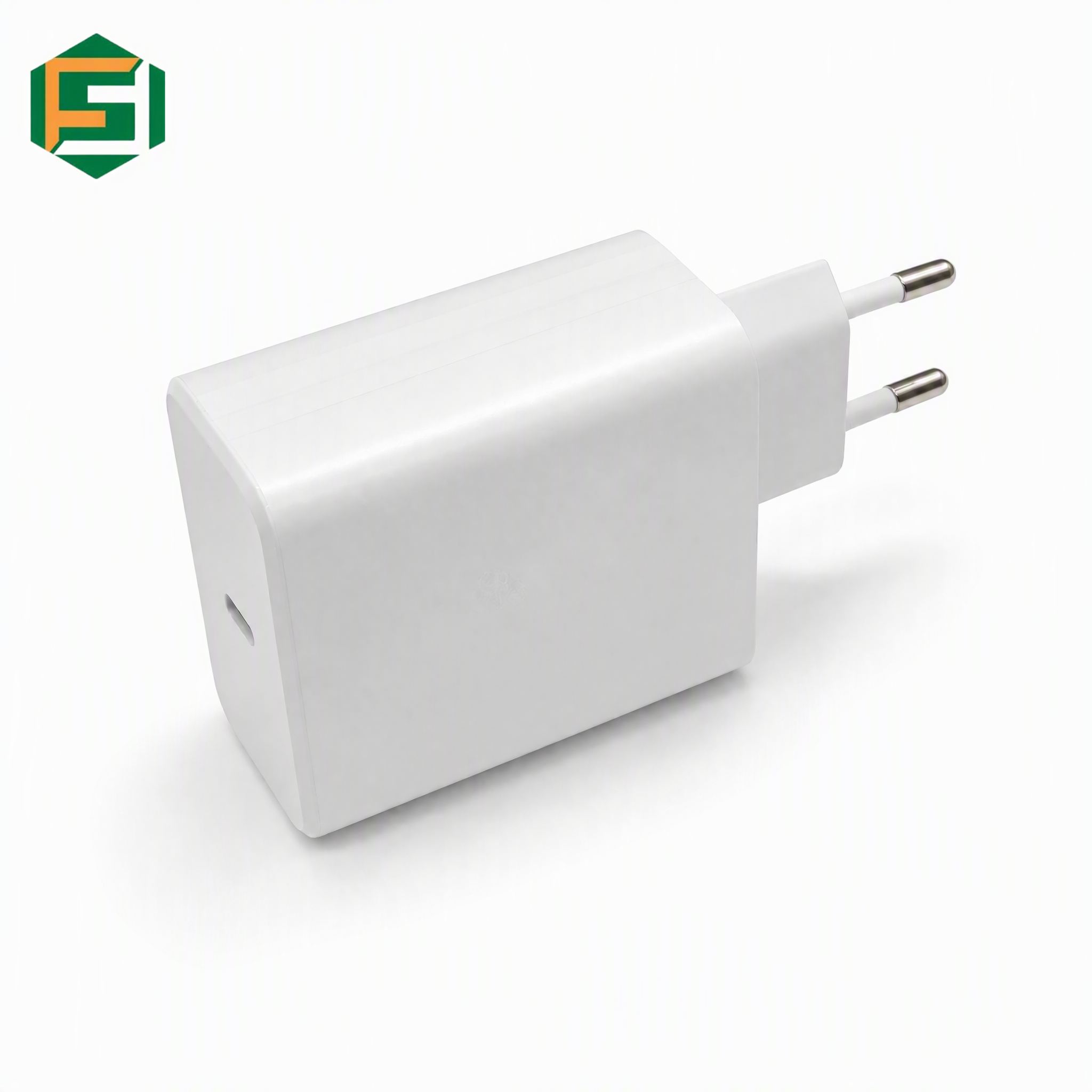
The Comprehensive White Paper on Industrial LED Switching Power Supplies
In high-performance solid-state lighting (SSL), system longevity is rarely limited by the LED emitter. Semiconductor diode junctions routinely achieve L70 lifetimes exceeding 60,000 hours. The primary vulnerability in solid-state lighting systems resides within the switched-mode power conversion topology: the LED switching power supply (or LED driver). For electrical engineers, commercial procurement executives, and system integrators, understanding the topology, component tolerances, thermal parameters, and compliance standards is imperative to prevent catastrophic field failures, unexpected photometric flickering, or costly warranty recalls.
"Procurement officers who treat LED switching power supplies as generic commodity units expose their operations to high total cost of ownership (TCO) through field failures, poor power factor penalties, and electro-magnetic compatibility (EMC) rejections."
1. Topology Breakdown: Constant Current (CC) vs. Constant Voltage (CV)
Selecting an appropriate switching topology dictates thermal performance, system architecture, and modular scalability:
- Constant Voltage (CV) Architecture (e.g., 12V, 24V, 48V DC): Supplies fixed voltage output over variable load current ranges. Typically applied in linear LED strip lighting, signage illumination, architectural neon flex, and parallel array architectures where onboard current-limiting resistors or downstream DC-DC step-down drivers balance each branch. CV drivers require tight load regulation and minimal voltage droop under rapid step changes.
- Constant Current (CC) Architecture (e.g., 350mA, 700mA, 1050mA, 1400mA): Regulates output current within defined milliampere bounds while the output voltage floats across a specified compliance window depending on LED forward voltage (Vf) drop. This topology drives high-power COB (Chip-on-Board) modules, street lights, high bays, and stage projectors directly, eliminating secondary current-regulating elements and optimizing electrical efficiency.
| Topological Parameter | Constant Voltage (CV) | Constant Current (CC) | GaN Resonant LLC Hybrid |
|---|---|---|---|
| Primary Application | LED Strips, Signage, Neon Flex | COB Downlights, High Bays, Roadway | High-Density Architectural, Slim-Form |
| Typical Conversion Efficiency | 88% - 93% | 91% - 95% | 95% - 97.2% |
| Ripple & Noise Peak-to-Peak | < 150mVp-p | < 5% Current Ripple | < 1.2% Combined |
| Flicker Index Metric | Depends on downstream circuit | PstLM < 1.0, SVM < 0.4 Compliant | IEEE 1789 Zero-Flicker Standard |
| Typical Thermal Operating Range | -30°C to +60°C | -40°C to +70°C | -40°C to +85°C (Case Tc) |
2. The 2025–2030 LED Switching Power Supply Procurement Trends
Procurement teams are adjusting supply chain operations to meet updated power requirements and evolving efficiency metrics:
Wide Bandgap Semiconductors (GaN & SiC)
Gallium Nitride (GaN) high-electron-mobility transistors (HEMTs) are replacing traditional Silicon Superjunction MOSFETs. Operating switching frequencies jump from 65kHz to over 300kHz, shrinking planar magnetic transformer core volumes by 40% while pushing total converter efficiency past the 96% threshold.
Digital Control & Connected Lighting Protocols
Static on/off power supplies are being replaced by programmable digital architectures. Modern procurement requires native support for DALI-2 (Part 251, 252, 253 data storage for energy diagnostics), 0-10V sink/source current sinking, Zigbee 3.0 mesh, and Matter-over-Thread protocol decoders.
Solid-State Lifetime Matching & Electrolytic Mitigation
To eliminate premature electrolytic drying failures, Tier-1 manufacturers use long-life 105°C/125°C rated conductive polymer solid capacitors, or implement multi-phase interleaved resonant topologies that minimize necessary capacitance values altogether.
Circular Lifecycle & Carbon Border Adjustments (CBAM)
EU CBAM guidelines require documented life cycle assessments (LCA) for embedded electrical equipment. Buyers demand repairable modular driver chassis, halogen-free potting resins, and low-waste packaging architectures.
3. Technical Qualification Checklist for Sourcing Engineers
Before issuing requests for quotation (RFQs) to overseas power supply manufacturers, ensure your BOM and engineering documentation detail these core parameters:
- Input Voltage Tolerances: Specify whether your installation requires North American commercial 347/480VAC tolerance, standard Universal 90–264VAC, or 180–305VAC input to survive severe utility spikes.
- Total Harmonic Distortion (THD) & Power Factor (PF): Mandate PF > 0.95 at 50% to 100% rated capacity, with THD held under 10% (and strictly < 15% across dimming ranges) to comply with IEC 61000-3-2 Class C limits.
- Surge Immunity Ratings: Architectural and roadway illumination necessitates minimum Common Mode (Line-Earth) 6kV to 10kV, and Differential Mode (Line-Line) 4kV to 6kV transient protection per IEC 61000-4-5.
- Thermal Derating Envelopes: Inspect derating curves. Premium power supplies run without active fan cooling up to 50°C ambient, whereas low-tier units begin derating power delivery at 35°C, risking early thermal runaway.
4. Global Supplier Matrix: Tier-1 Landscape Analysis
A balanced procurement strategy pairs specialized tier-1 and tier-2 manufacturers to secure steady volume access while controlling custom engineering budgets:
- Standard Catalog Leaders: Companies like Mean Well, Delta Electronics, and Inventronics provide broad off-the-shelf inventory through distributor networks, well suited for fast-turnaround standard applications.
- High-End European & Architectural Specialists: Brands including Tridonic and eldoLED focus on low-end dimming performance, architectural DALI integration, and studio-grade zero-flicker control curves.
- Agile OEM/ODM Custom Manufacturers (e.g., Shaanxi Zelqo Power Co., Ltd.): Direct factory engineering partners deliver custom form-factor geometries, specific multi-tap secondary windings, private-label enclosures, and proprietary transient-protection stages. This direct model avoids catalog markups and allows custom adaptation to proprietary fixture designs.
5. Frequently Asked Questions (Procurement & Engineering FAQ)
What causes visible and invisible flicker in LED power supplies, and how is it mitigated?
Why do inrush currents trip breakers during large LED fixture commissioning?
How do environmental IP ratings impact thermal performance and component life?
What international safety certifications should B2B purchasers verify?
How does potting material affect long-term reliability in high-vibration environments?
6. Manufacturing Verification: The Shaanxi Zelqo Power Advantage
Selecting an OEM/ODM manufacturing partner requires real factory-floor verification. Shaanxi Zelqo Power Co., Ltd. (based in Xi'an, Shaanxi, China) provides end-to-end engineering and production services for global clients:
Intertek-Verified Operations
Our production facilities, testing capabilities, and quality systems have passed third-party on-site verification by Intertek.
Custom Planar & Wound Magnetics
We wind and assemble our own toroidal, EI, and ferrite high-frequency transformer stages, ensuring optimized magnetic coupling for specific switching topologies.
100% Full-Load Burn-In
Every single power unit undergoes full-load thermal burn-in aging and multi-step electrical verification prior to final export packaging.
OEM/ODM Engineering Direct
Direct communication with experienced power design engineers speeds turnaround on custom prototypes, connector styles, chassis modifications, and private labels.
Request Engineering Samples & Custom Quotations
Connect with our design engineering team in Xi'an. We review your electrical parameters, outline trade-offs, and supply samples for prototype validation.
Send an Inquiry