Featured Industrial Power & Magnetic Equipment
Explore custom-tailored switching power supplies, toroidal transformers, dynamic multi-voltage adaptors, and high-amperage DIN rail modules manufactured under verified ISO-standard workflows.
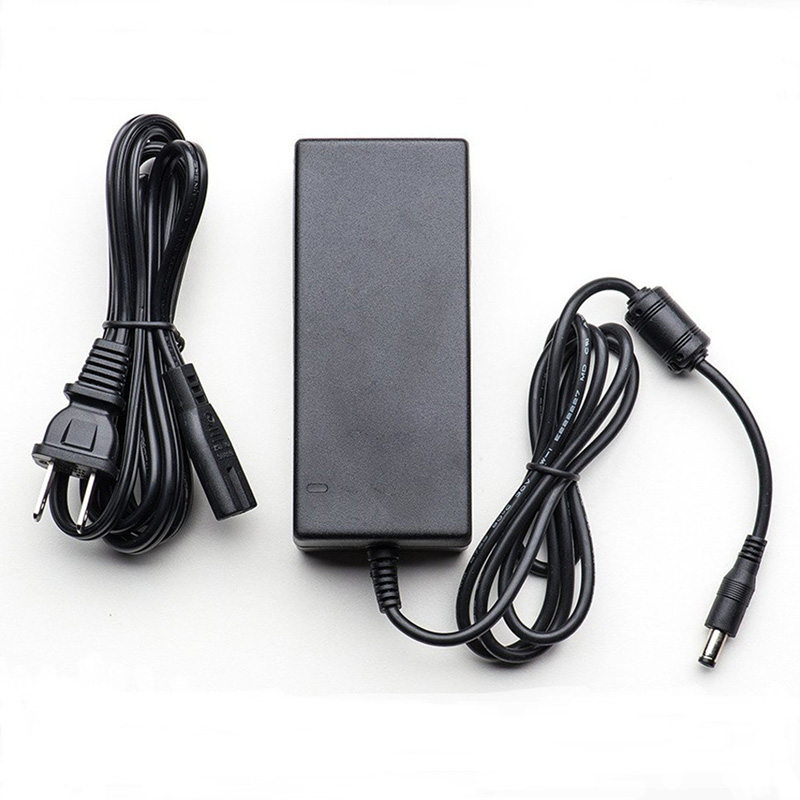
Universal Multi-Voltage DC Switching Power Adapter 500mA–3A
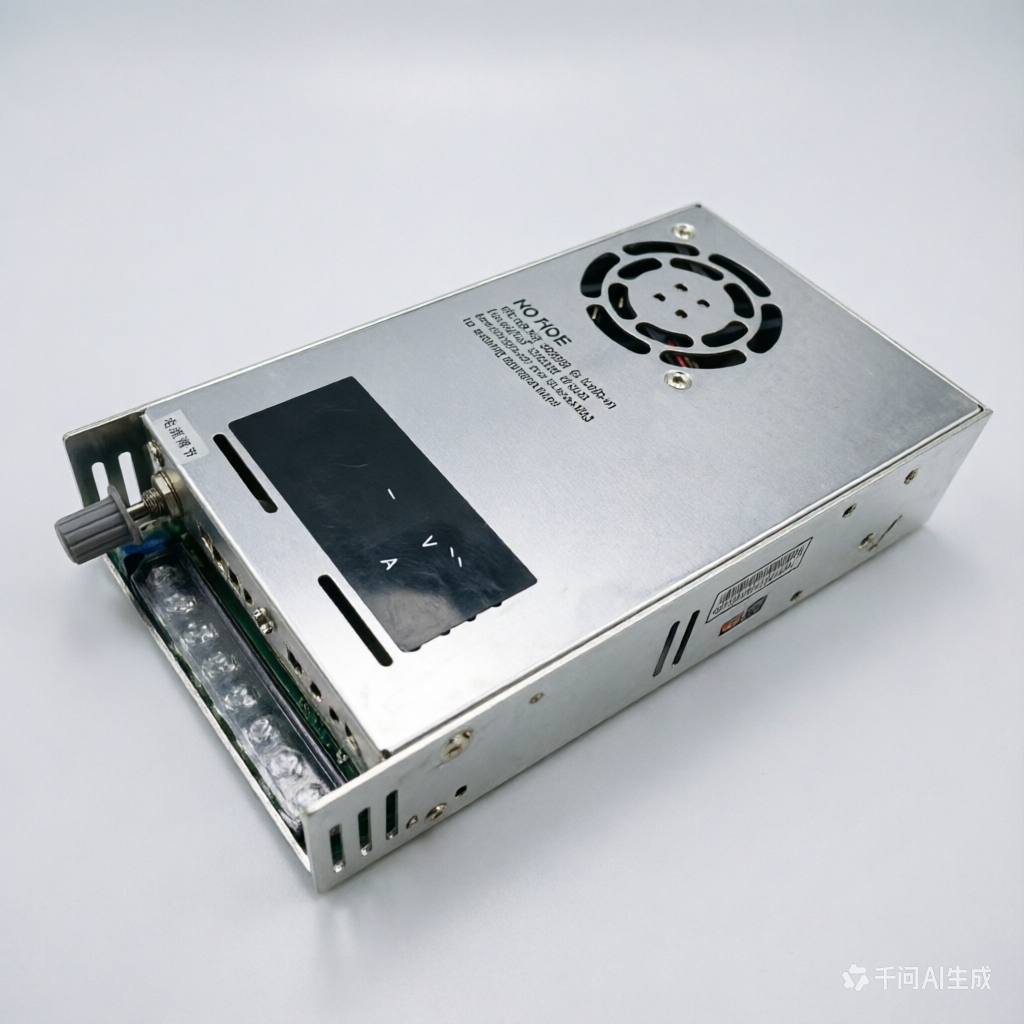
12V 50A 600W Adjustable DC Regulated Power Supply
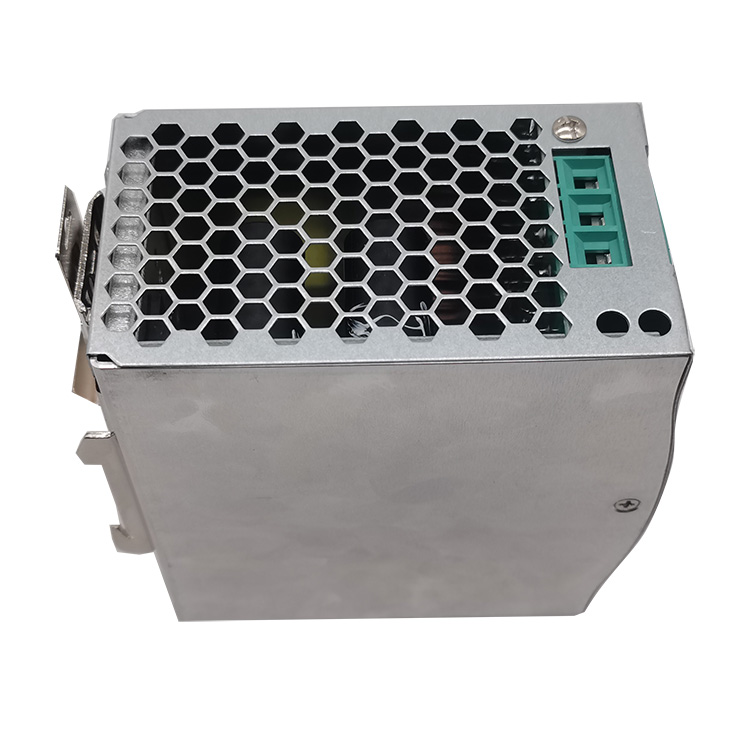
DC Industrial DIN Rail Power Supply for Control Automation
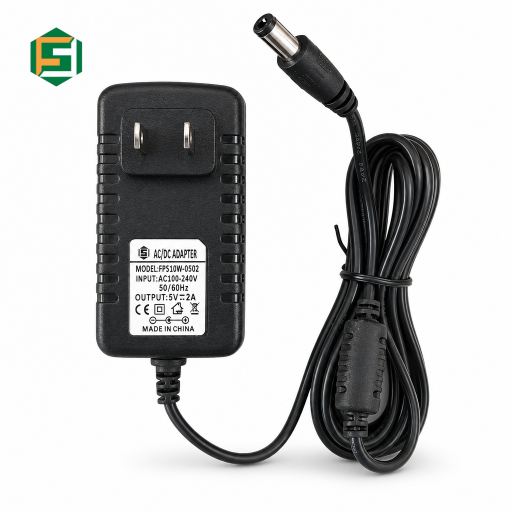
5V 2A 3A Universal US Plug Wall Mount Adapter with Ferrite Ring
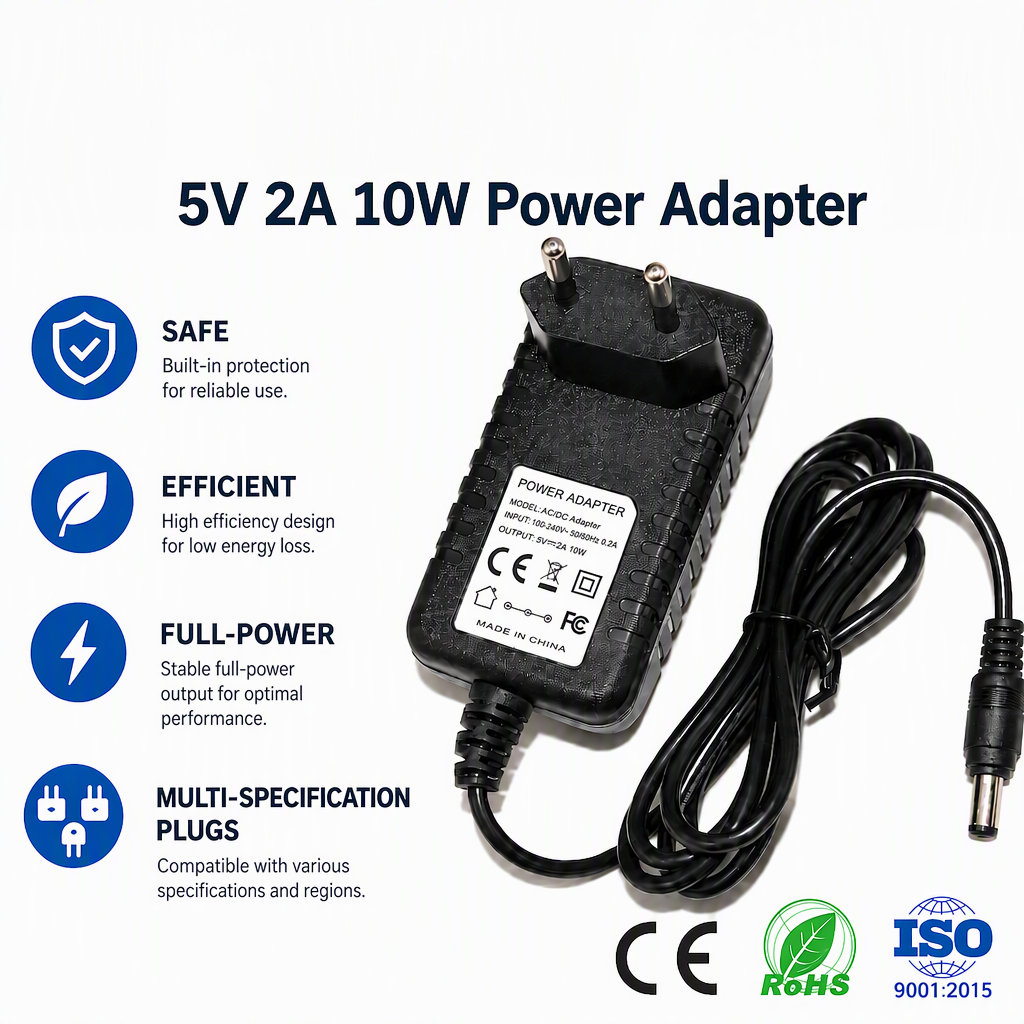
5V 2A Custom AC/DC Charger for Network Routers & CCTV
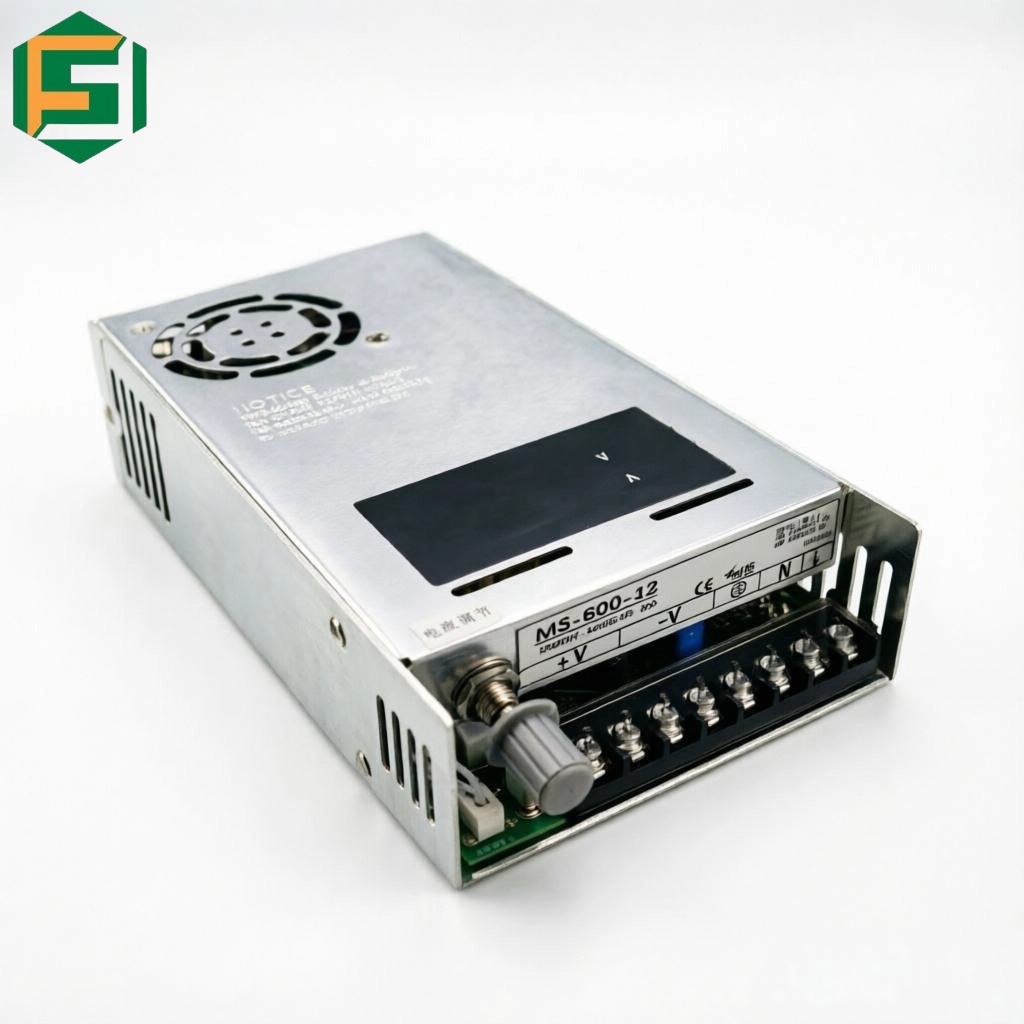
600W 12V 50A Adjustable Switching Power Supply with Display
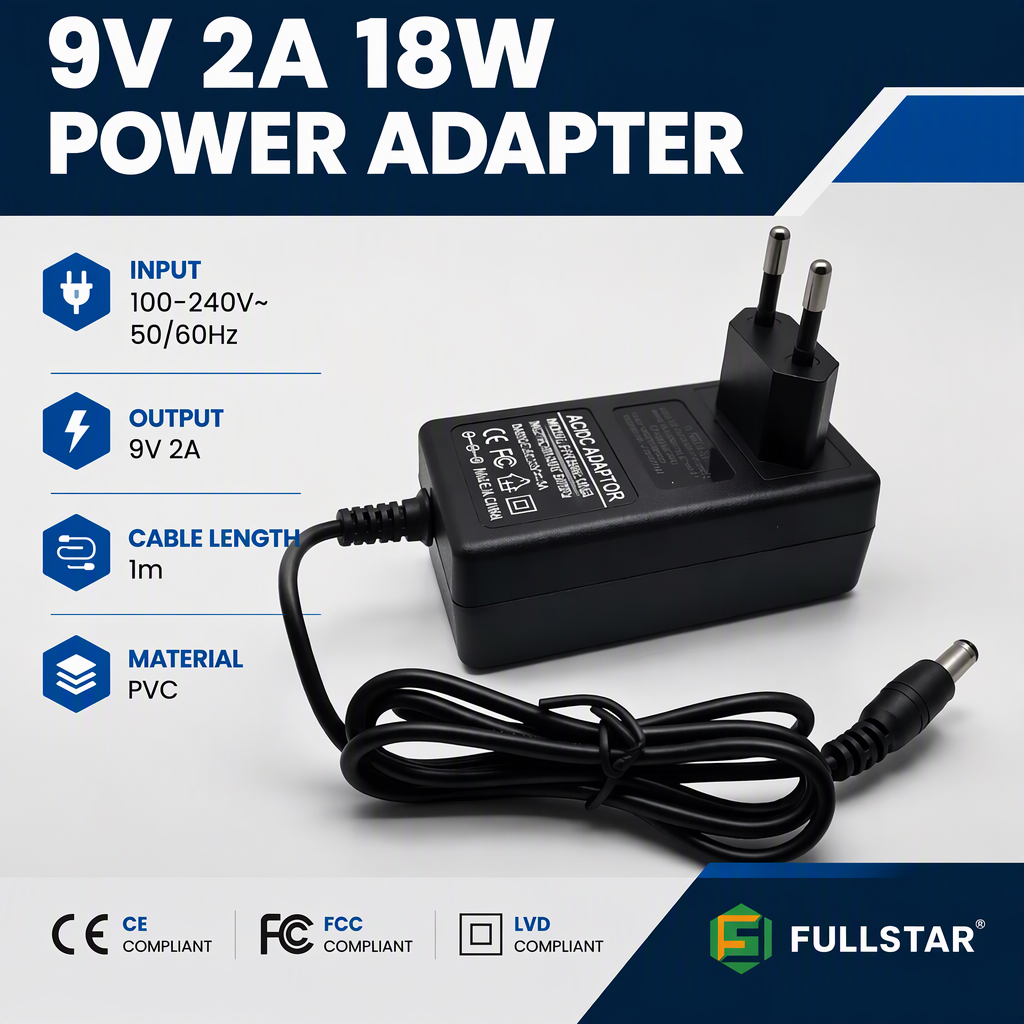
Universal AC/DC Adaptor Range 5V/9V/12V/15V/24V (1A–10A)
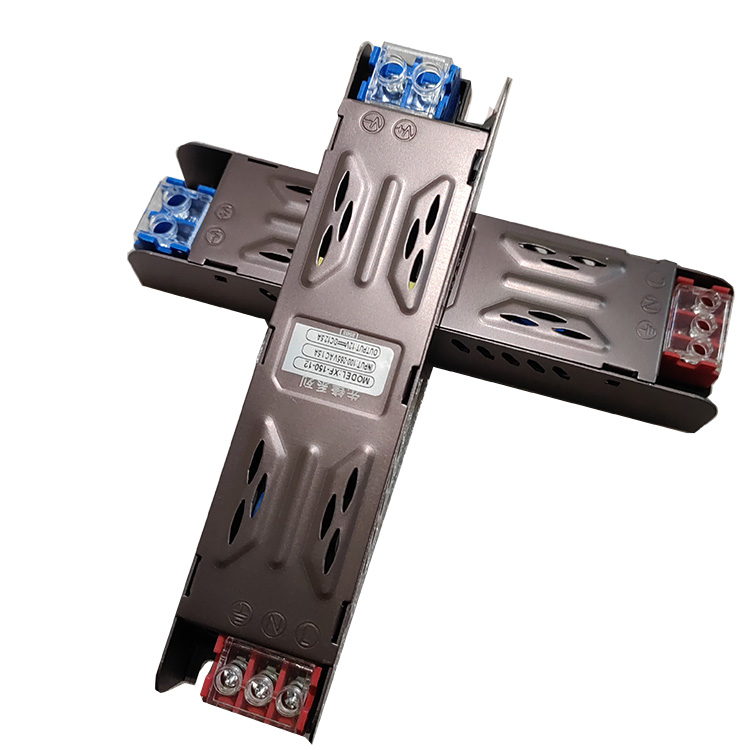
Adjustable Single-Phase DIN Rail Supply (60W to 1000W Scalable)
Engineering Toroidal Transformers: Physics, Performance, and Manufacturing Architecture
Toroidal transformers represent the pinnacle of electromagnetic conversion efficiency in modern electrical engineering. Unlike conventional E-I laminated cores which feature discrete stacks prone to air-gap reluctance, a toroidal transformer is constructed around a continuous, seamless strip of Cold-Rolled Grain-Oriented (CRGO) silicon steel or advanced nanocrystalline alloy. This continuous ring architecture aligns magnetic flux vectors identically with the crystalline grain orientation of the steel ribbon, yielding near-unity magnetic coupling, drastically curtailed iron losses, and virtually eliminated mechanical acoustic hum.
Information Gain Metric: Toroidal transformers engineered by Shaanxi Zelqo Power exhibit an 85% to 92% reduction in radiated magnetic stray fields compared to conventional shell-type E-I configurations. This eliminates the necessity for heavy external mu-metal shielding in ultra-sensitive applications such as audiophile Class-A amplification, medical telemetry, and precise analytical instrumentation.
Electromagnetic Geometry and Core Saturation Mechanics
The structural closed-loop topology of the toroid prevents flux leakage because copper windings uniformly envelop the entire circumferential periphery of the core. In an E-I core, magnetic flux must bridge air gaps at the mechanical joints between the "E" and "I" laminations. These microscopic discontinuities create localized eddy current concentrations and significant fringe fields. In contrast, our automated CNC toroid winding technology ensures symmetrical distribution of ampere-turns, reducing leakage inductance to nominal levels and maximizing mutual inductance.
Furthermore, the continuous grain structure enables operational flux densities typically ranging between 1.6 Tesla and 1.8 Tesla without premature core saturation, whereas standard laminated cores are constrained to 1.2 to 1.4 Tesla. This elevation in operational saturation limits directly translates into a volume and mass reduction of up to 45% for an identical VA rating, affording equipment designers critical spatial economies in dense rackmount enclosures, medical carts, and TS-35 industrial DIN rail enclosures.
Thermal Dissipation Dynamics and Copper Fill Optimization
Heat accumulation inside magnetic components degrades winding insulation over time, contributing to premature dielectric breakdown. The mechanical surface-area-to-volume ratio of a circular toroid provides exceptional convective cooling pathways. Because secondary windings are wound directly over primary layers with engineered polyester, Mylar, or Nomex inter-winding insulation barriers, thermal dissipation occurs symmetrically outward toward the ambient casing.
Shaanxi Zelqo Power utilizes multi-axis edge-tension-controlled winding machinery to optimize the copper fill factor (copper packing fraction). Higher fill factors decrease effective winding resistance ($R_{dc}$), thereby curbing $I^2R$ copper losses during sustained heavy-load duty cycles. For harsh deployments, complete encapsulation utilizing high-dielectric epoxy potting inside an engineered nylon or aluminum chalice provides ingress defense against ambient humidity, dust ingress, and severe mechanical vibration up to 10G.
Why Global Tier-1 B2B Importers Partner with Zelqo Power
Intertek-verified manufacturing footprint in Xi'an, Shaanxi, China, deploying end-to-end quality assurance from raw silicon steel annealing to certified impulse winding testing.
Intertek On-Site Verification
Complete on-site operational verification by Intertek. Transparent manufacturing facilities, audited trade capacities, verified financial credit indexes, and authenticated supply chain integrity.
Full OEM/ODM Engineering
Dedicated winding, cutting, wrapping, and terminal crimping lines capable of rapid CAD-to-prototype cycles, tailoring primary/secondary tap voltages, electrostatic shields, and mounting hardware.
Multi-Stage Quality Control
Every batch undergoes LCR digital bridge testing, DC low-resistance checks, impulse winding turn-to-turn insulation verification, hi-pot dielectric tests, and 100% full-load burn-in aging.
Global Export Packaging
Heavy-duty export cartons, internal shock-absorbent custom molds, and moisture-sealed palletization engineered for reliable intermodal container freight across European and North American ports.
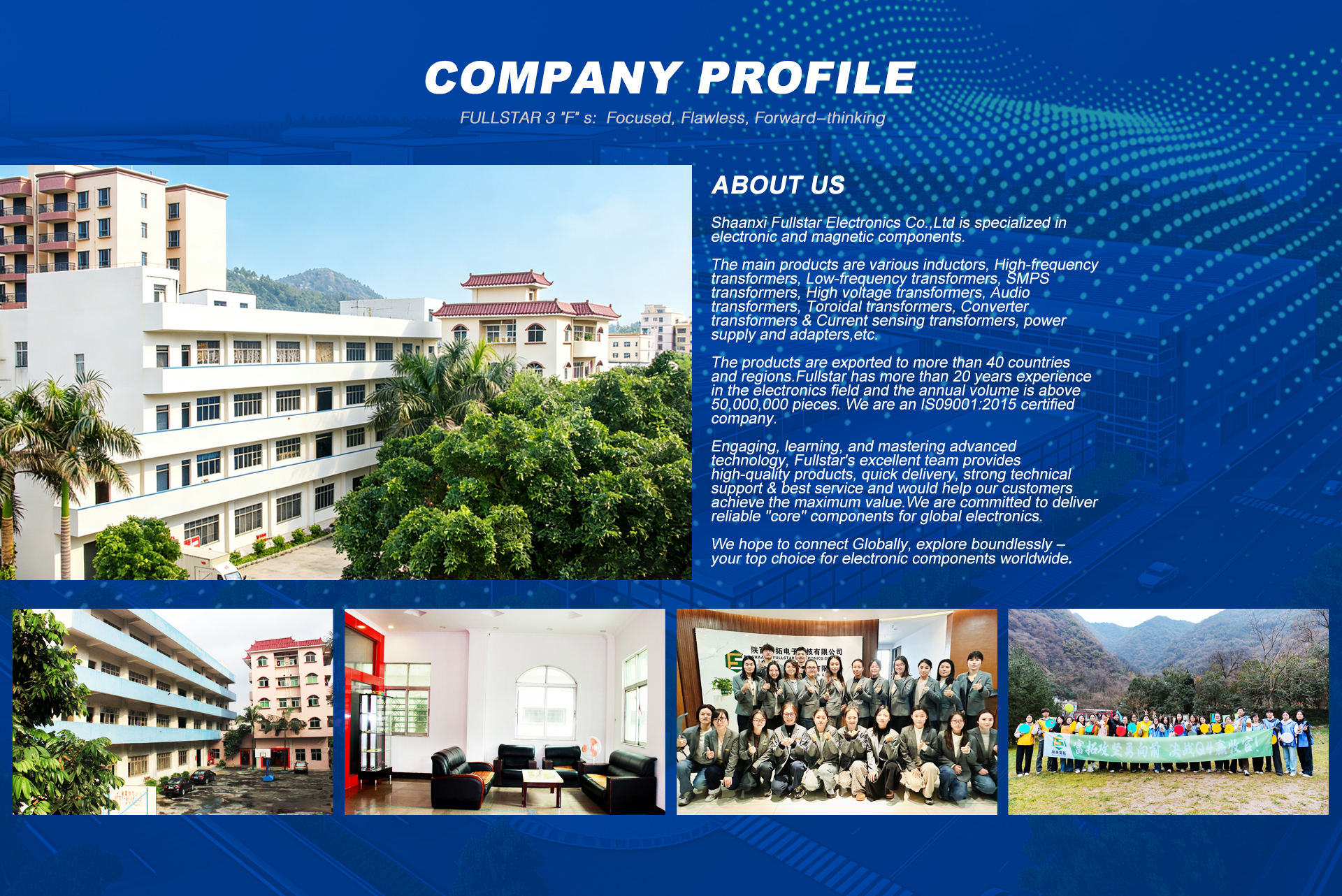
State-of-the-Art Winding, Assembly & Automated Testing
Located at Room 1306, Poly Zhongda Plaza, Fengcheng 10th Road in Xi'an, Shaanxi, China, our modern manufacturing facilities harmonize high-speed CNC toroidal coil winders with multi-channel digital power analyzers. Our engineering philosophy roots itself in total transparency: overseas procurement teams are invited to audit our operations through third-party protocols or real-time remote digital walkthroughs.
Whether your project requires high-frequency ferrite core switch-mode transformers for EV charging stations, low-frequency 50/60 Hz isolation units, or encapsulated chassis-mount toroidal audio transformers, our Xi'an manufacturing plant executes every winding step to strict IPC-A-610 and ISO-aligned standards.
Future Procurement Trends in Industrial Magnetics & Transformers
Strategic market insights guiding international supply chain executives, electrical engineers, and contract manufacturers navigating shifting regulatory and environmental frameworks.
Ecodesign Tier 2 & DOE 2016 Efficiency Thresholds
Global energy policies increasingly mandate ultralow no-load losses in all stationary equipment. Conventional E-I transformer topologies struggle to comply with tighter European Ecodesign Tier 2 standards without bloated core dimensions. Toroids represent the most direct engineering pathway to achieve compliance due to continuous grain alignment and negligible standby power dissipation.
IEC 60601-1 3rd/4th Edition Ultralow Leakage Standards
Medical electrical device procurement demands isolation transformers exhibiting touch current values below 100 microamperes (µA). Toroidal medical isolation transformers with dual Faraday electrostatic copper foil shields between primary and secondary windings prevent high-frequency capacitive noise transmission, establishing dominance in operating theaters and patient monitoring equipment.
Renewable Smart Grids & Photovoltaic Microinverters
Decentralized solar microinverters and battery energy storage systems (BESS) require high-efficiency isolation transformers capable of handling bi-directional power flows with thermal stability. Procuring toroidal units with custom multi-tap inputs ensures compatibility with volatile local grid voltages across emerging installation markets.
Near-Zero Failure Tolerance in EV Auxiliary Systems
Electric vehicle charging station architectures are transitioning from bulky industrial low-frequency units to compact, high-reliability auxiliary toroidal transformers. Procurement trends prioritize full epoxy-potted components capable of resisting rapid thermal cycling (-40°C to +105°C) and environmental salt fog in roadside infrastructure.
Demands for Zero Magnetostrictive Acoustic Hum
Architectural lighting, luxury residential automation, and high-fidelity audio systems demand dead-silent power supplies. Magnetostriction in laminated iron cores creates 100/120 Hz acoustic hum. Toroidal cores wound under strict mechanical tension and vacuum-impregnated with structural varnish eliminate mechanical resonance, capturing high-end OEM specification sheets.
Vendor Consolidation Toward Verified Custom OEMs
Global sourcing leaders are moving away from multi-tiered trading intermediaries in favor of vertically integrated factories that maintain in-house magnetic calculation, toolmaking, winding, encapsulation, and certified testing. Consolidating magnetics and SMPS with Shaanxi Zelqo Power reduces BOM lead times and guarantees trace certificate validation.
Technological Innovations Reshaping Toroidal Transformer Design
Examining metallurgical breakthroughs, hybrid nanocomposite cores, and advanced thermal management chemistries propelling power densities into next-generation systems.
1. Metallurgy: Transition from M4/M5 Silicon Steel to Nanocrystalline & Amorphous Alloys
The conventional core material for high-performance low-frequency power transformers has long been high-grade cold-rolled grain-oriented (CRGO) silicon steel (such as M4, M5, or laser-scribed grades). However, high-frequency switching environments and inverter auxiliary stages increasingly incorporate amorphous glass ribbons and nanocrystalline (Fe-based) toroidal cores.
Nanocrystalline alloys boast saturation flux densities exceeding 1.2 Tesla combined with extraordinarily low coercivity and permeability figures that remain linear across broad temperature envelopes (-40°C to +125°C). By replacing traditional ferrite cores with nanocrystalline toroidal chokes, Zelqo Power achieves higher common-mode noise suppression with 50% fewer turns, simultaneously trimming leakage inductance and thermal throttling in compact switched-mode architectures.
2. Thermal Matrix Composites & Polyurethane-Epoxy Vacuum Impregnation
Thermal accumulation in high-amperage toroidal assemblies traditionally forced engineers to upsize magnetic core geometries simply to maintain surface temperatures beneath standard Class B (130°C) or Class F (155°C) thresholds. Modern research executed by our production engineering division leverages thermally conductive ceramic-filled epoxy encapsulants. These compounds exhibit thermal conductivities exceeding 1.2 W/m·K, rapidly drawing heat away from inner primary layers toward the external aluminum chassis.
Additionally, modern automated dual-stage vacuum pressure impregnation (VPI) thoroughly forces solventless insulating varnishes deep into inter-layer winding interstices, displacing microscopic air pockets. This eliminates localized corona discharges and ensures long-term partial discharge withstand during harsh voltage surges.
3. Automated CNC Edge-Guide Winding and Triple-Insulated Wire (TIW) Integration
Historically, toroidal winding was labor-intensive, requiring manual shuttling of copper wire through the core aperture. Contemporary Zelqo Power manufacturing utilizes fully automated high-speed circular toroidal winding machines outfitted with computerized wire-tension sensors. This preserves enamel insulation integrity while maintaining strict winding geometry.
For compact high-frequency power supplies and adapters, the introduction of multi-layered Triple-Insulated Wire (TIW) directly into toroidal chokes and flyback designs allows primary and secondary coils to overlap without cumbersome physical margin tape. This innovation slashes parasitic capacitance, minimizes high-frequency skin effect losses, and reinforces dielectric barrier isolation up to 5,000 VAC peak withstand.
Frequently Asked Questions for B2B Transformer Sourcing
Clear, highly actionable answers addressing the exact technical and operational criteria procurement managers and electrical engineers evaluate before placing OEM orders.
Q What primary electrical parameters must be provided to initiate a custom toroidal transformer design?
To deliver an optimized engineering proposal, our R&D team requires: primary input voltage and operational frequency (e.g., 115V/230V @ 50/60Hz), rated secondary output voltages and load currents per tap, total volt-ampere (VA) capacity, required isolation voltage (e.g., 3,750Vrms or 4,000Vrms primary-to-secondary), maximum permissible temperature rise (typically ΔT ≤ 40°C or 55°C), physical dimensional limits (OD, ID, and height), and any target safety standards such as IEC/UL 61558 or IEC 60601-1.
Q How do toroidal transformers address high inrush current, and what mitigation measures does Zelqo Power offer?
Because cold-rolled grain-oriented toroidal cores possess high magnetic remanence and no air gap, energizing the transformer at or near the AC voltage zero-crossing can result in transient inrush currents up to 20 to 30 times rated current for several cycles. We engineer custom mitigation options including core-air-gap laser-notching, engineered primary turns derating, or the provision of external NTC thermistors and PCB soft-start trigger relays to safeguard upstream circuit breakers.
Q What mechanical mounting options are available for industrial and chassis-mount toroidal units?
We supply three standard mounting paradigms: (1) Classic center-hole metal disk mounting complete with thick neoprene or rubber isolation pads and a heavy-duty zinc-plated through-bolt; (2) Center-potting featuring an epoxy-filled center hub with an integrated brass threaded female insert for rapid, single-screw chassis installation; and (3) Complete potting in custom thermoplastic or metal enclosures with flying leads, terminal blocks, or TS-35 DIN rail snap-clips.
Q How does Shaanxi Zelqo Power guarantee quality across high-volume production batches?
Our Intertek-verified production protocol mandates multi-gate quality checkpoints: raw silicon steel cores are verified for magnetic permeability and loss curve; wound bobbins and toroids undergo computerized LCR testing for turns ratio and leakage inductance; DC resistance is measured on high-precision micro-ohm meters; turn-to-turn insulation is stressed using pulse impulse testing; and 100% of finished units pass dielectric hi-pot testing alongside extended full-load burn-in aging.
Q Can toroidal transformers be engineered for multi-market export with dual or multi-tap inputs?
Yes. We regularly fabricate dual-primary toroidal transformers with isolated 115V windings that can be wired in parallel for 115VAC markets (North America/Japan) or in series for 230VAC/240VAC markets (Europe/Oceania). Additional electrostatic shielding foils and embedded thermal fuses (e.g., 115°C, 125°C, or 130°C one-shot cutoffs or auto-resetting bimetallic switches) can be embedded directly within the winding layers.
Q What is the typical lead time for engineering prototypes and mass OEM production runs?
For custom toroidal engineering prototypes with custom winding parameters, our typical turnaround is 3 to 7 working days following CAD and electrical specification sign-off. Full container-load or volume production batches typically dispatch within 18 to 28 calendar days from our Xi'an factory, backed by comprehensive pre-shipment inspection certificates and full material traceability dossiers.
Ready to Optimize Your Power Conversion Systems?
Contact our senior magnetics design team in Xi'an for comprehensive thermal calculations, core size optimization, and competitive factory-direct OEM/ODM quotation packages.