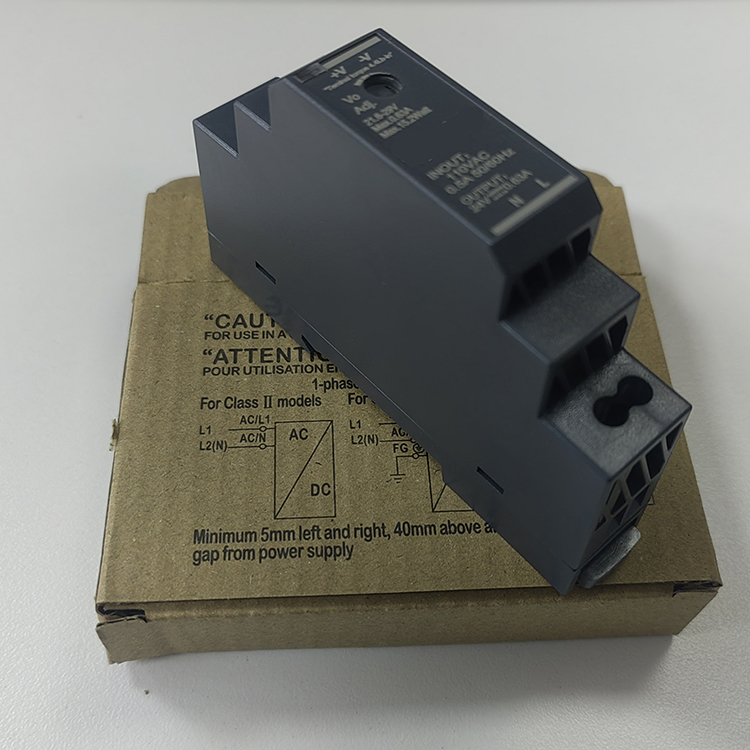
HDR-15-24 Rail Power Supply
DIN Rail Mount
24V DC / 0.63A
Ultra Slim
Select from our field-tested line of AC adapters, switching power units, and DIN rail supplies, or request deep customization for bespoke physical footprints and electrical topologies.
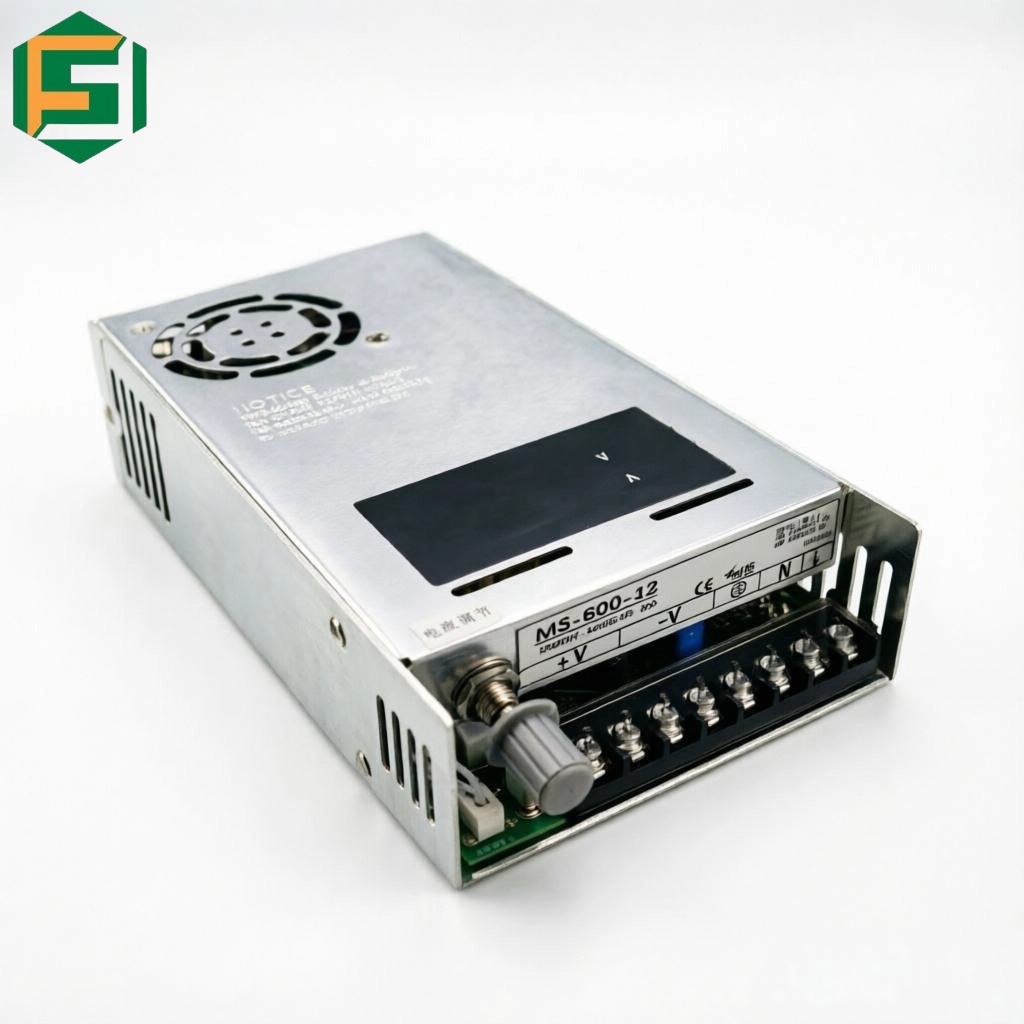
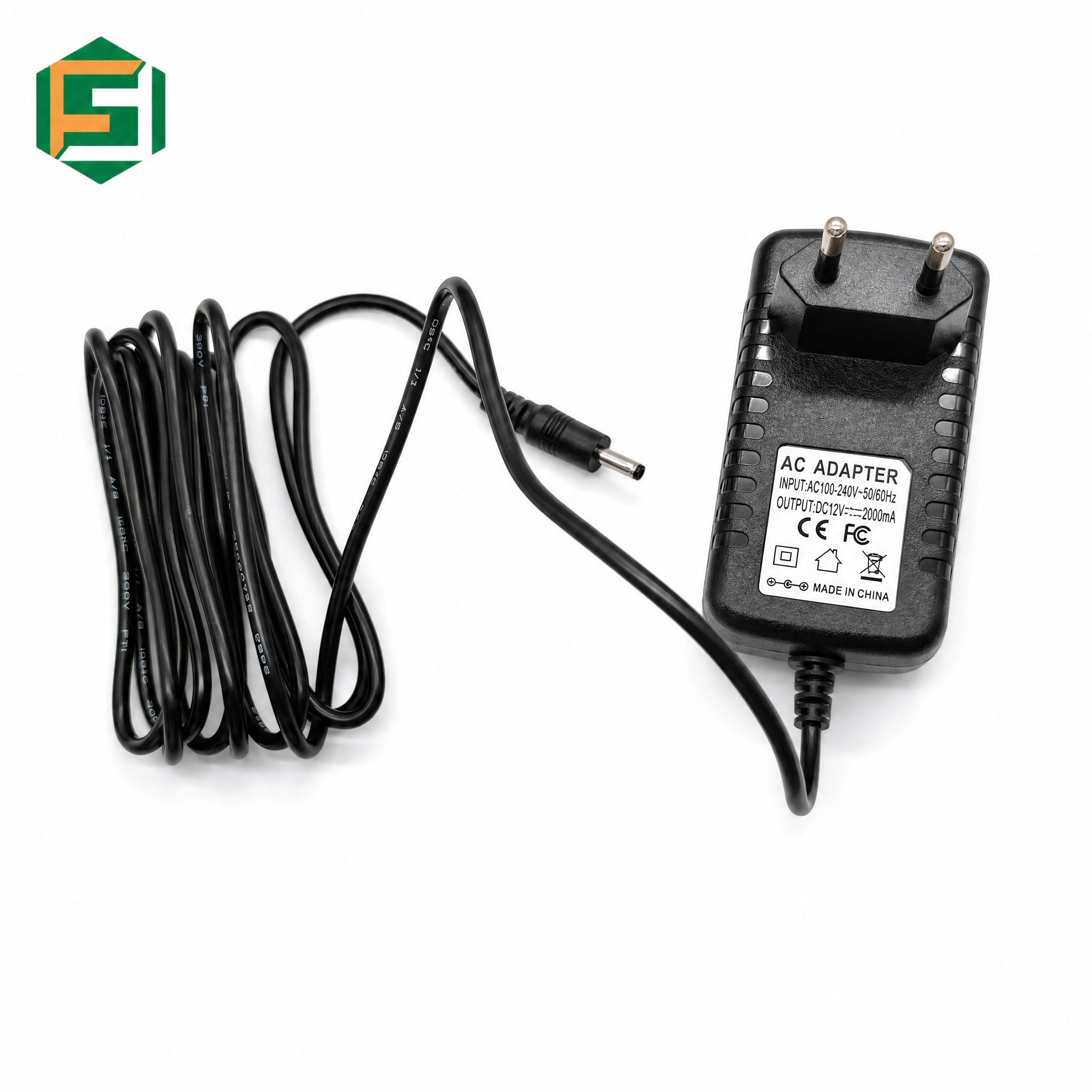
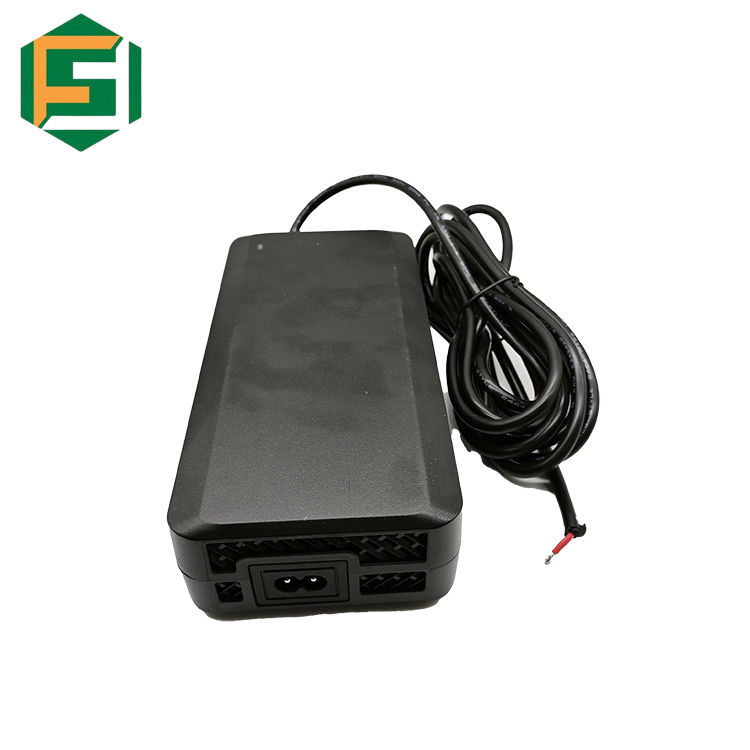
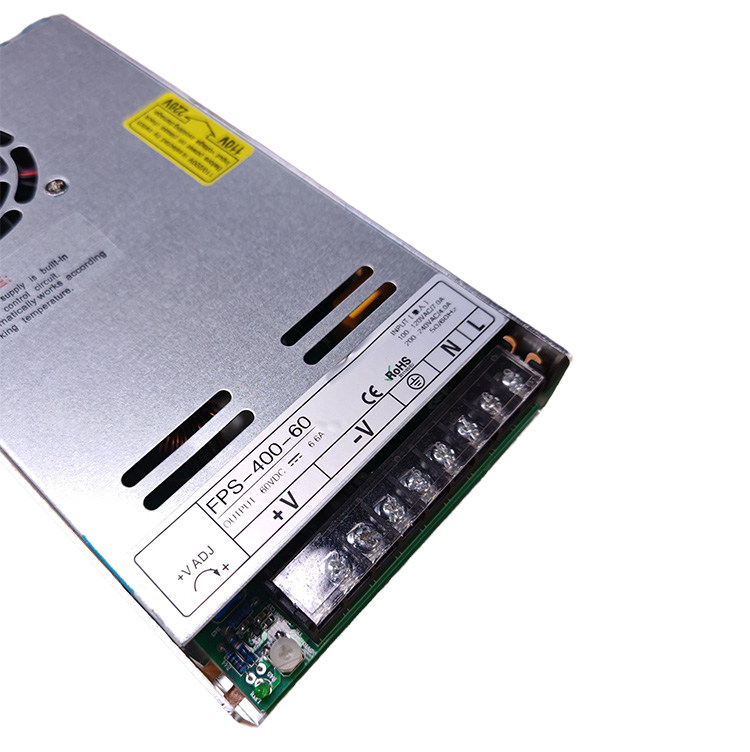
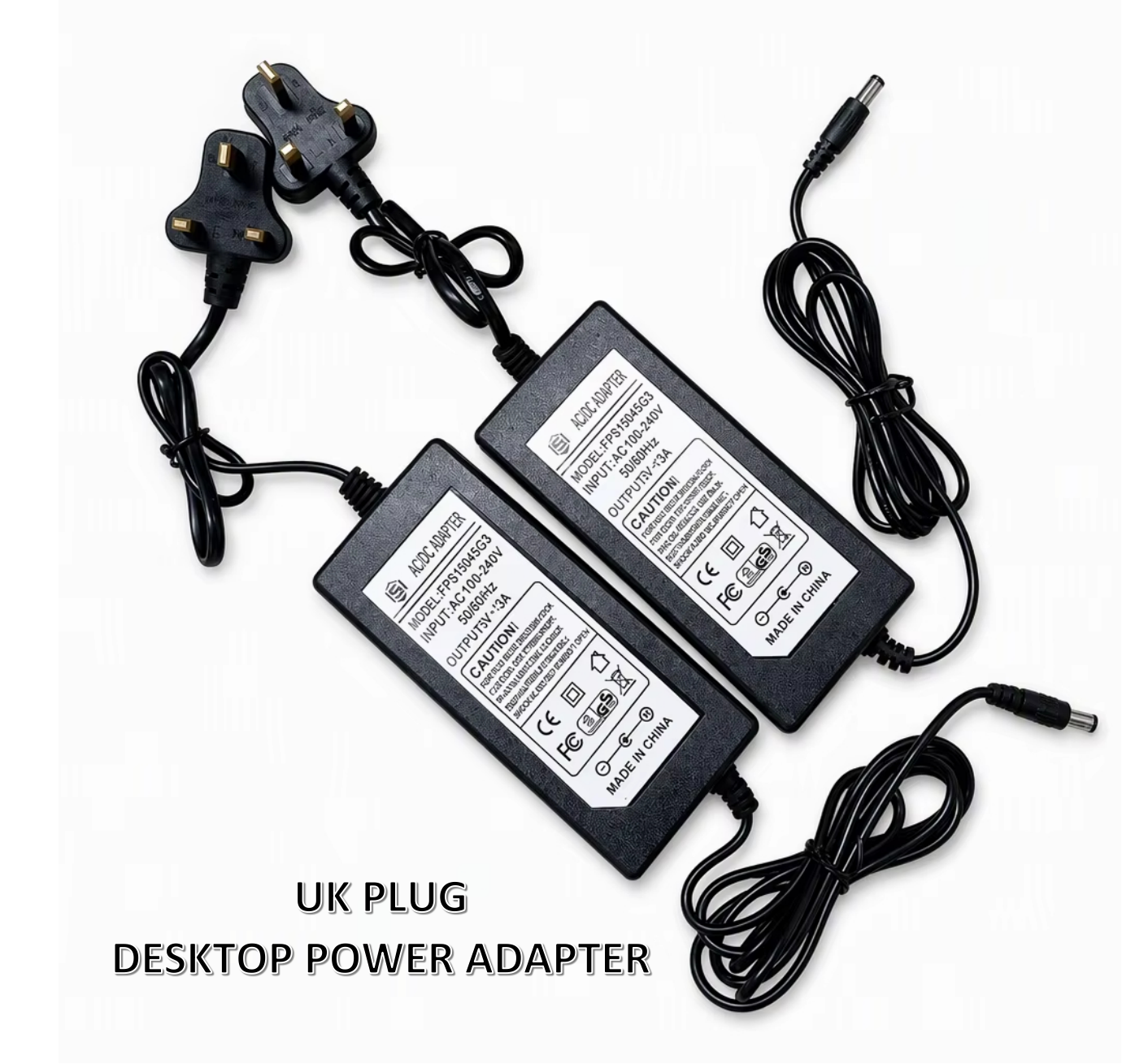
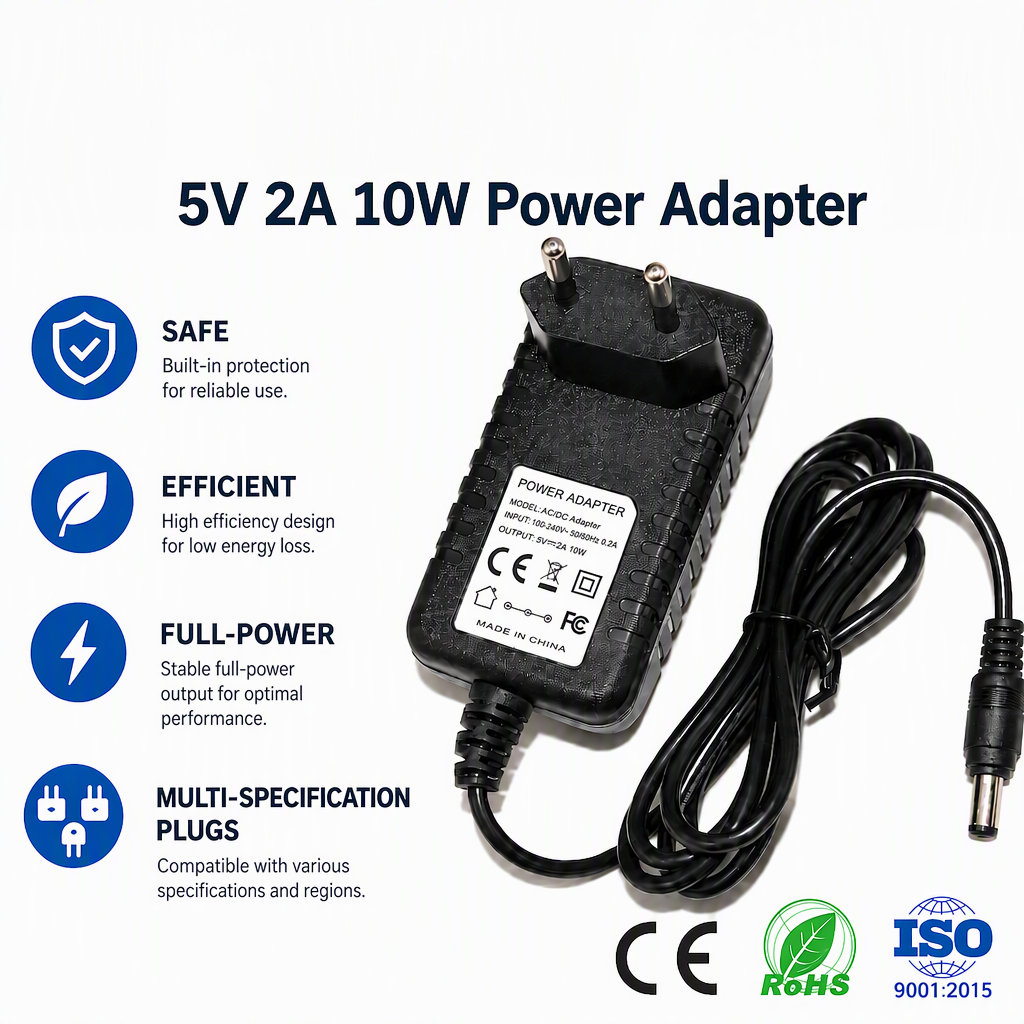
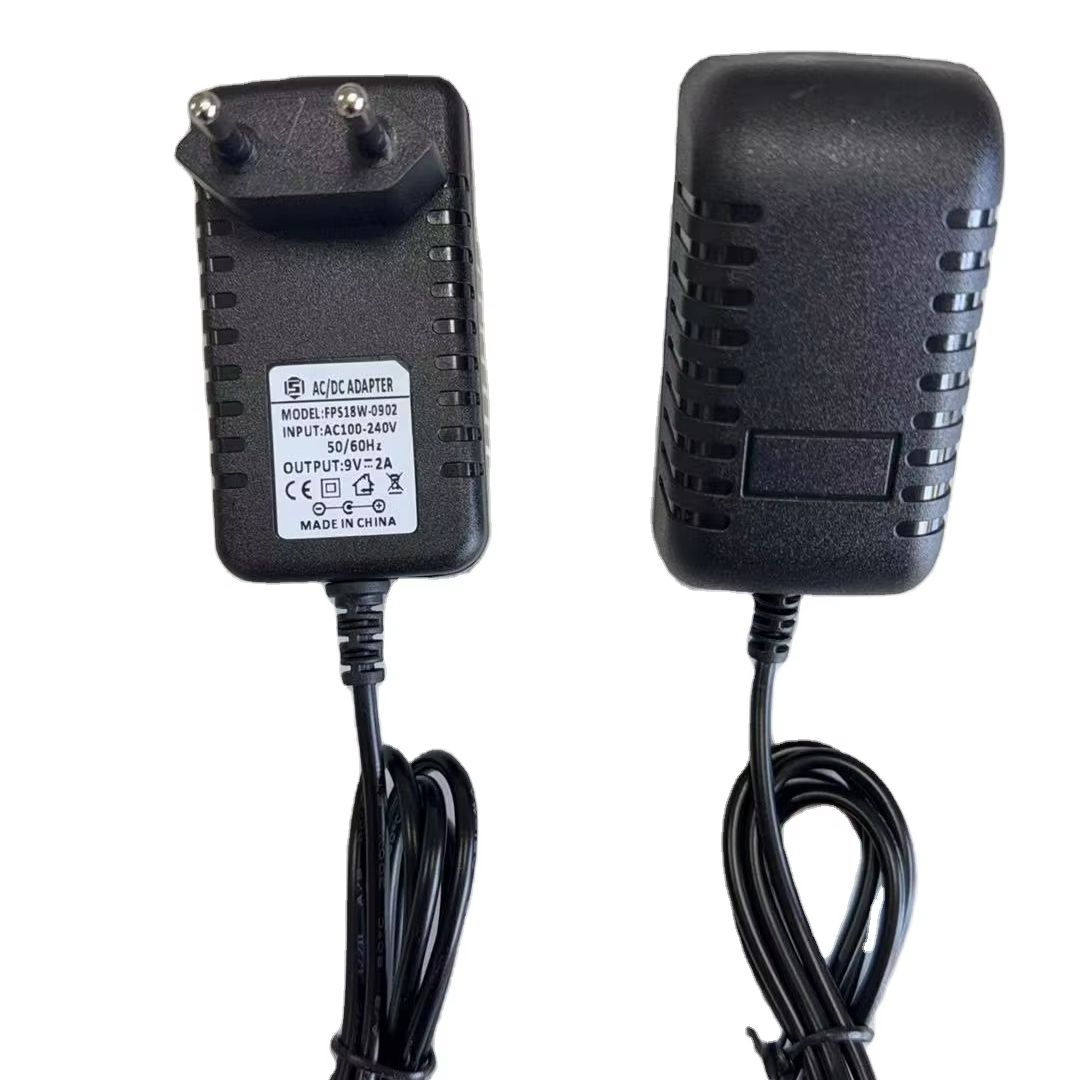
Headquartered in Xi'an, Shaanxi, we leverage in-house magnetic winding and automated SMPS surface-mount lines to maintain strict quality and cost control across every order.
Unlike typical assemblers, we engineer and wind high-frequency flyback transformers and common-mode chokes in-house to achieve optimal thermal balance and minimal switching losses.
Our facility operates under rigorous ISO quality systems with on-site factory verification by Intertek, confirming real production machinery, testing gear, and honest export history.
Every adapter undergoes automated multi-stage evaluation: LCR bridge, impulse inter-turn insulation tests, digital AC leakage checks, and dynamic load-step transient testing.
From ultra-compact wall-mount prongs to custom-molded waterproof DC connectors, ferrite noise filters, and ultrasonic plastic welding, we tailor the hardware to match your chassis.
Evaluating power conversion topologies, thermal dissipation pathways, and modern regulatory constraints for international electronics sourcing.
The power supply industry is rapidly transitioning from legacy Silicon MOSFETs to Gallium Nitride (GaN). GaN devices allow switching frequencies beyond 200 kHz, drastically reducing the physical volume of transformer cores and filter capacitors while driving operational efficiency up to 94%.
For external power supplies exceeding 75 Watts, active Power Factor Correction (PFC) is mandatory under EN 61000-3-2. Advanced interleaved transition-mode PFC reduces harmonic feedback into the utility grid while minimizing input RMS current, preserving circuit longevity.
Under IEC 62368-1, electrical shock hazards are categorized into distinct energy classes. Custom AC adapters utilize triple-insulated secondary windings and strict 6.0mm–8.0mm creepage and clearance distances across the optical isolation boundary to guarantee operator safety.
| Conversion Parameter | Legacy Silicon Linear Supply | Standard Switch-Mode (SMPS) | Next-Gen GaN Fast Switching |
|---|---|---|---|
| Full-Load Efficiency | 55% – 68% | 82% – 89% | 92% – 95% |
| No-Load Standby Dissipation | > 1.5 Watts | < 0.10 Watt (DoE VI) | < 0.03 Watt (CoC Tier 2) |
| Power Density (W/in³) | 1.2 – 2.0 | 4.0 – 7.5 | 15.0 – 25.0 |
| Operating Frequency | 50 Hz / 60 Hz | 65 kHz – 100 kHz | 150 kHz – 500 kHz |
| Thermal Footprint | High (Heavy heatsink required) | Moderate (Convection cooling) | Low (Minimal copper/core loss) |
Share your target envelope dimensions, input voltage ranges, and ripple limits. Our engineering team returns full schematic proposals within 24 hours.
Key industry shifts that procurement teams must integrate into their multi-year supply chain and compliance roadmaps.
With EU mandates standardizing USB Type-C, demand is expanding toward Extended Power Range (EPR) adapters capable of deliverable outputs up to 240W (48V/5A). Sourcing teams are transitioning from static barrel jacks to dynamic USB-PD microcontrollers to serve multiple device lines with a unified power SKU.
Global regulatory frameworks (DoE Level VI in North America and EU CoC Tier 2) now penalize quiescent power drain. Modern OEM adapter architectures integrate smart burst-mode controllers that draw less than 75mW in idle conditions, minimizing vampire power draw across large equipment fleets.
Global tier-one hardware brands increasingly evaluate Scope 3 carbon emissions. Sourcing contracts prioritize manufacturers that supply flame-retardant post-consumer recycled (PCR) polycarbonate cases, halogens-free printed circuit boards, and plastic-free unbleached kraft export packaging.
Key technical and commercial inquiries asked by incoming procurement officers and electrical hardware engineers.
To deliver an accurate initial design, we require: AC input range (universal 90-264V or region-locked), DC output voltage and continuous/peak current, acceptable peak-to-peak ripple/noise (e.g., <100mV), mechanical envelope limits, AC plug style (fixed wall plug, interchangeable, or desktop C6/C8/C14 inlet), target safety certifications (UL, CE, FCC, CCC, PSE), and DC cord length/gauge.
We address EMI directly at the circuit board level through two-stage Pi-filtering networks, tailored primary-to-secondary Y-capacitors, custom copper electrostatic shielding around the transformer core, and, when needed, segmented toroidal ferrite chokes extruded directly onto the output DC cable.
Every single production unit passes 100% automated electrical checks, followed by 2 to 4 hours of dynamic full-load burn-in at elevated ambient temperatures (40°C ± 5°C). We perform dielectric hi-pot testing (typically 3000VAC primary-to-secondary for 60 seconds), grounding resistance verification, and final automated ATE parameter validation.
Working from existing internal tooling with custom winding ratios and cable pinouts, functional engineering prototypes ship within 7–10 days. For completely new plastic injection molds with bespoke chassis geometries, the mold manufacturing, ultrasonic horn alignment, and first-article testing takes approximately 25–35 days.
Yes. We supply comprehensive CB test certificates, electromagnetic compatibility (EMC) test data, and material construction sheets. We routinely coordinate with external test houses (UL, TUV, Intertek) to help customers secure model-specific sub-licenses or end-product certificates quickly and cost-effectively.
We combine synchronous rectification to eliminate secondary diode drop losses with high-grade, thermally conductive silicon potting or high-surface-area aluminum heat spreaders. This layout prevents localized hot spots, extending the operational lifetime of low-ESR electrolytic capacitors.
Discuss your electrical parameters with an on-duty power engineer. Get rapid quote estimates, DFM feedback, and sample verification schedules.