Adjustable Power Supply Single-phase Rail Power Supply Din Rail 60w-1000w
TS-35 DIN-rail mountable, ultra-wide output range, integrated surge suppression & LED status monitoring.
Get a QuoteExport-grade magnetic solutions and regulated DC power configurations built under stringent IATF & ISO-aligned quality management systems.
TS-35 DIN-rail mountable, ultra-wide output range, integrated surge suppression & LED status monitoring.
Get a Quote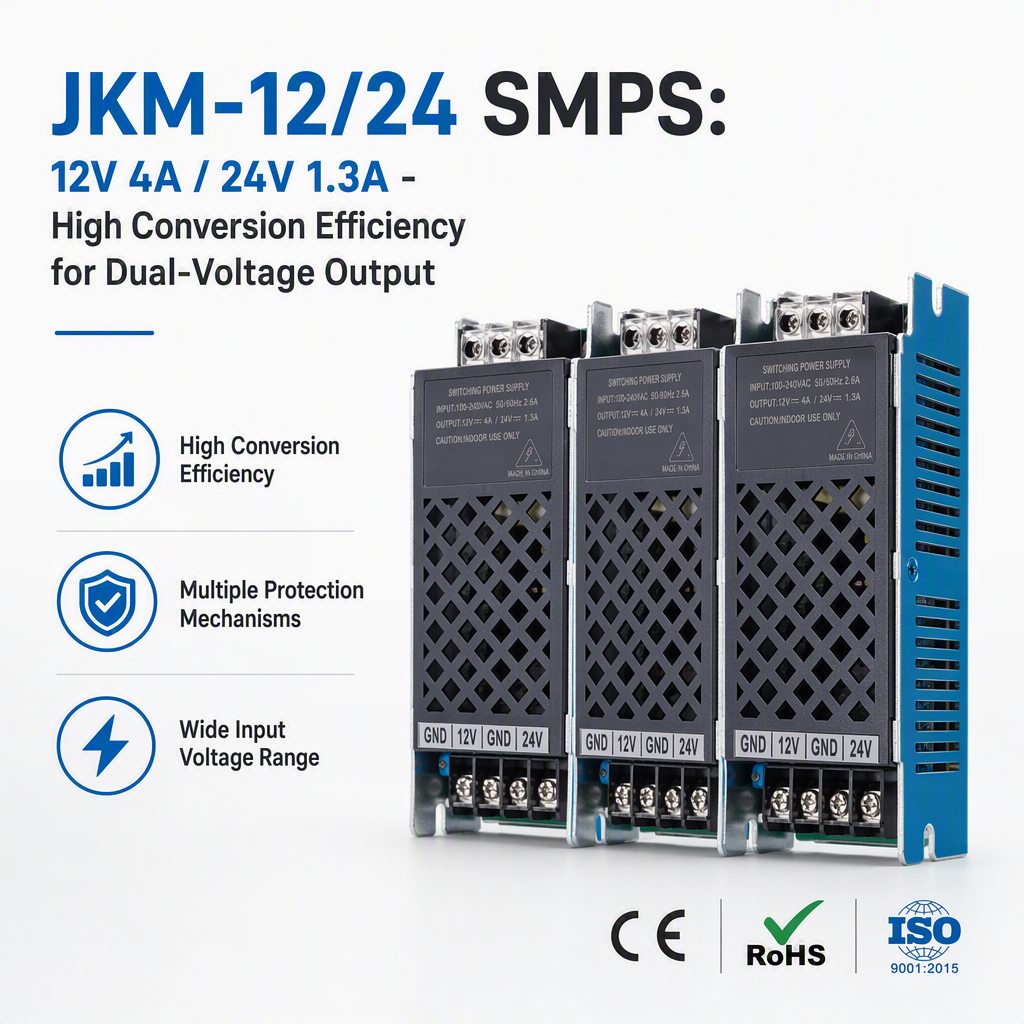
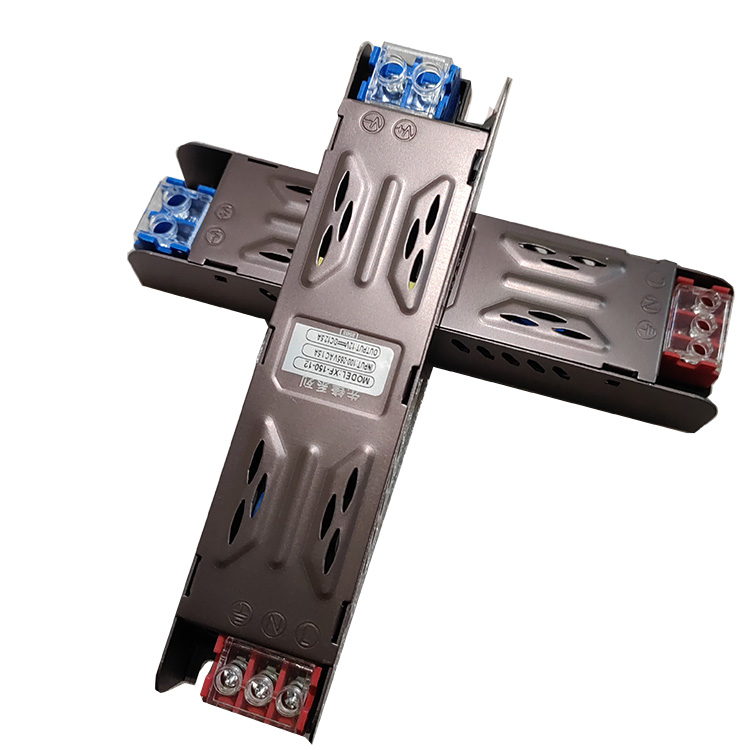
Ultra-slim honeycomb aluminum profile, convection cooling, high-power-density planar magnetic layout.
Get a Quote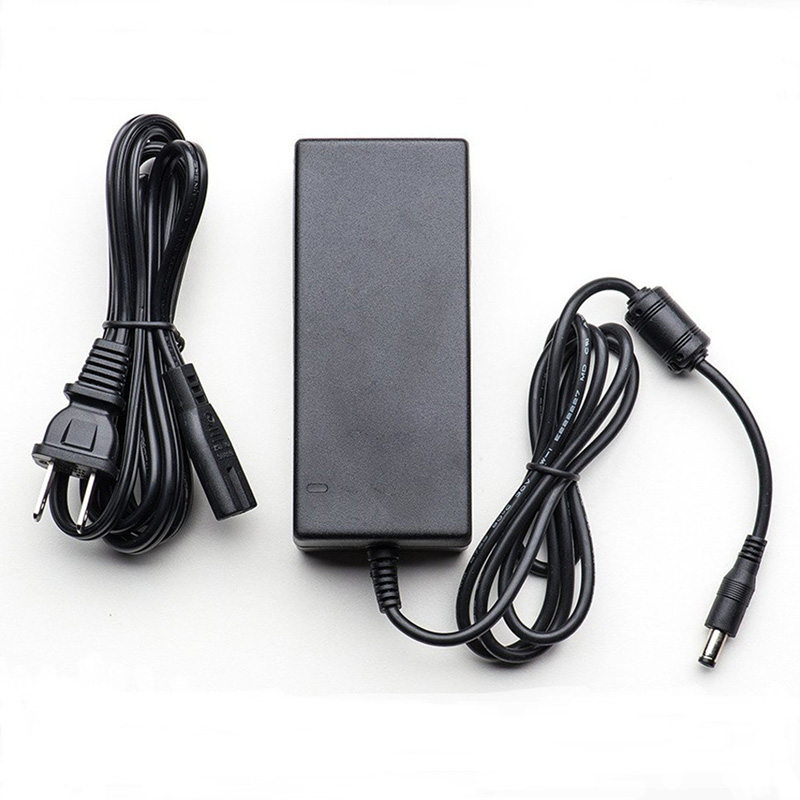
DOE VI efficiency tier, multi-interchangeable barrel plugs, multi-tier OVP/OCP circuit architecture.
Get a Quote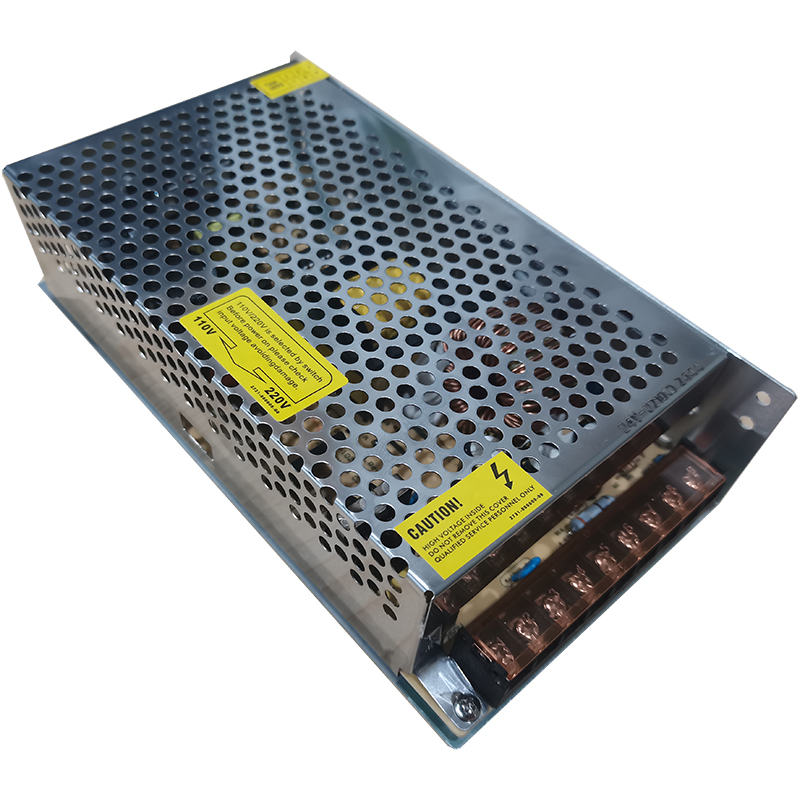
High-voltage isolation chassis, synchronous rectification, heavy-duty electromagnetic industrial design.
Get a Quote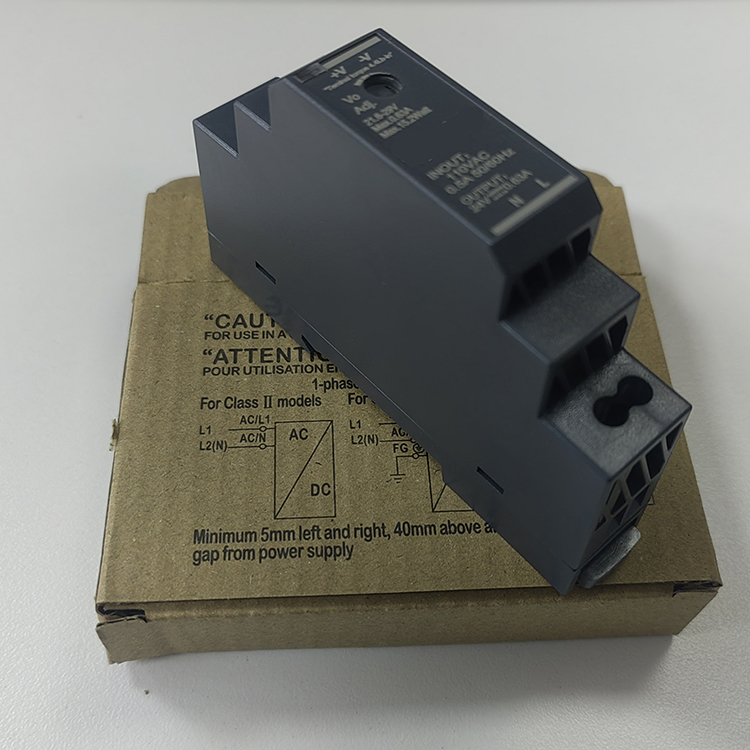
Ultra-compact 1SU (17.5mm) housing, Class II isolation, ultra-low no-load power consumption <0.3W.
Get a Quote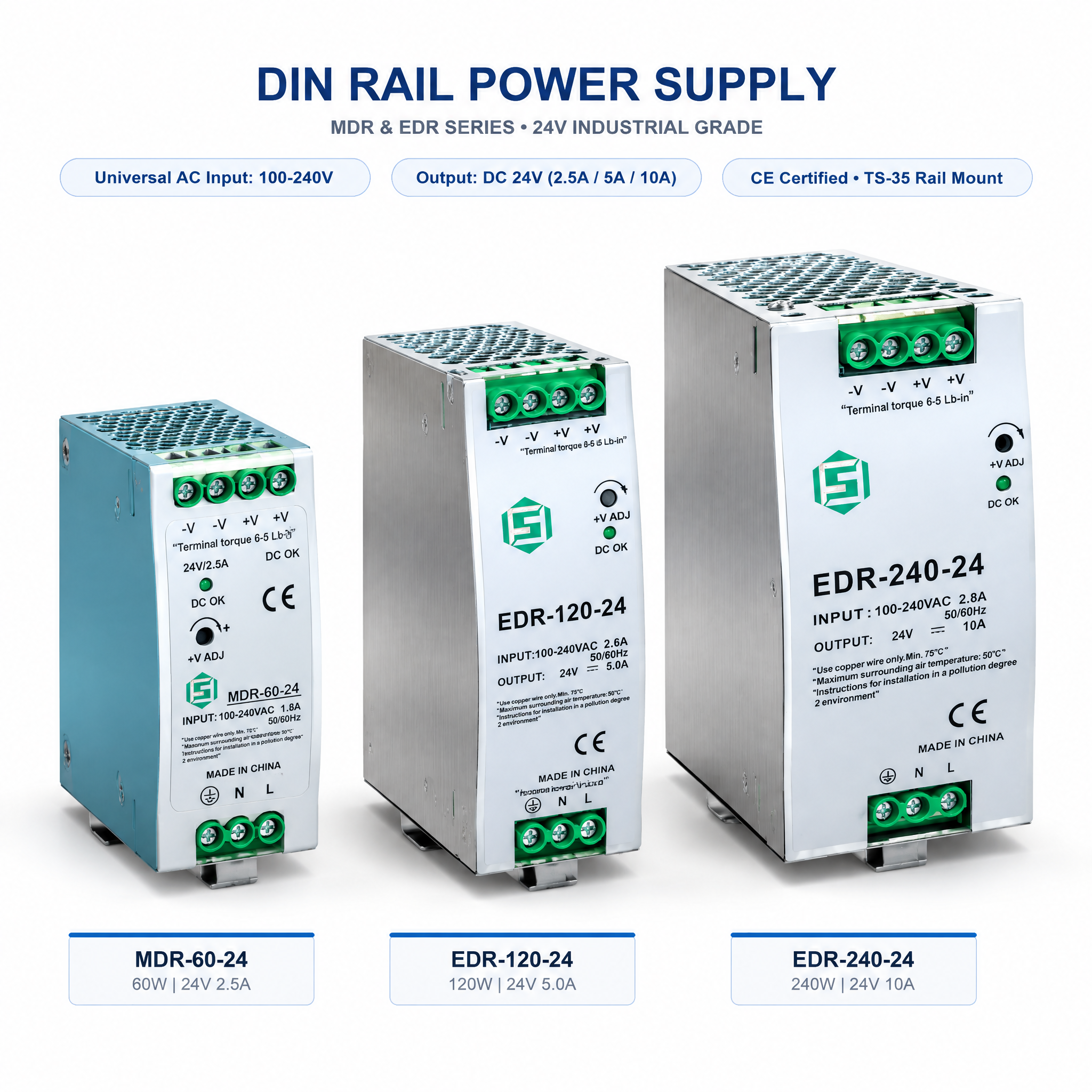
Industrial automation standard, EN55032 Class A compliance, robust short-circuit ride-through capability.
Get a Quote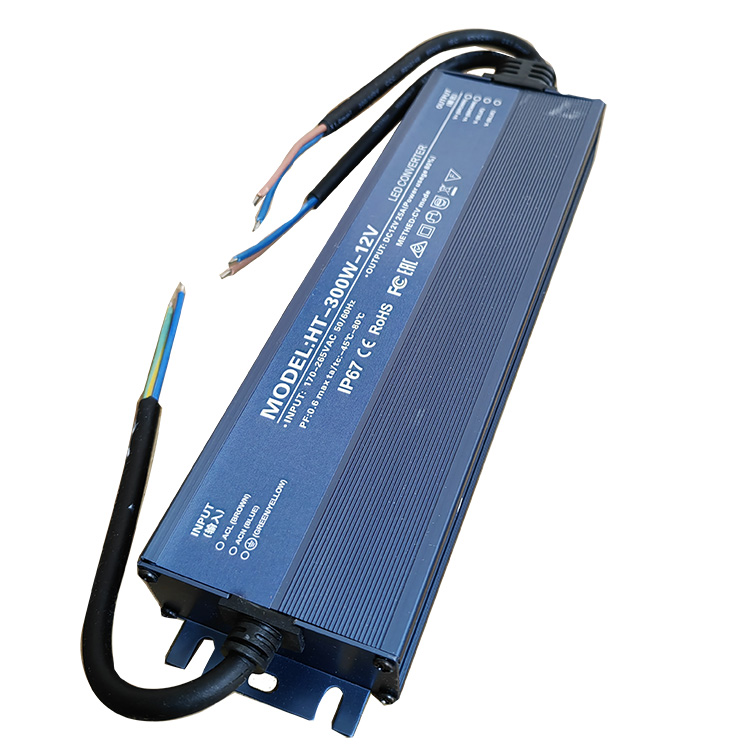
IP67 hermetically sealed silicone encapsulation, lightning surge absorption, harsh outdoor rated.
Get a Quote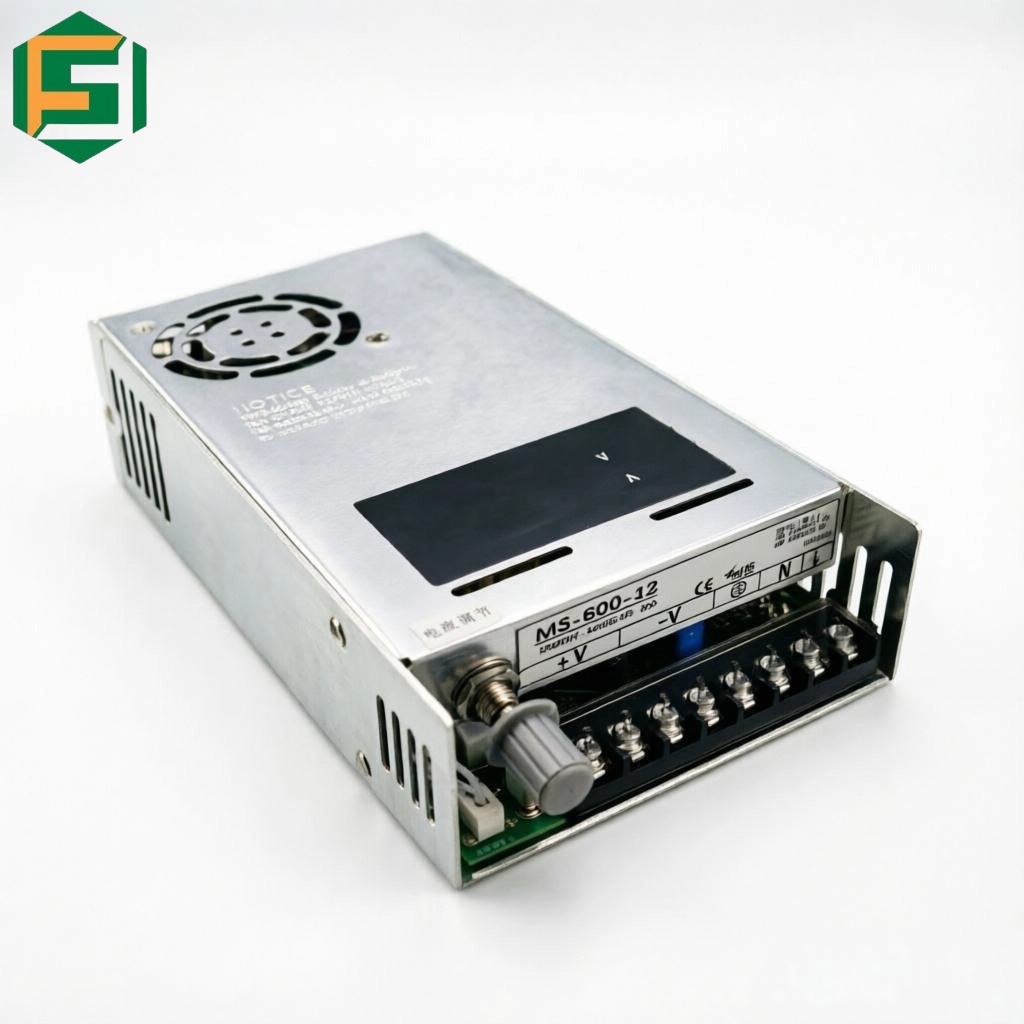
Real-time digital V/A readout, stepless dial calibration, dual-ball cooling fan with intelligent speed control.
Get a QuoteThe global electrical machinery and power distribution landscape is navigating an unprecedented structural shift. Original Equipment Manufacturers (OEMs) and engineering procurement leaders are no longer sourcing transformers and switch-mode power units simply on a standard bill-of-materials (BOM) cost basis. High-frequency electromagnetic components and toroidal architectures must now align with aggressive international decarbonization mandates, the EU Ecodesign Directive (Tier 2 compliance), and stringent high-voltage galvanic isolation benchmarks (IEC 61558-2-16 and IEC 62368-1).
Procuring from tier-one Chinese manufacturing clusters—specifically within Shaanxi, Zhejiang, and Guangdong—has evolved. Modern strategic buyers now audit upstream raw material integrity: grain-oriented electrical steel (CRGO) lamination grading, high-permeability manganese-zinc (Mn-Zn) ferrite core tolerances, and class-H (180°C) triple-insulated copper winding wire (TIW). As automation lines scale globally, mitigating thermal runaways and inductive parasitic leakage in variable-load operating conditions dictates engineering survivability.
Top-tier global contractors are moving past trading intermediaries to integrate verified custom manufacturers. Direct engineering engagement removes margin stacking, ensures raw material traceability back to copper melt records, and shortens customized sample prototyping lead-times from quarters down to weeks.
Standard E-core lamination is increasingly replaced by ultra-low radiation toroidal configurations and planar multilayer bobbins. Industrial systems demand a dramatic reduction in stray magnetic hum, sub-0.5W standby parasitic loss, and thermal profiles that resist enclosure degradation.
International border regulatory seizures highlight substandard creepage and clearance distances. Modern enterprise buyers enforce 3750VAC to 4000VAC primary-to-secondary Hi-pot dielectric validation, 100% automated impulse winding surge verification, and documented burn-in logs prior to shipment release.
How next-generation power electronics topologies are revolutionizing transformer winding, core geometry, and overall power density ratios.
The transition from silicon MOSFETs to Gallium Nitride (GaN) and Silicon Carbide (SiC) semiconductors drives switching frequencies from 65kHz past 500kHz. This demands ultra-low leakage inductance in flyback and LLC resonant transformers, using specialized Litz wire to counteract severe skin and proximity losses.
Industrial edge computing, EV charging outposts, and exterior LED drivers are exposed to extreme diurnal thermal cycling. Advanced vacuum-pressure resin impregnation (VPI) and thermally conductive polyurethane potting guarantee void-free moisture resistance, IP67/68 sealing, and structural shock absorption.
Conventional fixed-output SMPS units are rapidly ceding market share to micro-controller-steered architectures. Industrial facilities require automated programmable feedback, real-time V/A digital status monitoring, and active dynamic load-sharing protocols for mission-critical redundancy in control cabinets.
An Intertek-verified production facility engineered for demanding B2B original equipment manufacturers worldwide.
Equipped with multi-axis CNC automated winding arrays, circular toroidal coil machines, and automated tape-wrapping workstations to maintain micrometer-level winding tension consistency.
Operating facilities, operational capacities, export legitimacy, and process quality gates in Xi'an are verified through independent, third-party on-site audits conducted by Intertek inspectors.
Every batch undergoes rigorous quality checks: digital precision LCR bridges, micro-ohm DC low resistance analyzers, high-voltage impulse surge equipment, and full-load thermal burn-in racks.
We translate raw circuit schematics, enclosure constraints, target thermal limits, and target safety compliance profiles into functional, mass-manufacturable magnetic parts.
Key electrical, safety, and supply chain considerations for transformer sourcing teams.
Our engineering team requires input voltage operating range and frequency, continuous and peak secondary output voltages, rated current per tap, operating frequency (50/60Hz line vs. high-frequency PWM switching), enclosure dimension limits, insulation class (e.g., Class B, F, or H), and target safety certifications (IEC/EN 61558, UL 508, or IEC 62368-1).
Toroidal transformers utilize a continuous strip of grain-oriented silicon steel without mechanical air gaps. This delivers up to a 50% reduction in weight and footprint, minimal magnetic leakage (low stray flux), negligible mechanical audible hum, and near-zero idle excitation losses—making them ideal for audio amplifiers, medical electronics, and compact elevator control interfaces.
Every winding layer is separated by dielectric insulation tapes matched to thermal ratings. We deploy automated impulse winding testers that expose windings to transient peak voltage waveforms. This identifies microscopic enamel pinholes or partial-discharge phenomena before units advance to vacuum varnishing or potting.
Every export pallet is backed by batch testing inspection reports (COA). Standard verification covers Primary-to-Secondary Hi-Pot Dielectric Withstand testing (typically 3.0kV–3.75kVAC for 60 seconds), DC winding resistance profiling, total leakage inductance measurements, and full-load burn-in temperature rise validation under rated environmental ceilings.