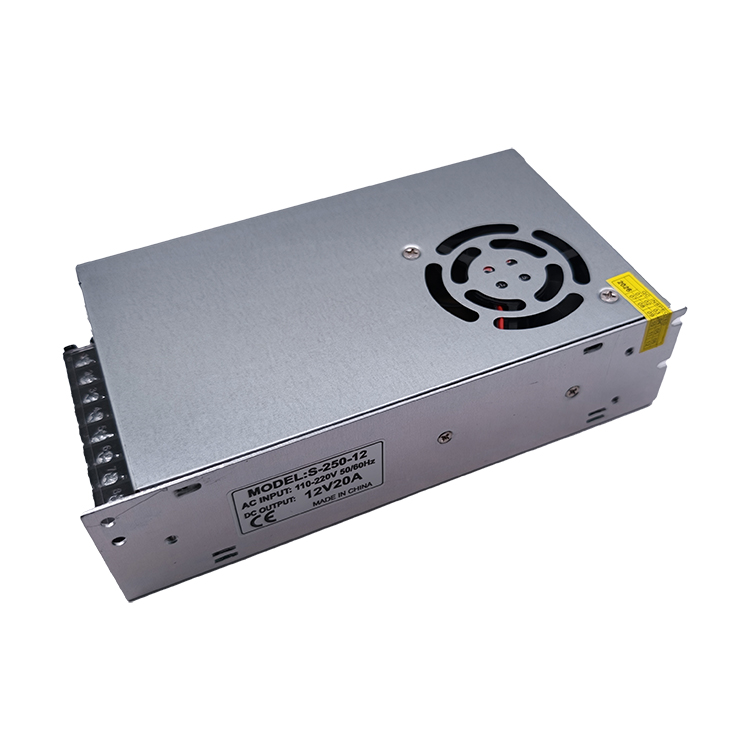
Direct OEM / ODM Product Showcase
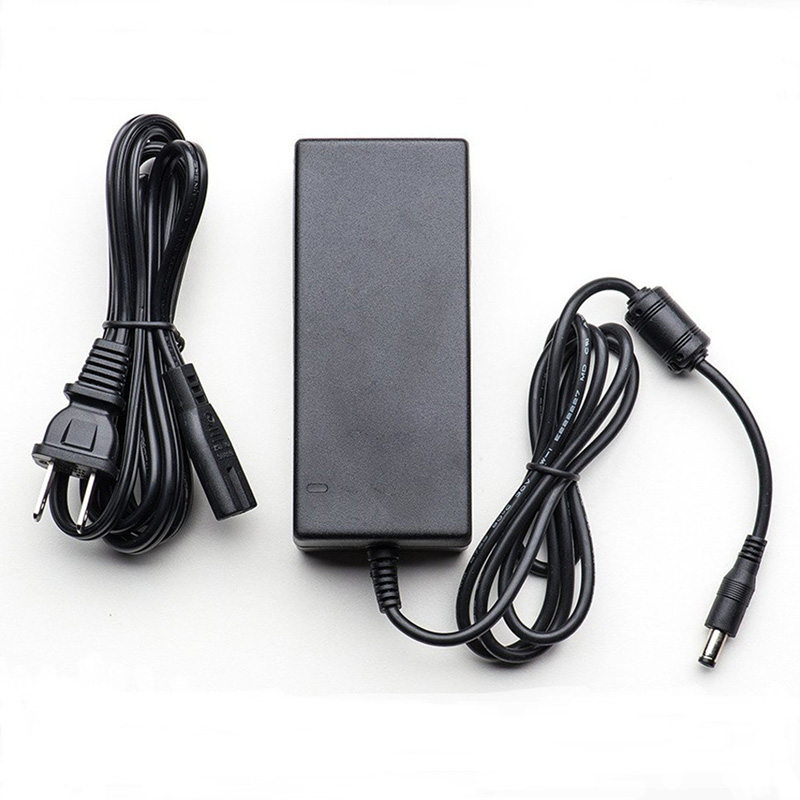
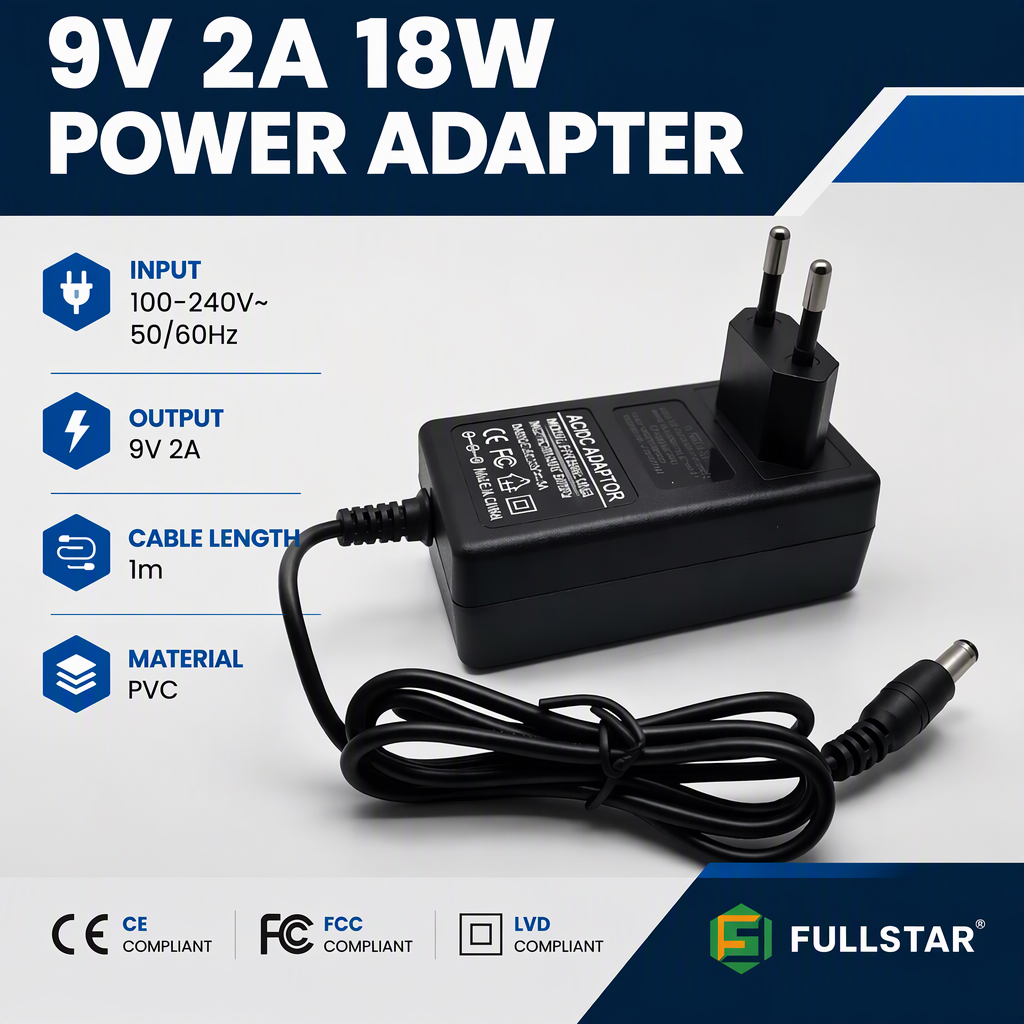
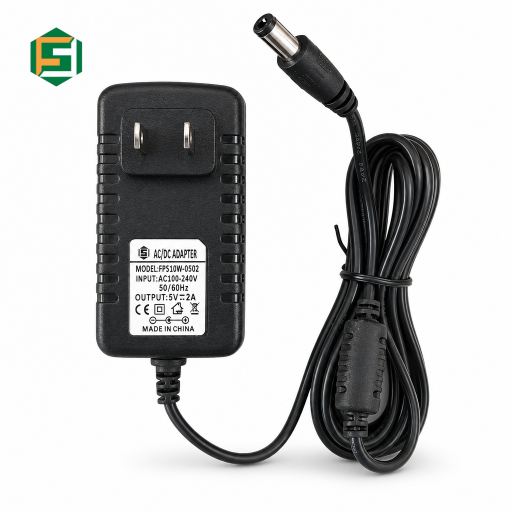
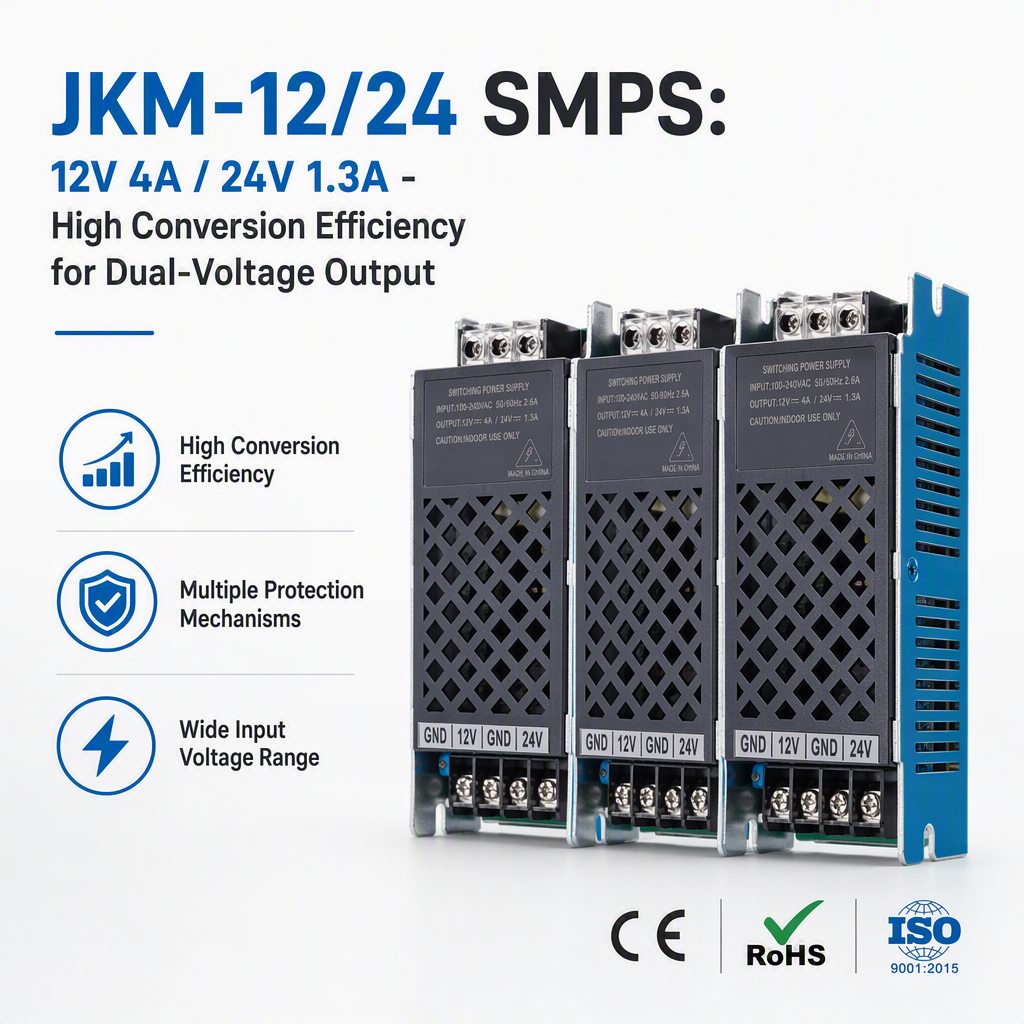
Featured Industrial Power Supplies & Transformers
Precision-manufactured under rigid ISO9001 and verified testing protocols. Explore standard catalogue units and custom application-ready topologies.
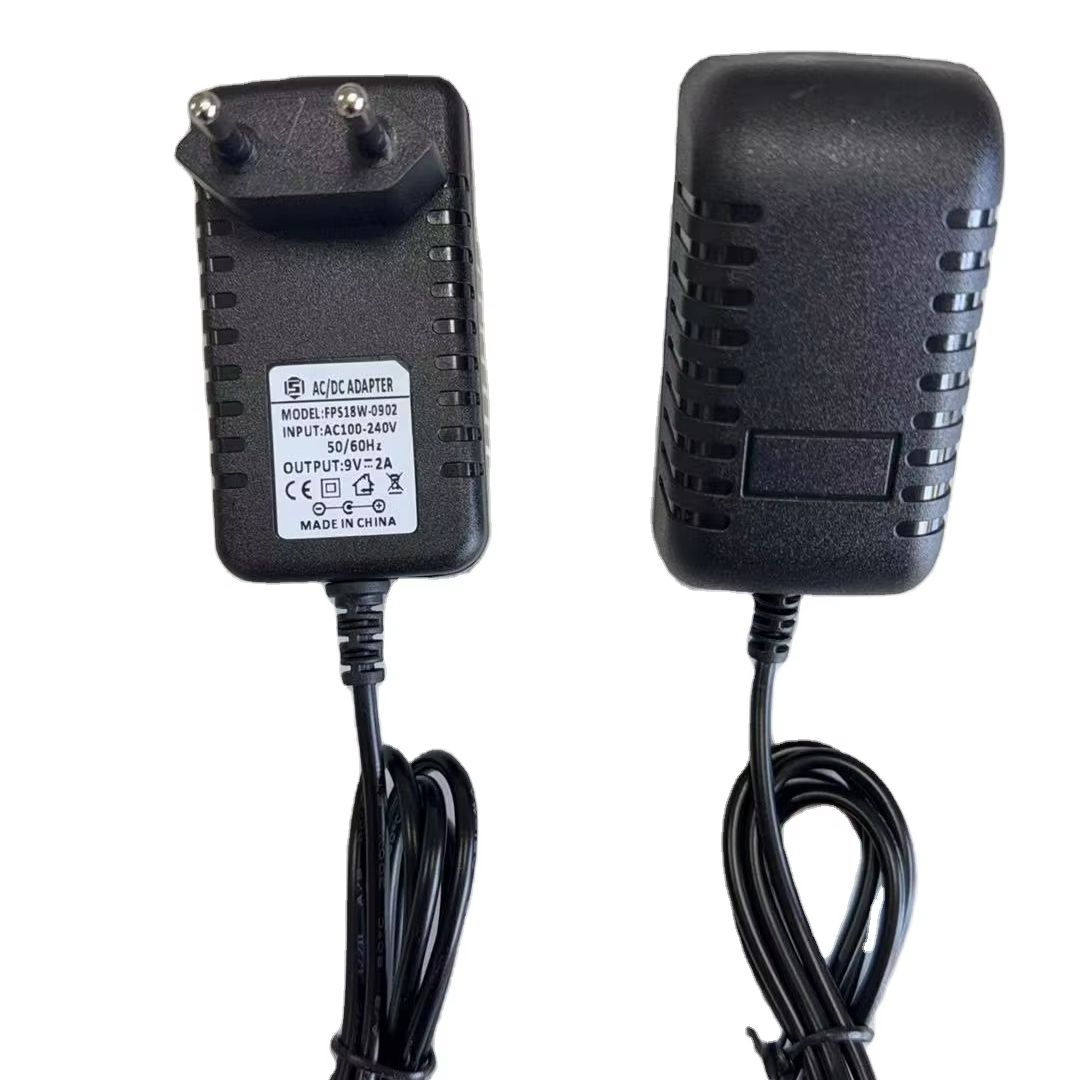
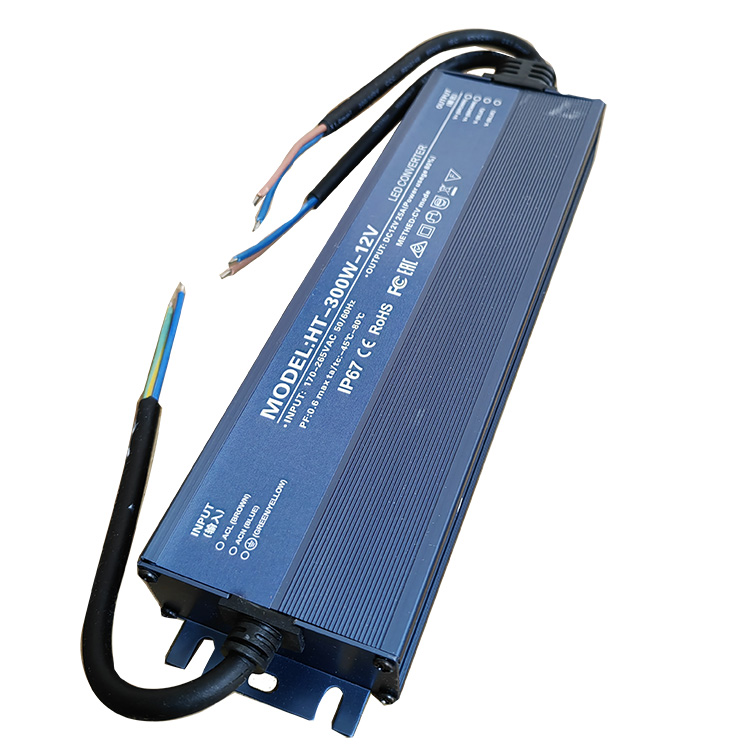
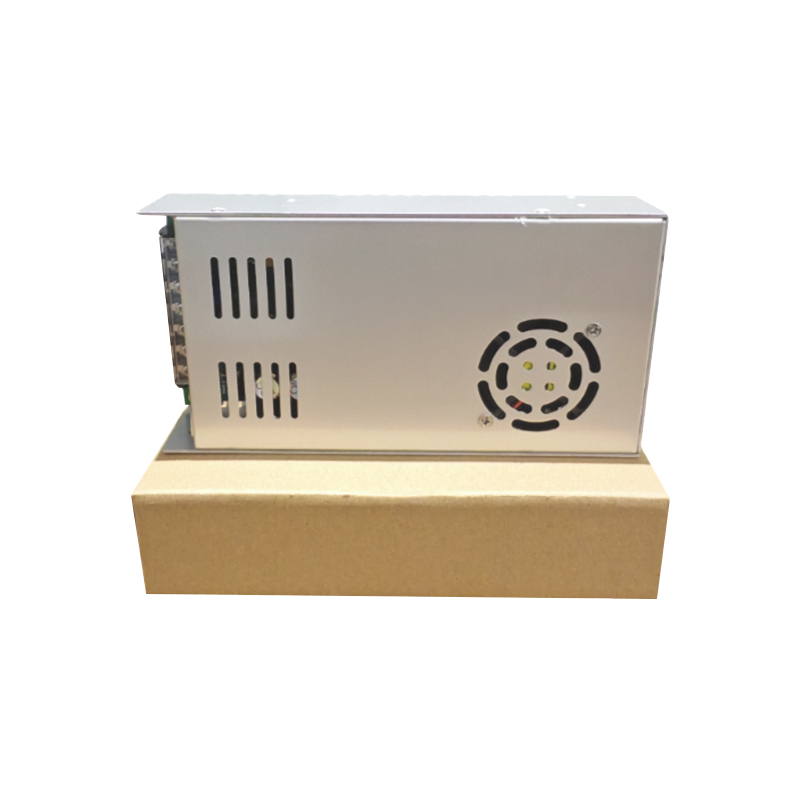
Need Custom Electrical Specifications or Magnetics Engineering?
From custom primary/secondary turns, multiple output windings, electrostatic copper shielding, to complete vacuum epoxy encapsulation—our engineering team delivers fast DFM prototypes in 3-5 business days.
Engineering Whitepaper • Technical Authority
Physics, Topology & Performance Metrics of Toroidal Power Transformers
In modern industrial electronics, audio amplification, medical diagnostics, and renewable power inversion, electromagnetic components directly dictate total system efficiency, acoustic signature, and electromagnetic compatibility (EMC). Among conventional magnetic architectures, the Toroidal Power Transformer represents an ideal magnetic geometry. By winding primary and secondary copper coils uniformly over a continuous, jointless ring of cold-rolled grain-oriented silicon steel (CRGO), magnetic designers eliminate the air gaps intrinsic to laminated EI, UI, or C-core configurations.
The absence of air gaps in toroidal geometries yields profound physical advantages: the magnetic flux lines follow the direction of grain orientation throughout the entire magnetic path. As a result, the effective magnetic permeability (μeff) remains exceptionally high, yielding excitation current requirements up to 80% lower than comparable EI transformers. For OEM system designers, this translates to minimal idle power loss, exceptional electrical efficiency (routinely exceeding 95% to 98% in power bands from 50VA to 5kVA), and an inherently tight stray magnetic field—typically less than one-tenth that of an equivalent EI laminated transformer.
Comprehensive Comparative Topology Matrix
Choosing the correct transformer architecture requires a multi-vector trade-off analysis balancing thermal rise, mechanical envelope, acoustic vibration, stray flux interference, and total landed cost. The following engineering comparison illustrates why top tier manufacturers prefer toroidal topologies for critical applications:
| Performance Metric | Toroidal Core (CRGO) | Standard EI Laminated | R-Core Transformer | High-Frequency Ferrite (PQ/EE) |
|---|---|---|---|---|
| Operating Frequency | 50 Hz – 400 Hz (Mains/Aerospace) | 50 Hz – 60 Hz | 50 Hz – 400 Hz | 20 kHz – 500 kHz+ (SMPS) |
| Magnetic Efficiency | 95% – 98.5% | 80% – 88% | 90% – 93% | 94% – 97% |
| Stray Magnetic Field (EMI) | Extremely Low (<10%) | Very High (Radiates outward) | Low | Moderate (Requires shielding) |
| Mechanical Hum / Acoustic Noise | Near Silent (<30 dB) | Audible Buzz (Lamination chatter) | Silent | Silent (Ultrasonic switching) |
| Weight & Volume for Equal VA | Up to 50% Lighter / Smaller | Standard (Bulky, heavy) | Approx. 35% Smaller | Ultra-Compact (High Frequency) |
| Inrush Current Characteristic | High (Requires NTC / Slow Fuse) | Moderate | Moderate | Controlled by SMPS soft-start |
| Primary Application Segments | High-End Audio, Medical, Inverters | Basic White Goods, HVAC | Precision Audio, Lab Meters | Computing, LED Drivers, Chargers |
Core Material Selection & Magnetic Flux Dynamics
The core serves as the physical backbone of toroidal performance. Top-tier China toroidal transformer manufacturers utilize cold-rolled grain-oriented silicon steel (typically Nippon Steel 23Z110, Baosteel B23R085, or equivalent high-grade alloys featuring a strip thickness between 0.23mm and 0.30mm). These grain-oriented steels exhibit an exceptionally narrow hysteresis loop, drastically cutting core losses (W/kg at 1.5 Tesla / 50Hz). For specialized aerospace and medical isolation systems where ultra-low excitation currents are imperative, manufacturers deploy amorphous ribbons or nanocrystalline cores, which drive eddy-current dissipation near zero.
Proper toroidal transformer winding requires dedicated automatic winding machines that thread copper wire through the central aperture of the toroid. To ensure safety and dielectric insulation, primary and secondary coils are physically isolated through overlapping layers of high-dielectric polyester (Mylar), Nomex, or polyimide film, achieving standard dielectric withstand ratings exceeding 3,750Vrms to 5,000Vrms. Between windings, an electrostatic copper foil shield is commonly integrated to drain high-frequency common-mode noise straight to ground, protecting sensitive downstream audio DSPs or sensitive medical patient-monitoring front ends.
Market Intelligence & Supply Chain Resilience
Future Procurement Trends in Power Magnetics (2025–2030)
Navigating raw material volatilities, international safety standard convergence, and sustainable manufacturing practices for corporate buyers.
Total Cost of Ownership (TCO) Prioritization
Global procurement teams are shifting away from initial unit BOM purchase cost toward lifecycle Total Cost of Ownership. Because high-efficiency toroidal transformers exhibit minimal idle losses (no-load watts), industrial systems running 24/7/365 recoup initial price deltas within months through saved kilowatt-hours and reduced climate-control overhead within enclosure cabinets.
Medical Grade Isolation Demands (IEC 60601-1)
With global healthcare equipment manufacturing rising, demand for medical isolation transformers is accelerating. Buyers require custom double-insulated toroids featuring dual-chamber construction, creepage distances exceeding 8.0mm, and leakage current ratings strictly capped below 100μA (and often under 10μA for direct cardiac float applications).
Harmonized Multi-Standard Compliance
Supply chain simplification mandates a single universal SKU capable of cross-border deployment. Procurement mandates UL 5085-1/-2 recognition (USA/Canada), CE/ENEC approval under EN 61558-2-4 / EN 61558-2-6 (Europe), along with comprehensive RoHS 3 (EU 2015/863) and REACH SVHC material compliance documentation.
Automated CNC Winding & Process Repeatability
Tier-1 buyers are demanding audit verification of CNC programmable circular winding lines. Automation mitigates human error in turn-count distribution, guarantees tight winding tension to eliminate acoustic chatter, and guarantees consistent primary DC resistance (DCR) tolerances within ±3% batch-to-batch.
Renewable & EV Charging Station Adaptation
The push toward clean energy requires robust auxiliary power units inside EV chargers, commercial solar inverters, and battery energy storage systems (BESS). Toroidal control transformers deliver the superior surge immunity (BIL ratings) and thermal resilience required to withstand harsh outdoor microclimates.
Digitalized Quality Traceability & Batch Reports
Modern supplier contracts require barcoded, unit-level inspection records. Buyers expect automated test logs detailing no-load current, excitation loss, inter-turn surge impulse wave patterns, and Hi-Pot dielectric results archived and retrievable via digital portals for complete audit trails.
Technology Roadmaps • R&D Horizons
Key Technological Developments in Toroidal Magnetics
How Chinese manufacturing innovations are solving fundamental physical trade-offs in magnetic component design.
While the fundamental electromagnetic laws formulated by Faraday and Maxwell remain constant, the manufacturing engineering, metallurgy, and potting chemistries governing toroidal transformers have evolved dramatically over the past five years. Today, top Chinese factories are pioneering several cutting-edge innovations:
1. Mitigation of High Inrush Current (Soft-Start Friendly Designs)
The chief historical limitation of toroidal transformers has been their pronounced inrush current (which can reach 20x to 40x nominal operating current during half-cycle mains switch-on). Because the core lacks an air gap, the residual magnetic flux (Φr) remains very high. If mains voltage is connected at the zero-crossing, the core is driven deeply into magnetic saturation. Leading manufacturers now offer stepped primary winding geometries, custom low-remanence annealed steel grades, or integrated NTC thermistor assemblies that suppress peak inrush without sacrificing operating efficiency.
2. Advanced Vacuum Pressure Impregnation (VPI) & Epoxy Potting
To eliminate micro-vibrations between silicon steel laminations and individual copper wire turns, modern manufacturing utilizes automated vacuum pressure impregnation (VPI) with Class H (180°C) or Class N (200°C) solventless polyester varnishes. For extreme environments—such as marine, mining, elevator braking systems, or outdoor high-end audio installations—units are potted into flame-retardant UL94-V0 polyamide or aluminum canisters with thermally conductive epoxy resin, achieving total environmental sealing and IP68 waterproof ratings.
3. Hybrid Magnetics: Toroidal-SMPS Symbiosis
Rather than treating line-frequency toroidal transformers and high-frequency switching power supplies (SMPS) as mutually exclusive, modern power systems increasingly combine them into hybrid topologies. Toroidal line transformers provide ultra-rugged mains isolation and transient spike absorption, while downstream high-frequency buck converters or synchronous rectifiers provide tight, agile DC rail control with minimal ripple (<5mV).
Verified Factory Strengths • Shaanxi Zelqo Power Co., Ltd.
Direct OEM/ODM Capabilities Verified by Intertek
Located in Xi'an, Shaanxi, China, our manufacturing infrastructure bridges deep electromagnetic R&D with stringent multi-stage quality assurance.
4.8/5
Verified Customer Rating
Consistently scored across product fidelity, timely shipping, and engineering communication.
25+
Testing & QC Stations
From incoming copper wire testing to finished good 100% full-load burn-in aging racks.
100%
Dielectric Hi-Pot Tested
Every single manufactured transformer undergoes high-potential surge and leakage screening.
5+
Global Core Product Lines
Toroidal transformers, EI low-frequency, high-frequency ferrite, industrial SMPS, and AC/DC adapters.
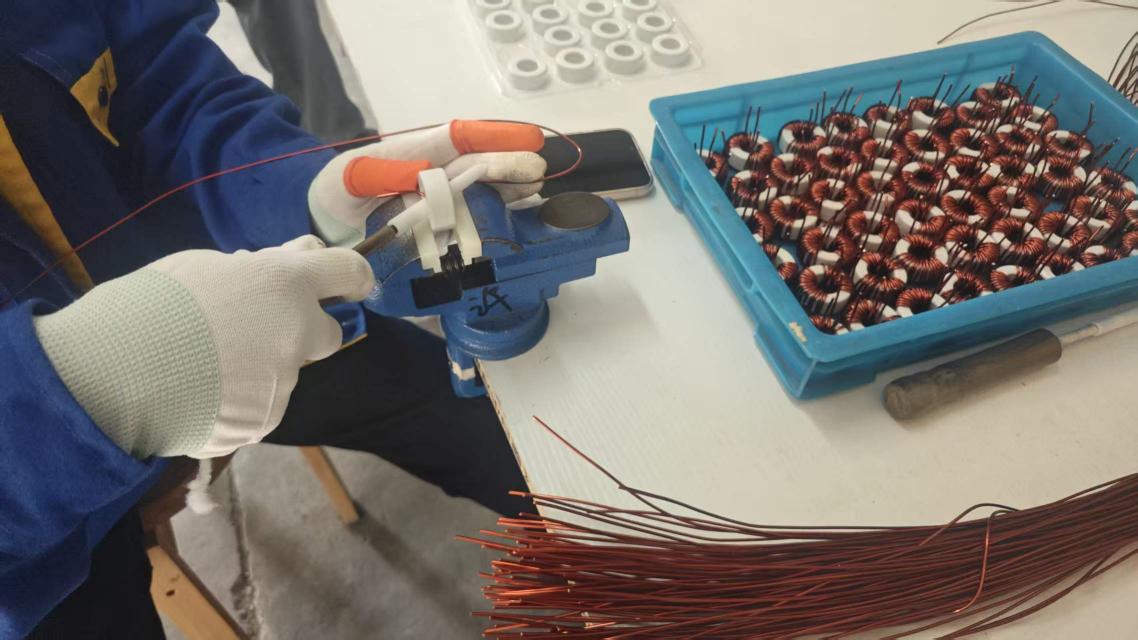
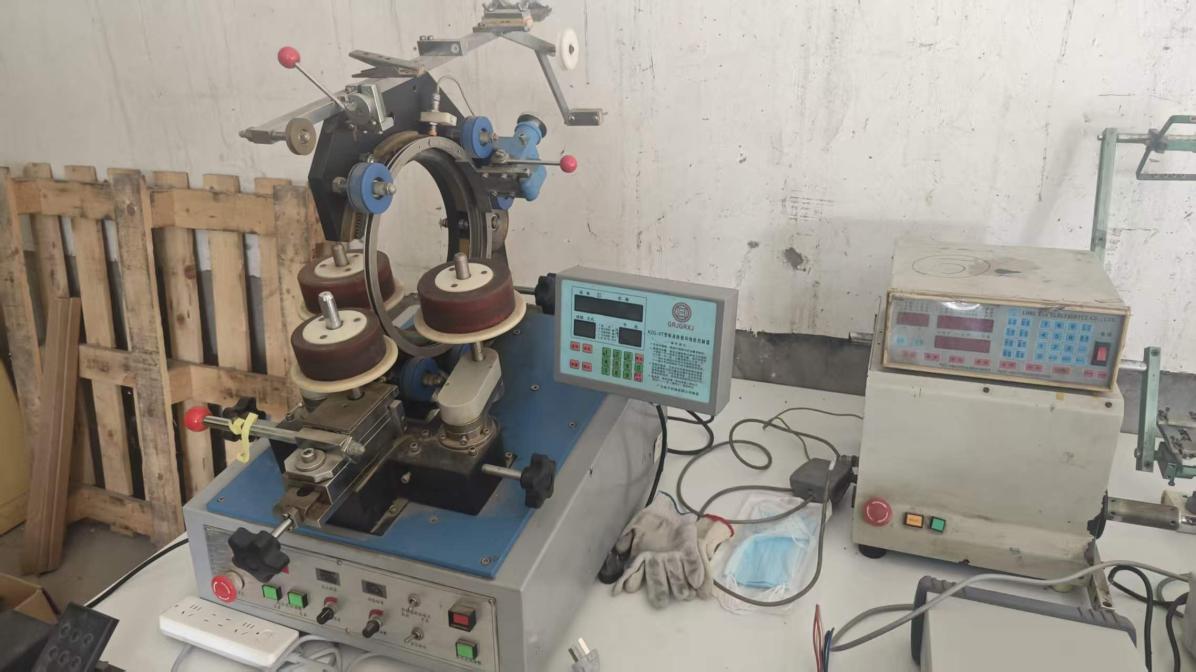
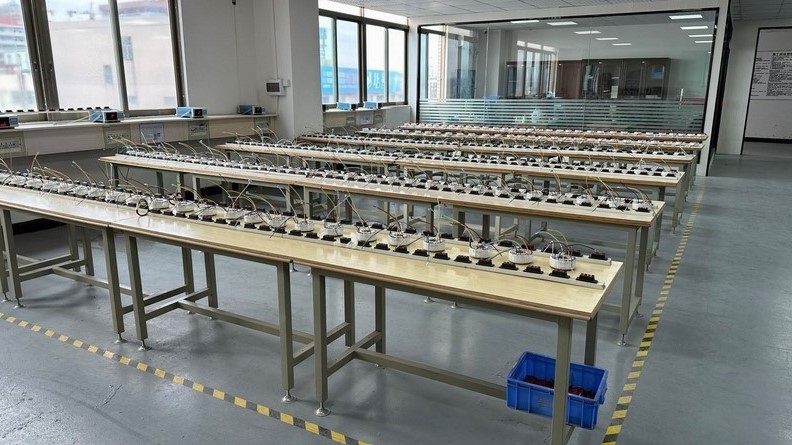
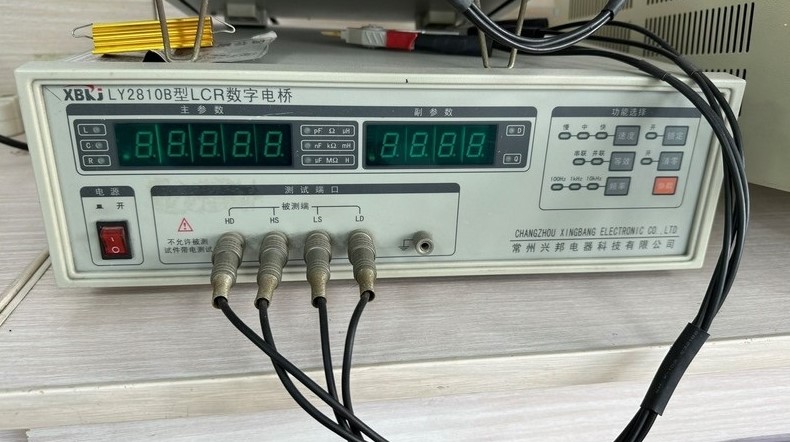
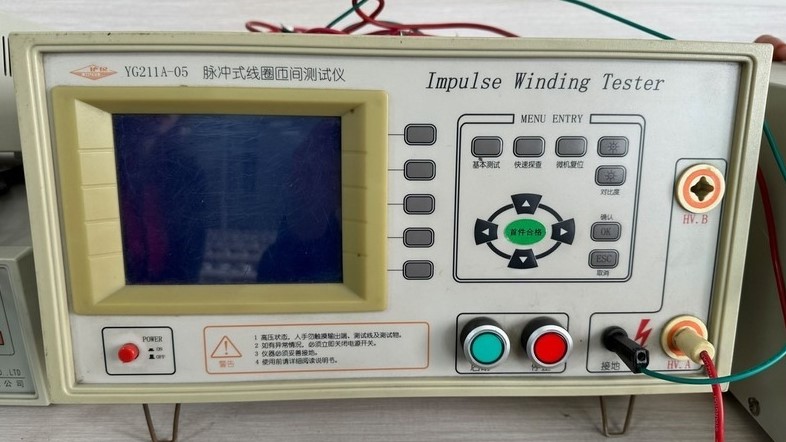
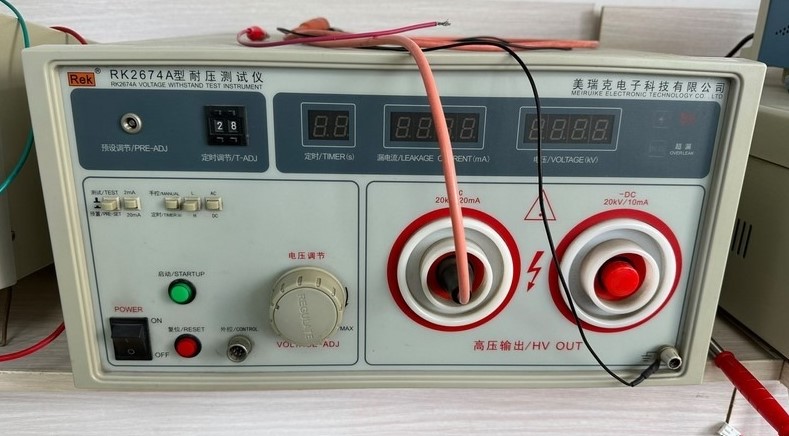
On-site operations, trade integrity, and engineering qualifications rigorously verified by Intertek. Comprehensive quality documentation, test reports, and factory inspection certificates are available upon request.
Contact Us
Procurement Knowledge Base
Frequently Asked Questions by B2B Buyers
In-depth answers covering engineering parameters, OEM/ODM lead times, compliance certifications, and testing methodologies.
What core parameters are strictly required to quote and design a custom toroidal transformer?
To provide an accurate engineering proposal and competitive quotation, our R&D team requires:
- Input Electrical Parameters: Primary nominal voltage, input voltage tolerance range (e.g., 230V ±10%), and mains frequency (50Hz, 60Hz, or 400Hz).
- Output Loading Profile: Secondary voltage(s) under full nominal load, rated current per winding, no-load voltage tolerance (voltage regulation percentage), and duty cycle.
- Physical Envelope & Mechanical Footprint: Maximum outer diameter (OD), maximum height (HT), mounting scheme (central metal disk with neoprene pads, center potted with threaded brass insert, or PCB mounting pins).
- Thermal & Safety Requirements: Insulation thermal class (Class B 130°C, Class F 155°C, Class H 180°C), maximum permissible temperature rise (ΔT), dielectric breakdown voltage (e.g. 4000Vrms primary-to-secondary), and target safety certifications (UL 5085, IEC 61558, IEC 60601-1).
- Shielding & Termination: Electrostatic copper foil shield requirements, magnetic G.O. outer wrap, lead wire gauge (UL1015/UL1007), lead length, and specific connector housings.
Why do toroidal power transformers outperform traditional EI laminated transformers in audio and medical designs?
Toroidal transformers outperform EI laminated transformers across three fundamental electrical and physical axes:
- Ultra-Low Radiated Magnetic Stray Field: In an EI transformer, the magnetic circuit must cross stamped air gaps between the "E" and "I" laminations, causing flux leakage that induces 50/60Hz electromagnetic hum into nearby circuit traces and sensitive audio preamps. Toroids have a seamless, continuous core with uniform windings, containing virtually all magnetic flux within the steel ring.
- Acoustic Inaudibility: EI laminations are stamped sheets that can vibrate mechanically against one another under magnetostriction, generating audible buzzing. Continuous tape-wound toroidal cores, properly vacuum impregnated, exhibit near-zero acoustic hum (<30dB).
- Volumetric and Thermal Efficiency: Toroids achieve equal power ratings at up to 50% less weight and volume. The uniform circumferential winding maximizes surface area-to-volume ratio, facilitating excellent convective heat dissipation without requiring bulky chassis heatsinking.
How do you manage and mitigate the high inrush current typical of toroidal transformers?
Because a toroidal core operates with negligible air gaps, its remnant magnetization is high. When connected at unfavorable AC voltage phase angles, saturation occurs, drawing high momentary magnetizing inrush current. We resolve this for clients via three proven methodologies:
- Magnetic Core Derating: Designing the core to operate at a lower working flux density (e.g., 1.2 to 1.4 Tesla instead of pushing 1.7 Tesla), leaving substantial magnetic headroom before reaching the saturation knee.
- Circuit Level Protection Recommendations: Advising the integration of Time-Lag (Slow-Blow) Class T or Class CC fuses, or recommending inrush current limiting NTC thermistors on the primary rail with a timed relay bypass.
- Soft-Start Primary Topologies: Building custom tapped dual-primary windings allowing stepped soft-start power sequencing for high-capacity units (≥1000VA).
What routine and type quality tests are performed on every production batch prior to export?
Every manufactured unit at Shaanxi Zelqo Power passes a documented quality control regimen:
- LCR Bridge Verification: Verification of primary and secondary open-circuit inductance, leakage inductance (Lk), and inter-winding capacitance.
- DC Resistance (DCR): Milliohm-meter verification of copper winding resistance to ensure correct wire gauge and tension consistency.
- Impulse Winding Test: High-voltage transient surge waveforms are injected to detect micro-breakdowns between adjacent magnet wire turns.
- Dielectric Withstand (Hi-Pot): 100% dielectric strength testing at 3,750V – 5,000V AC between primary and secondary, and primary to core/ground for 60 seconds with leakage current cutoff thresholds strictly set to ≤2mA.
- No-Load & Full-Load Operating Verification: Utilizing digital power analyzers and AC power sources to measure true active power loss (Watts), no-load excitation current (mA), and secondary voltage regulation under rated load resistors.
What are your standard prototype lead times and mass production turnaround schedules?
For custom engineering projects:
- DFM & Engineering Review: Completed within 24 to 48 hours following receipt of your electrical specification sheet.
- Custom Prototype Fabrication: Rapid tooling and sample coil winding take approximately 3 to 7 business days depending on core size and wire inventory.
- Mass Production Lead Time: Pilot batches (100 – 500 pcs) ship within 2 to 3 weeks. Full container orders (FCL/LCL) are completed in 3 to 4 weeks. Repeat orders benefit from scheduled buffer stocking agreements for core sizes and copper magnet wire.
Can you provide full private labeling, custom connector harnesses, and tailored export packaging?
Yes. We offer complete turnkey OEM/ODM customization. This includes custom laser marking or silk-screened polyester labeling featuring your corporate logo, custom part number, wiring schematic, and UL/CE markings. For wiring, we crimp authentic TE Connectivity, Molex, JST, or Phoenix Contact terminal blocks with custom UL-rated lead lengths and heat-shrink sleeving. Packaging is engineered for international logistics: heavy-duty double-wall corrugated cartons, interior custom-molded EPE foam cradles, and palletized shrink-wrap with edge corner protectors to eliminate transit impact damage.
Accelerate Your Power Transformer Engineering Today
Direct communication with certified magnetics design engineers in Xi'an, China. Fast feasibility analysis, custom sample winding, and transparent factory-direct pricing for international OEM buyers.