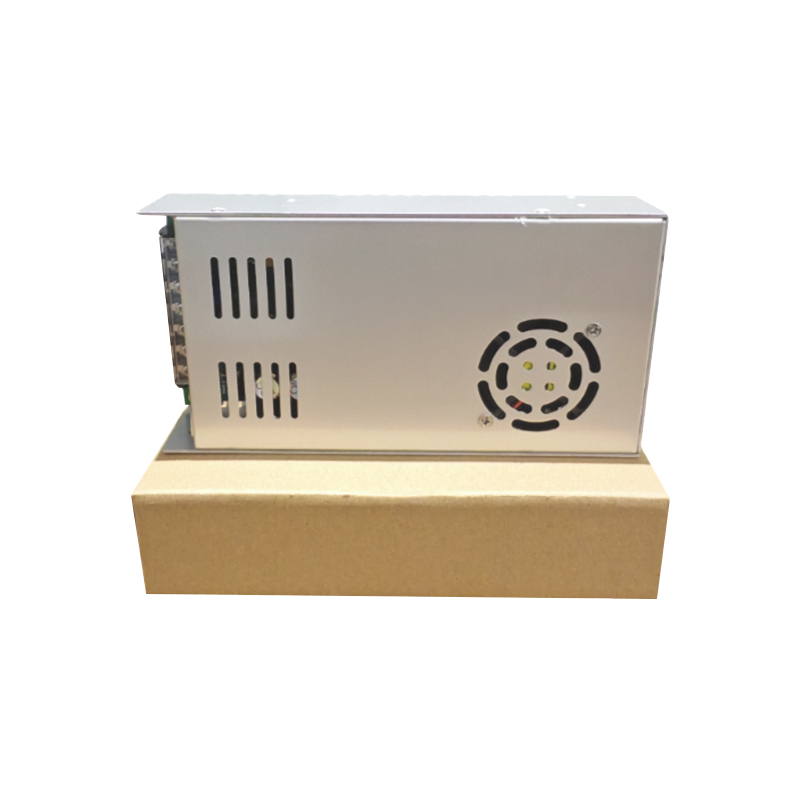
Enclosed High-Power Switching Power Supply 5W–1500W
Broad modular capacity spanning 1A through 10A current ratings. Excellent aluminum heat-dissipation chassis designed for CNC motion axes and driver cards.
Inquire NowComprehensive portfolio from enclosed high-power variable switchers to heavy-duty DIN-rail supplies tested for severe EMF noise immunity and continuous manufacturing cycles.
Broad modular capacity spanning 1A through 10A current ratings. Excellent aluminum heat-dissipation chassis designed for CNC motion axes and driver cards.
Inquire Now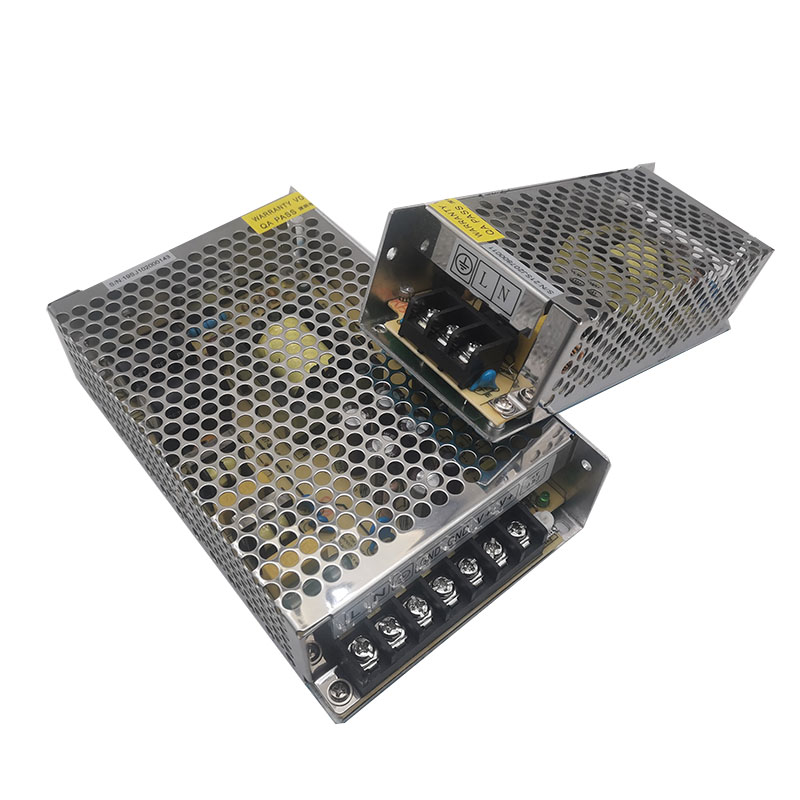
Optimized for high peak inrush currents with active cooling ventilation. Ultra-low voltage ripple delivering seamless power to stepper drives and microcontrollers.
Inquire Now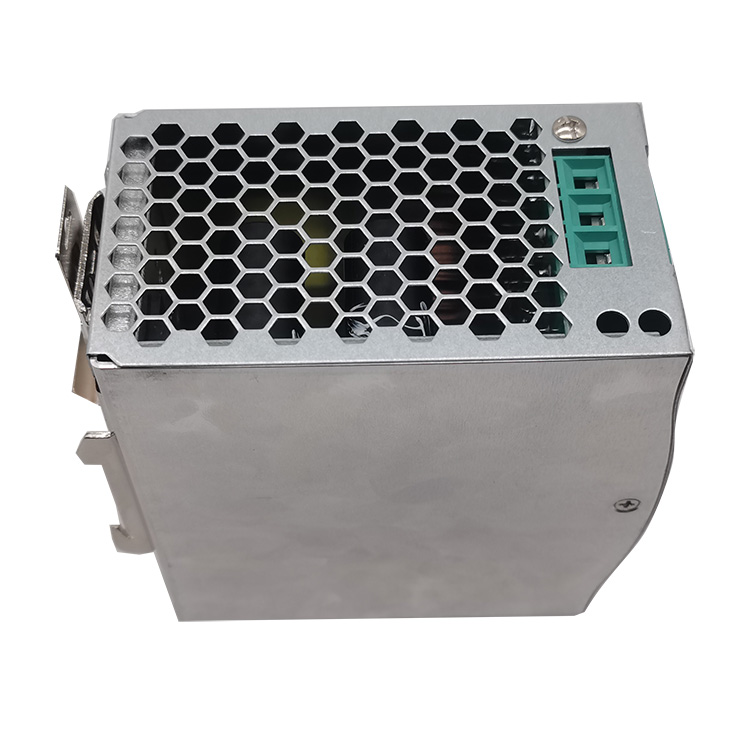
TS-35 rail mounting form-factor conforming to cabinet layout standards. Integrated over-voltage, short-circuit, and high-temperature shutoff mechanisms.
Inquire Now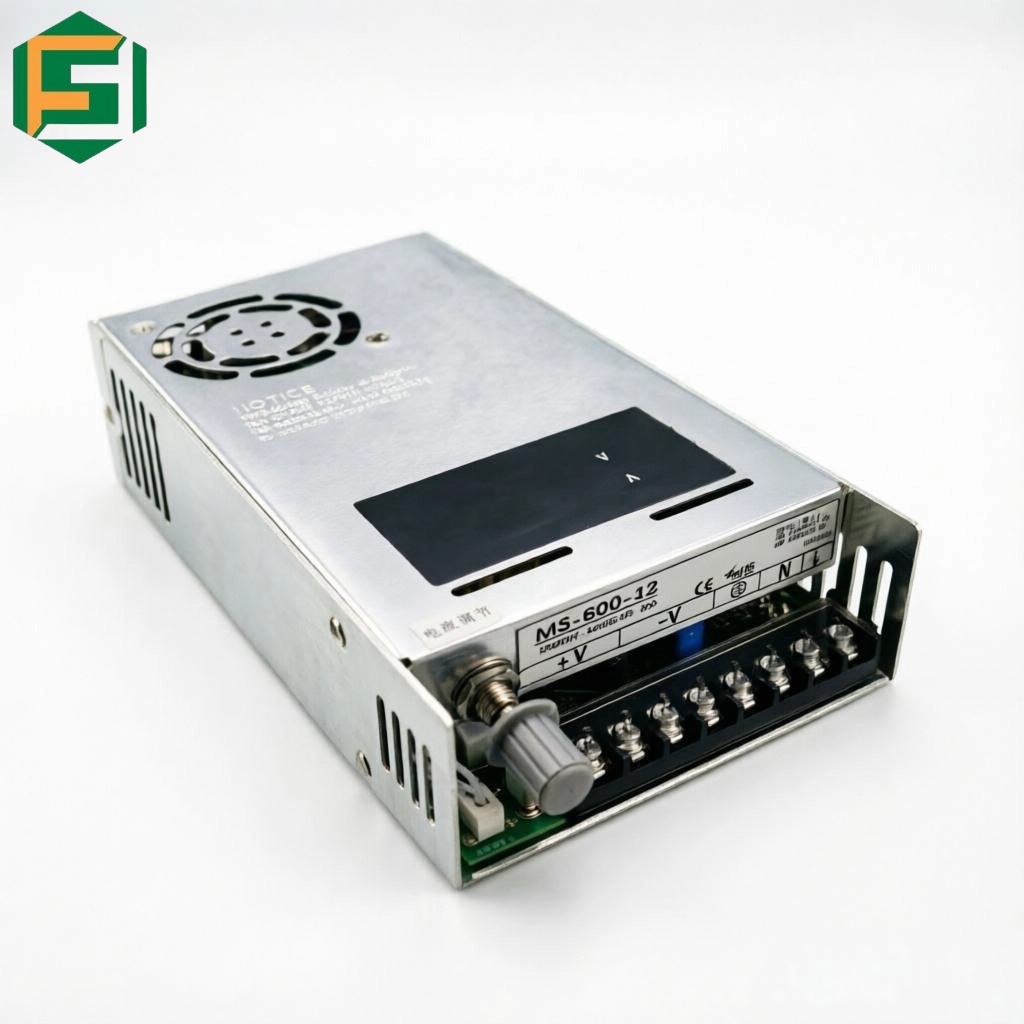
Equipped with real-time digital voltage display metrics. Highly adaptable for CNC testing, machine vision backlights, and electro-mechanical tooling benches.
Inquire Now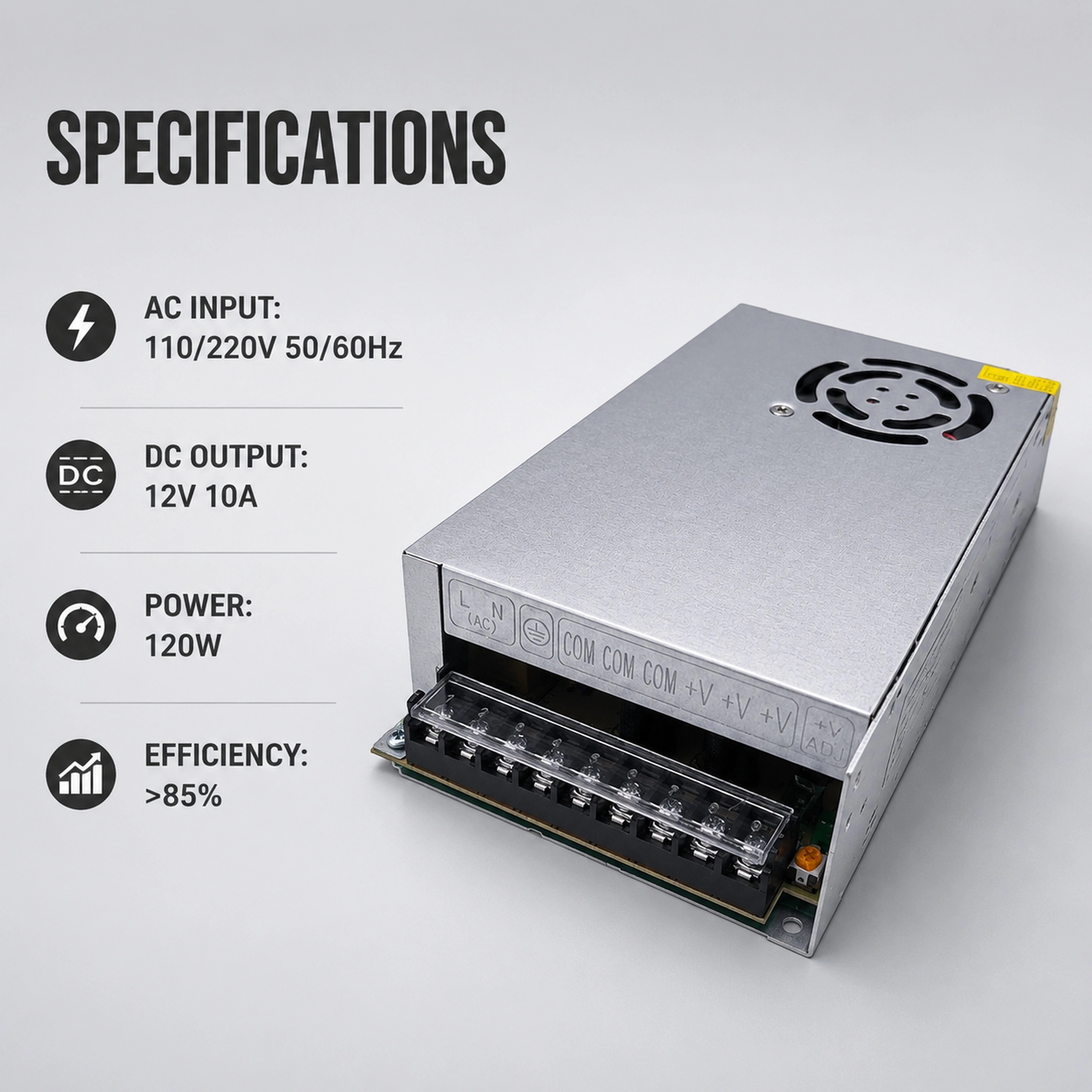
Universal wide AC input with 1A to 50A steady outputs. Features precision potentiometer micro-trimming for exact CNC servo motor voltage tolerances.
Inquire Now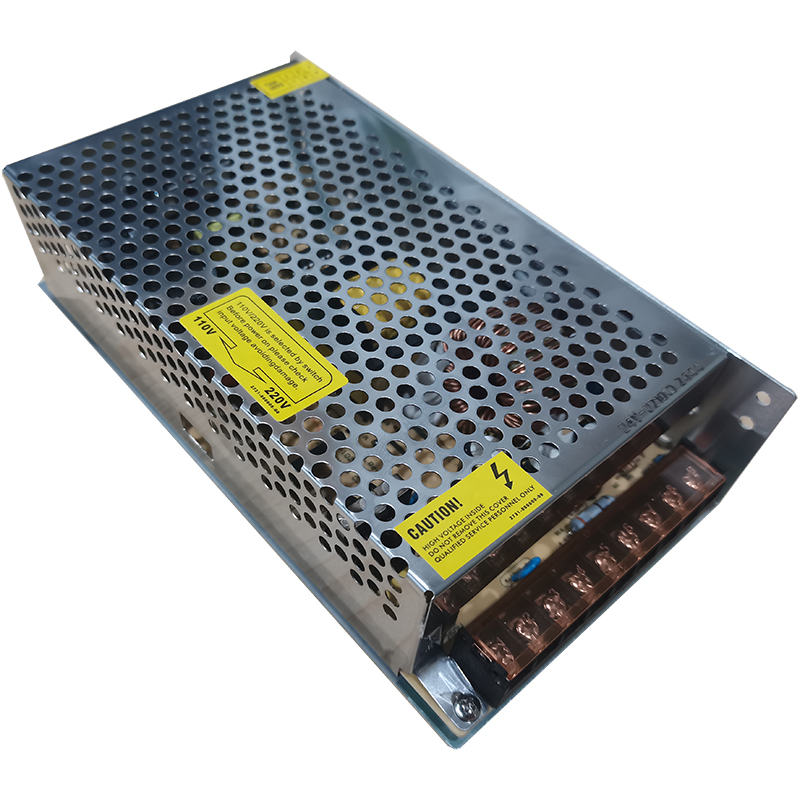
Tailored for high-speed CNC spindle drivers, high-torque hybrid servo loops, and heavy electro-mechanical load requirements up to 200V DC.
Inquire Now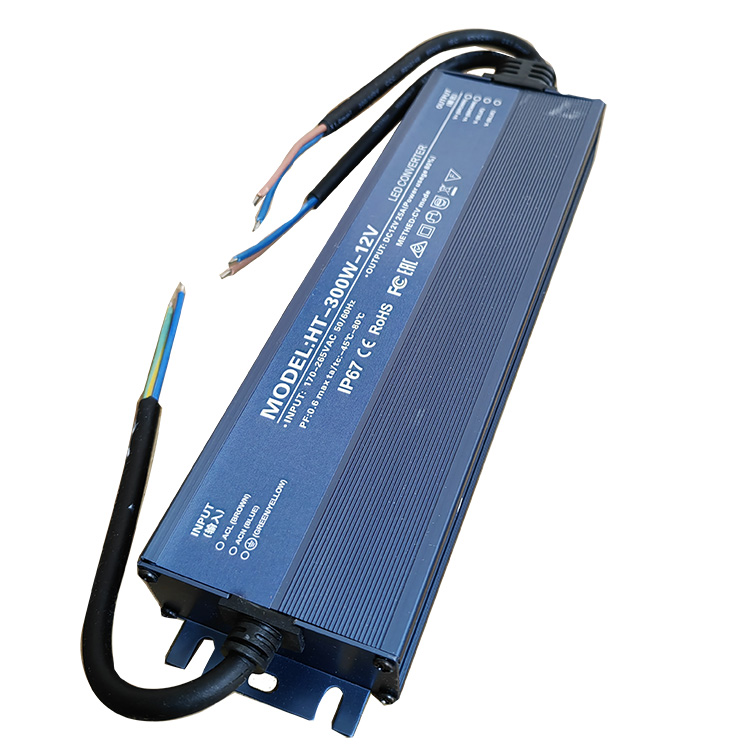
Fully potted epoxy sealing resistant to metal cutting fluids, oil mist, coolants, and constant workshop vibrations in wet CNC milling setups.
Inquire Now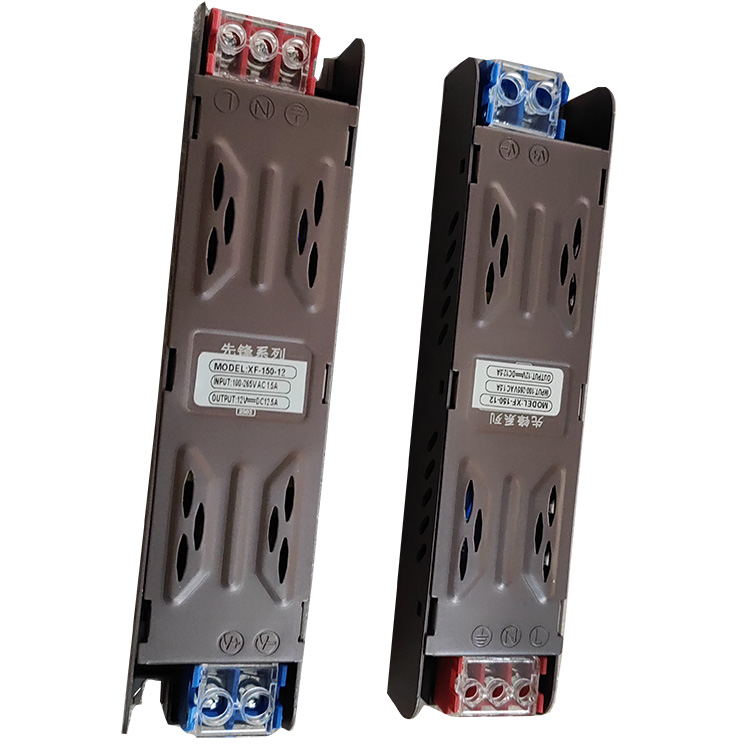
Compact form-factor switching supply delivering verified efficiency over 89%. Built-in EMI line filter meeting global electromagnetic compliance standards.
Inquire NowHeadquartered in Xi'an, China, Shaanxi Zelqo Power Co., Ltd. combines rigorous magnetic engineering with state-of-the-art power conversion architectures. As an Intertek-verified manufacturing enterprise, we bridge the gap between circuit theory and heavy industrial field survival.
Unlike simple assembly vendors, we calculate custom ferrite core geometries (EE, EI, PQ, RM), toroidal core tape configurations, and winding gauge ratios in-house. This ensures your CNC stepper and servo drivers avoid catastrophic saturation during sudden axis deceleration.
Every batch undergoes automated LCR bridge testing, impulse winding insulation analysis, dielectric hi-pot breakdown verification, and a mandatory 4 to 8-hour elevated-temperature burn-in cycle using precision digital AC/DC power meters before final export crating.
Built to accommodate 85–264 VAC universal inputs or multi-tap primary toroidal connections (110V/120V/220V/240V). Our products adhere strictly to IEC 61558-1/2 industrial transformer safety codes and IEC 62368-1 power electronic safety directives.
In modern high-speed computerized numerical control (CNC) systems, the DC power infrastructure is no longer merely an accessory—it is the foundational determinant of dynamic contour precision, tool life, and drive longevity.
Next-generation CNC power units are shifting toward Gallium Nitride (GaN) and Silicon Carbide (SiC) MOSFET switches. These wide bandgap semiconductors enable switching frequencies above 250kHz, shrinking passive magnetics by 40% while operating at over 94% full-load efficiency.
When high-inertia ballscrew gantries and multi-axis milling spindles brake rapidly, they generate massive counter-electromotive force (back-EMF). Modern procurement prioritizes power units equipped with active internal shunt clamps and oversized capacitor reservoirs to absorb inductive spikes without tripping over-voltage faults.
Industrial IoT integration requires CNC power supplies to provide digital diagnostic telemetry over PMBus, Modbus-RTU, or IO-Link. Predictive maintenance teams monitor ripple expansion, capacitor equivalent series resistance (ESR) degradation, and internal thermal hotspots directly via the machine controller display.
As CNC systems move toward distributed on-machine drive architectures, power conversion modules must withstand harmonic vibrations exceeding 5G and exposure to atomized synthetic metalworking emulsions, driving unprecedented demand for vacuum-impregnated and polyurethane/silicone-potted IP67 designs.
| Evaluation Parameter | High-Frequency Switch Mode (SMPS) | Linear / Toroidal Transformer System | Digital Programmable DIN Rail Unit |
|---|---|---|---|
| Dynamic Peak Current Reserve | 120% – 150% (Protected by OCP foldback) | 300% – 500% (Instantaneous magnetic headroom) | 150% – 200% (Microprocessor controlled PowerBoost) |
| Conversion Energy Efficiency | 88% – 94% (Low thermal generation) | 72% – 82% (Requires ambient airflow dissipation) | 91% – 95% (Active PFC topology) |
| EMF / RFI Noise Signature | Moderate (Requires integrated common-mode chokes) | Near Zero (Pure sinusoidal line transformation) | Ultra-Low (Meets EN 61000-6-3 residential/light industrial) |
| Regenerative Braking Handling | Requires external snubber or discharge resistor | Exceptional (High magnetic energy absorption) | Integrated active braking transistor switch |
| Ideal CNC Application Domain | Compact laser cutters, router logic, micro-steppers | Heavy-torque CNC lathes, plasma cutters, large servos | Precision multi-axis automated manufacturing cells |
Purchasing power conversion hardware strictly on nominal nameplate wattage often leads to premature driver failures and unexplainable axis positioning errors in the field.
Inductive stepper coils act as electrical generators during deceleration. If the DC rail lacks adequate bulk storage capacitance or transient TVS suppression diodes, bus voltage surges instantly exceed driver FET breakdown ratings, burning logic boards.
Standard power supplies rated at 25°C ambient often derate by 30% to 50% when mounted inside sealed electrical cabinets operating at 50°C. Sourcing engineers must specify industrial grade 105°C capacitors and examine realistic high-temp output curves.
VFD spindle inverters generate strong common-mode electromagnetic radiation. Without adequate input line filters, ferrite cores, and reinforced primary-to-secondary galvanic isolation, high-frequency noise couples into low-voltage differential pulse/direction encoder signals.