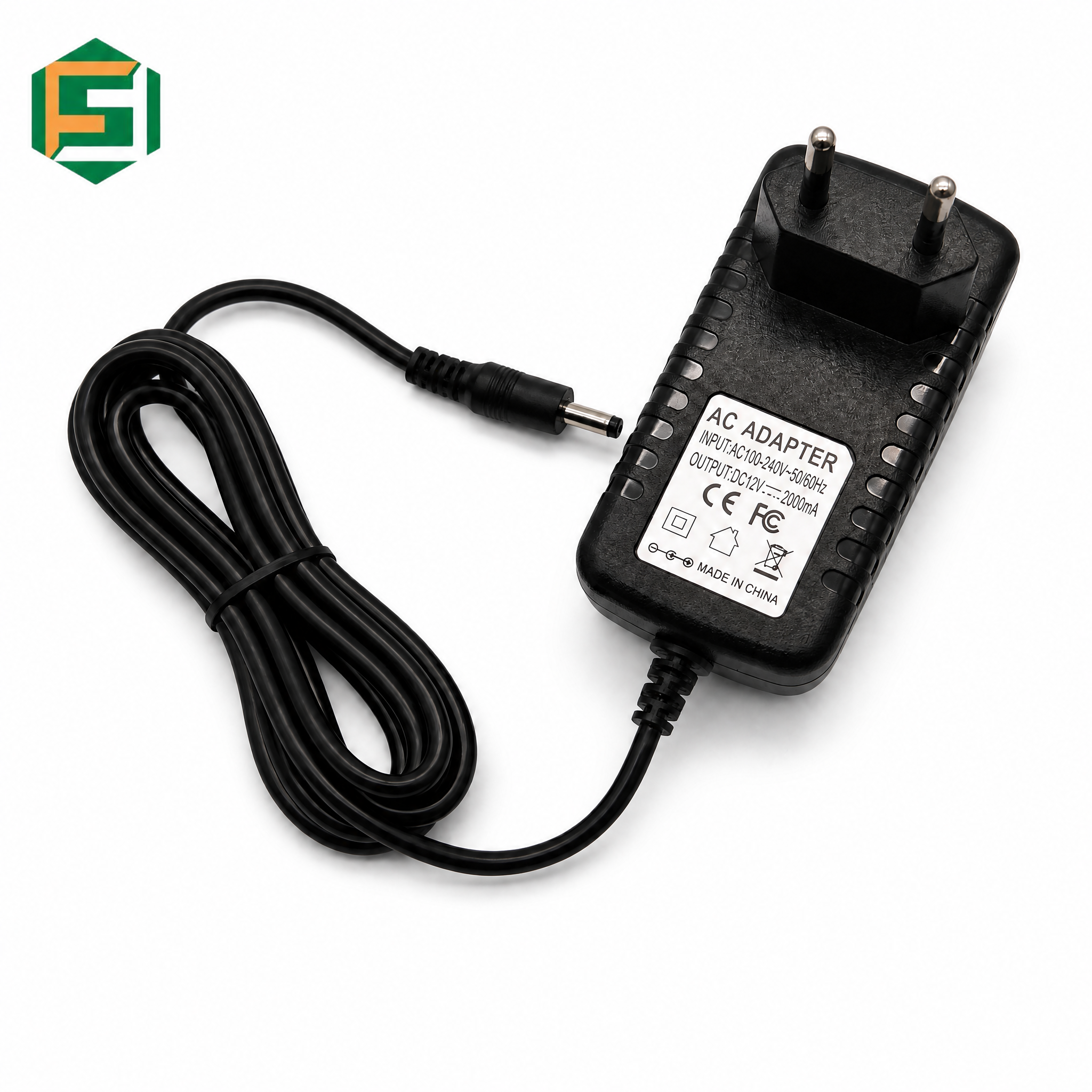
Wall Mount SMPS
5V 2A 10W AC DC Switching Power Adapter Wall Plug Class VI 100-240V CE FCC
DOE Level VI
<75mW Standby
Universal AC
Strictly tested across dielectric withstand, full-load burn-in, dynamic line regulation, and harmonic compliance before dispatch.
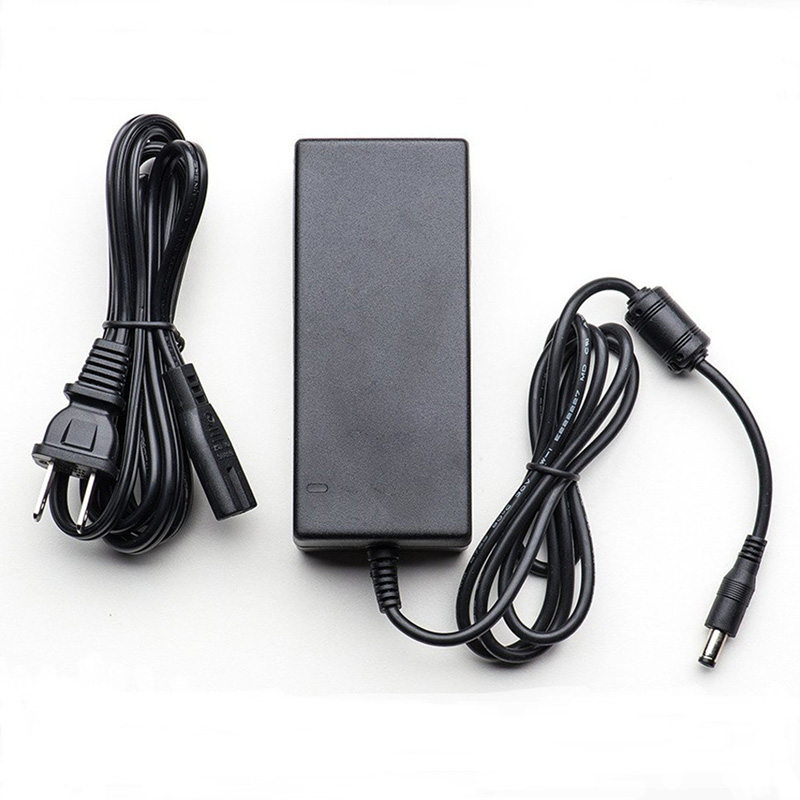
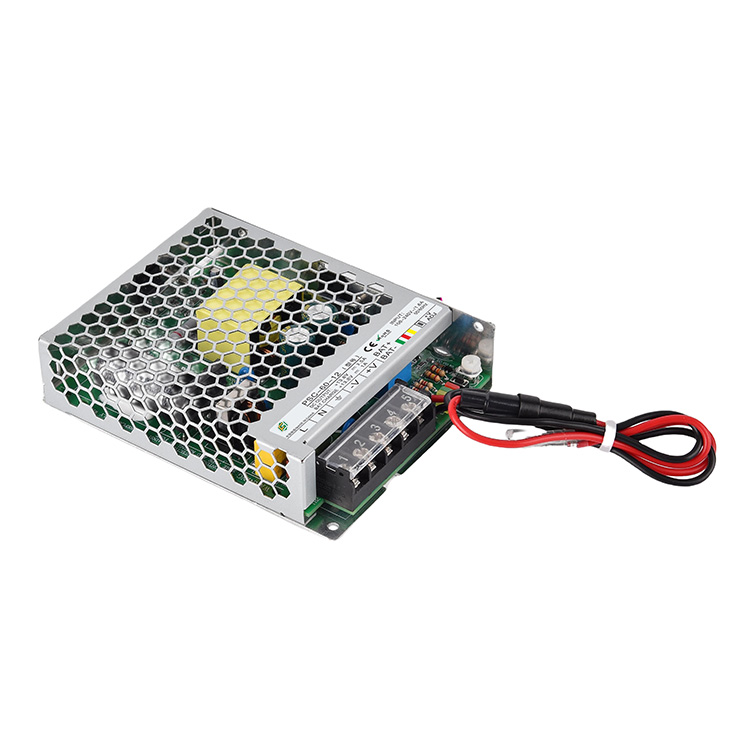
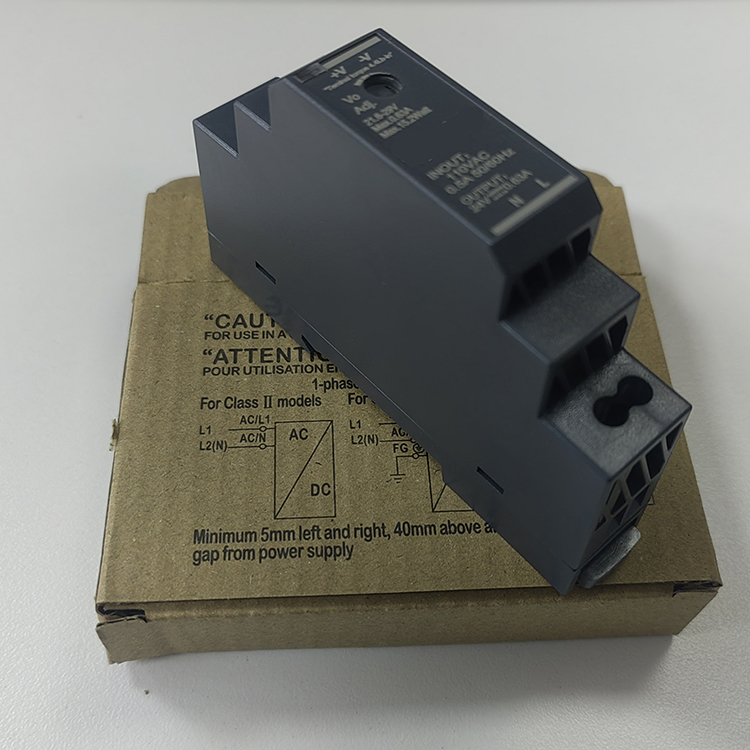
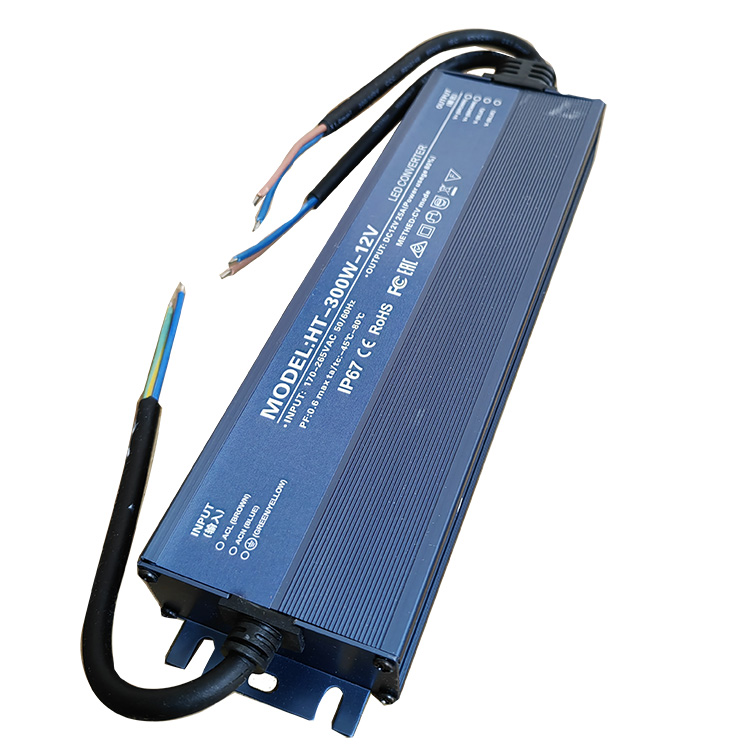
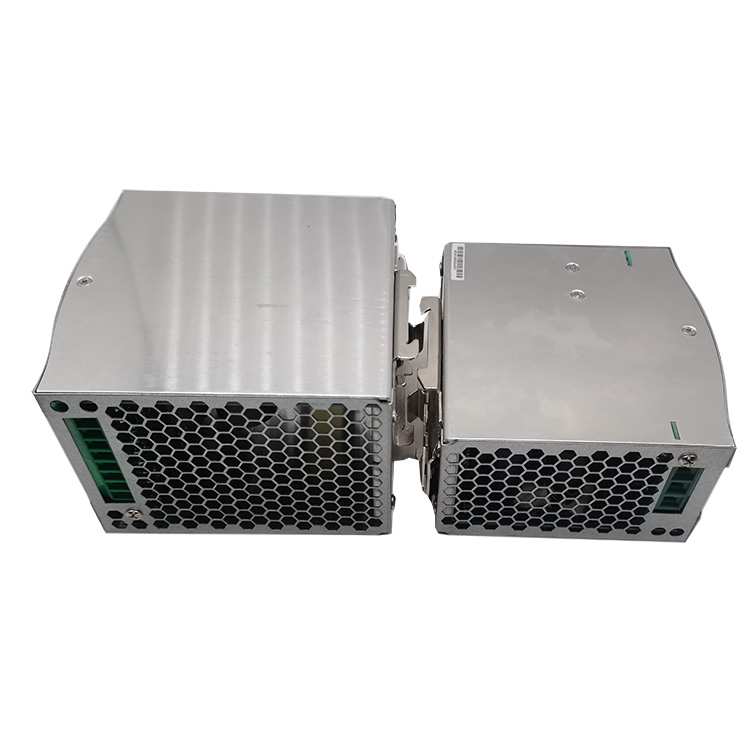
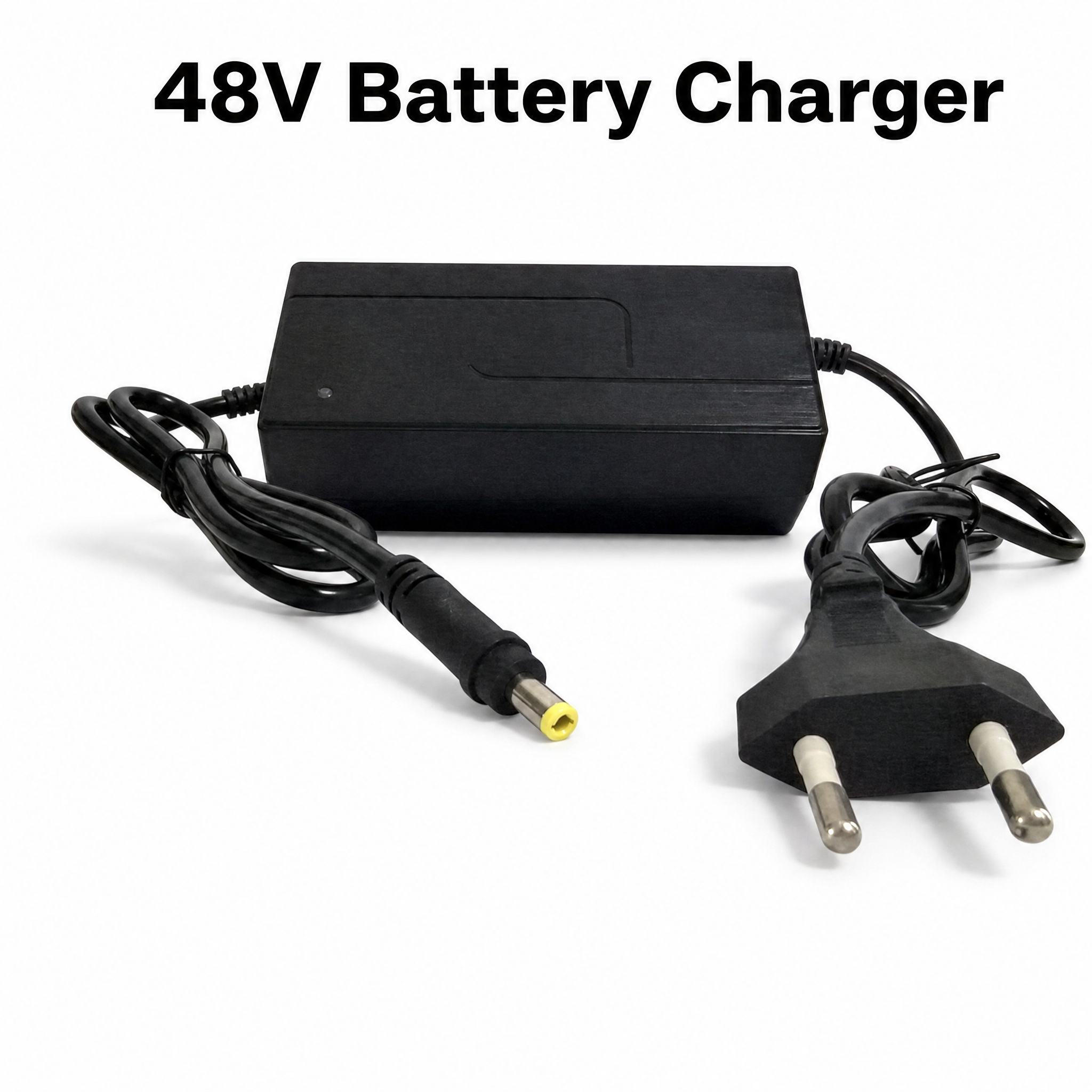
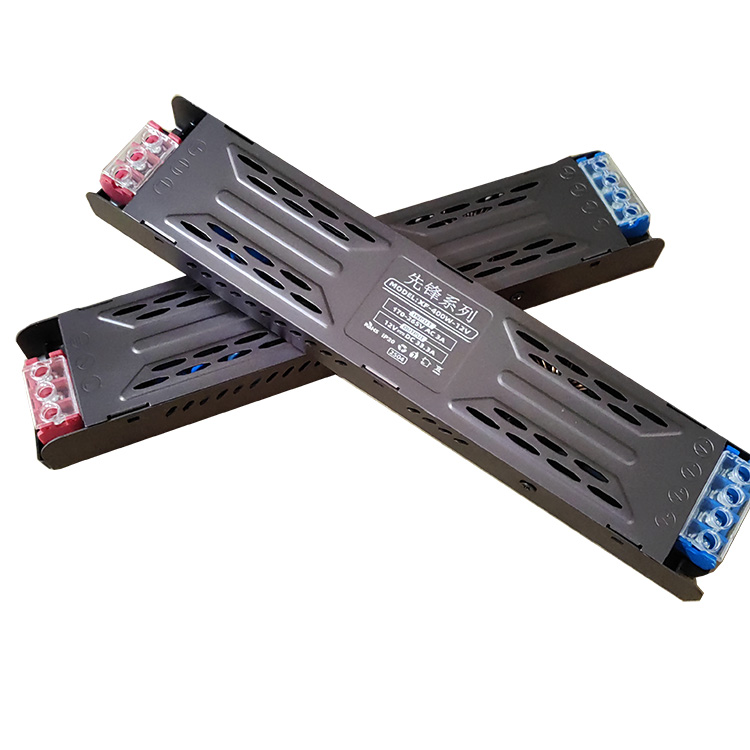
Evaluating the convergence of Wide Bandgap semiconductors, stringent eco-design directives, and digital telemetry in modern power infrastructure.
The global procurement landscape for switch-mode power supplies has shifted from commoditized bill-of-materials (BOM) sourcing to performance-per-volume architecture evaluations. High-frequency magnetic design, coupled with wide-bandgap (WBG) power switches such as Gallium Nitride (GaN) and Silicon Carbide (SiC), has transformed switching frequency baselines from legacy 65kHz–100kHz domains up to 300kHz–1MHz. For engineering procurement specialists, this technological leap delivers up to a 45% reduction in overall magnetic core volumes (utilizing RM, PQ, and planar ferrite configurations) and elevates end-to-end conversion efficiency beyond 94%.
When drafting procurement requests for quotation (RFQs), international buyers must systematically scrutinize core loss curves at elevated junction temperatures (100°C–120°C). Conventional manganese-zinc (MnZn) ferrite materials can experience severe thermal runaway if not matched with ultra-low thermal resistance bobbin designs and multi-layer interleaving planar transformer coils. Shaanxi Zelqo Power integrates tailored magnetic calculations to optimize core geometry, mitigating proximity effects and secondary harmonic eddy currents.
| Architecture Parameter | Legacy Silicon Flyback SMPS | LLC Resonant Converter | Next-Gen GaN/SiC Hybrid SMPS |
|---|---|---|---|
| Nominal Switching Frequency | 50 kHz – 100 kHz | 100 kHz – 200 kHz | 250 kHz – 1 MHz+ |
| Typical Efficiency (Nominal Load) | 80% – 85% | 89% – 93% | 94% – 96.5% |
| Power Density Envelope | 4 – 8 W/in³ | 10 – 15 W/in³ | 20 – 35 W/in³ |
| Thermal Dissipation Demand | Bulky Extruded Aluminum Sinks | Moderate Fin Profiles | Compact Thermal Clad / Direct Conduction |
| EMI Mitigation Complexity | Low-Frequency Snubber Dependent | Zero Voltage Switching (ZVS) Low EMI | Advanced Multi-Stage Common Mode Choking |
Supply chain risks in international power supply sourcing frequently stem from regulatory oversights rather than fundamental functional failures. Sourcing agents must anticipate compliance transitions across multiple jurisdictions:
Industrial automation, renewable storage, and telecom deployments require ruggedized form factors capable of enduring extreme thermal fluctuations (-30°C to +70°C). Sourcing strategies are increasingly pivoting toward modular DIN rail topologies with wide input windows (85–264VAC universal or dual-phase 380–480VAC) equipped with active current-sharing buses for N+1 redundant parallel arrays.
Furthermore, the emergence of PMBus and I2C digital telemetry within custom enclosed SMPS platforms allows predictive health monitoring—reporting capacitor equivalent series resistance (ESR) degradation, thermal junction stress, and transient load spikes directly to edge gateways. OEM procurement teams that incorporate field-programmable threshold firmware directly at the factory stage substantially lower long-term warranty exposure and system downtime.
On-site assessed by Intertek in Xi'an, China. We do not compromise on component traceability, magnetic precision, or final testing standards.
Unlike mere assemblers who buy generic catalog magnetics, our dedicated winding and potting lines build custom EE, EI, EF, PQ, and toroidal transformers to optimize flux density and mitigate leakage inductance.
Complete design freedom across mechanical footprints, universal AC inputs, custom DC pinouts, potting resins (varnish, polyurethane, epoxy), private labeling, and regional export regulatory filings.
Operating under an audited quality management system. Documented supplier assessment, incoming component QA, SMT automated optical inspection, and localized traceability back to the winding operator.
Every mass-production unit undergoes dynamic elevated-temperature burn-in testing under variable resistive loads to eliminate infant mortality and verify thermal equilibrium stability.
Direct communication with power supply design engineers who understand topology selection, thermal management, loop stability, and regional electromagnetic compatibility (EMC) compliance.
Verification of primary inductance, leakage inductance, and DC winding resistance across calibrated frequency ranges.
Dielectric withstand up to 4000VAC primary-to-secondary to guarantee galvanic barrier integrity without insulation breakdown.
Digital power meters measure line/load regulation, peak-to-peak ripple voltage, and total harmonic distortion (THD) under full load.
High-voltage surge testing and prolonged elevated-temperature power cycling ensuring field reliability in mission-critical applications.
Key considerations covering custom design minimums, electrical testing reports, and safety certification lifecycles.
Submit your electrical specifications, enclosure constraints, or target BOM requirements for a dedicated engineering review, thermal evaluation, and custom prototype timeline within 24 hours.
Contact Us